Like
Share
멍실장
강아지 시스틴 요석 증상과 원인, 진단·치료와 관리 포인트 총정리

Cystine Urolithiasis in Dogs: Symptoms, Causes, Diagnosis, Treatment, and Management Essentials

UrinaryDiseasesMeongsiljang Veterinary Advisory Board

Cystine urolithiasis in dogs is a condition caused by genetic factors that lead to the formation of cystine crystals in the urinary tract, potentially resulting in pain and difficulty urinating. Early diagnosis and proper management are essential.

What Is Cystine Urolithiasis in Dogs?
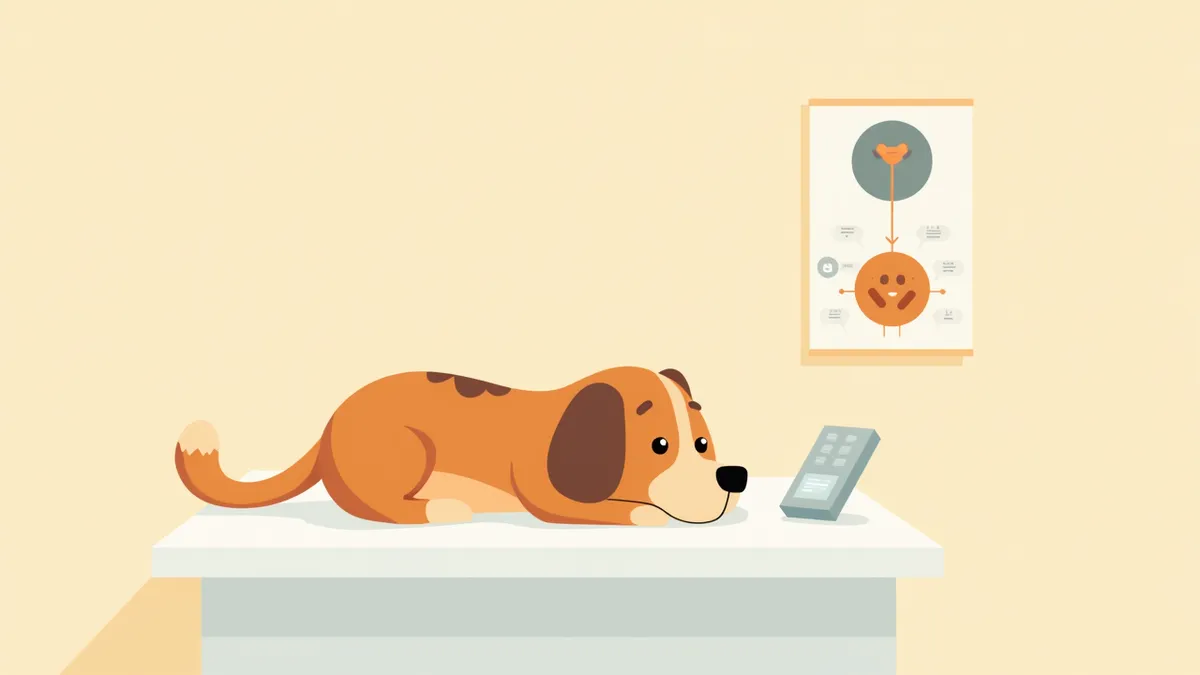
A puppy receiving a urinary stone diagnosis with a veterinarian
Cystine urolithiasis in dogs is a condition caused by the excessive accumulation of cystine in the urinary tract due to genetic factors. Cystine is an oxidized dimer of the amino acid cysteine, which is normally filtered by the proximal tubules of the kidneys and then reabsorbed. However, when there is a defect in this reabsorption process, excess cystine is excreted in the urine, leading to supersaturation and crystal formation. These crystals can obstruct the ureters, bladder, or urethra, causing pain and urinary difficulties. This condition is particularly common in certain breeds such as English Bulldogs, Dachshunds, Chihuahuas, Mastiffs, Newfoundlands, and Basset Hounds, and it tends to recur frequently, requiring ongoing management. Cystine is more likely to crystallize when urine becomes concentrated, making adequate hydration and urine dilution key to prevention. With early detection and proper management, this condition can be effectively controlled.

What Are the Main Causes of Cystine Uroliths?
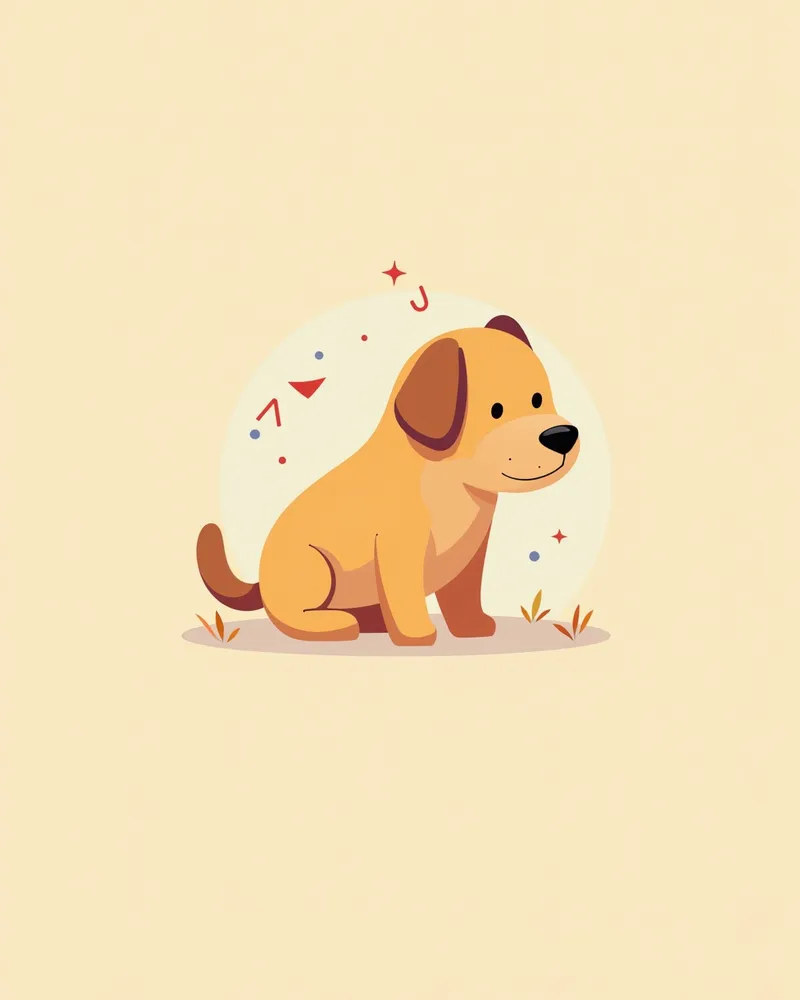
The primary cause of cystine uroliths is a genetic defect that impairs the reabsorption of cystine in the proximal tubules of the kidneys. Cystine, an oxidized dimer of cysteine, is normally filtered by the kidneys and then reabsorbed; however, when this process is defective, excessive amounts of cystine are excreted in the urine. As a result, the concentration of cystine in the urine rises, leading to supersaturation and an increased tendency for crystal formation. This genetic abnormality is known to occur in certain breeds, such as English Bulldogs, Dachshunds, Chihuahuas, Mastiffs, and Newfoundlands, allowing for risk assessment through genetic testing. Additionally, because concentrated urine further increases the risk of crystallization, adequate water intake is crucial. This condition stems from a biological basis rather than acquired factors. In some male dogs, castration may be beneficial, and prevention and management strategies should be tailored to the individual’s genetic predisposition.
A genetic diagram explaining the cystine transporter gene defect in dogs

Check for Key Symptoms and Signs

When a dog develops cystine uroliths, the following symptoms may appear. These signs indicate the need for an immediate veterinary visit.
Difficulty urinating: The dog may repeatedly squat and stand up, showing signs of pain during urination.
Hematuria: Blood may be present in the urine.
Abdominal pain: The dog may tense its abdomen or frequently lick the perineal or genital area, expressing discomfort.
Decreased appetite: Pain may cause the dog to refuse food.
Vomiting: This can occur if there is a urinary tract obstruction.
Decreased urine output: Although the frequency of urination may increase, the volume of urine produced is reduced.
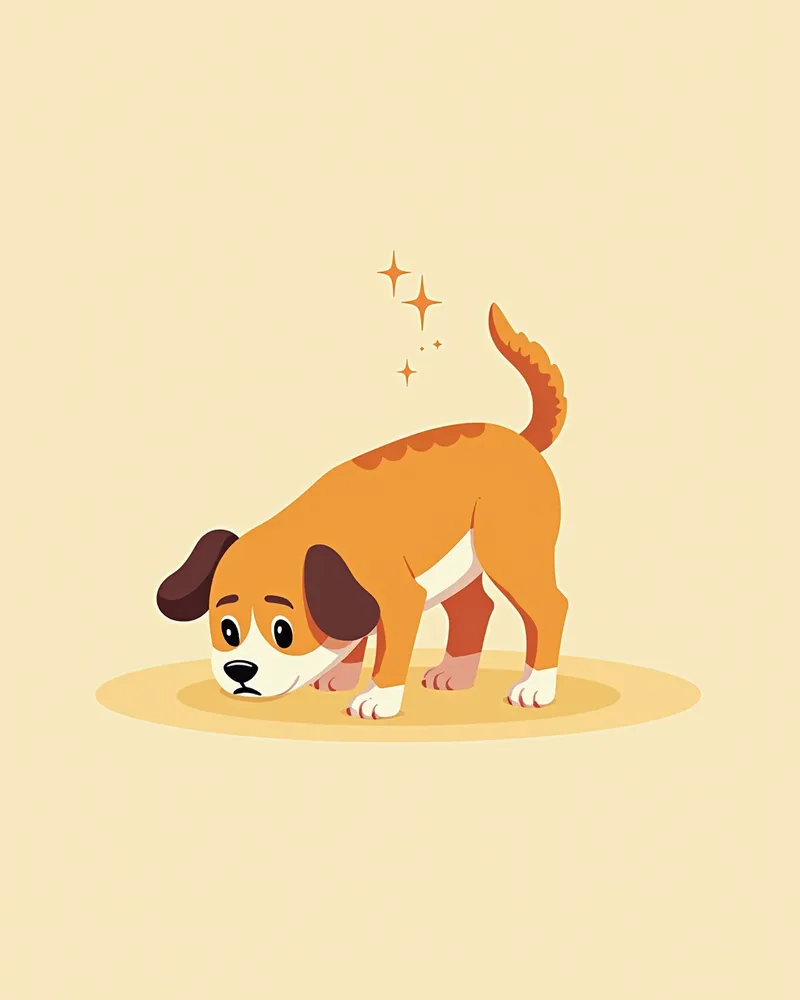
A puppy showing difficulty urinating

Situations Requiring Immediate Veterinary Visit

If your dog is unable to urinate at all or shows severe pain while trying, seek veterinary care immediately. Urinary tract obstruction is a life-threatening emergency that requires prompt treatment to prevent permanent kidney damage.

Diagnostic Tests for Accurate Diagnosis
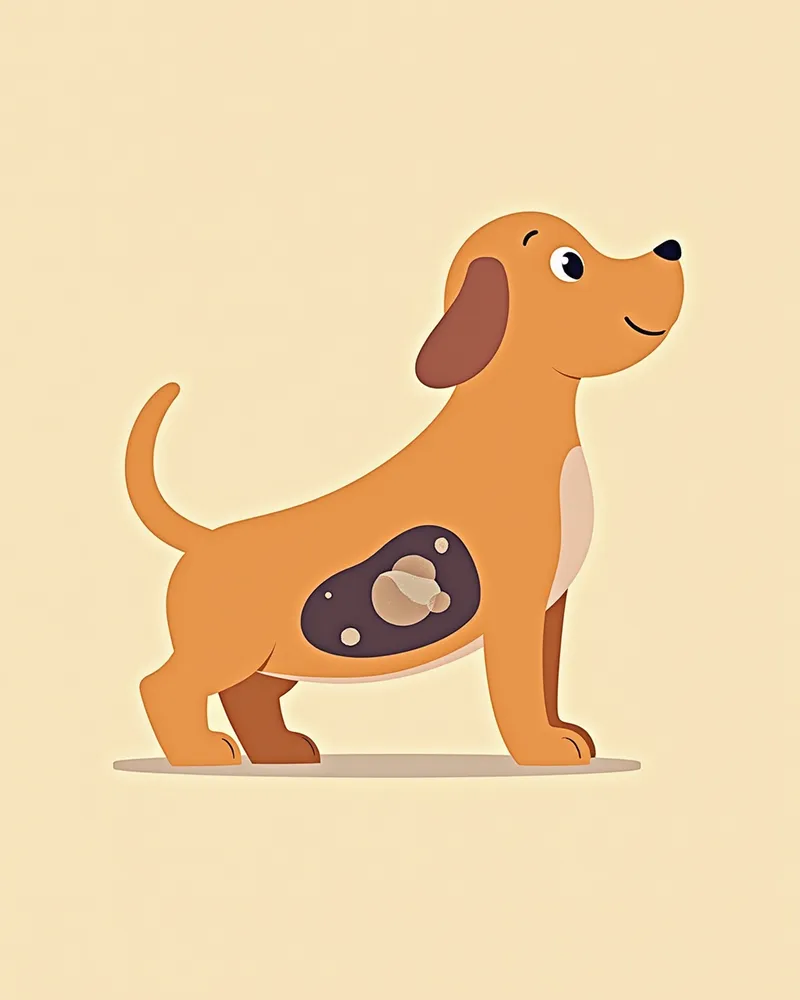
Cystine uroliths are accurately diagnosed through a combination of tests. Initially, the presence of cystine crystals in a urinalysis raises suspicion. However, visual identification of crystals alone is insufficient for a definitive diagnosis; the exact composition must be confirmed by quantitative analysis of the retrieved stones. Subsequently, ultrasound or X-ray imaging is essential to determine the location, size, and number of the stones. If necessary, genetic testing can identify the underlying hereditary cause and help tailor the treatment plan. Measuring urine pH is also critical, as cystine stones form readily in acidic urine, whereas alkaline urine inhibits their formation and enhances their solubility. An accurate diagnosis is decisive in improving treatment success rates.
Ultrasound images used to diagnose urinary tract stones in dogs

Treatment Methods and Step-by-Step Approach
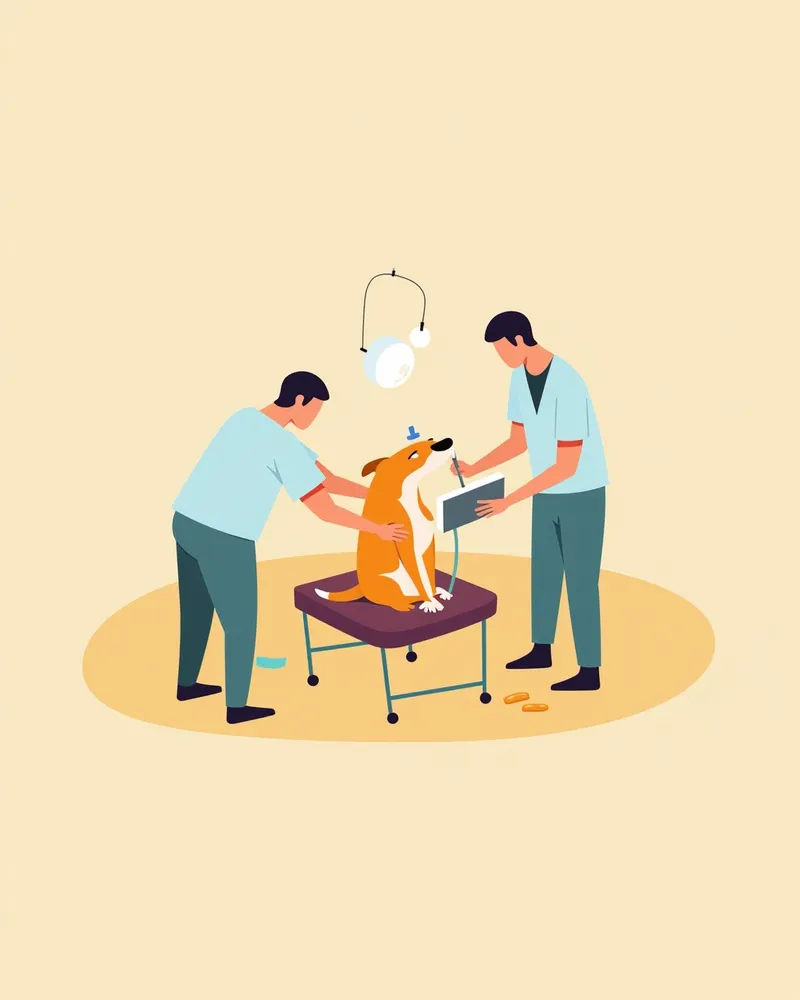
Treatment for cystine uroliths is approached in stages, depending on whether there is a urinary tract obstruction. If no obstruction is present, the initial strategy involves alkalinizing the urine and using thiol-based medications (such as 2-MPG) to dissolve the cystine stones. The goal is to maintain a urine pH of 7.5 or higher and a urine specific gravity below 1.025, with stones typically dissolving within 1 to 2 months. During this process, it is essential to maximize water intake and feed a specialized diet. However, if the stones are large or if an obstruction has occurred, surgical removal is necessary. After surgery, ongoing dietary management is crucial to prevent recurrence. Specialized diets are effective in lowering cystine levels and diluting the urine. Ultimately, treatment requires a long-term management plan that goes beyond short-term interventions.
A puppy undergoing surgery to remove urinary stones

Home Management and Prevention Tips

Cystine stones tend to recur, so ongoing management is essential. Please be sure to follow these guidelines:
Provide high-moisture food: Encourage increased water intake to dilute the urine.
Use prescription diets: Choose food specifically formulated to dissolve and prevent cystine stones.
Regular check-ups: Monitor for early signs with urine tests and abdominal X-rays every 4–6 months.
Ensure adequate hydration: Place water bowls in multiple locations and keep them filled at all times.
Manage stress: Stress can negatively impact urinary tract health.
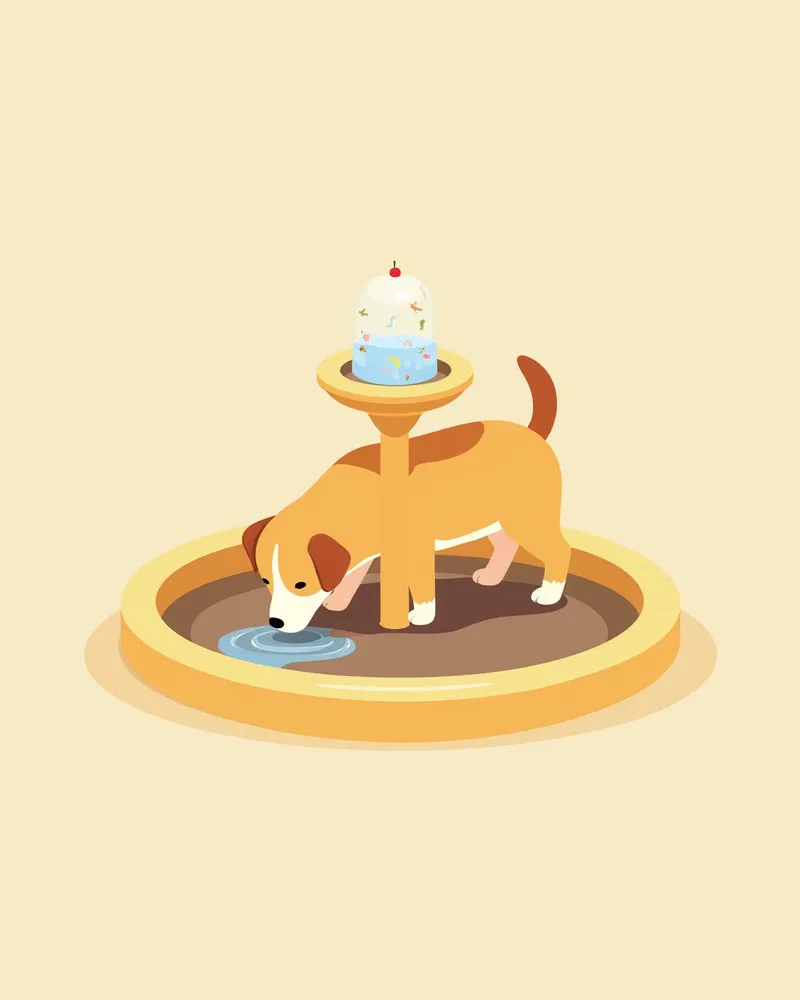
A puppy drinking water

Certain Breeds Require Extra Caution

English Bulldogs, Dachshunds, Chihuahuas, Mastiffs, Newfoundlands, and Basset Hounds are genetically predisposed to cystine urolithiasis. Dogs of these breeds tend to develop the condition at a relatively young age, making early screening and preventive care essential.

Reviewed by a veterinarian

Dr. Tony — Punnawat Phongkittirak

Dr. Tony — Punnawat Phongkittirak

Veterinarian

A veterinarian who majored in veterinary medicine at Khon Kaen University, Thailand, and completed the IVSA program at North Carolina State University in the United States. Drawing on clinical experience at animal hospitals, he works in the pet healthcare field and is dedicated to building a digital care environment that connects pet parents with veterinarians.

Frequently Asked Questions

Can cystine uroliths be completely cured after treatment?
Since the condition is prone to recurrence, ongoing management is more important than aiming for a complete cure. Proper dietary adjustments and adequate hydration can help reduce the likelihood of flare-ups.
Can I feed my pet only prescription diet food?
Specialized diets can be highly effective, but it’s important to ensure your pet stays well-hydrated and undergoes regular check-ups. Relying on them alone isn’t enough.
Does a pet with bladder stones always need surgery?
Small urinary stones may be dissolved through urine alkalinization and thiol-based medications. However, surgery is necessary if the stones are large enough to obstruct the urinary tract or if the pain is severe.
If my dog has had urinary stones, are its future puppies at risk too?
If it’s a genetic condition, there’s a higher chance that future offspring may also be affected. It’s a good idea to assess the risk through genetic testing.
How can you monitor your pet’s urine at home?
Keep a daily log of your pet’s urine color, odor, volume, and urination frequency. If you notice blood in the urine or if your pet stops urinating altogether, seek veterinary care immediately.

Share

Related Guides

References

[1] Plumb's Veterinary Drug Handbook, 9th Edition. Wiley-Blackwell, 2022.

[2] Applied Veterinary Clinical Nutrition, 2nd Edition. Wiley-Blackwell, 2021.

[3] Urinalysis in the Dog and Cat, 2nd Edition. Elsevier, 2020.

This information is based on veterinary literature and does not replace diagnosis or treatment. Please consult a veterinarian for specific health concerns.

Metapet Co., Ltd. | CEO: Park Sung-yong | Business Reg. No. 417-88-02562 | Seoul, South Korea | Customer Center

Dog Cystine Stones: Symptoms, Causes, Treatment & Management | Meongsiljang