Like
Share
멍실장
강아지 약물·독소 유발 간 손상 증상과 원인, 진단·치료와 관리 포인트 총정리

If Your Dog Is Lethargic After Taking Medication — Symptoms of Drug- or Toxin-Induced Liver Injury and Emergency Timing

Liver HealthDiseasesMeongsiljang Veterinary Advisory Board

Drug- or toxin-induced liver injury in dogs is a condition in which liver function is impaired due to exposure to certain medications or toxins. Early detection and appropriate management are key to improving survival rates.

What Is Drug- or Toxin-Induced Liver Injury in Dogs?
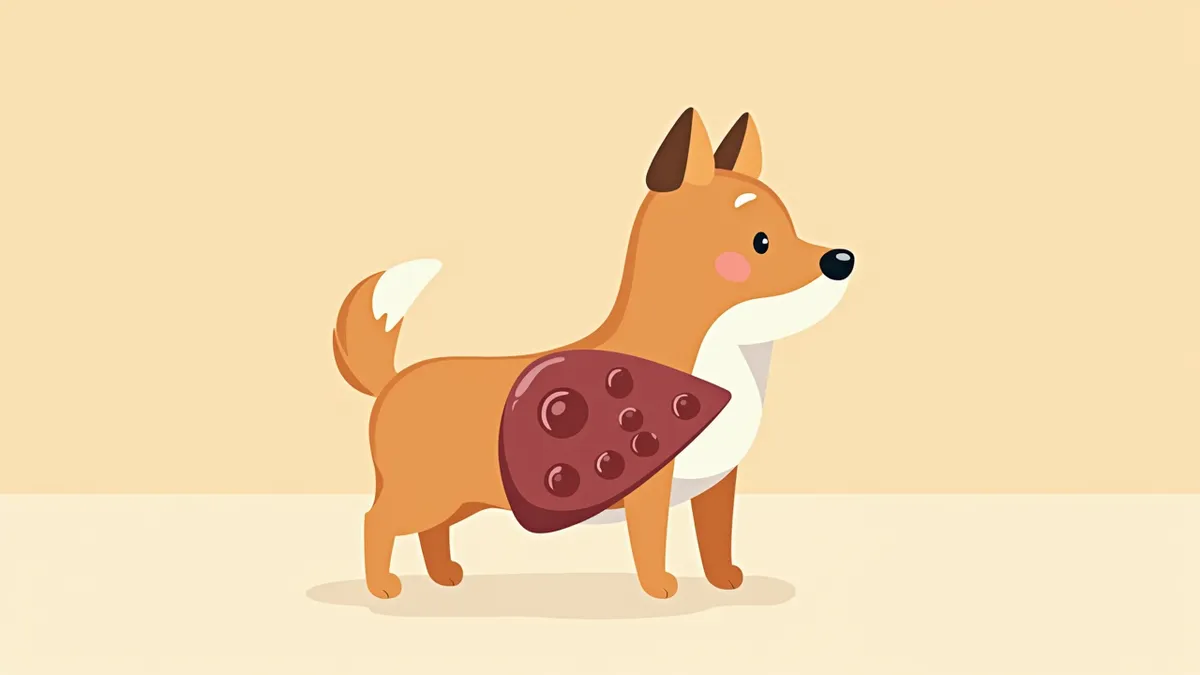
A comparison between healthy and damaged liver cells in dogs
Drug- or toxin-induced liver injury in dogs occurs when exposure to certain medications or toxic substances damages liver cells and impairs liver function. Because early-stage symptoms are often subtle or absent, this condition can easily go unnoticed. The liver plays a vital role in eliminating waste products and regulating metabolism throughout the body, so liver damage can have widespread systemic effects. Certain breeds are more sensitive to drugs and toxins, placing them at higher risk. Early detection and appropriate management are key to improving survival rates. It’s also crucial not to miss any emergency warning signs that require immediate veterinary care.

What Are the Main Causes?

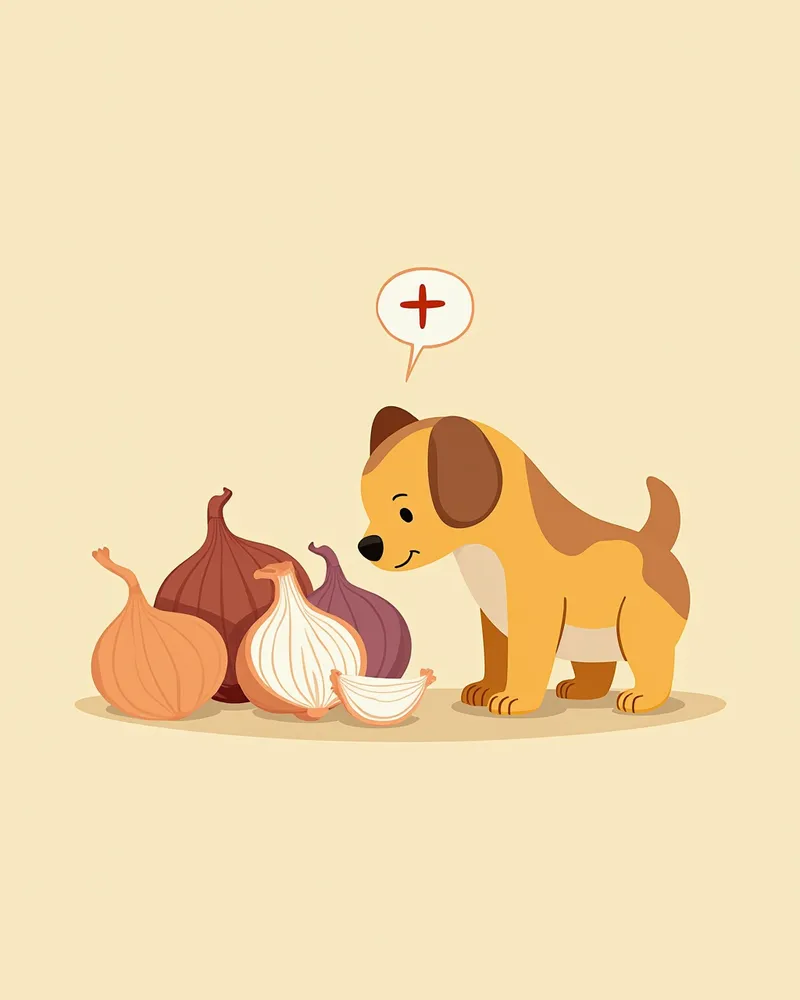
The main causes of drug- and toxin-induced liver damage in dogs include ingestion of medications or toxic substances, and exposure to chemicals. - Acetaminophen: This human pain reliever is highly toxic to dogs and can cause hemolysis (destruction of red blood cells) and liver damage. - Antibiotics, anti-inflammatory drugs (NSAIDs), and anticonvulsants: Certain medications such as phenobarbital, NSAIDs, and sulfonamides can place stress on the liver, potentially leading to hepatitis and liver damage. - Mycotoxins and poisonous mushrooms: Aflatoxins found in moldy food and toxins from mushrooms like Amanita species can cause direct liver toxicity. - Onions and garlic: These can trigger hemolysis, which may lead to jaundice, so caution is advised. - Alcohol and volatile chemicals: Indoor exposure to substances like ethanol can also be dangerous. Because some breeds are more sensitive to certain medications, always consult your veterinarian before administering any drugs.
A puppy sniffing garlic and onions, which are toxic plants for dogs.

Main Symptoms and Signs

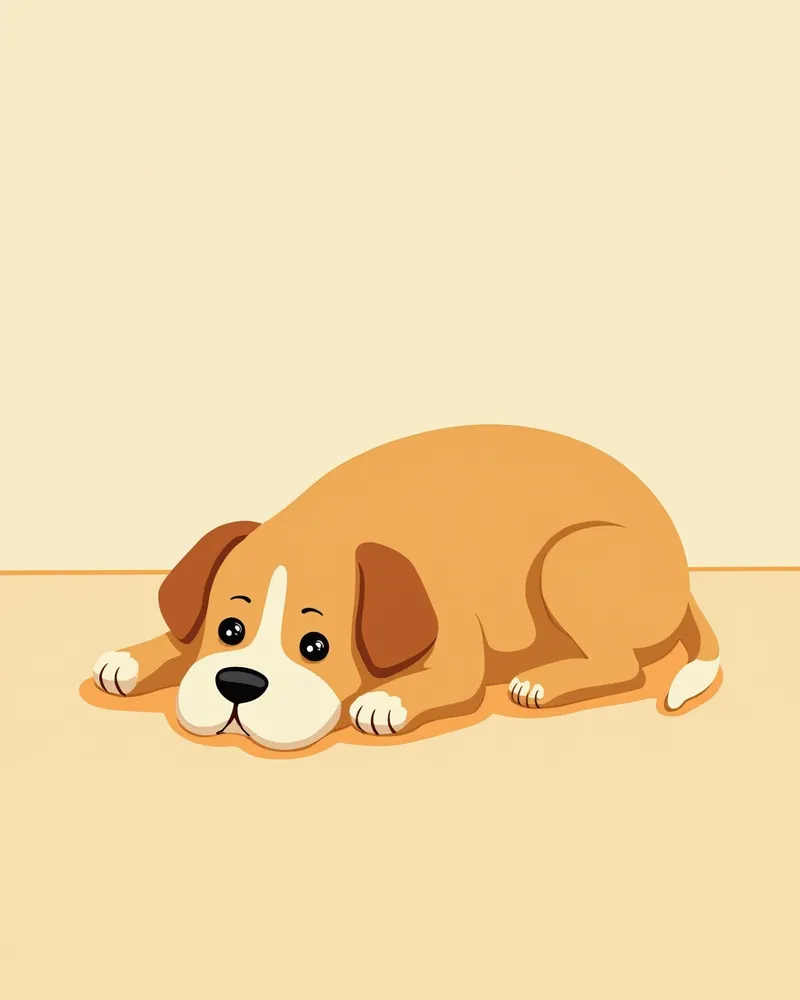
The main symptoms of drug- or toxin-induced liver damage in dogs include loss of appetite, vomiting, diarrhea, lethargy, and jaundice (yellowing of the skin or eyes). These are early signs of declining liver function and can progress rapidly. In severe cases, hepatic encephalopathy may develop, leading to confusion, seizures, and decreased consciousness. This is a life-threatening condition, so immediate veterinary care is essential. Since liver function can already be compromised before symptoms appear, early screening is crucial. Early detection significantly improves treatment success rates.
Appearance of a puppy with jaundice symptoms

Emergency Signs Requiring Immediate Veterinary Visit

If your dog suddenly loses consciousness or experiences seizures, seek veterinary care immediately. Severe vomiting, persistent diarrhea, or jaundice also require urgent medical attention, as these symptoms indicate serious liver damage that can be fatal if treatment is delayed. Early intervention is critical for survival.

How Is It Diagnosed?
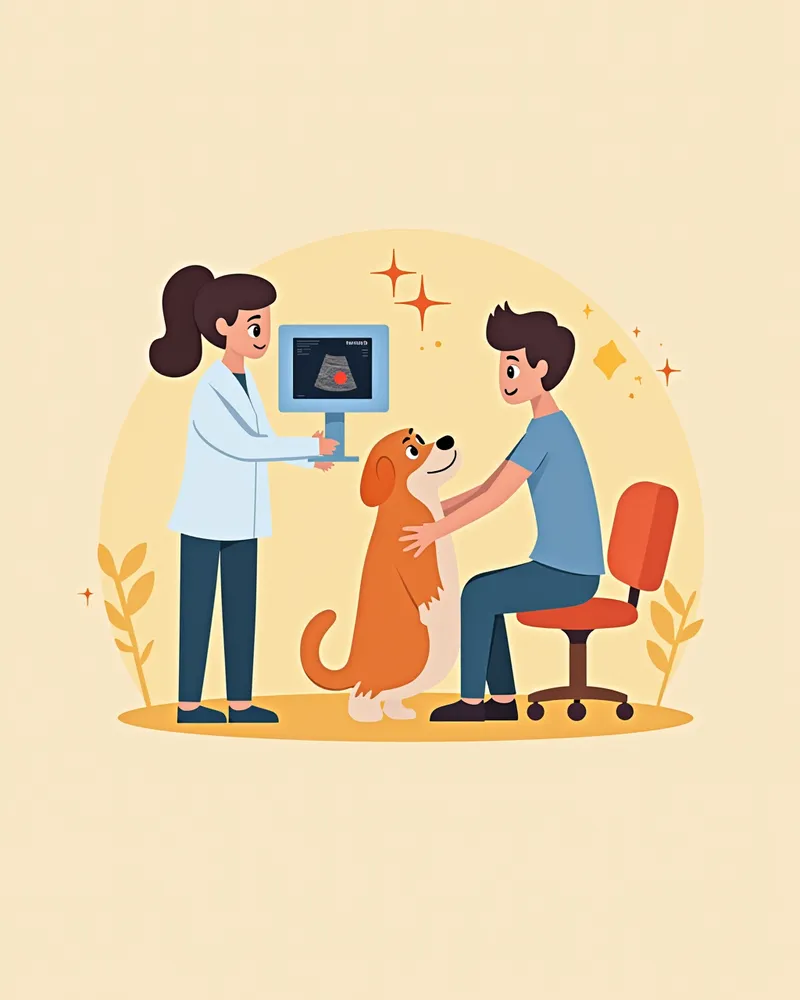
Drug- or toxin-induced liver damage in dogs is diagnosed through blood tests, liver function tests, and ultrasound imaging. - Elevated liver enzyme levels: Increased levels of AST, ALT, ALP, and other enzymes suggest a high likelihood of liver damage. - Ultrasound examination: This assesses the extent of damage by evaluating changes in liver size and texture. - Liver biopsy: This may be necessary to accurately determine the cause and severity of the damage. A thorough examination at the veterinary clinic is essential to identify the underlying cause and determine the appropriate treatment plan. Early diagnosis is key to successful treatment.
A puppy undergoing a liver ultrasound examination.

Treatment Methods and Step-by-Step Management
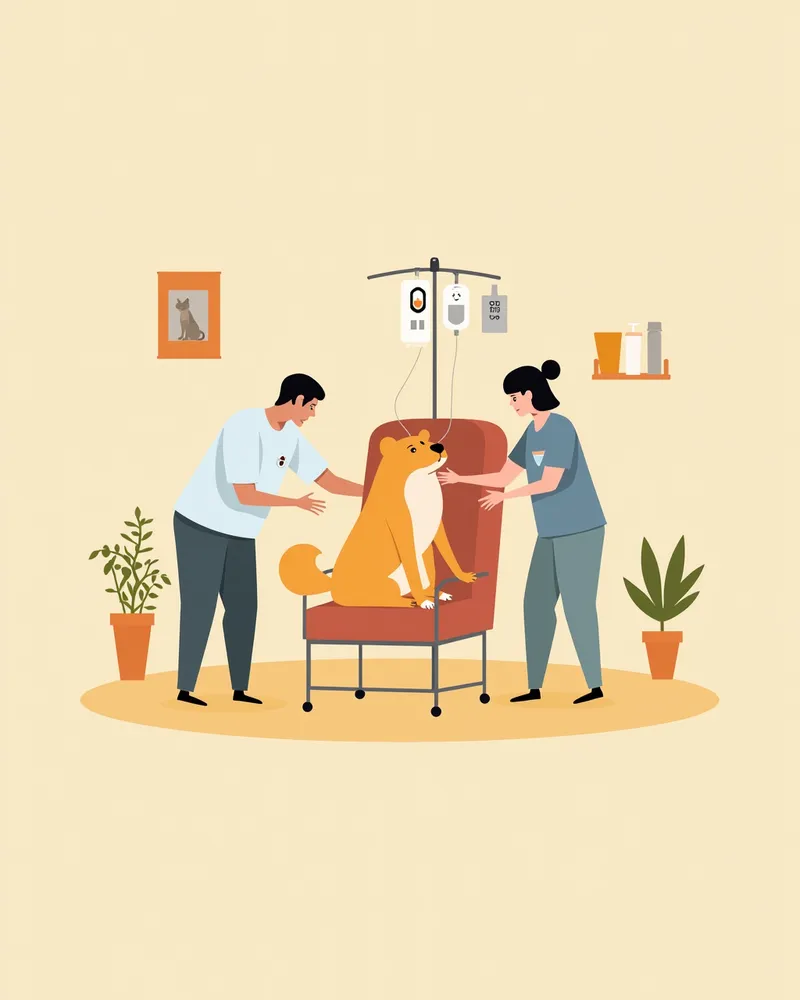
Treatment focuses on removing the underlying cause, protecting the liver, and providing conservative supportive care. If exposure to medications or toxins is confirmed, it must be stopped immediately. - Cause-specific and supportive care: Whenever possible, identify and treat the underlying cause while providing active supportive care. - Medication: Medications for liver disease are administered at the veterinarian’s discretion. Glucocorticoids (prednisolone) are commonly used for chronic hepatitis. - Fluid therapy: Helps correct dehydration and metabolic disturbances. - Nutritional support: A diet that provides sufficient energy through carbohydrates and fats while maintaining appropriate protein levels is necessary to prevent protein catabolism and ammonia production. If hepatic encephalopathy is present, dietary management and lactulose can be helpful. Treatment may be prolonged, so recovery should be monitored through regular check-ups, and medications must never be adjusted without veterinary guidance.
A puppy receiving intravenous therapy at the hospital

Home Care Points

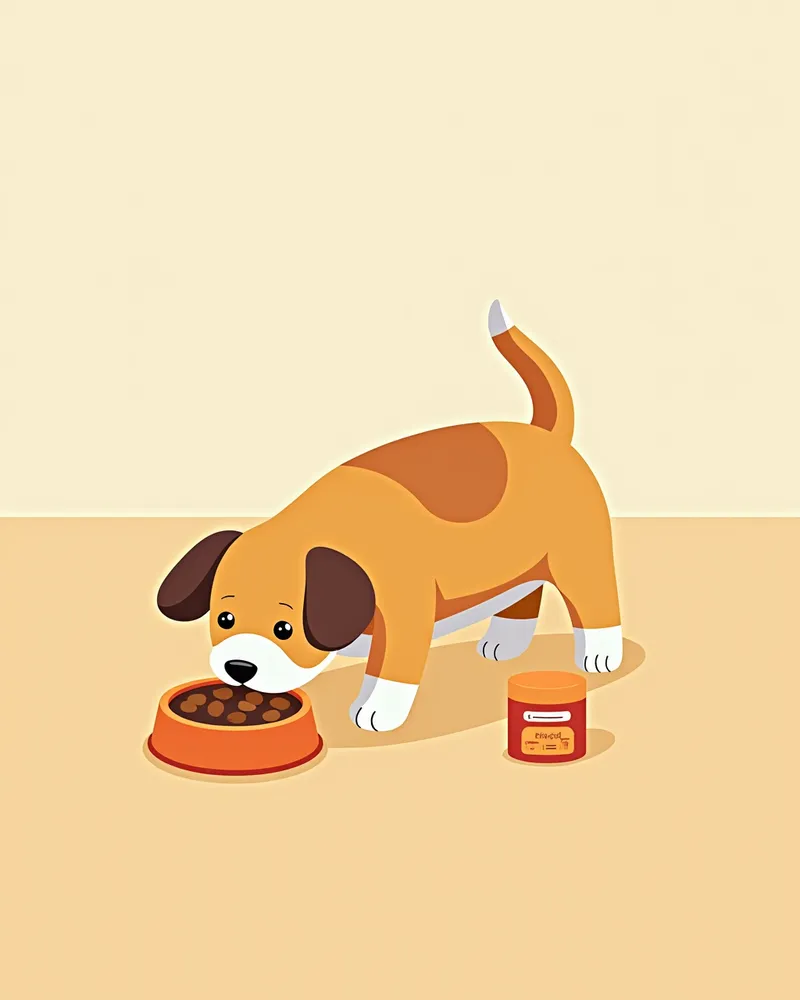
After drug- or toxin-induced liver damage in dogs, home care focusing on medication management and dietary control is essential. - Administer only veterinarian-prescribed medications: Never give any other drugs. - Avoid toxic foods: Never feed onions, garlic, alcohol, or moldy food. - Balanced diet: Provide a diet that supplies sufficient energy (carbohydrates and fats) to reduce protein breakdown and ammonia production, while maintaining appropriate protein levels. - Follow veterinary guidance for supportive therapy: Consistently administer prescribed medications and supplements as directed. Regular veterinary visits and blood tests are necessary to monitor your dog’s condition. Consistent care is key to preventing recurrence.
A puppy eating special food for liver health

Breed-Specific Precautions and Prevention of Recurrence

Certain breeds are genetically predisposed to a higher risk of liver disease and drug sensitivity. For example, Bedlington Terriers, West Highland White Terriers, Doberman Pinschers, Labrador Retrievers, Cocker Spaniels, and English Springer Spaniels have been reported to have a predisposition to copper accumulation or chronic hepatitis. Additionally, if your pet has a history of liver damage, the risk of recurrence is high, so it is essential to consult with your veterinarian before administering any medication. Prevention is the most important factor.

Reviewed by a veterinarian

Dr. Tony — Punnawat Phongkittirak

Dr. Tony — Punnawat Phongkittirak

Veterinarian

A veterinarian who majored in veterinary medicine at Khon Kaen University, Thailand, and completed the IVSA program at North Carolina State University in the United States. Drawing on clinical experience at animal hospitals, he works in the pet healthcare field and is dedicated to building a digital care environment that connects pet parents with veterinarians.

Frequently Asked Questions

How long can a dog live with liver damage?
The treatment timeline and extent of damage vary depending on the case. With early detection and proper care, full recovery is possible. However, severe cases may require long-term management.
Why is acetaminophen dangerous for dogs?
Acetaminophen is highly toxic to dogs and can cause hemolysis, which destroys red blood cells, as well as liver cell damage. Impaired liver function can lead to systemic complications such as coagulopathy, making this condition extremely dangerous.
What kind of food should I give my pet after liver damage?
We recommend a diet that supports liver health. Providing sufficient energy (carbohydrates and fats) to prevent protein breakdown, while maintaining appropriate protein levels, can be beneficial. Please consult with your veterinarian before selecting a diet.
Can liver damage recur?
Yes, the risk of recurrence is especially high if your pet is repeatedly exposed to medications or toxins. To prevent this, it’s important to carefully manage any medication use and schedule regular check-ups.
If jaundice appears, is it necessary to go to the hospital?
Yes, jaundice is a strong indicator of liver dysfunction. Immediate veterinary care is essential, as delayed treatment can be life-threatening.

Share

Related Guides

References

[1] Plumb's Veterinary Drug Handbook, 9th Edition, 2022

[2] Blackwell's Five-Minute Veterinary Consult Clinical Companion, Small Animal Toxicology, 3rd Edition, 2021

[3] Clinical Medicine of the Dog and Cat, 4th Edition, 2020

This information is based on veterinary literature and does not replace diagnosis or treatment. Please consult a veterinarian for specific health concerns.

Metapet Co., Ltd. | CEO: Park Sung-yong | Business Reg. No. 417-88-02562 | Seoul, South Korea | Customer Center

Dog Lethargic After Medication? Toxic Liver Injury & Timing | Meongsiljang