Like
Share
멍실장
강아지 황달 증상과 원인, 진단·치료와 관리 포인트 총정리

If Your Dog’s Eyes and Gums Are Yellow — Causes of Jaundice and When to Visit the Vet

Liver HealthDiseasesMeongsiljang Veterinary Advisory Board

Canine jaundice occurs when bilirubin builds up in the body due to liver dysfunction or red blood cell destruction, causing the skin and eyes to turn yellow. Early detection and accurate identification of the underlying cause are key to effective treatment.

Canine Jaundice Is a Sign of Liver Dysfunction Due to Bilirubin Buildup or Red Blood Cell Destruction

The conjunctiva of a dog's eyes turning yellow
Canine jaundice occurs when bilirubin builds up excessively in the bloodstream, causing the skin and the conjunctiva of the eyes to turn yellow. This can stem from various causes, including liver cell damage, bile duct obstruction, or excessive destruction of red blood cells. - Liver damage: When liver cells are injured, their ability to process bilirubin declines, leading to jaundice. - Bile duct obstruction: If the bile ducts are blocked, bilirubin cannot be expelled from the liver and accumulates in the body. - Hemolytic jaundice: Rapid destruction of red blood cells causes a sharp increase in bilirubin production. Early detection and accurate identification of the underlying cause are key to effective treatment. If you suspect jaundice, consult your veterinarian immediately.

The Main Causes of Jaundice Include Liver Damage, Biliary Obstruction, and Red Blood Cell Destruction
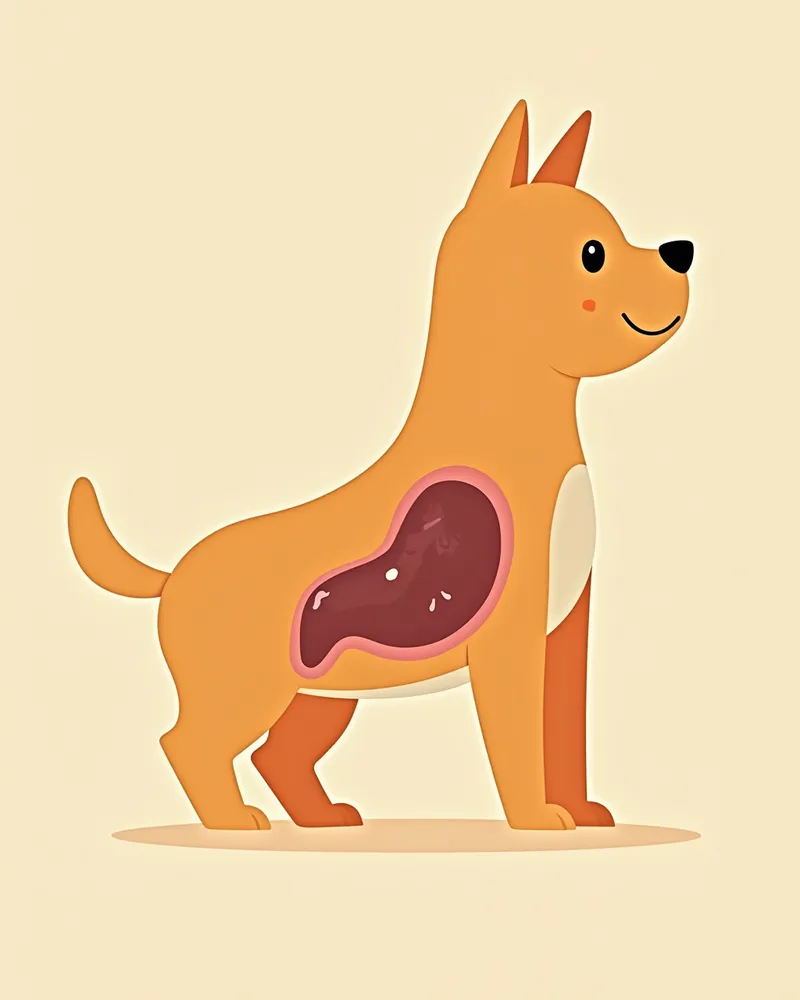
There are three main causes of jaundice in dogs. - Hepatocellular damage: When liver cells are damaged, they cannot process bilirubin properly, leading to jaundice. - Biliary obstruction: If the bile ducts are blocked, bilirubin cannot be excreted, resulting in obstructive jaundice. - Hemolytic jaundice: Excessive destruction of red blood cells causes a rapid increase in bilirubin production. Each of these causes requires a different treatment approach, so an accurate diagnosis is essential. Hemolytic jaundice, in particular, can progress acutely and requires close attention. Early detection is key to recovery.
Illustration of the structure and lesions of the dog’s liver and biliary system

Check for the Main Symptoms and Signs of Jaundice

The most recognizable sign of jaundice in dogs is a yellowish discoloration of the eyes, lips, and skin. Other symptoms may include loss of appetite, vomiting, diarrhea, lethargy, frequent urination, and abdominal distension. If you notice any of these signs, consult your veterinarian immediately.
Yellowing of the eyes and lips: This is the most definitive indicator, with the conjunctiva and lips taking on a yellow hue.
Decreased appetite: Impaired liver function often leads to a reduced interest in food.
Vomiting and diarrhea: These gastrointestinal symptoms arise from diminished digestive function.
Lethargy: Affected dogs often remain inactive and lie down throughout the day.
Abdominal distension: The belly may appear swollen due to liver enlargement or the accumulation of fluid in the abdomen (ascites).
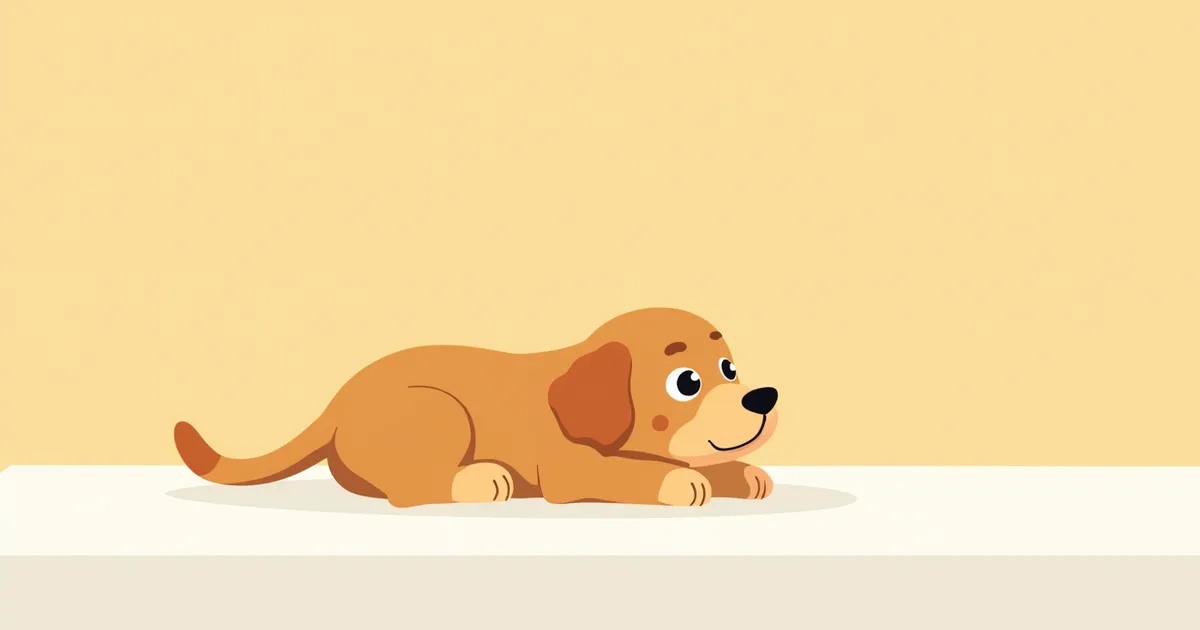
A lethargic puppy suffering from jaundice

Lethargy, Vomiting, and Abdominal Pain Accompanying Jaundice Require Immediate Veterinary Care

If your pet shows lethargy, repeated vomiting, and abdominal pain along with jaundice, it could indicate severe liver damage or bile duct obstruction. This is a life-threatening condition, so immediate veterinary care is essential.

Blood Tests, Ultrasound, and Biopsy Are Necessary for Diagnosis
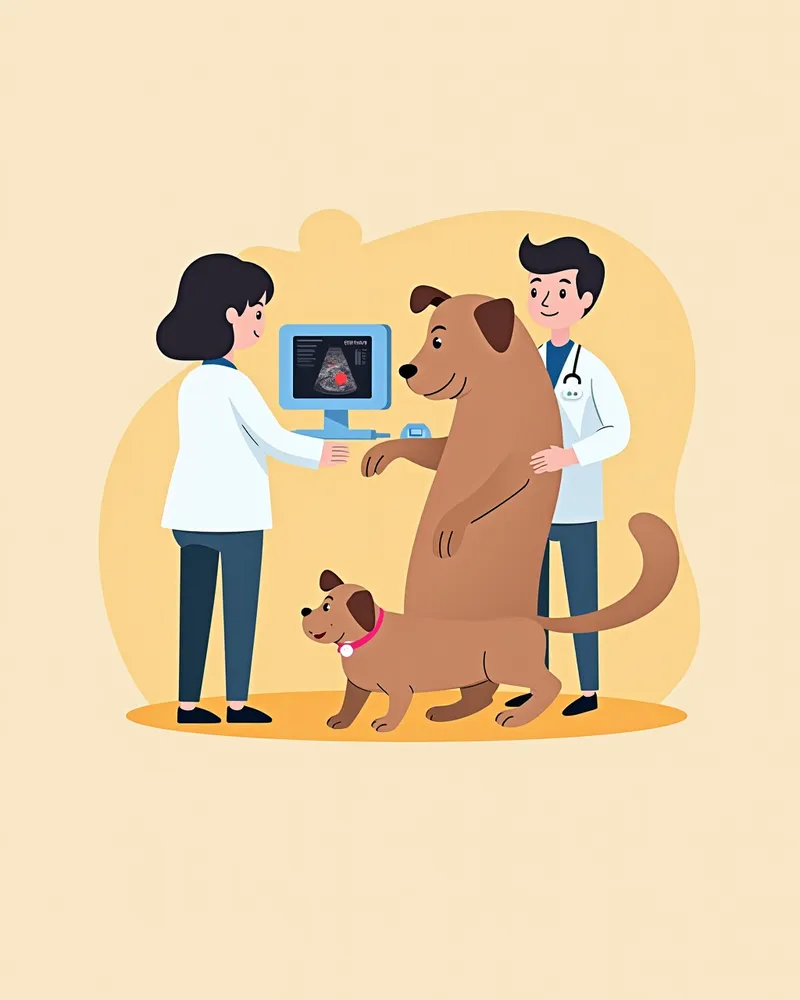
To accurately identify the cause of jaundice, several diagnostic tests are necessary. - Blood tests: Measure liver enzyme levels and bilirubin concentration to assess liver function. - Ultrasound examination: Visually examine the structure of the liver and bile ducts to detect any abnormalities. - Biopsy: Collect tissue samples to precisely diagnose inflammation, tumors, or fibrosis. CT or MRI scans may also be used when needed. Based on the test results, targeted treatment is initiated. Early diagnosis improves the success rate of treatment.
A veterinarian performing an ultrasound on a puppy

Treatment Varies by Cause and Includes Medication, Surgery, and Dietary Management
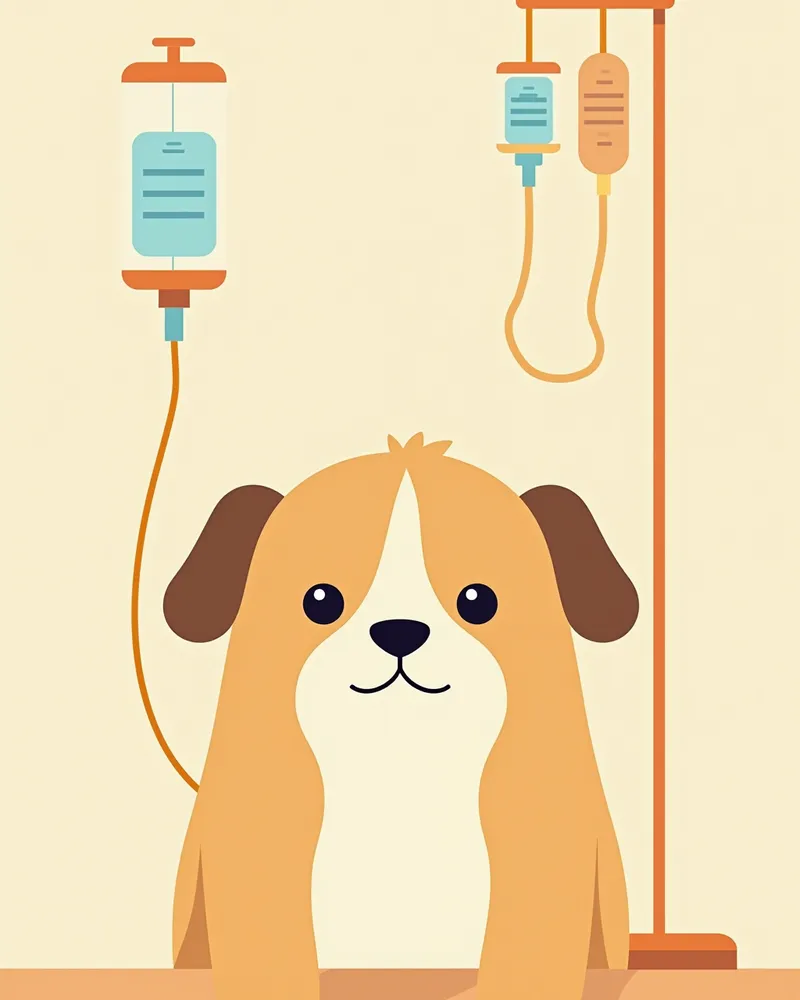
The treatment for jaundice varies depending on the underlying cause. - Hepatitis: Anti-inflammatory medications and hepatoprotective agents are administered to support liver recovery, alongside dietary management. - Biliary obstruction: Surgery may be performed to relieve the blockage, or stent placement may be considered. - Hemolytic jaundice: The underlying cause is addressed, and in severe cases, blood transfusions are used to restore red blood cell counts. Dietary management is an important adjunctive therapy, with a low-fat, low-sodium diet provided to reduce the burden on the liver. Consistent care is key to preventing recurrence.
A puppy receiving an intravenous injection and medication.

Home Care Requires Dietary Management, Medication Compliance, and Regular Check-ups

Even after jaundice has resolved, consistent care is essential. Provide a low-fat, low-sodium diet to minimize stress on the liver, and ensure your pet takes all medications exactly as prescribed by your veterinarian. Additionally, monitor recovery progress with liver function tests every one to two months.
Low-fat diet: Regulate fat intake to reduce the burden on the liver.
Regular medication: Administer liver protectants or anti-inflammatory drugs consistently without missing doses.
Follow-up blood tests: Continuously monitor liver enzyme levels.
Minimize stress: Avoid environmental changes and excessive exercise.
Examples of low-fat meals for supporting your dog’s liver health

Golden Retrievers and Labrador Retrievers Are Susceptible to Liver Disease, So Caution Is Needed

Jaundice in dogs can result from several causes, including excessive red blood cell destruction (hemolysis), liver dysfunction, or bile duct obstruction. While it’s difficult to definitively say that certain breeds are more susceptible to liver disease, jaundice can be a sign of a serious, life-threatening condition. If you notice a yellowish tint in your dog’s eyes, mucous membranes, or skin, it’s important not to delay—prompt veterinary care and regular check-ups are essential to identify the underlying cause.

Reviewed by a veterinarian

Dr. Tony — Punnawat Phongkittirak

Dr. Tony — Punnawat Phongkittirak

Veterinarian

A veterinarian who majored in veterinary medicine at Khon Kaen University, Thailand, and completed the IVSA program at North Carolina State University in the United States. Drawing on clinical experience at animal hospitals, he works in the pet healthcare field and is dedicated to building a digital care environment that connects pet parents with veterinarians.

Frequently Asked Questions

Can jaundice be treated?
Treatment options depend on the underlying cause. Hepatitis and biliary obstruction can often improve with medication or surgery, whereas malignant tumors may be more difficult to treat.
Should I take my pet to the vet right away if jaundice appears?
Yes, jaundice can be a sign of several serious conditions. If it is accompanied by lethargy, vomiting, or abdominal pain, immediate veterinary care is necessary.
How should I adjust my pet’s diet?
It is best to provide a low-fat, low-sodium diet that is gentle on the liver and to use a special prescription diet recommended by your veterinarian.
Can jaundice recur?
Yes, if the underlying cause isn’t addressed or if it’s a chronic condition, the issue can recur. Regular check-ups and ongoing care are essential.
Are jaundice and liver cancer the same thing?
No, jaundice is a symptom, and liver cancer is just one of the possible causes. While liver cancer can lead to jaundice, it can also result from various other conditions.

Share

Related Guides

References

[1] Liptak, J.M. and L.J. Forrest. 2013. 21 – soft tissue sarcomas. In Withrow and MacEwen’s Small Animal Clinical Oncology, 5th edition. R.L. Page, S.J. Withrow, and D.M. Vail, editors. St. Louis: W.B. Saunders.

[2] Guy, M.K., Page, R.L., Jensen, W.A., et al. (2015) The Golden Retriever lifetime study: Establishing an observational cohort study with translational relevance for human health. Philosophical Transactions of the Royal Society of London. Series B, Biological Sciences 370. https://doi.org/10.1098/rstb.2014.0230

[3] Preziosi, R., et al. (1995). Prognostic factors in canine lymphoma. Veterinary and Comparative Oncology, 13(2), 105–112.

This information is based on veterinary literature and does not replace diagnosis or treatment. Please consult a veterinarian for specific health concerns.

Metapet Co., Ltd. | CEO: Park Sung-yong | Business Reg. No. 417-88-02562 | Seoul, South Korea | Customer Center

Yellow Eyes and Gums in Dogs: Causes of Jaundice and When to See a Vet | Meongsiljang