Like
Share
멍실장
강아지 간 보호제(SAMe·밀크시슬) 증상과 원인, 진단·치료와 관리 포인트 총정리

SAMe vs. Milk Thistle for Dog Liver Protectants — Which Is Right for Your Pet?

Liver HealthDiseasesMeongsiljang Veterinary Advisory Board

SAMe and milk thistle are supplements that help prevent liver damage and support recovery in dogs. However, improper use can lead to side effects, so caution is necessary.

What Are Dog Liver Protectants (SAMe and Milk Thistle)?
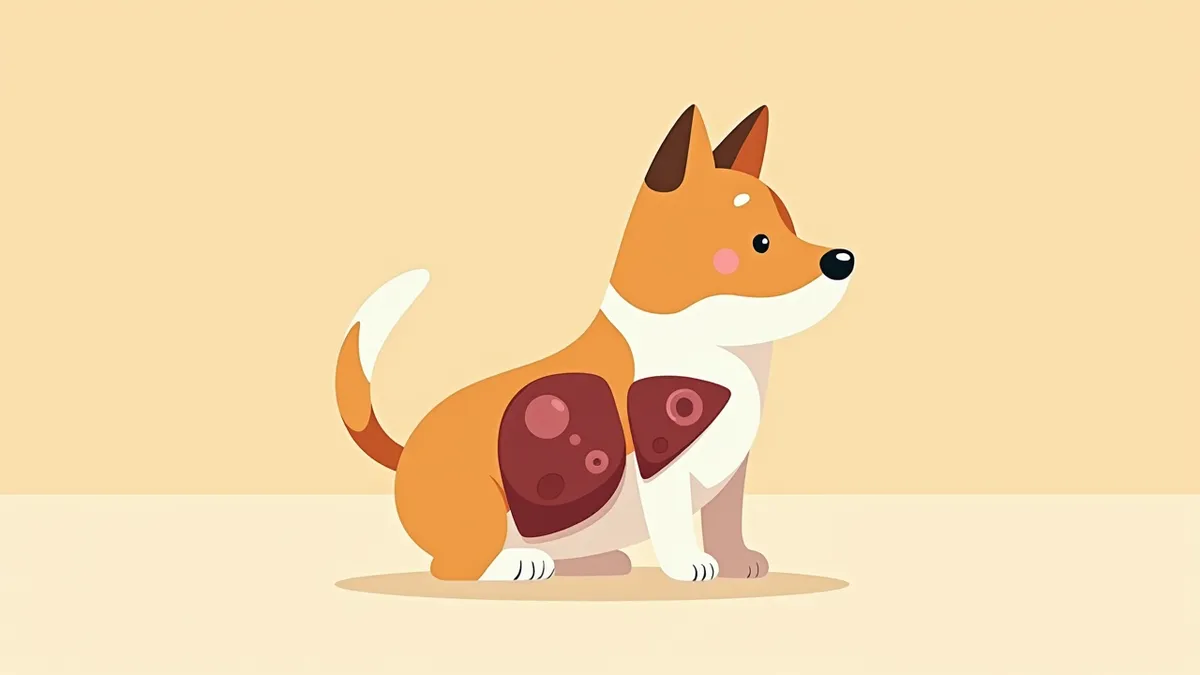
How liver protectants work for dogs
Dog liver protectants are supplements that help prevent and support recovery from liver damage, primarily containing SAMe and milk thistle. SAMe (S-adenosylmethionine): As a precursor to glutathione, an antioxidant, it helps boost the antioxidant capacity of liver cells and stabilize cell membrane function. Milk thistle (silymarin/silybin): Used as a liver-protective supplement, it has low oral bioavailability on its own, but absorption significantly improves when formulated with phosphatidylcholine. Although both ingredients are naturally derived, caution is necessary when administering them. Always follow the exact dosage prescribed by your veterinarian and avoid arbitrary overdosing. If liver dysfunction is suspected, a veterinary examination must be conducted first to determine whether supplementation is appropriate.

Main Causes and Pathogenesis of Liver Protectant Use
Liver protectants for dogs are used when there is a risk of impaired liver function. - Drug toxicity: Certain antibiotics (e.g., tetracycline), pain relievers (e.g., carprofen), and phenobarbital can place stress on the liver. - Exposure to toxic substances: Household plants (e.g., sago palm), foods (e.g., xylitol, onions), mushroom toxins (Amanita species), and aflatoxins can cause liver damage. - Chronic liver disease: Conditions such as chronic hepatitis and fatty liver disease gradually reduce liver function. - Genetic predisposition: Some breeds may be prone to liver diseases, such as hereditary copper accumulation. SAMe and milk thistle help mitigate damage caused by these factors and support recovery.
Analysis of the causes of liver function decline

Main Symptoms and Warning Signs

The symptoms that may appear while your dog is taking a liver protectant can vary. Most are side effects, but they can also indicate changes in liver function. It’s important to recognize warning signs early.
Decreased appetite: A decline in liver function can reduce interest in food.
Repeated vomiting: This may occur due to stomach irritation or abnormal liver function.
Jaundice: The eyes or lips may turn yellow.
Increased fatigue: Your dog may seem lethargic and sleepy throughout the day.
Changes in urine color: Urine may become dark yellow or brown.
If any of these symptoms persist, consult your veterinarian immediately.
Possible symptoms when administering liver protectants to dogs

Situations Requiring Immediate Veterinary Visit

If jaundice worsens, or if your pet experiences persistent vomiting, decreased consciousness, or a tendency to bleed, seek veterinary care immediately. These are signs of a rapid decline in liver function. A veterinarian needs to take urgent action, as delays in treatment can be life-threatening.

Diagnostic Methods and Examination Procedures
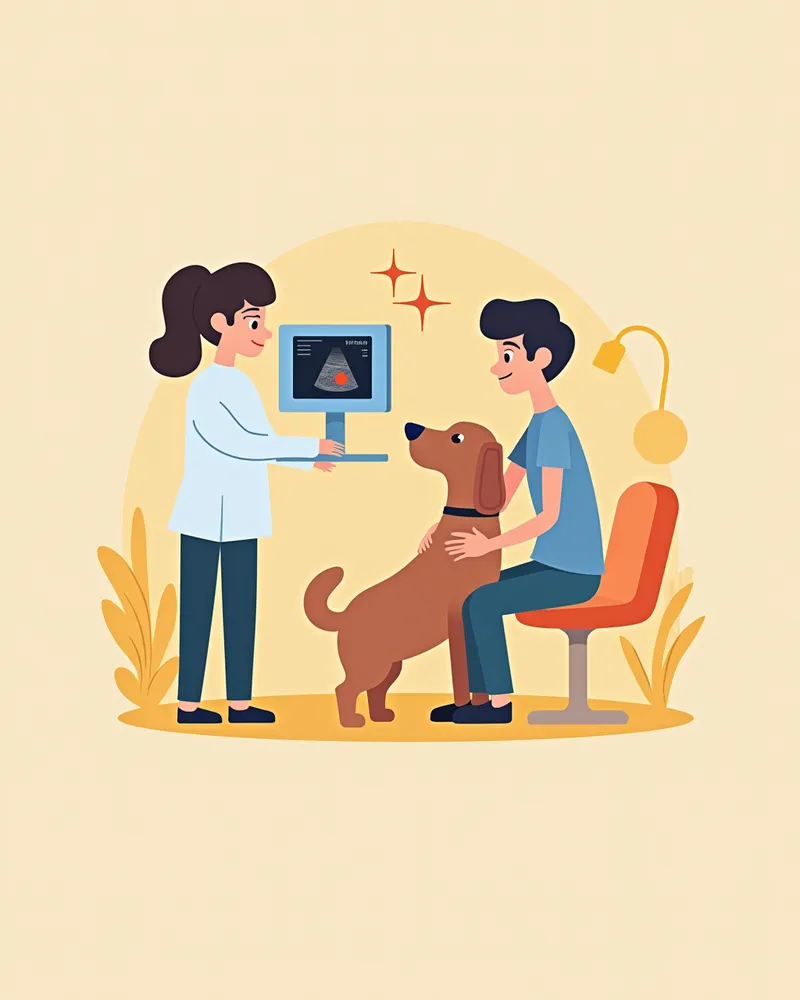
To determine whether your dog is experiencing side effects from a liver protectant, an accurate diagnosis is essential. - Blood tests: Measure liver enzyme levels (ALT, AST, ALP) to assess liver function. - Ultrasound: Visually examine the liver for changes in size, texture, and structure. - Biopsy: If severe abnormalities are suspected, a sample of liver tissue is collected for detailed analysis. Your veterinarian will compare test results before and after administration to evaluate the efficacy and potential side effects of the protectant. Regular check-ups are key to maintaining your dog’s liver health.
The process of a liver function test for dogs

Treatment Methods and Step-by-Step Management
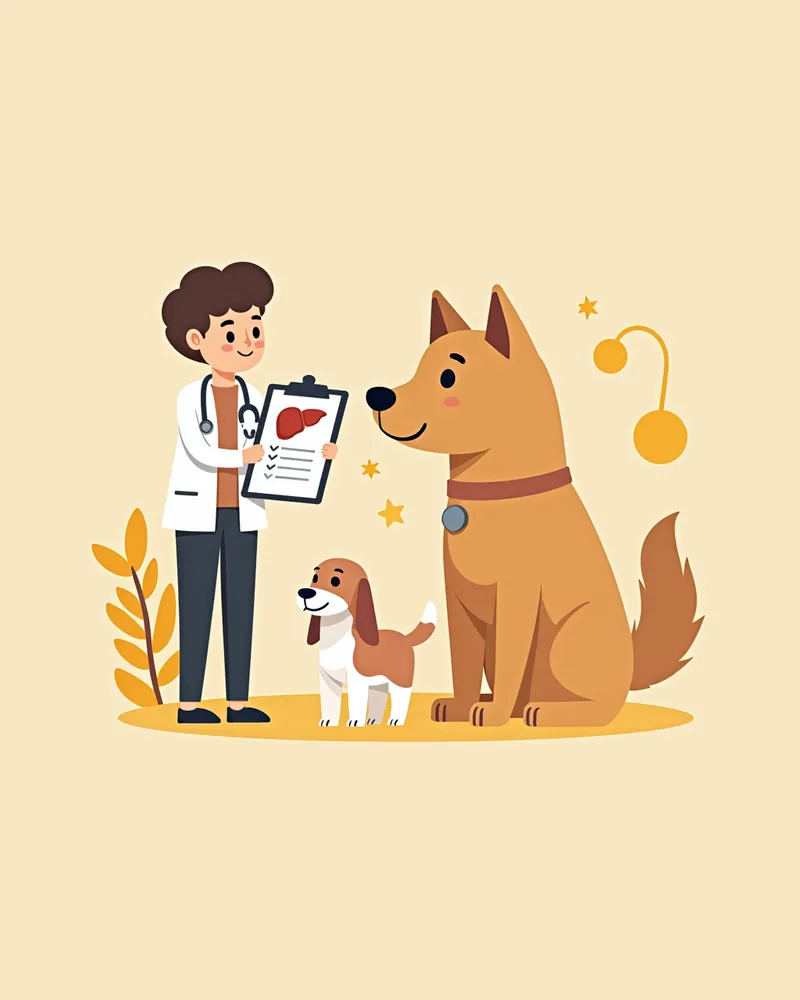
If you notice any side effects while your pet is taking a liver protectant, stop the medication immediately and consult your veterinarian. - Symptom Assessment: Vomiting, diarrhea, and loss of appetite may signal side effects. - Dosage Adjustment: Your veterinarian may reduce the dose or discontinue the medication. - Alternative Options: Your vet may recommend switching to a supplement with different ingredients. - Supportive Care: Nutritional supplements and anti-inflammatory medications may be used alongside the primary treatment. Regular check-ups are essential for monitoring your pet’s condition, as early detection is key.
Treatment and care while taking liver protectants

Home Care and Management Points

While your dog is taking a liver protectant, adjusting their daily routine and diet is essential. - Dietary Management: Provide high-quality protein in moderate amounts, and ensure adequate carbohydrates and fats to reduce protein breakdown and ammonia production. If hepatic encephalopathy is suspected, implement a protein-restricted diet. - Adherence to Schedule: Administer the medication at the same times each day, such as morning and evening. - Minimize Stress: Avoid excessive exercise and sudden environmental changes. - Record Keeping: If side effects occur, record the time, symptoms, and dosage, and share this information with your veterinarian. - Regular Check-ups: Monitor liver function through blood tests at intervals recommended by your veterinarian.
Home care when giving your dog liver protectants

Breed-Specific Precautions and Prevention of Recurrence

Certain breeds are genetically more susceptible to liver disease. For example, breeds predisposed to hereditary copper accumulation, or small breeds prone to congenital portosystemic shunts (PSS)—such as Lhasa Apsos, Shih Tzus, Miniature Schnauzers, Pugs, and Terriers—may have a relatively higher risk of liver dysfunction. Owners of these breeds should exercise caution when administering liver protectants and ensure regular check-ups to monitor their pet’s condition. To help prevent recurrence, maintain healthy dietary habits and make positive lifestyle adjustments.

Reviewed by a veterinarian

Dr. Tony — Punnawat Phongkittirak

Dr. Tony — Punnawat Phongkittirak

Veterinarian

A veterinarian who majored in veterinary medicine at Khon Kaen University, Thailand, and completed the IVSA program at North Carolina State University in the United States. Drawing on clinical experience at animal hospitals, he works in the pet healthcare field and is dedicated to building a digital care environment that connects pet parents with veterinarians.

Frequently Asked Questions

When should I give my dog a liver supplement?
A veterinarian will prescribe this medication when they determine that your pet has impaired liver function or is at risk of liver disease. It is typically used for pets with chronic liver conditions, those undergoing medication that may affect the liver, or when liver function tests show abnormal results.
What’s the difference between SAMe and milk thistle?
SAMe serves as a precursor to glutathione, helping to support antioxidant activity and stabilize cell membranes, while milk thistle (silymarin) is used as a supplement to protect the liver. These two ingredients work synergistically to support liver health.
Can I give my pet other medications while they’re taking a liver protectant?
This medication may interact with other drugs, so please consult your veterinarian before administering it. Since medications metabolized by the liver can affect one another, be sure to inform your vet about any current medications your pet is taking.
What should I do if my pet experiences side effects?
If symptoms such as loss of appetite, vomiting, or lethargy persist, stop administering the medication immediately and consult your veterinarian. Keeping a record of any side effects can help with diagnosis.
Is it safe to take liver protectants long-term?
It can be taken long-term under a veterinarian’s guidance. Regular check-ups to monitor liver function are necessary to adjust whether or not to continue the medication.

Comparison of SAMe, Milk Thistle, and Combination Products

ItemSAMeMilk ThistleCombination product (e.g., Denamarin®)
Main actionAntioxidant and promotes cell regenerationProtects cell membranes and promotes detoxificationCombined effect of both ingredients
Recommended dose17–20 mg/kg once daily20–50 mg/kg once dailyPer manufacturer's instructions according to body weight
Potential side effectsLow (including digestive discomfort)LowLow
When to useReduced liver function, during drug therapyPrevention of liver damage, support of regenerationWhen comprehensive liver protection is needed

A combination product contains both SAMe and milk thistle and is effective for liver protection.

Share

Related Guides

References

[1] Blackwell's Five-Minute Veterinary Consult Clinical Companion, Small Animal Toxicology, 3rd Edition

[2] Clinical Medicine of the Dog and Cat, 4th Ed

[3] The Cat, Clinical Medicine and Management, 2nd Edition

This information is based on veterinary literature and does not replace diagnosis or treatment. Please consult a veterinarian for specific health concerns.

Metapet Co., Ltd. | CEO: Park Sung-yong | Business Reg. No. 417-88-02562 | Seoul, South Korea | Customer Center

SAMe vs. Milk Thistle: Best Liver Protectant for Your Dog? | Meongsiljang