
Canine Cholecystitis and Gallbladder Disease: Symptoms, Causes, Diagnosis, Treatment, and Management Essentials
Canine cholecystitis is a condition in which inflammation of the gallbladder leads to loss of appetite, vomiting, and abdominal pain. Early diagnosis and appropriate management are essential.
Canine Cholecystitis is a Disease Caused by Inflammation of the Gallbladder
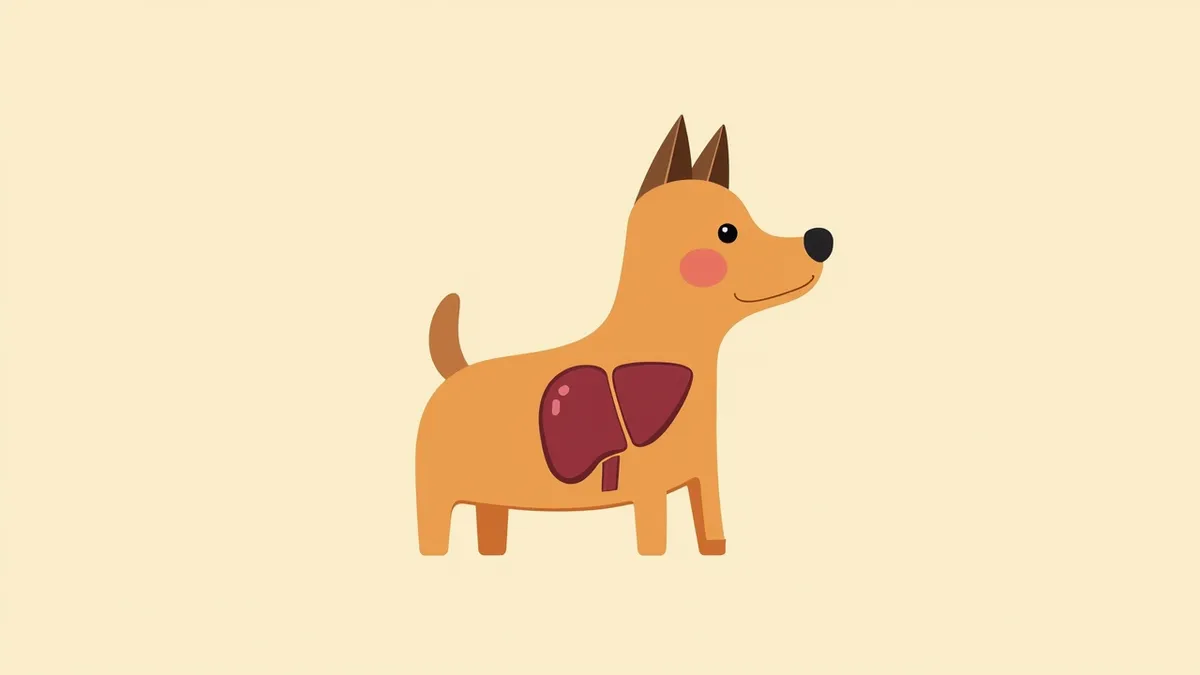
The Main Causes of Cholecystitis are Gallstones, Infection, and Obesity
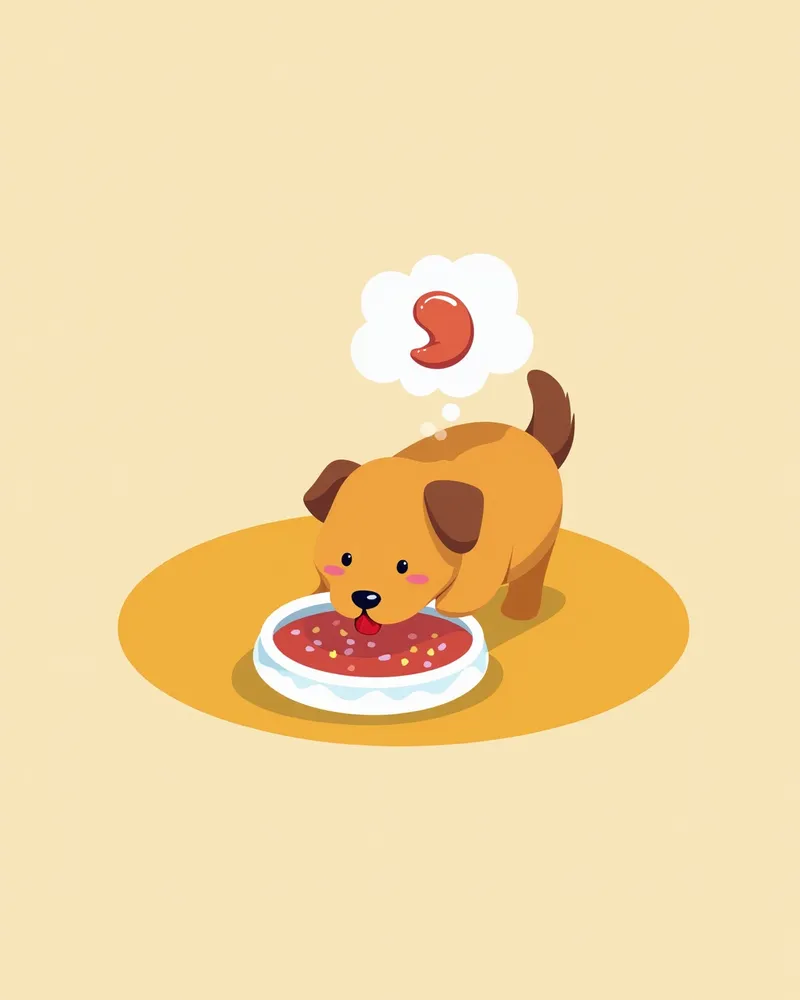
Main Symptoms Include Vomiting, Loss of Appetite, and Abdominal Pain
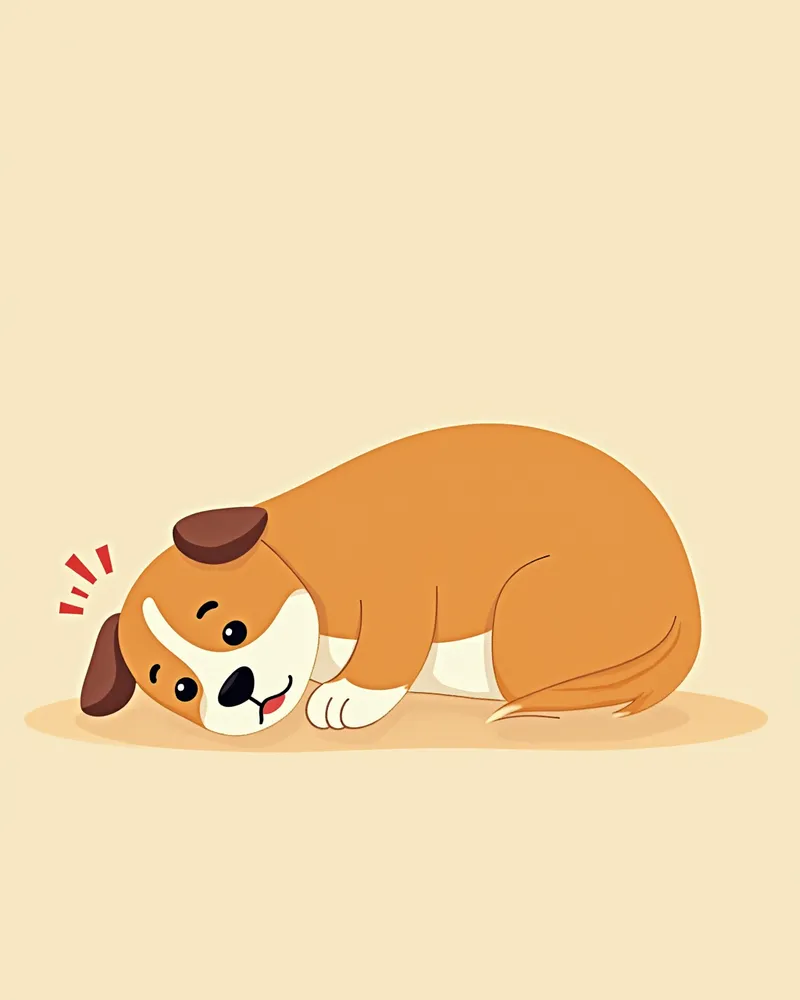
Symptoms Requiring Immediate Veterinary Visit
If your dog shows severe abdominal pain, has repeated vomiting, or has no appetite at all, you should take them to the vet right away. As cholecystitis progresses, there is a risk of gallbladder rupture. If an ultrasound shows a defect in the gallbladder wall or echogenic fluid in the abdominal cavity, it may indicate a rupture. Additionally, if your dog develops jaundice (yellowing of the eyes and gums) or a fever, it could be an emergency. In such cases, the vet needs to start diagnosis and treatment immediately.
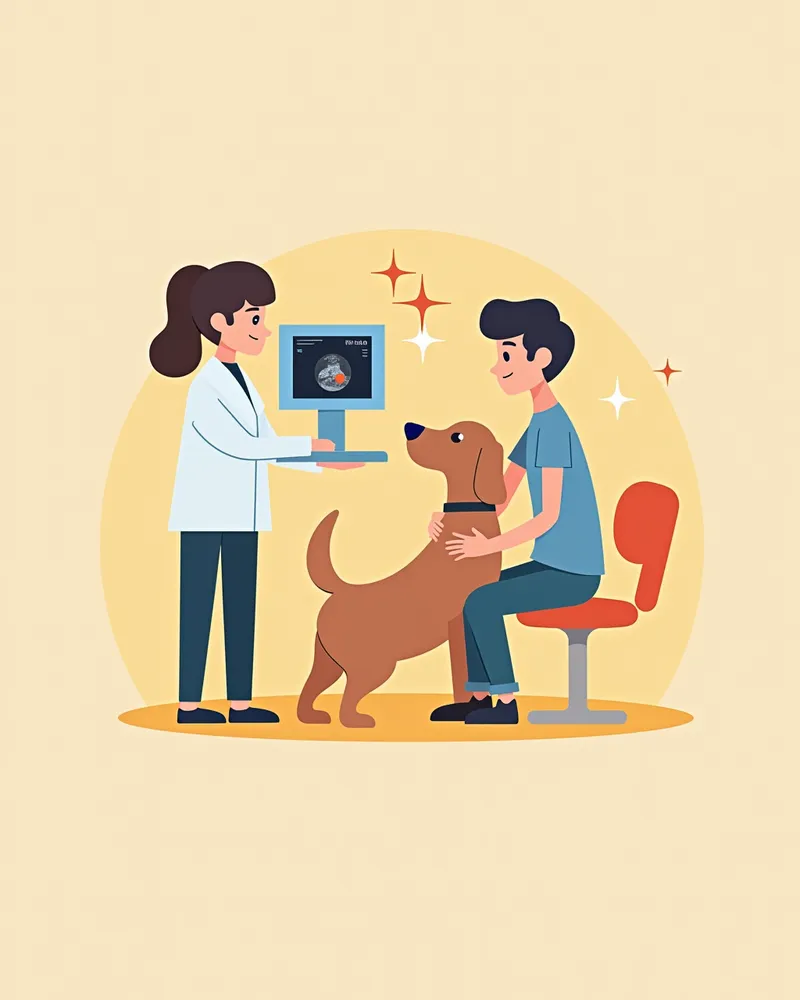
Diagnosis is Performed via Ultrasound and Blood Tests
Treatment is Conducted in Stages with Medication, Dietary Management, and Surgery
Home Management Centers on Dietary Control and Regular Check-ups
Preventing Recurrence and Breed Precautions
Cholecystitis carries a guarded prognosis due to the risks of antibiotic resistance and recurrent infection, so vigilance against relapse is essential even after treatment. Persistent or recurring infections can lead to gallbladder rupture or hepatic fibrosis. Therefore, it is important to establish a regular check-up schedule with your veterinarian and consistently monitor clinical signs and liver enzyme levels. The most effective management strategy is to complete the full course of prescribed medication and seek veterinary care immediately if any abnormal symptoms appear.
Reviewed by a veterinarian

Dr. Tony — Punnawat Phongkittirak
VeterinarianA veterinarian who majored in veterinary medicine at Khon Kaen University, Thailand, and completed the IVSA program at North Carolina State University in the United States. Drawing on clinical experience at animal hospitals, he works in the pet healthcare field and is dedicated to building a digital care environment that connects pet parents with veterinarians.
Reviewed 2026-06-07
Frequently Asked Questions
Can a dog's cholecystitis be treated?
Can cholecystitis recur?
Which dogs are more commonly affected by cholecystitis?
If vomiting continues after meals, could it be cholecystitis?
How long does the recovery period take after gallbladder inflammation surgery?
Share
Related Guides
7 Key Symptoms and Management Essentials for Canine Cholecystitis Recommended by Veterinarians
Top 5 Milk Thistle (Silymarin) Liver Supplements for Dogs — A Comparison Guide Based on Silybin Content and Absorption Rates
Top Prescription Diets for Dogs with Liver Disease and Selection Criteria

Comprehensive Guide to Health Management, Symptoms, Causes, Diagnosis, Treatment, and Care Points for Dogs During Travel and Transport
Comprehensive Guide to Monitoring Side Effects After Cat Vaccination: Symptoms, Causes, Diagnosis, Treatment, and Management
Dog Scabies (Sarcoptic Mange): Symptoms, Causes, Diagnosis, Treatment, and Care Essentials

Cat Tongue and Lip Lesions — Causes, Symptoms, Diagnosis, and Treatment
If Your Dog’s Cough Won’t Stop — Symptoms, Diagnosis, and Treatment Key Points for Lung Cancer and Lung Metastasis
Comprehensive Guide to Post-Splenectomy Care in Dogs: Symptoms, Causes, Diagnosis, Treatment, and Management Points

Feline Fibrosarcoma: A Comprehensive Guide to Oncology, Symptoms, Causes, Diagnosis, Treatment, and Management
References
[1] Plumb's Veterinary Drug Handbook, 9th Edition, 2022. Wiley-Blackwell.
[2] Ettinger, S.J. & Feldman, E.C. (2021). Textbook of Veterinary Internal Medicine, 9th Edition. Elsevier.