
Like
Share
멍실장
고양이 광견병 예방접종 증상과 원인, 진단·치료와 관리 포인트 총정리

Complete Guide to Feline Rabies Vaccination: Symptoms, Causes, Diagnosis, Treatment, and Management

Lifestyle & Age CareDiseasesMeongsiljang Veterinary Advisory Board

Rabies vaccination is essential for protecting your cat's life. It significantly reduces the risk of infection.

Feline Rabies Vaccination is an Essential Measure to Protect Life
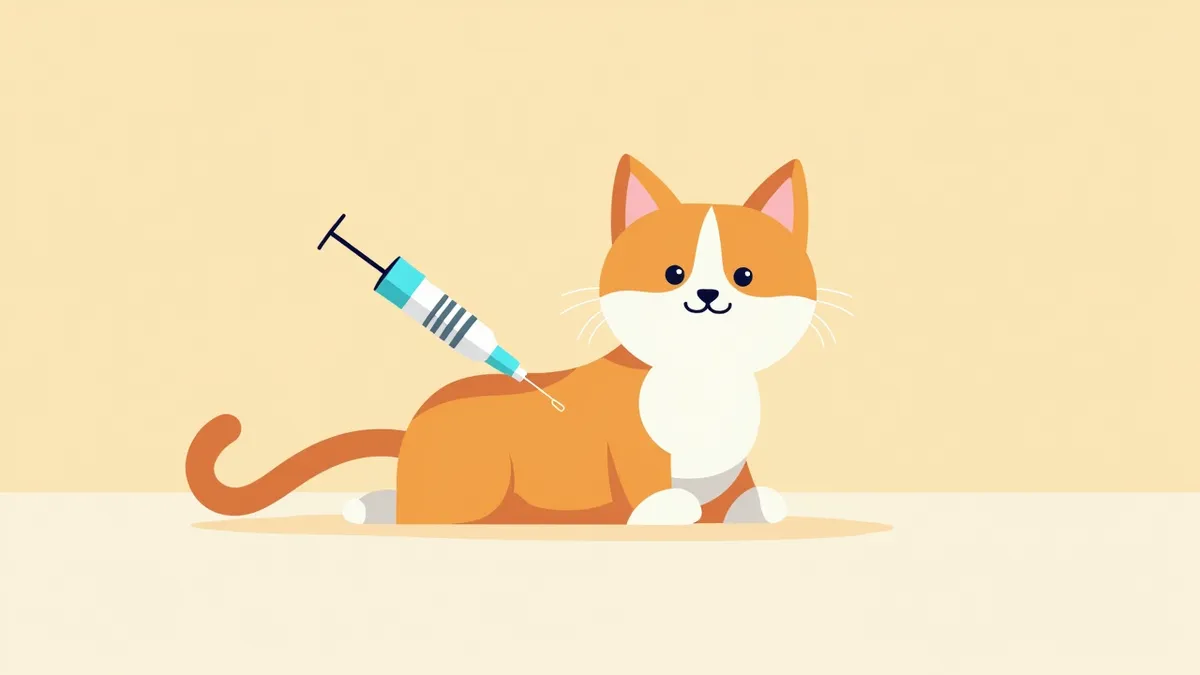
A veterinarian administering a vaccination to a cat
Rabies vaccination is a critical preventive measure to protect cats from rabies virus infection. This vaccine not only safeguards your cat’s health but also ensures the safety of your family and others around you. Rabies is a fatal disease that attacks the nervous system, and once clinical symptoms appear, it is almost invariably fatal with no effective treatment available, making prevention extremely important. - Vaccination: Regular vaccinations help build immunity and significantly reduce the risk of infection. The rabies vaccine is recommended as a core vaccine in endemic areas. - Vaccination Schedule: Begin vaccination at an early age according to the schedule recommended by your veterinarian, followed by booster shots every 1 or 3 years depending on the vaccine used. Whenever possible, use a 3-year duration product to maintain continuous protection.

The Main Cause of Rabies Virus Infection is Animal Bites

Feline rabies is primarily transmitted when the saliva of an infected animal enters the body through a bite wound. Wild carnivores such as raccoons, foxes, and skunks, as well as bats, are the main sources of transmission. The risk of infection arises if your cat is bitten by these animals while outdoors or if a bat enters your home. Although transmission can also occur through scratches or contact with mucous membranes, this is rare. - Infection pathway: The virus travels retrograde along the nerves at the bite site to reach the brain, causing severe damage. - Key to prevention: Since there are few effective treatments after infection, vaccination is the most effective preventive measure. - Risk factor management: Use a leash or a secure carrier when your cat goes outside, and minimize contact with wildlife such as bats.
A cat near a window with a bat

Early Symptoms of Rabies Are Often Easily Overlooked

In the early stages of rabies in cats, symptoms are often absent or so mild that owners may easily overlook them, even while the cat is infected and shedding the virus. During this phase, you might notice only a decreased appetite, lethargy, or subtle changes in behavior. As the disease progresses, neurological signs such as anxiety, increased aggression, confusion, difficulty swallowing, ataxia, paralysis, and seizures can develop, ultimately leading to coma and respiratory paralysis. Any cat exhibiting unexplained neurological or behavioral changes should be suspected of having rabies. Because the appearance of symptoms indicates severe damage to the brain and nervous system, early prevention is absolutely critical.
A cat refusing to drink water

Symptoms Requiring Immediate Veterinary Visit

If your cat suddenly becomes aggressive, drools excessively, has difficulty swallowing, or shows neurological symptoms such as ataxia or seizures, you should take them to the vet immediately. Rabies is a disease with almost no effective treatment after infection, and once clinical symptoms appear, it is almost invariably fatal. Therefore, it is crucial to contact a veterinarian right away if you suspect any symptoms. If the owner is bitten or exposed to saliva while handling the cat, there is also a risk to humans, so it is important to safely isolate the cat and promptly contact a veterinarian.

Diagnosis Is Confirmed Through Symptoms and Veterinary Tests

Rabies is difficult to diagnose accurately while the animal is still alive because its early symptoms resemble those of other diseases. - Brain tissue examination: This is the most accurate method for confirming infection, but it can only be performed post-mortem (via necropsy). Currently, a definitive diagnosis of rabies is only possible through post-mortem brain tissue examination. - Limitations of ante-mortem testing: Tests to definitively diagnose rabies in living animals are not recommended, and a negative saliva test does not rule out rabies. - Clinical symptom analysis: If neurological symptoms such as restlessness, aggression, difficulty swallowing, or seizures appear, immediate veterinary care is required. - Veterinary assessment: The veterinarian evaluates the case by comprehensively considering the symptoms along with risk factors such as vaccination status and potential exposure. - Prevention first: Because both diagnosis and treatment are challenging, vaccination is the most practical approach.
A scene of a veterinarian examining a cat

Treatment Is Nearly Impossible, and Prevention Is the Only Method

There are currently very few effective treatments for cats infected with rabies. Once clinical symptoms appear, the condition deteriorates rapidly and is almost invariably fatal, making prevention far more critical than treatment. - Vaccination: The most effective approach is to vaccinate your cat before any exposure occurs. - Isolation protocols: Cats suspected of infection must be isolated immediately, and quarantine measures should be implemented in consultation with a veterinarian. Humans who have been bitten or exposed to saliva should wash the wound thoroughly right away and seek medical attention. - Vaccine safety: The rabies vaccine is highly safe and effective, and it is strongly recommended as an essential vaccine in endemic areas. - The value of prevention: Vaccination is a vital choice that protects your pet’s life and prevents transmission to humans, so regular boosters should never be neglected.
A cat resting in a safe environment

Home Management and Prevention Points

Rabies vaccinations for cats should be administered regularly. The rabies vaccine is recommended as a core vaccine in endemic areas, so begin vaccinations at a young age according to your veterinarian’s schedule, followed by booster shots every one or three years depending on the vaccine used. Whenever possible, opt for a three-year duration product. - Precautions when going outside: Use a leash or a secure carrier, and avoid contact with wildlife such as bats. - Indoor management: Secure windows and doors to prevent entry by outdoor animals. Even indoor cats can be infected by bats, so vaccination is necessary. - Maintain cleanliness: Keep your home clean at all times and regularly monitor your cat’s health. - Manage vaccination records: Keep accurate records of vaccination schedules to ensure no doses are missed.
A cat wearing a collar with a vaccination tag

Breed-Specific Precautions and Prevention of Recurrence

Rabies vaccinations for cats should be administered on a regular schedule. Because the rabies vaccine is considered a core vaccine in endemic areas, start vaccinations at a young age according to your veterinarian’s recommended schedule, followed by booster shots every one or three years depending on the vaccine used. Whenever possible, opt for a three-year duration product. - Precautions when going outside: Use a leash or a secure carrier, and avoid contact with wild animals such as bats. - Indoor management: Secure windows and doors to prevent entry by outdoor animals. Even indoor cats can be infected by bats, so vaccinations must not be skipped. - Maintain cleanliness: Keep your home clean at all times and regularly monitor your cat’s health. - Manage vaccination records: Keep accurate records of vaccination dates and ensure no doses are missed.

Reviewed by a veterinarian

Dr. Tony — Punnawat Phongkittirak

Dr. Tony — Punnawat Phongkittirak

Veterinarian

A veterinarian who majored in veterinary medicine at Khon Kaen University, Thailand, and completed the IVSA program at North Carolina State University in the United States. Drawing on clinical experience at animal hospitals, he works in the pet healthcare field and is dedicated to building a digital care environment that connects pet parents with veterinarians.

Frequently Asked Questions

When should kittens start receiving rabies vaccinations?
The first vaccination should begin at a young age, following the schedule recommended by your veterinarian. After that, booster shots are given every one or three years, depending on the vaccine used. Whenever possible, opt for vaccines with three-year protection, and consult your vet to determine the exact schedule.
What side effects can occur after a rabies vaccination?
Mild reactions such as pain or swelling at the injection site, temporary fever, or lethargy may occur. Although severe reactions are rare, please closely monitor your cat for about a day after vaccination and consult your veterinarian if you notice any abnormalities.
My cat goes outside often. Is rabies vaccination really necessary?
Yes, rabies vaccination is especially important for cats that go outdoors. Because they have more opportunities to come into contact with other animals, their risk of infection through bites is higher. In addition, even indoor cats can be exposed to rabies through encounters with bats, so vaccination is an essential measure to protect both cats and people.
What problems can occur if a rabies vaccination is not administered?
Once infected, there are very few effective treatments, and the disease is almost invariably fatal, making it extremely dangerous. Additionally, in some regions, vaccination is legally mandatory, and failure to comply can result in penalties.
Does the rabies vaccination provide lifelong immunity?
Vaccine protection lasts either one or three years, depending on the product used, after which a booster shot is needed. Since the duration of immunity varies by vaccine, please consult your veterinarian to maintain an appropriate vaccination schedule.

Share

Related Guides

References

This information is based on veterinary literature and does not replace diagnosis or treatment. Please consult a veterinarian for specific health concerns.

Metapet Co., Ltd. | CEO: Park Sung-yong | Business Reg. No. 417-88-02562 | Seoul, South Korea | Customer Center

Feline Rabies Vaccination: Causes, Symptoms & Management | Meongsiljang