

Cat Teeth Are Rough and Yellow — Causes of Enamel Hypoplasia and Treatment & Management Points
Feline enamel hypoplasia is a genetic condition in which the enamel fails to develop properly before birth, leaving the teeth weak and prone to cavities. Early detection and management are essential.
Feline Enamel Hypoplasia Is a Genetic Condition in Which the Tooth Protective Layer Fails to Form Properly

The Main Causes of Enamel Hypoplasia Are Genetic Mutations and Fetal Developmental Abnormalities
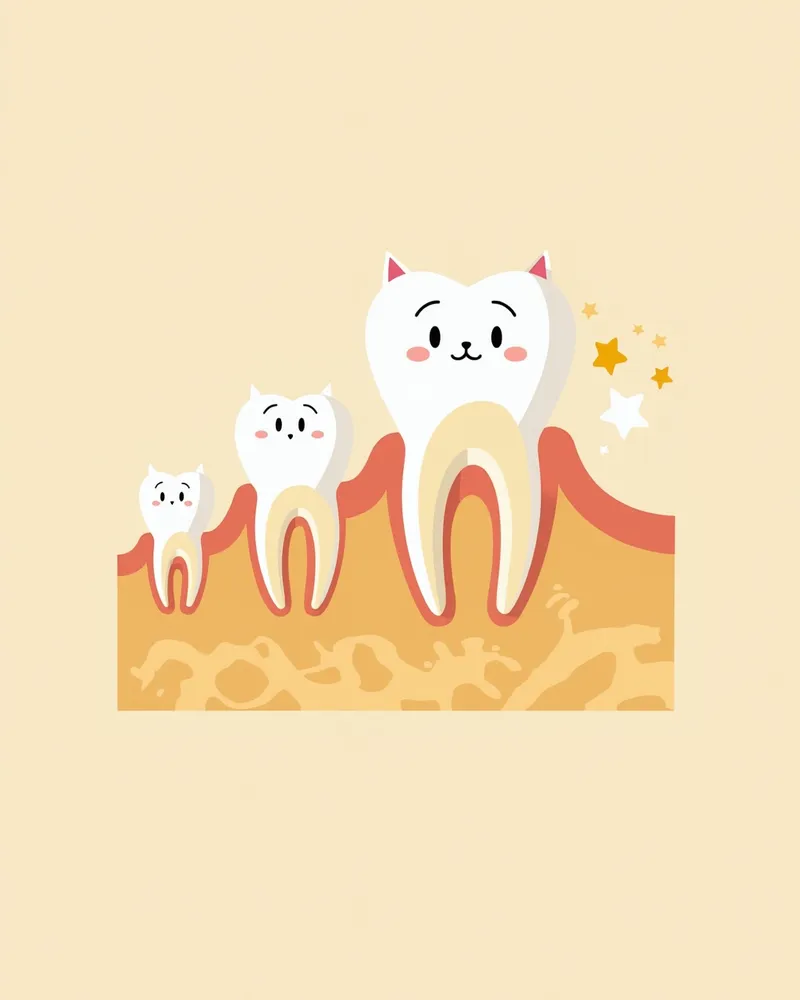
Main Symptoms Include Tooth Discoloration, Surface Defects, and Pain Response

Symptoms Requiring Immediate Veterinary Visit
If your pet’s tooth is chipped or bleeding from the mouth, if they refuse to eat, drool food, or chew on only one side, or if their bad breath has worsened, it’s best to consult your veterinarian. These signs may indicate oral disease or pain, so prompt evaluation and treatment are important.
Diagnosis Is Made Through Dental Examination and Radiography
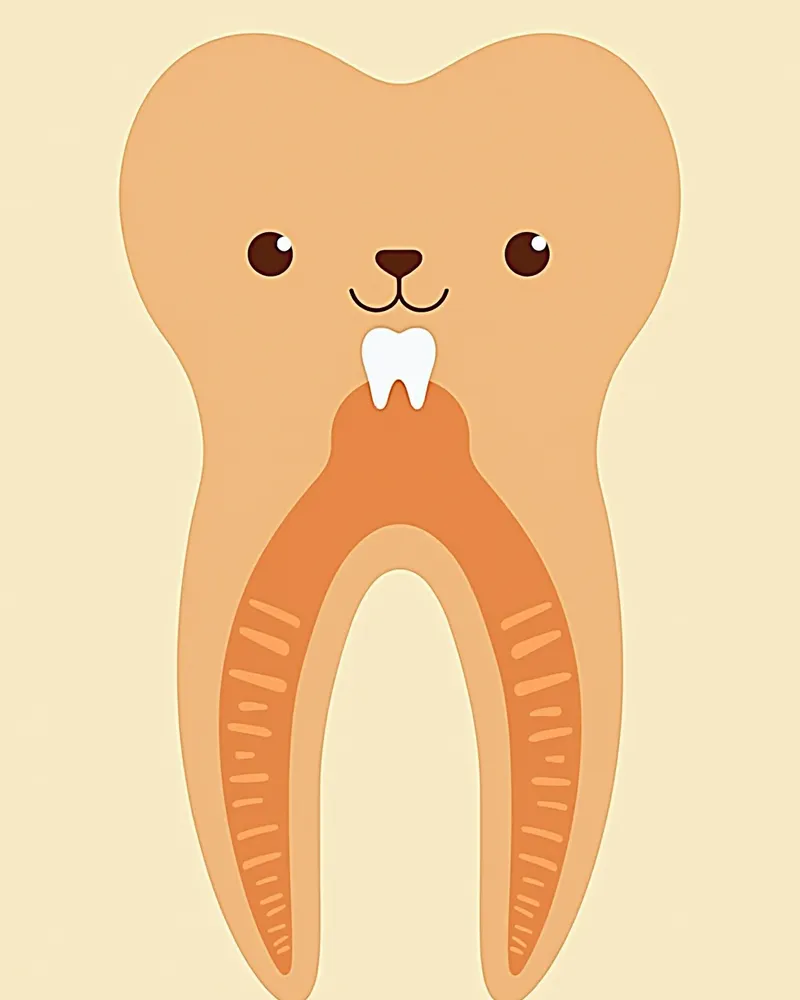
Treatment Includes Tooth Protection, Pain Management, and Surgery When Necessary

At-Home Management Centers on Tooth Cleaning and Dietary Control

Certain Breeds Are More Susceptible to Enamel Hypoplasia
Enamel hypoplasia is a developmental anomaly that occurs during tooth formation. Although it is often thought to be more common in certain breeds, such as Persians, there is insufficient evidence to confirm this, so it’s difficult to make a definitive claim. It’s important to have a veterinarian perform a thorough oral examination to directly assess your pet’s dental health, both before and after adoption.
Reviewed by a veterinarian

Dr. Tony — Punnawat Phongkittirak
VeterinarianA veterinarian who majored in veterinary medicine at Khon Kaen University, Thailand, and completed the IVSA program at North Carolina State University in the United States. Drawing on clinical experience at animal hospitals, he works in the pet healthcare field and is dedicated to building a digital care environment that connects pet parents with veterinarians.
Reviewed 2026-06-07
Frequently Asked Questions
Can enamel hypoplasia be treated?
Is enamel hypoplasia hereditary?
What type of food is best for a cat with enamel hypoplasia?
Is enamel hypoplasia only seen in young cats?
How much does treatment for enamel hypoplasia cost?
Share
Related Guides

7 Best Cat Dental Chews for Tartar Prevention Recommended by Veterinarians and Selection Criteria

Top 5 Recommended Dental Treats for Dogs in 2026 — VOHC Certification Criteria

7 Criteria for Choosing Dog Tartar Prevention Dental Chews Recommended by Veterinarians

Is Your Dog’s Breed at Risk? — Dog Heart Disease Prone Breeds and Early Signs

If Your Dog’s Heart Is Beating Too Slowly — Causes and Treatment Timing for Bradycardia and Atrioventricular Block
If Your Dog’s Abdomen Is Gradually Swelling — Symptoms of Cardiac Ascites and Paracentesis Treatment

If Your Cat’s Heart Rate Suddenly Increases — Warning Signs of Ventricular Tachycardia and When to Visit the Vet

Is My Cat’s Food Okay? — Warning Signs of Taurine-Deficient Cardiomyopathy and Dietary Management

Complete Guide to Spironolactone for Cats: Efficacy, Dosage, and Side Effects

Comprehensive Guide to Monitoring Cat Respiratory and Heart Rates During Sleep: Symptoms, Causes, Diagnosis, Treatment, and Management
References
[1] The Cat, Clinical Medicine and Management, 2nd Edition, 2020
[2] Buckley RM, Gandolfi B, Creighton EK, et al. Werewolf, there wolf: variants in hairless associated with hypotrichia and roaning in the Lyk. PLoS One. 2021;16(3):e0248765.
[3] de Lucia M, Bauer A, Spycher M, et al. Genetic variant in the NSDHL gene in a cat with multiple congenital lesions resembling inflammatory linear verrucous epidermal nevi. Vet Dermatol. 2019;30(1):64-e18.