Like
Share
멍실장
강아지 간 병증 예후 지표 증상과 원인, 진단·치료와 관리 포인트 총정리

Are Poor Liver Values in Dogs Dangerous? Recovery Potential and Management Through Prognostic Indicators

Liver HealthDiseasesMeongsiljang Veterinary Advisory Board

Prognostic indicators for canine liver disease are essential for monitoring disease progression and treatment response. Early detection and regular check-ups are key to improving survival rates.

Prognostic Indicators for Canine Liver Disease Are Key Criteria for Assessing Disease Progression and Treatment Response
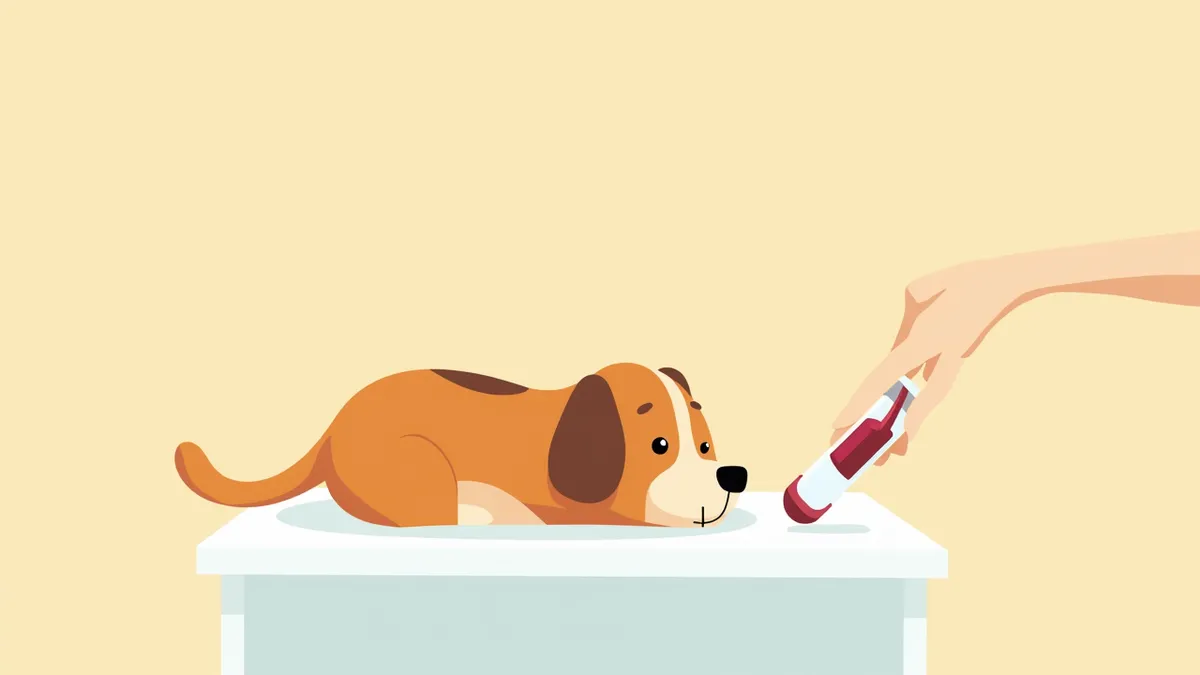
A veterinarian performing a blood test on a puppy.
Prognostic indicators for canine liver disease play a crucial role in assessing the severity of liver damage, the potential for recovery, and the likelihood of survival. - Liver enzyme levels: Markers such as AST, ALT, and ALP reflect hepatocellular injury or cholestasis. However, significantly elevated enzyme levels do not inherently indicate a poor prognosis. - Total bile acid levels: These are essential for evaluating impaired hepatic excretion and function. - Serum albumin levels: This reflects the liver’s protein-synthetic capacity. In cases of acute liver failure, normal albumin levels are a positive sign indicating a higher likelihood of survival. Conversely, hypoproteinemia suggests diminished liver function. - Serum bilirubin levels: Hyperbilirubinemia (jaundice) is consistently reported in various studies as a poor prognostic indicator. These markers should be monitored regularly through blood tests, ultrasound, and biopsy.

The Main Causes of Liver Disease Include Infection, Medications, Genetics, and Metabolic Abnormalities
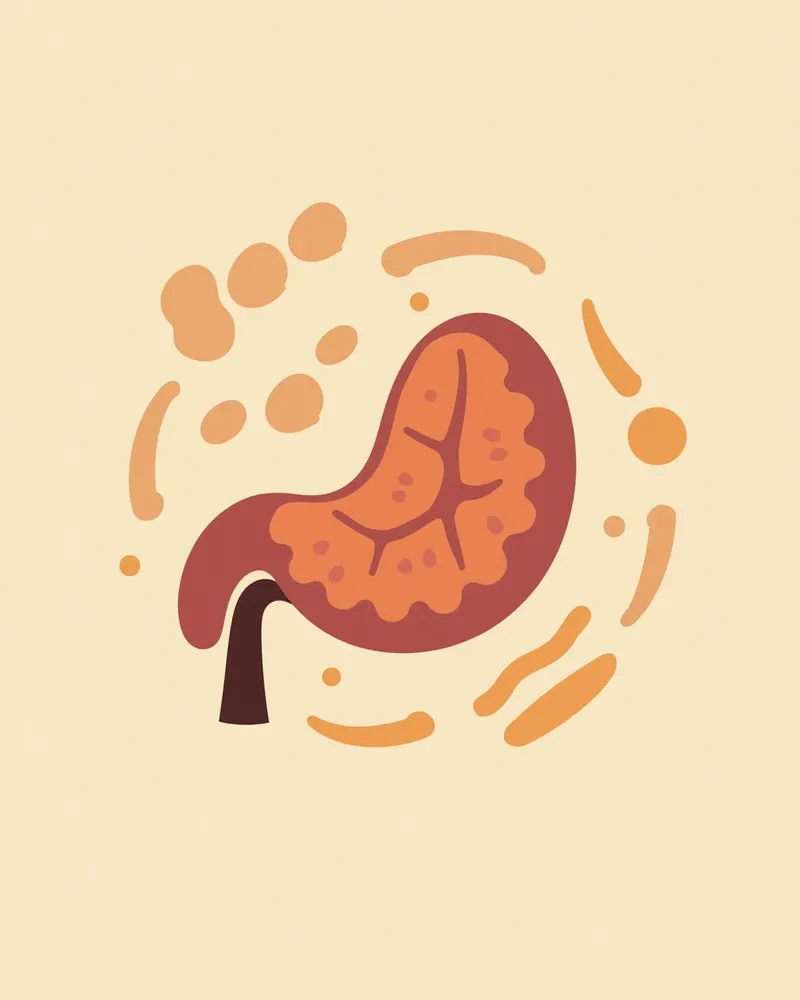
The causes of liver disease in dogs are diverse, including infectious, metabolic, toxic, and immune-mediated conditions. - Drugs and toxins: Certain medications or toxic substances can cause damage to liver cells. - Infectious agents: Infections, such as those caused by viruses, can also lead to liver damage. - Genetic factors: A predisposition to chronic hepatitis has been reported in specific breeds, including Cocker Spaniels, English Springer Spaniels, and Doberman Pinschers. - Metabolic disorders: Copper accumulation-related liver diseases can occur in breeds such as Bedlington Terriers, Labrador Retrievers, and West Highland White Terriers. Identifying these underlying causes is the first step toward effective treatment.
An illustration showing the effects of drugs, toxins, and infections on the liver.

Main Symptoms Include Loss of Appetite, Vomiting, Jaundice, and Abdominal Distension

The main symptoms of liver disease in dogs include loss of appetite, repeated vomiting, jaundice (yellowing of the eyes and skin), abdominal distension, and lethargy. - Loss of appetite: Reduced liver function can cause your dog to refuse food. - Repeated vomiting: When the liver cannot properly remove toxins, it can irritate the stomach. - Jaundice: Bile entering the bloodstream causes the skin and eyes to turn yellow. - Abdominal distension: This can result from fluid retention or liver enlargement due to impaired liver function. If you notice any of these symptoms, consult your veterinarian immediately.
A close-up shot of a dog's face showing signs of jaundice.

Jaundice and Persistent Vomiting Are Emergency Signals Requiring Immediate Veterinary Visit

If jaundice appears or vomiting occurs three or more times a day, there is a high likelihood of severe liver damage. This can lead to liver failure, so it is important to consult with a veterinarian immediately.

Diagnosis Is Made Through Blood Tests, Urinalysis, Ultrasound, and Biopsy

Diagnosing liver disease in dogs begins with blood tests. - Liver enzyme levels: Elevated AST, ALT, and ALP levels suggest hepatocellular damage. - Total bile acid levels: This is a key indicator for assessing the liver’s excretory function. - Abdominal ultrasound: This allows for visual evaluation of the liver’s size, texture, and blood flow. - Tissue biopsy: This is the definitive method for accurately characterizing lesions and identifying the underlying cause. An accurate diagnosis enables the development of a tailored treatment plan.
Abnormal ultrasound images of a dog's liver

Treatment Is Divided Into Cause Elimination, Hepatoprotection, Symptom Relief, and Nutritional Management
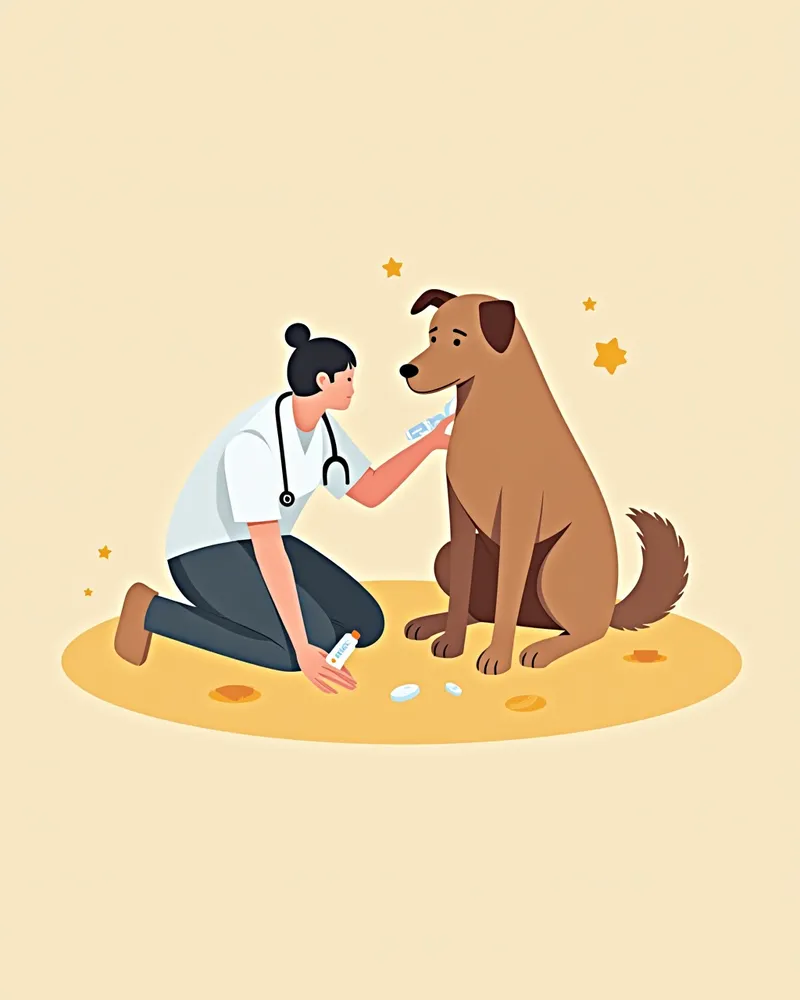
Treating liver disease in dogs focuses on addressing the underlying cause. - Eliminate the cause: If the condition is caused by medications or toxins, immediate discontinuation of the offending substance is essential. - Hepatoprotective and supportive care: Dietary management, lactulose, and antibiotics may be used to manage hepatic encephalopathy and support liver function. In some cases, immunosuppressive therapy may be considered. - Symptom relief: Symptoms such as vomiting and loss of appetite are managed with medications prescribed by a veterinarian. - Nutritional management: Provide adequate energy (carbohydrates and fats) to prevent protein from being broken down for energy, while maintaining appropriate protein intake. Treatment aims not only for short-term symptom relief but also for long-term recovery of liver function.
A veterinarian administering a liver protectant to a puppy.

Home Care Centers on Dietary Management, Medication Administration, and Regular Check-ups

Home care for dogs with liver disease centers on dietary management to reduce the workload on the liver. - Balanced Diet: Provide a diet that supplies sufficient carbohydrates and fats to meet energy needs, preventing the breakdown of protein, while maintaining appropriate protein intake. - Medication Administration: Administer medications prescribed by your veterinarian at the exact times indicated. - Regular Check-ups: Repeat blood and urine tests at one week, one month, and three months. - Symptom Monitoring: Carefully record symptoms such as vomiting, jaundice, and changes in appetite. - Environmental Management: Minimize stress and maintain a consistent daily routine. Ongoing management significantly aids recovery.
A dog eating special food that is good for liver health

Certain Breeds, Such as Bats and French Bulldogs, Are More Susceptible to Liver Disease

Certain breeds, such as Cocker Spaniels, English Springer Spaniels, Doberman Pinschers, Bedlington Terriers, and West Highland White Terriers, are at higher risk for chronic hepatitis or copper-associated hepatopathy due to genetic predispositions. For dogs of these breeds, early detection through regular liver function tests is essential.

Reviewed by a veterinarian

Dr. Tony — Punnawat Phongkittirak

Dr. Tony — Punnawat Phongkittirak

Veterinarian

A veterinarian who majored in veterinary medicine at Khon Kaen University, Thailand, and completed the IVSA program at North Carolina State University in the United States. Drawing on clinical experience at animal hospitals, he works in the pet healthcare field and is dedicated to building a digital care environment that connects pet parents with veterinarians.

Frequently Asked Questions

Can liver disease in dogs be cured?
If the cause is clear and the condition is caught early, most pets can make a full recovery. However, if it becomes chronic, ongoing management will be necessary.
What factors influence the prognosis of liver disease?
The prognosis is significantly influenced by the underlying cause of the disease, the severity of the lesions, whether early diagnosis was achieved, and the response to treatment.
How important is dietary management?
When liver function is compromised, it’s very important to avoid foods that put extra strain on the liver and provide a diet that supports liver health.
Can I give my pet other medications while they are taking this one?
Taking other medications without your veterinarian’s guidance can strain the liver or cause drug interactions. Always consult your vet before administering any additional medications.
How often should regular check-ups be performed?
In the early stages of treatment, blood tests are recommended once a week, and then at one-month, three-month, and six-month intervals.

Share

Related Guides

References

[1] Notes on Canine Internal Medicine, 4th Ed. (2023)

[2] Clinical Medicine of the Dog and Cat, 4th Ed. (2022)

[3] Plumb's Veterinary Drug Handbook, 9th Ed. (2021)

This information is based on veterinary literature and does not replace diagnosis or treatment. Please consult a veterinarian for specific health concerns.

Metapet Co., Ltd. | CEO: Park Sung-yong | Business Reg. No. 417-88-02562 | Seoul, South Korea | Customer Center

Are Poor Liver Values Dangerous in Dogs? Recovery & Management | Meongsiljang