

Liver Tumors in Dogs? — From Primary and Metastatic Symptoms to Diagnosis and Treatment
Canine liver tumors can be either primary or metastatic, and early detection significantly improves treatment success rates. Although symptoms are often nonspecific, close observation is essential.
What Are Canine Liver Tumors (Primary and Metastatic)?
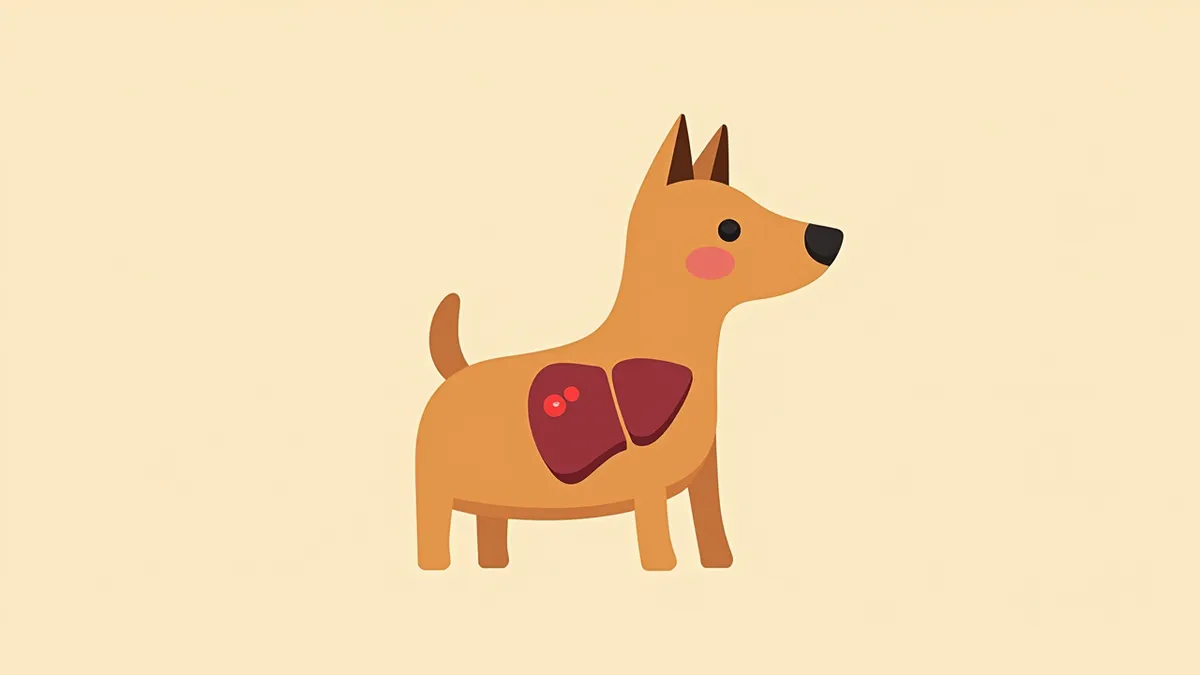
What Are the Main Causes of Liver Tumors in Dogs?

What Are the Main Symptoms of Liver Tumors in Dogs?

Signs Requiring Immediate Veterinary Care
If jaundice appears, or if persistent vomiting and loss of appetite last for more than two days, immediate veterinary care is necessary. These signs may indicate severe liver damage.
How Are Liver Tumors in Dogs Diagnosed?

How Are Liver Tumors in Dogs Treated?

Home Care and Management Points

Certain Breeds Require Special Attention
The liver is an organ where hemangiosarcoma commonly develops and metastasizes, and this cancer is known to occur more frequently in breeds such as Golden Retrievers and Labrador Retrievers. For dogs of these breeds, please pay special attention to regular check-ups and health management.
Reviewed by a veterinarian

Dr. Tony — Punnawat Phongkittirak
VeterinarianA veterinarian who majored in veterinary medicine at Khon Kaen University, Thailand, and completed the IVSA program at North Carolina State University in the United States. Drawing on clinical experience at animal hospitals, he works in the pet healthcare field and is dedicated to building a digital care environment that connects pet parents with veterinarians.
Reviewed 2026-06-07
Frequently Asked Questions
Can liver tumors in dogs be treated?
No, liver tumors are not genetically inherited.
What is the prognosis for a liver tumor?
What tests should be performed if a liver tumor is suspected?
What should I feed my dog with a liver tumor?
Share
Related Guides

7 Key Symptoms and Management Essentials for Canine Cholecystitis Recommended by Veterinarians

Top 5 Milk Thistle (Silymarin) Liver Supplements for Dogs — A Comparison Guide Based on Silybin Content and Absorption Rates

Top Prescription Diets for Dogs with Liver Disease and Selection Criteria

Oral Bacteria in Cats Affecting the Heart and Kidneys? — Warning Signs of Systemic Disease and Management Timing

If Your Cat’s Gums Are Red and Swollen — Causes of Gingivitis and When to Treat

Feline Dental Scaling and Tartar Removal: Symptoms, Causes, Diagnosis, Treatment, and Care Essentials

Complete Guide to Canine Tumor Biopsy and Fine-Needle Aspiration (FNA) — How to Distinguish Benign from Malignant

If You Feel a Lump Near Your Dog’s Anus — Symptoms and Treatment Points for Perianal Gland Tumors

If Your Dog Is Limping — Osteosarcoma Symptoms, Causes, and Treatment Timing

If Your Dog Has Persistent Nosebleeds and Nasal Congestion — Causes, Diagnosis, and Treatment Timing for Nasal Tumors
References
[1] Nolan, M.W. et al. (2013). Stereotactic radiation therapy for treatment of injection-site sarcomas in cats: 11 cases (2008–2012). Journal of the American Veterinary Medical Association, 243(4), 526–531.
[2] Penninck, D.G. et al. (1998). Ultrasonography of canine gastric epithelial neoplasia. Veterinary Radiology & Ultrasound, 39(4), 342–348.
[3] Vet Surgical Oncology, 2nd Ed. (2013). Chapter 2, Cell tumors and grade I and II soft tissue sarcomas in dogs.