Like
Share
멍실장
강아지 폐고혈압 증상과 원인, 진단·치료와 관리 포인트 총정리

Canine Pulmonary Hypertension: Symptoms, Causes, Diagnosis, Treatment, and Management Essentials

HeartDiseasesMeongsiljang Veterinary Advisory Board

Canine pulmonary hypertension is a cardiopulmonary condition characterized by abnormally high pressure in the pulmonary blood vessels. Coughing, fainting, and difficulty breathing are the primary symptoms, and early diagnosis via echocardiography along with consistent medication significantly influences the prognosis.

What Is Canine Pulmonary Hypertension?
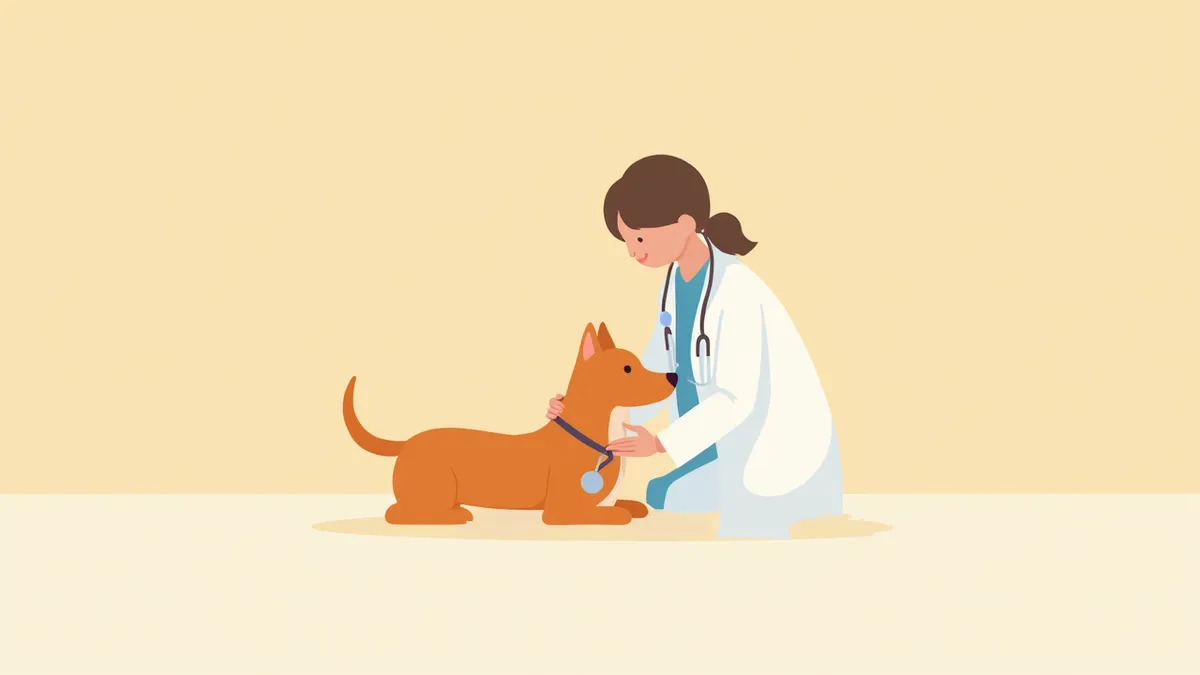
A puppy receiving a heart auscultation from a veterinarian
Canine pulmonary hypertension is a hemodynamic disorder characterized by abnormally high pressure in the blood vessels connecting to the lungs (the pulmonary arteries). Rather than being an independent disease, it most commonly develops as a secondary condition resulting from other heart or lung diseases. Early detection is crucial. If your dog experiences recurring coughing or becomes easily fatigued after exercise, with symptoms gradually worsening, an echocardiogram (cardiac ultrasound) is recommended. Chronic elevation of pulmonary artery pressure can cause the right ventricle to enlarge and thicken, eventually leading to right-sided heart failure. Therefore, it is essential to visit the veterinarian as soon as symptoms appear.

Main Causes of Pulmonary Hypertension

Pulmonary hypertension in dogs is most often secondary to another underlying condition. The causes can be grouped as follows:
Left-sided heart disease: Mitral valve insufficiency is the most common cause. When blood regurgitates from the left side of the heart, pressure in the pulmonary vessels rises accordingly.
Heartworm infection: Parasites residing in the pulmonary arteries directly obstruct blood flow.
Lung disease: Chronic bronchitis, pulmonary fibrosis, and pulmonary thromboembolism can also be underlying causes.
Idiopathic: Although rare, there are cases in which no specific cause can be identified.

Key Symptoms Checklist

Exercise intolerance: Your pet tires quickly with even minimal activity, often stopping to rest or panting heavily. They may show weakness or collapse even with light exercise.
Coughing: While coughing can occur, it is not a specific sign of pulmonary hypertension alone, as it is frequently caused by other respiratory conditions such as bronchial disease.
Dyspnea (difficulty breathing): Your pet may breathe rapidly or appear to struggle for air, sometimes using their abdomen to help breathe. The presence of fluid in the chest cavity (pleural effusion) can worsen breathing difficulties.
Syncope (fainting): Sudden collapse during excitement or exercise is the most dangerous warning sign.
Cyanosis: If the gums or tongue turn blue, it indicates a severe lack of oxygen and constitutes a medical emergency.
Ascites: If the condition progresses to right-sided heart failure, the abdomen may swell due to fluid accumulation (ascites), and you may notice an enlarged liver or spleen, along with gastrointestinal symptoms.
Puppies showing signs of breathing difficulties

Signs Requiring Immediate Emergency Veterinary Care

If your pet shows any of the following symptoms, seek veterinary care immediately: • Sudden collapse or loss of consciousness • Pale or bluish gums and tongue • Open-mouth breathing or labored breathing with pronounced abdominal movements • Sudden weakness or collapse of the hind legs

Diagnosis — Echocardiography Is Key

The most important test for diagnosing pulmonary hypertension is an echocardiogram (cardiac ultrasound). Doppler echocardiography allows us to measure hemodynamic parameters, such as pulmonary artery blood flow velocity, to indirectly estimate pulmonary vascular pressure. It is relatively non-invasive, so it places minimal stress on the patient. Chest X-rays help identify changes such as cardiac enlargement and pulmonary vascular (pulmonary vein) congestion or edema. An electrocardiogram (ECG) provides supplementary confirmation of right ventricular hypertrophy. While right heart catheterization is the most accurate method for measuring pulmonary artery pressure, it is invasive and therefore used only in limited cases. Additional tests may also be necessary to identify the underlying cause.

Treatment — Lowering Pulmonary Vascular Pressure with Medication

Treatment for pulmonary hypertension is approached from two directions simultaneously.
Pulmonary vasodilators (Sildenafil): These medications directly widen the pulmonary arteries to lower pressure. Your veterinarian will determine the dosage based on your pet's weight and symptoms.
Concurrent treatment of the underlying disease: If mitral valve disease is the cause, heart medication is added; if heartworm disease is the cause, deworming treatment takes priority.
Diuretics: If right-sided heart failure has led to ascites or edema, diuretics are used for management.
Preparing for Medication Treatment of Pulmonary Hypertension in Dogs

Management Tips You Can Do at Home

Exercise restriction: Strenuous activity puts extra strain on the heart and lungs. With pulmonary hypertension, even mild exercise can cause weakness or fainting, so keep walks short and slow. If your pet has fainted before, consult your veterinarian before exercising.
Minimize stress: Excitement or sudden stimuli can also be taxing. Avoid unfamiliar environments and loud noises as much as possible.
Regular check-ups: Monitor changes in pulmonary vascular pressure with echocardiograms on the schedule set by your veterinarian.
Never skip medication: Drugs like sildenafil must be given consistently every day as prescribed to maintain their effect. Do not stop them without veterinary guidance.
A dog resting quietly indoors

Breed-Specific Risks: Check More Closely for These Breeds

Cavalier King Charles Spaniels, Pomeranians, Dachshunds, and Maltese are at high risk for mitral valve insufficiency and, consequently, pulmonary hypertension. We recommend annual echocardiograms starting at age five. If a heart murmur has already been detected, follow-up monitoring every six months is necessary.

Reviewed by a veterinarian

Dr. Tony — Punnawat Phongkittirak

Dr. Tony — Punnawat Phongkittirak

Veterinarian

A veterinarian who majored in veterinary medicine at Khon Kaen University, Thailand, and completed the IVSA program at North Carolina State University in the United States. Drawing on clinical experience at animal hospitals, he works in the pet healthcare field and is dedicated to building a digital care environment that connects pet parents with veterinarians.

Frequently Asked Questions

Can pulmonary hypertension in dogs be cured?
If the underlying cause can be completely resolved—such as successful treatment for heartworm disease or surgical correction of a left-to-right shunt like a patent ductus arteriosus—pulmonary hypertension may also improve. However, when the cause is progressive, such as mitral valve disease, it is difficult for pulmonary hypertension to return to completely normal levels. In these cases, management focuses on maintaining quality of life by controlling blood pressure with medication rather than aiming for a complete cure.
How long can a dog live after being diagnosed with pulmonary hypertension?
The prognosis varies significantly depending on the underlying cause and the response to treatment. Because pulmonary hypertension often stems from progressive conditions, the long-term survival outlook is generally guarded. However, pets can achieve a more stable and prolonged quality of life if they respond well to PDE-5 inhibitors like sildenafil and if the underlying cause is effectively managed. Consistent medication adherence and regular veterinary check-ups have the greatest impact on improving the prognosis.
Is the pulmonary hypertension medication (sildenafil) the same for pets as it is for humans?
Even if the active ingredients are the same, animals require specific dosages and formulations tailored to their needs. Administering human medications without veterinary guidance can lead to dangerous overdoses. Always follow your veterinarian’s prescription for safe and effective treatment.
Does severe coughing always mean pulmonary hypertension?
Not necessarily. Coughing can be caused by a variety of conditions, including bronchitis, cardiac enlargement, and pneumonia. In fact, coughing is more commonly linked to other respiratory issues than to pulmonary hypertension. To distinguish pulmonary hypertension from other causes, an echocardiogram is essential. If your pet’s cough persists or worsens after exercise, please schedule a veterinary examination.
Should I completely stop taking my pet for walks?
You don’t need to stop completely. Short, slow walks are fine. However, if your pet has experienced fainting or severe difficulty breathing, it’s safest to consult your veterinarian first to determine an appropriate level of activity.

Share

Related Guides

References

[1] Reinero C et al., An Expanded Classification of Pulmonary Hypertension in Dogs, Journal of Veterinary Internal Medicine, 2020

[2] Ettinger SJ, Feldman EC, Clinical Medicine of the Dog and Cat, 4th Ed, Elsevier, 2017

[3] Fuentes VL et al., Textbook of Cardiovascular Medicine in Dogs and Cats, 2020

[4] Boag A, Hughes D, Notes on Canine Internal Medicine, 4th Ed, Wiley Blackwell, 2018

This information is based on veterinary literature and does not replace diagnosis or treatment. Please consult a veterinarian for specific health concerns.

Metapet Co., Ltd. | CEO: Park Sung-yong | Business Reg. No. 417-88-02562 | Seoul, South Korea | Customer Center

Canine Pulmonary Hypertension: Symptoms, Causes, and Treatment Guide | Meongsiljang