Like
Share
멍실장
고양이 심장사상충 예방약 선택·비교 증상과 원인, 진단·치료와 관리 포인트 총정리

Complete Guide to Feline Heartworm Preventive Medication: Selection, Comparison, Symptoms, Causes, Diagnosis, Treatment, and Management

Lifestyle & Age CareDiseasesMeongsiljang Veterinary Advisory Board

Heartworm disease in cats is a fatal parasitic condition transmitted by mosquitoes, making the selection and management of preventive medication crucial.

Feline heartworm disease is a fatal parasitic condition transmitted by mosquitoes.

A heartworm parasite residing near a cat’s heart
Feline heartworm disease occurs when a mosquito ingests larvae (microfilariae) from the blood of an infected animal, develops them into infective larvae within its body, and then transmits them to a cat during a subsequent bite. These larvae reach the pulmonary arteries and their branches over approximately 3 to 4 months post-infection. However, in cats, the larvae often arrest at the immature (stage 5) phase, making it uncommon for them to develop into adults. Nevertheless, even a small number of worms can cause inflammation in the pulmonary blood vessels and lung tissue, leading to clinical signs, which makes prevention crucial. - Preventive medication: Regular administration is the most effective way to prevent infection. - Transmission route: The disease is transmitted exclusively through mosquitoes and does not spread via direct contact. - Key to prevention: Consistently administer the appropriate weight-based medication as directed by your veterinarian. - Early prevention: Because effective adulticide treatment is difficult in cats, prevention is paramount. Early detection and prevention are the most important measures for safeguarding your cat’s health.

The cause of infection is the complex life cycle of mosquitoes and parasites.
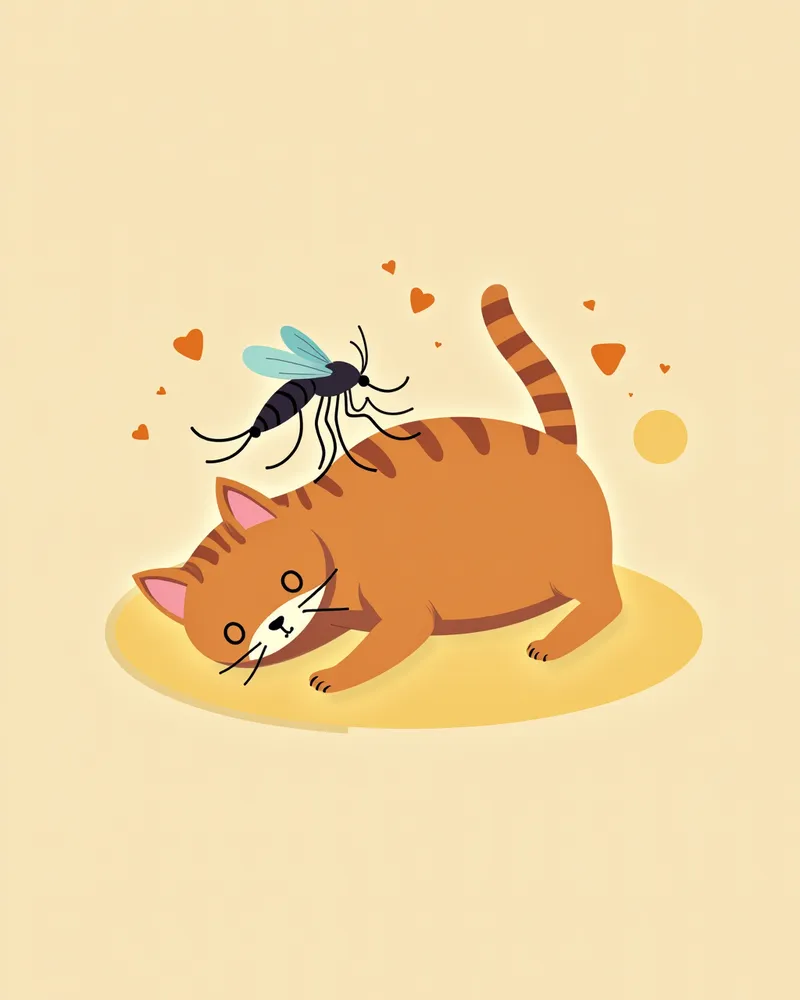
Feline heartworm disease begins when a mosquito ingests larvae (microfilariae) while feeding on blood. These larvae develop into infective stages within the mosquito. Once transmitted to a cat, they take approximately 3–4 months to reach the pulmonary arteries and lung blood vessels. In cats, the larvae often remain immature (at stage 5), so it is uncommon for them to develop into adult worms. Even a small number of worms can cause inflammation in the pulmonary blood vessels and lung tissue, leading to symptoms such as difficulty breathing and lethargy. - Mosquito-borne transmission: Infection cannot occur without mosquitoes, making mosquito prevention essential. - Life cycle: In dogs, the cycle repeats with larvae developing into adults, producing microfilariae, which are then taken up by mosquitoes. Cats, however, rarely produce microfilariae, making them atypical hosts that do not easily transmit the infection to other animals. - Importance of prevention: Regular administration of preventive medication is key to avoiding infection. Cases have been reported in indoor cats as well, so do not rely solely on keeping your cat indoors. Consistent use of preventive medication is the safest approach.
A mosquito biting a cat’s ear and transmitting larvae

Quickly identify key symptoms and signs.

In the early stages of feline heartworm disease, symptoms are often subtle or absent. Even when signs do appear, there are no specific indicators unique to heartworm infection. However, as the disease progresses, the following signs may develop:
Coughing: Caused by inflammatory responses in the lungs and pulmonary blood vessels.
Difficulty breathing: Increased respiratory rate and effort, along with shortness of breath.
Lethargy: Decreased energy levels and reduced activity.
Changes in appetite and weight: Loss of appetite leading to weight loss.
Exercise intolerance: Becoming fatigued more quickly than usual after activity.
If you notice any of these symptoms, immediate veterinary care is essential.
A cat coughing, with a glowing effect around its chest area

Immediate veterinary visit is required for severe respiratory distress or persistent coughing.

Severe coughing, panting, or sudden collapse are emergency situations. Cats can develop acute respiratory distress or shock due to pulmonary vascular inflammation and the death of parasites, so you should take your cat to a veterinarian immediately for consultation.

Diagnosis is accurately confirmed through blood tests and ultrasound.
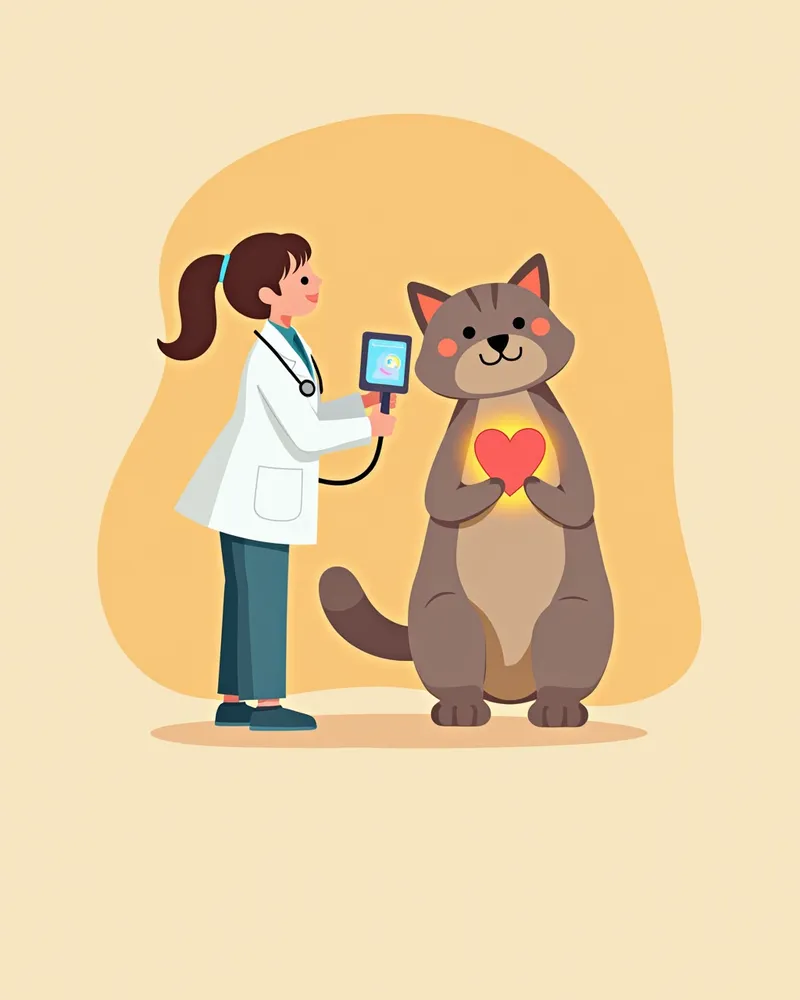
Heartworm infection can be confirmed through blood tests that detect antigens or antibodies. Antigen testing, in particular, is highly accurate when adult worms are present, making it advantageous for early detection. - Blood tests: This is the first step to accurately determine infection status and is recommended even if no symptoms are present. - Ultrasound examination: This evaluates heart structure and function, allowing us to identify the location of parasites and the extent of heart damage. - Early diagnosis: Detecting the infection before symptoms appear significantly increases the success rate of treatment. - Regular check-ups: It is safe to have your cat examined at least once a year, even if they are on preventive medication. Early detection greatly improves your cat’s quality of life.
A veterinarian using an ultrasound device on a cat's chest

Comparison Table of Feline Heartworm Preventive Medications

ItemFormUsage CycleMain Ingredients
Heartgard for CatsCapsuleOnce a monthSelamectin
Revolution PlusLiquidOnce a monthSelamectin + Sarolaner
Advantage MultiLiquidOnce a monthMoxidectin + Imidacloprid

All products require a veterinarian's prescription; administer according to body weight.

Treatment is conducted in stages and may cause severe adverse effects.
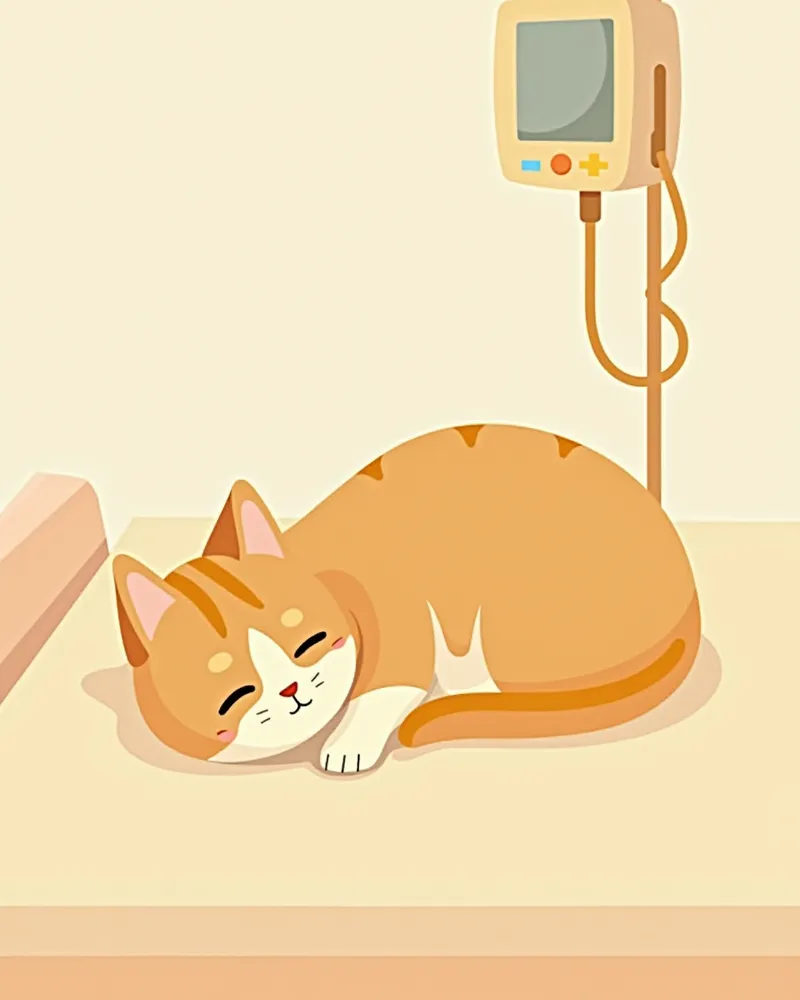
Treating heartworm disease in cats differs from treatment in dogs. Adulticide drugs (such as melarsomine) that kill adult worms are not used in cats because they can cause severe adverse effects. Instead, treatment focuses on managing symptoms while waiting for the parasites to die naturally. Medications such as prednisolone may be prescribed at the veterinarian’s discretion to address hypersensitivity and inflammatory responses in the lungs, and doxycycline may be used to treat Wolbachia bacteria. Monthly administration of ivermectin can help gradually reduce the parasite burden. - Treatment side effects: As the parasites die, symptoms such as worsened coughing, difficulty breathing, and lethargy may occur, so close monitoring is essential. - Treatment duration: Treatment can take several months or longer. Strict rest and veterinary monitoring are required during the recovery period. Following your veterinarian’s instructions closely is key to successful treatment.
A cat undergoing treatment resting comfortably

Home management focuses on regular prevention and environmental care.
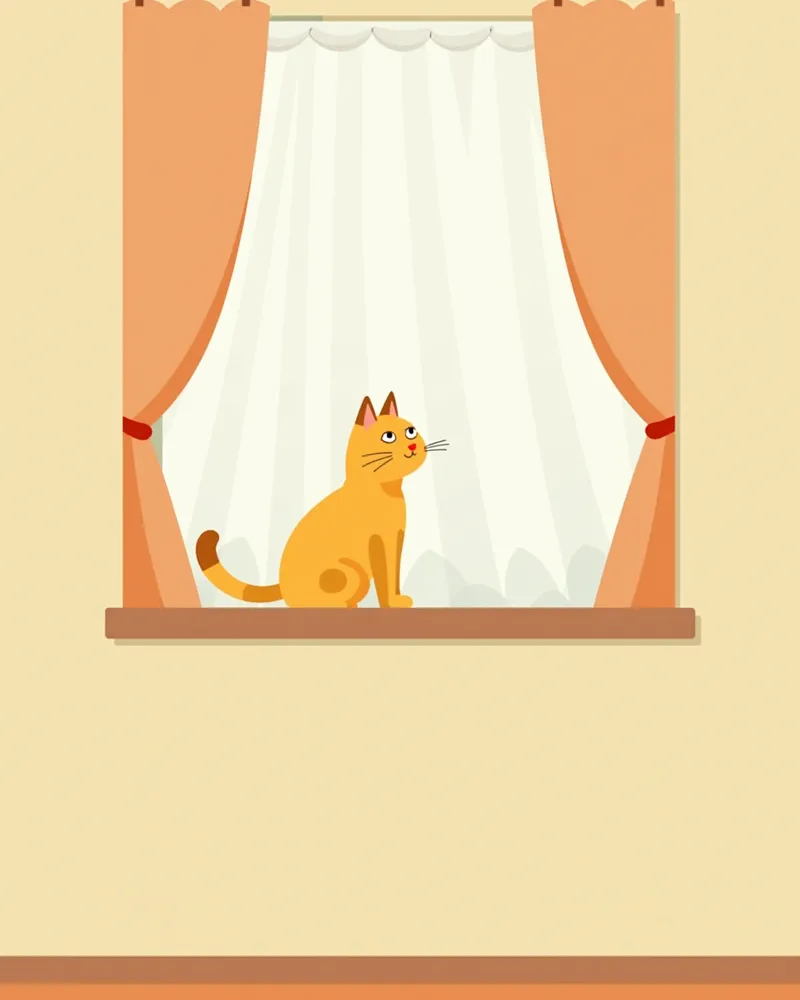
Prevention must continue even after treatment. Regular administration of preventive medication is the most effective way to prevent infection. - Preventive medication: Your veterinarian will prescribe the appropriate dose based on your pet’s weight and health status. Never self-prescribe. - Indoor living: Installing screens on windows and doors can help, but since infections have been reported in indoor cats, keeping your cat indoors alone is not sufficient. - Environmental management: Reduce mosquito entry and breeding sites, and control humidity to minimize the chance of mosquito bites. - Daily care: Maintain regular feeding and exercise routines, and manage your pet’s health according to your veterinarian’s recommendations. - Regular check-ups: It is ideal to have regular veterinary check-ups even while your pet is on preventive medication.
A cat sitting by a window with a mosquito screen installed.

Preventive medication is prescribed by a veterinarian based on weight. Do not self-prescribe!

The dosage of preventive medications varies depending on your cat’s weight and overall health. Incorrect dosing can lead to adverse side effects, so never self-prescribe. For safety, always administer the medication regularly under your veterinarian’s guidance.

Reviewed by a veterinarian

Dr. Tony — Punnawat Phongkittirak

Dr. Tony — Punnawat Phongkittirak

Veterinarian

A veterinarian who majored in veterinary medicine at Khon Kaen University, Thailand, and completed the IVSA program at North Carolina State University in the United States. Drawing on clinical experience at animal hospitals, he works in the pet healthcare field and is dedicated to building a digital care environment that connects pet parents with veterinarians.

Frequently Asked Questions

Can cats get heartworm disease?
Yes, cats can also contract heartworm disease through mosquito bites. While the risk increases with more outdoor activity, cases have been reported in indoor cats as well, so it’s important not to let your guard down.
When should I start giving preventive medication?
It's best to start administering the medication in spring when mosquito activity begins, and if possible, continue giving it consistently for all 12 months of the year. You can start as early as 8 weeks of age.
What should I do if I missed giving my pet their preventive medication?
Administer the next dose at the scheduled time. If you miss a dose, the preventive effect may be reduced, so consult your veterinarian.
How are preventive medications administered?
They are typically available as oral medications given by mouth or as topical spot-on treatments applied to the skin. Your veterinarian will recommend the most suitable option for your pet.
Do preventive medications have side effects?
Mild side effects such as occasional vomiting or decreased appetite may occur, but they typically resolve on their own. Serious reactions are rare.

Share

Related Guides

References

This information is based on veterinary literature and does not replace diagnosis or treatment. Please consult a veterinarian for specific health concerns.

Metapet Co., Ltd. | CEO: Park Sung-yong | Business Reg. No. 417-88-02562 | Seoul, South Korea | Customer Center

Feline Heartworm Prevention: Choosing the Right Medication | Meongsiljang