Like
Share
멍실장
강아지 구리축적성간병증 증상과 원인, 진단·치료와 관리 포인트 총정리

If Your Dog Keeps Vomiting and Is Lethargic — Symptoms and Dietary Management Points for Canine Copper-Associated Hepatopathy

Liver HealthDiseasesMeongsiljang Veterinary Advisory Board

Canine copper-associated hepatopathy is a chronic liver disease in which excessive copper accumulates in liver cells, gradually impairing liver function. For at-risk breeds, regular blood tests are essential to detect the condition early, even in the absence of symptoms.

What Is Canine Copper-Associated Hepatopathy?
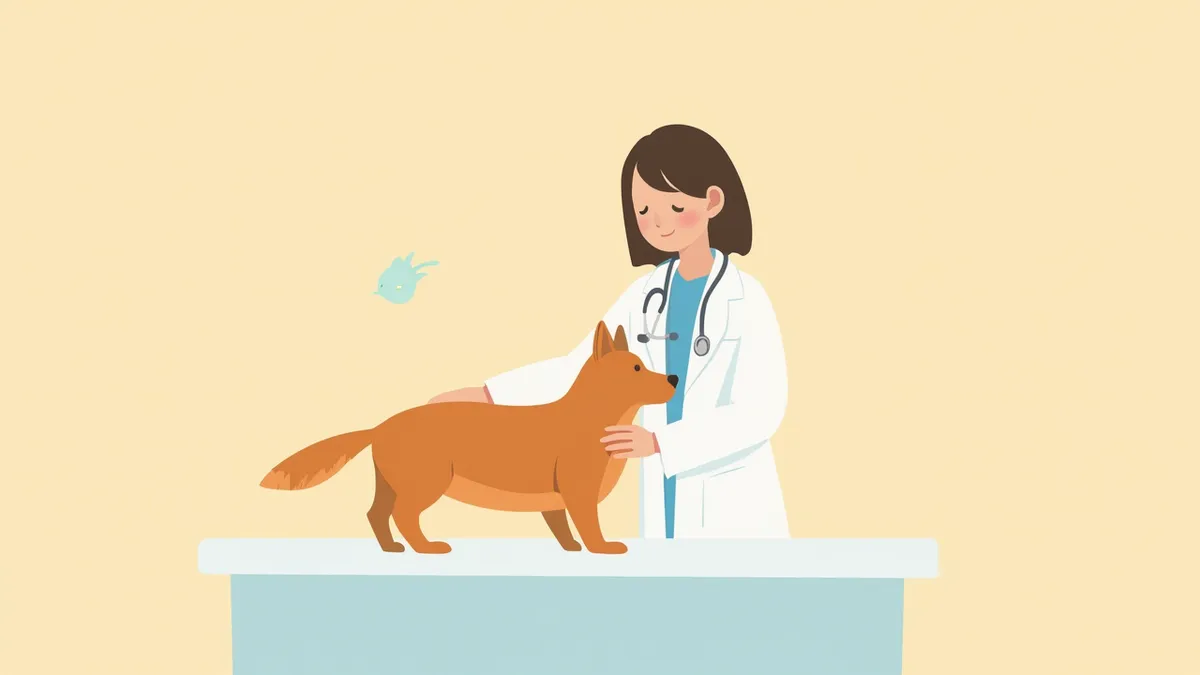
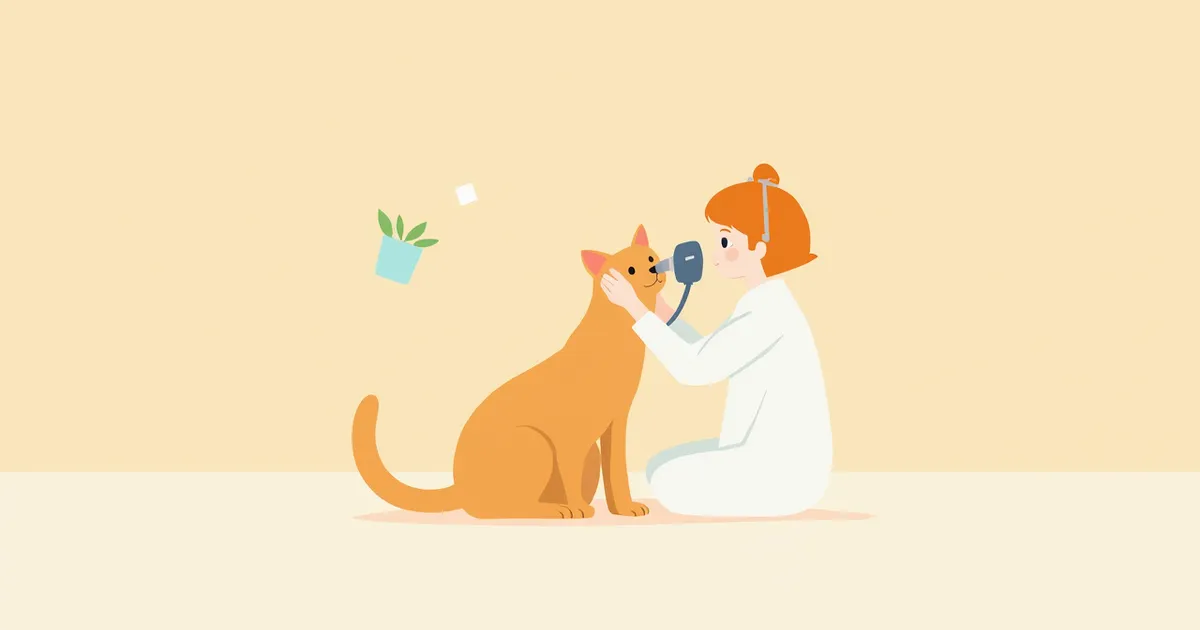
A veterinarian palpating a puppy’s abdomen during a physical examination
Canine copper-associated hepatopathy is a chronic liver disease in which excess copper accumulates within liver cells, gradually causing liver damage. Early detection is key. By the time symptoms appear, liver damage is often already quite advanced, so it’s important for at-risk breeds to undergo regular blood tests for early screening, even if they show no symptoms. The condition can occur in breeds with genetic abnormalities in copper metabolism or in dogs that have consumed copper-rich foods over a long period.

Why Does Copper Accumulate in the Liver? — Causes and Pathogenesis

There are two main causes.
Hereditary: Certain breeds, such as Bedlington Terriers, have genetic mutations that impair copper excretion. Instead of being eliminated via bile, copper accumulates within liver cells, triggering oxidative stress and leading to hepatocyte death.
Dietary or Secondary: Long-term consumption of copper-rich diets or organ meats, or impaired excretion due to chronic cholestasis, can cause copper accumulation in the liver in any breed.

Key Symptom Checklist for Pet Owners

In the early stages, symptoms are minimal, making the condition difficult to detect. The following signs typically appear only after significant liver damage has occurred.
Loss of appetite: Your pet may increasingly leave food uneaten or refuse to eat altogether.
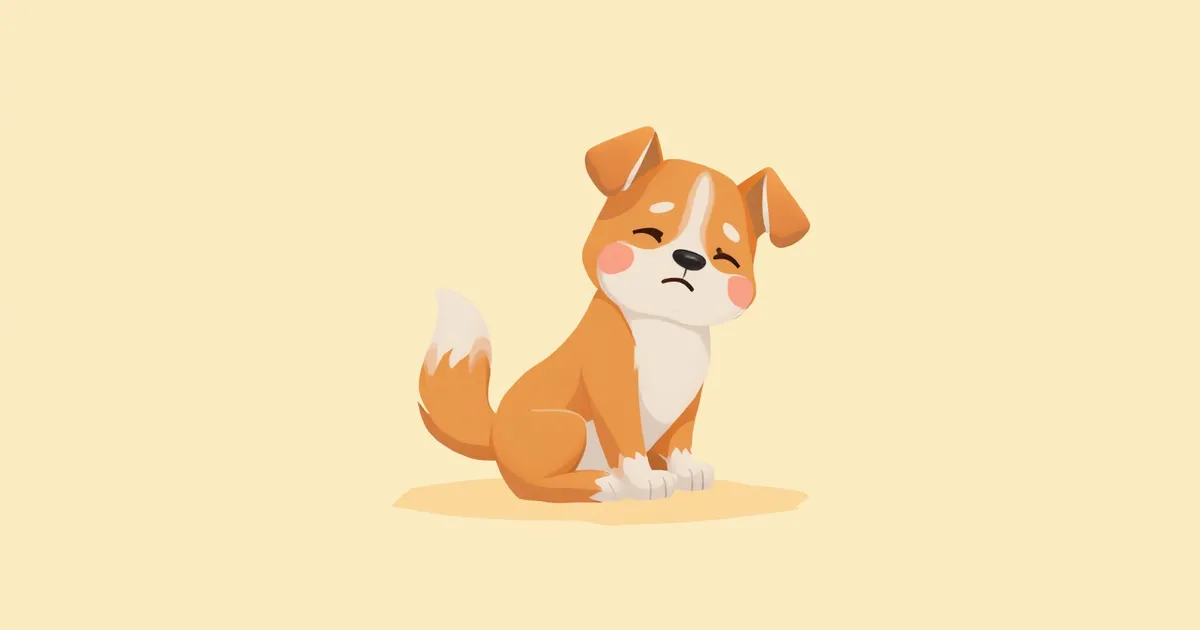
Lethargy: They may lose interest in walks or play and spend more time lying down.
Recurrent vomiting and diarrhea: Gastrointestinal symptoms may occur periodically.
Jaundice: The whites of the eyes, gums, and skin may turn yellow.
Abdominal distension: Fluid accumulation in the abdomen (ascites) can cause a visibly swollen belly.
Polydipsia and polyuria: Increased thirst and a higher volume of urine output.
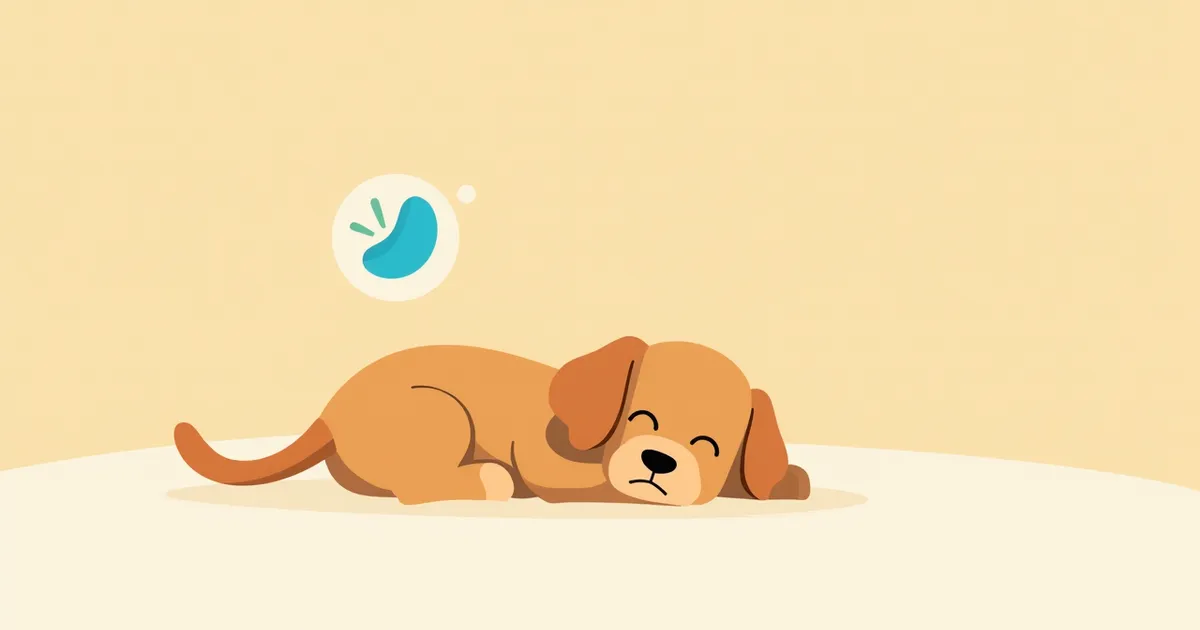
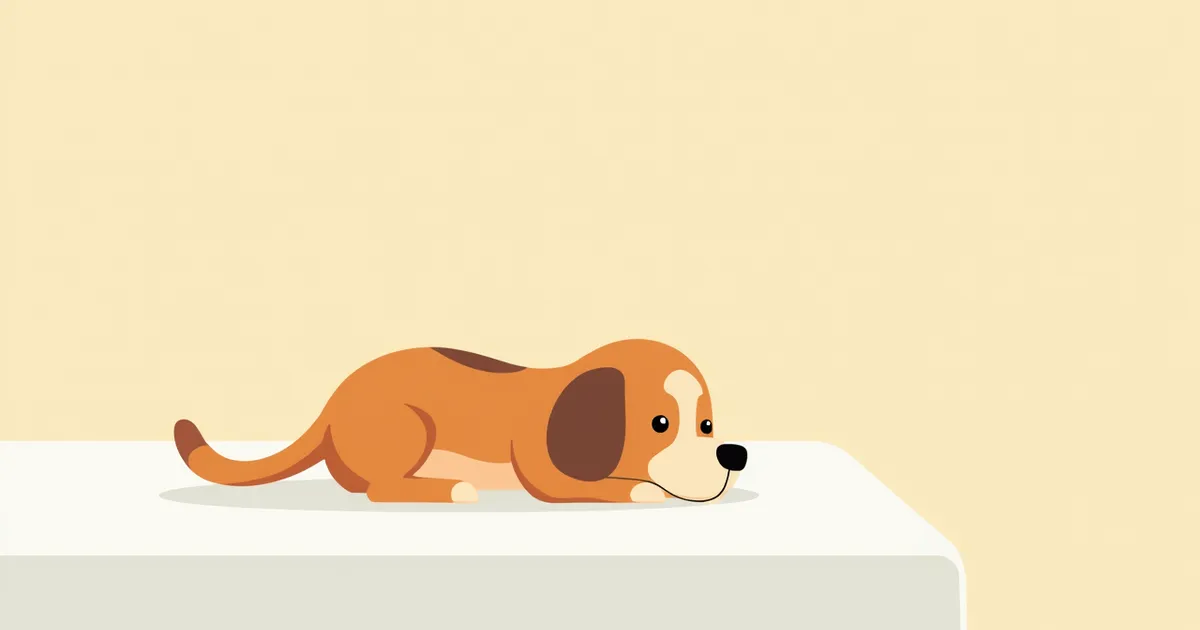
A lethargic dog lying down — symptoms of copper-associated hepatopathy

If You See These Symptoms, Emergency Veterinary Care Within 24 Hours Is Needed

• The whites of the eyes and gums have suddenly turned yellow (acute jaundice). • Vomiting is recurring, and the pet cannot even drink water. • The abdomen has rapidly swollen and feels hard (worsening ascites). • The pet is staggering or appears disoriented (suspected hepatic encephalopathy). These symptoms are signs of a sudden decline in liver function. Please visit a nearby veterinary clinic immediately.

How Is the Diagnosis Made?

A liver biopsy is essential for a definitive diagnosis, with testing progressing step by step.
Blood tests: We first check for elevated liver enzyme levels, such as ALT and ALP. In fact, elevated liver enzymes are often the only clue pointing to copper accumulation.
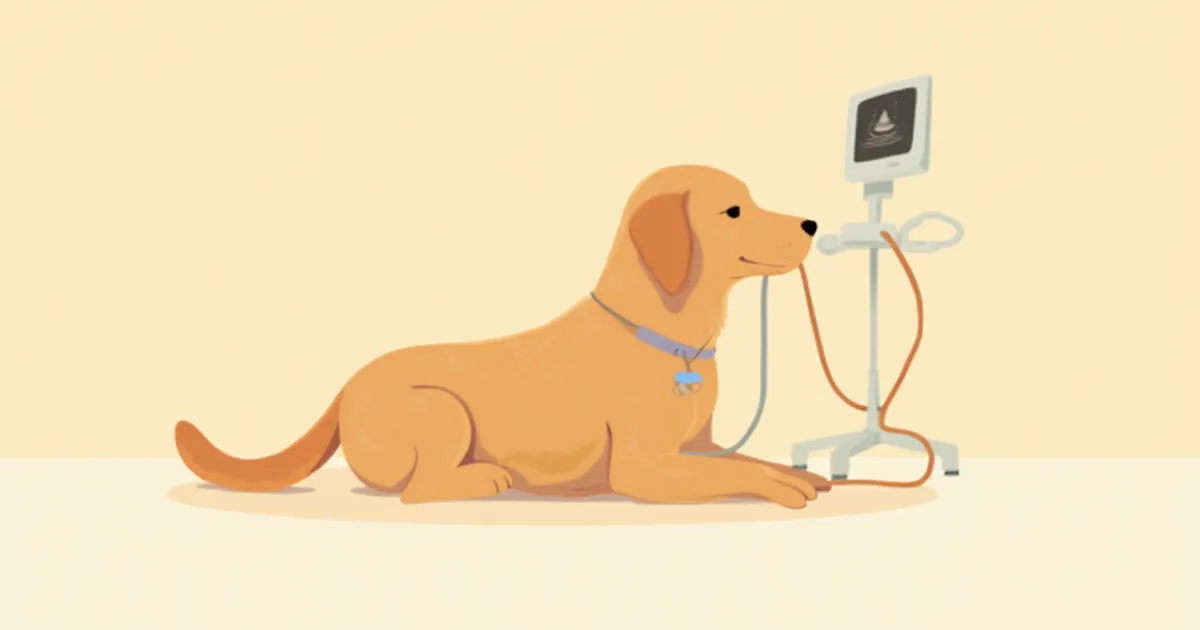
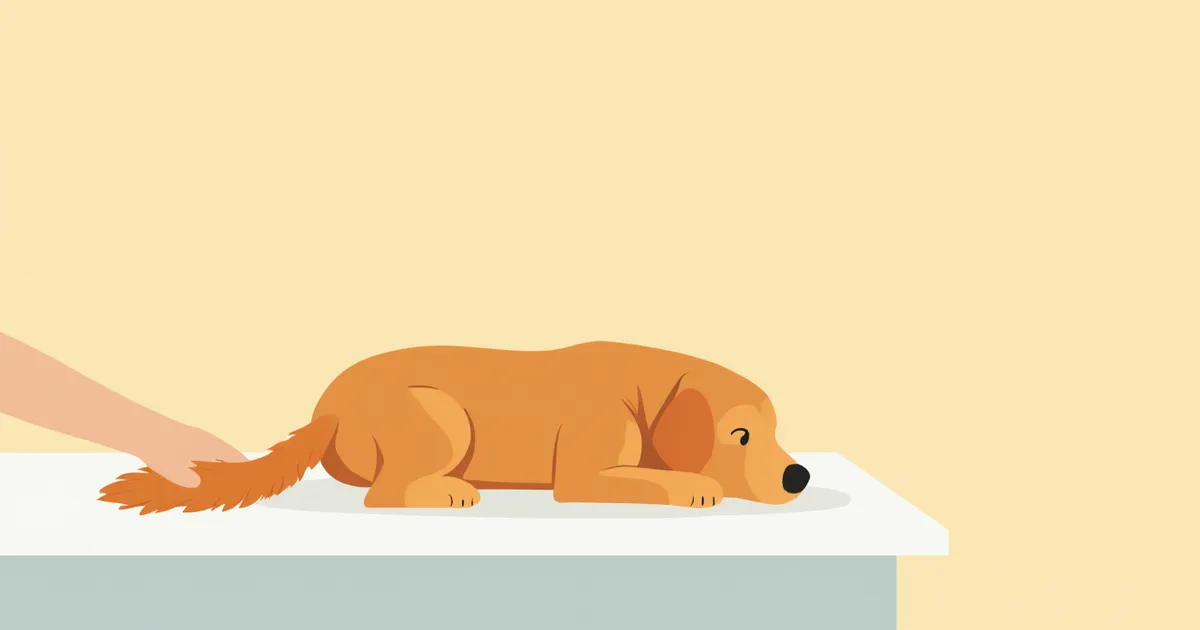
Abdominal ultrasound: This assesses changes in liver size and density, as well as the presence of ascites.
Liver biopsy and copper quantification: This definitive diagnostic test involves collecting liver tissue to measure copper concentration. In secondary (dietary) accumulation, levels are typically below 2,000 µg/g (ppm) on a dry-weight basis. Treatment is required if levels exceed 1,000 µg/g, and chelation therapy is recommended if they reach 2,000 µg/g or higher. Since values can vary depending on the sampling site, it is best to collect samples from multiple lobes for confirmation.
Genetic testing: This identifies causative genes (such as COMMD1) in high-risk breeds.

Treatment Methods — Let’s Look at Them Step by Step
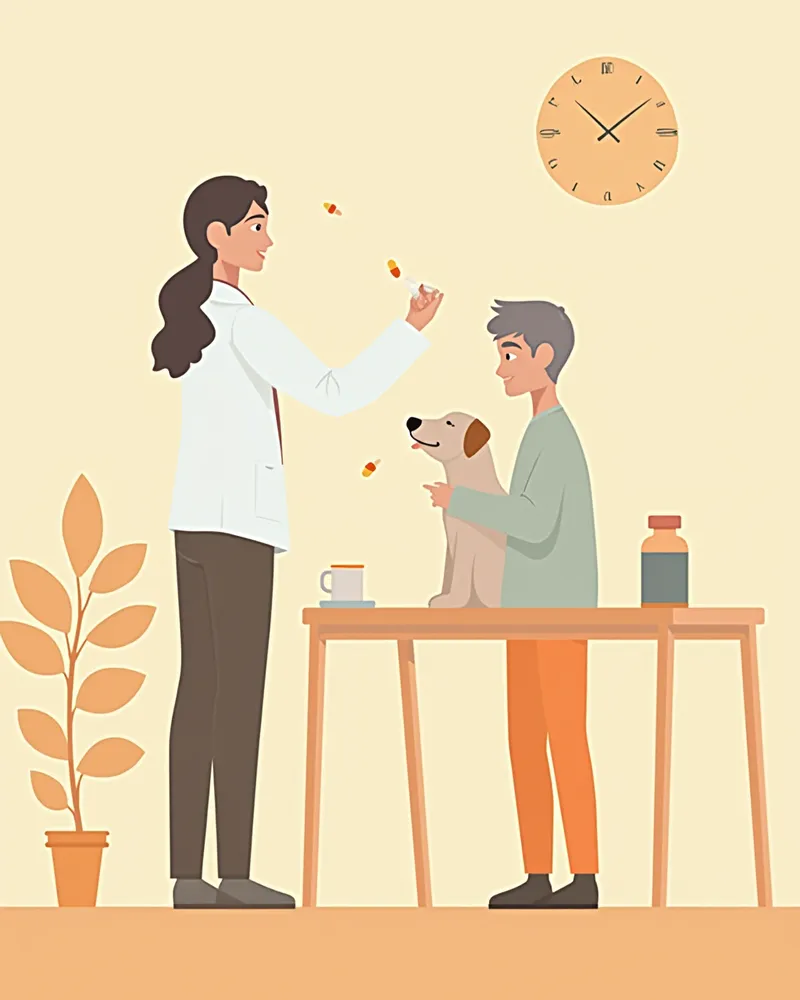
Copper-chelating medications: D-penicillamine is a representative copper chelator. It binds to copper and facilitates its excretion through urine, creating a negative copper balance. Since it may cause nausea, follow your veterinarian’s guidance regarding the timing of administration. Zinc supplementation: Zinc blocks copper absorption in the intestines. Low-copper, high-zinc diets are commonly used as maintenance therapy to slow the re-accumulation of copper after chelation treatment. Antioxidants and supportive nutrition: Supportive nutritional management can be considered to reduce oxidative damage to liver cells, and dietary fiber can help reduce copper absorption in the intestines. Consult your veterinarian to determine specific supplements. Low-copper prescription diets: Combining medication with dietary management yields the best results.
A veterinarian explaining medication for a puppy's treatment.

Management Points You Can Do at Home

Even while undergoing treatment, consistent home care can help maintain your pet’s liver health more effectively.
Maintain a low-copper diet: Avoid high-copper foods such as beef, pork, liver, kidneys, oysters, mushrooms, and nuts.
Administer prescribed medication consistently: Do not stop medication on your own, even if symptoms improve.
Regular blood tests: Check liver values and copper levels every 3 to 6 months.
Minimize stress: Sudden environmental changes or excessive exercise can place additional strain on the liver.
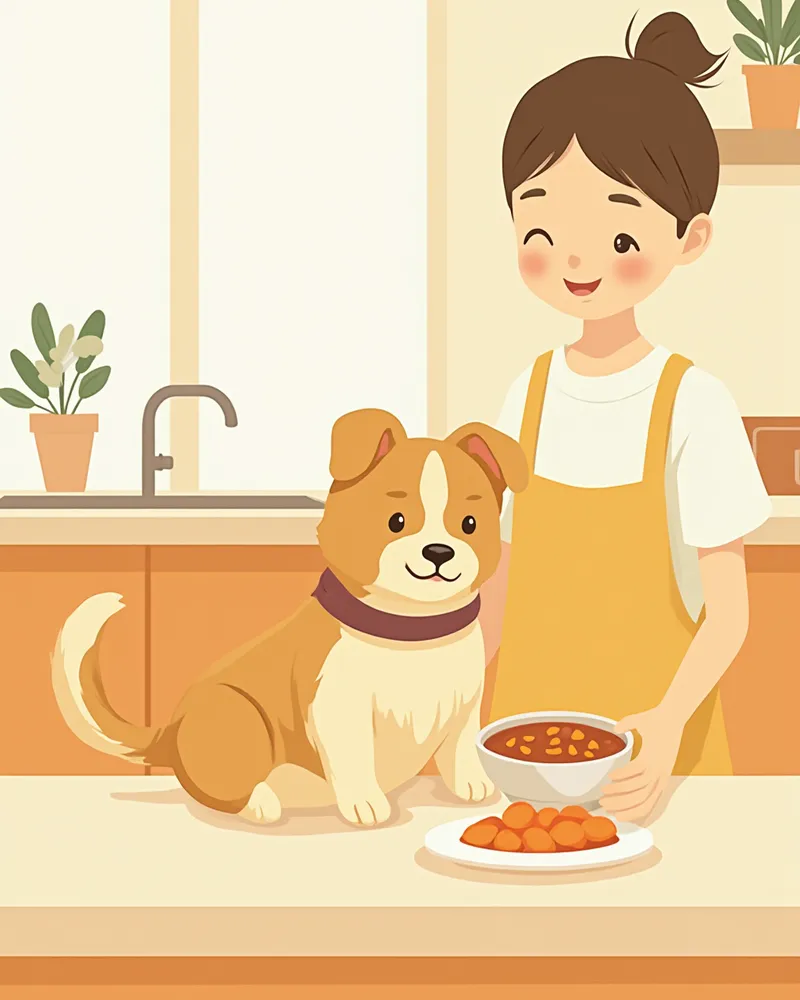
A pet owner preparing a low-fat prescription diet for their dog

Breeds That Require Particular Attention

The following breeds are genetically predisposed to a higher risk of copper-associated hepatopathy. Even if your dog appears healthy, we recommend annual liver function tests once or twice a year starting at age two. • Bedlington Terrier • West Highland White Terrier • Dalmatian • Doberman Pinscher • Labrador Retriever • Skye Terrier

Reviewed by a veterinarian

Dr. Tony — Punnawat Phongkittirak

Dr. Tony — Punnawat Phongkittirak

Veterinarian

A veterinarian who majored in veterinary medicine at Khon Kaen University, Thailand, and completed the IVSA program at North Carolina State University in the United States. Drawing on clinical experience at animal hospitals, he works in the pet healthcare field and is dedicated to building a digital care environment that connects pet parents with veterinarians.

Frequently Asked Questions

Is copper-associated hepatitis curable?
If the condition is genetic, the focus shifts from a cure to lifelong management. With consistent medication and dietary care, liver function can be maintained close to normal levels. If the cause is dietary, removing the trigger and providing treatment offers a higher chance of recovery. In fact, there are documented cases of asymptomatic Labrador Retrievers whose liver copper levels returned to normal through dietary management alone.
Are there any foods that must be strictly avoided?
Avoid ingredients that are high in copper. Organ meats such as beef and pork liver and kidney, oysters, mussels, shiitake mushrooms, and nuts are typical examples. For regular pet food, it’s safest to check the copper content on the ingredient label or ask your veterinarian to recommend a prescription diet.
How long does the treatment take?
Chelation therapy continues until liver biopsy shows copper levels have returned to the normal range. Because individual responses vary widely, we recommend monitoring and adjusting treatment through repeat liver biopsies to check copper levels. After that, many dogs transition to maintenance therapy, such as zinc supplementation and a low-copper diet, with your veterinarian making step-by-step adjustments based on regular test results.
Is genetic testing absolutely necessary?
I highly recommend it for breeds with a high hereditary incidence, such as Bedlington Terriers and West Highland White Terriers. Knowing in advance whether a dog is a carrier or affected allows you to establish preventive dietary management and monitoring plans much earlier.
Should I still have my pet tested even if they’re showing no symptoms?
Yes, it’s absolutely essential. Copper-associated hepatopathy often shows few or no symptoms in its early stages, with elevated liver enzyme levels frequently being the only clue. Noticeable signs like jaundice or ascites typically appear only after significant liver damage has already occurred. For at-risk breeds, it’s important to regularly monitor liver values such as ALT through periodic blood tests, even if no symptoms are present.

Share

Related Guides

References

[1] Hoffmann G. Copper-associated liver diseases. Vet Clin North Am Small Anim Pract. 2009;39(3):489–511.

[2] Spee B, Arends B, van den Ingh TS, et al. Copper metabolism and oxidative stress in chronic inflammatory and cholestatic liver diseases in dogs. J Vet Intern Med. 2006;20(5):1085–1092.

[3] Johnston AN, Center SA, McDonough SP, et al. Hepatic copper concentrations in Labrador retrievers with and without chronic hepatitis: 72 cases (1980–2010). J Am Vet Med Assoc. 2013;242(3):372–380.

[4] Mandigers PJ, van den Ingh TS, Bode P, et al. Association between liver copper concentration and subclinical hepatic changes in Doberman Pinschers. J Vet Intern Med. 2004;18(5):647–650.

[5] Twedt DC. Copper-associated hepatitis in dogs. Vet Clin North Am Small Anim Pract. 2023;53(1):113–130.

This information is based on veterinary literature and does not replace diagnosis or treatment. Please consult a veterinarian for specific health concerns.

Metapet Co., Ltd. | CEO: Park Sung-yong | Business Reg. No. 417-88-02562 | Seoul, South Korea | Customer Center

Canine Copper-Associated Hepatopathy: Signs & Diet Care | Meongsiljang