Like
Share
멍실장
고양이 실내 환경 안전점검 증상과 원인, 진단·치료와 관리 포인트 총정리

Cat Indoor Environment Safety Check: Symptoms, Causes, Diagnosis, Treatment, and Management Points Summary

Lifestyle & Age CareDiseasesMeongsiljang Veterinary Advisory Board

Checking your indoor environment for cat safety is a crucial step in identifying potential hazards before they cause accidents. Changes in behavior and physical symptoms can be signs of these risks.

Cat Indoor Environment Safety Check is a Key Preventive Measure to Identify Hazards in Advance and Prevent Accidents
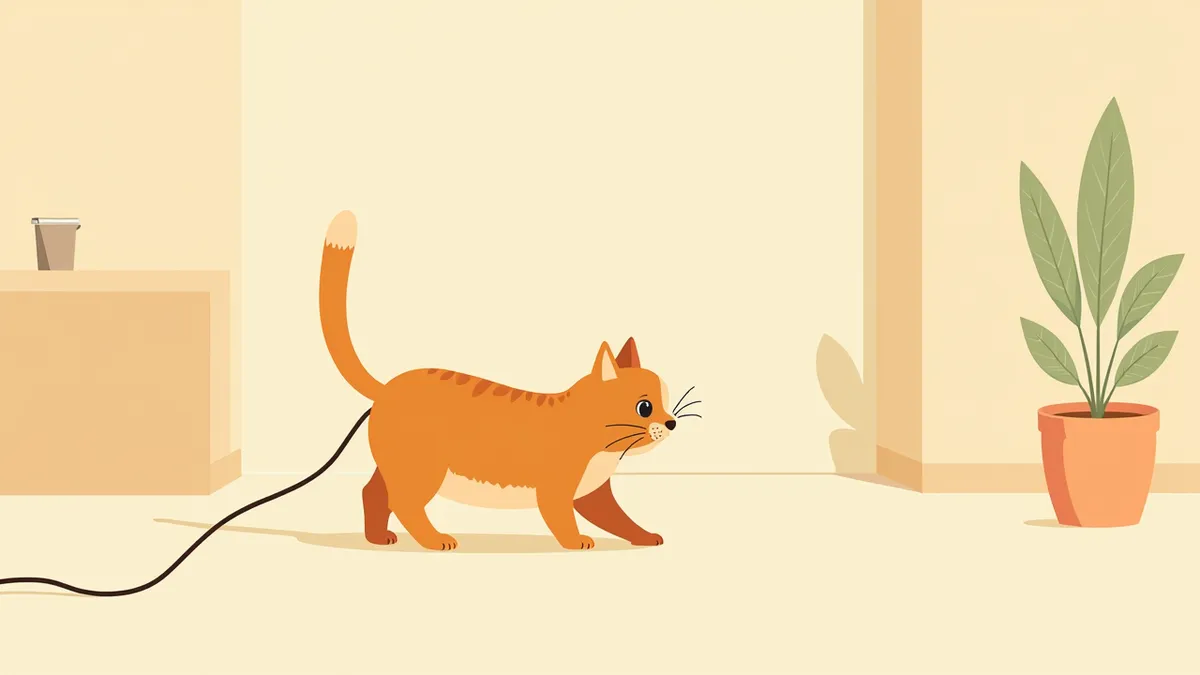
A cat exploring potential indoor hazards
Conducting a safety check of your cat’s indoor environment is a key preventive measure that helps identify potential hazards before accidents occur. Major risks include exposed electrical cords, toxic plants, sharp objects, and the danger of falls from heights. Cats have a strong instinct to explore, often squeezing into small spaces or climbing to high places. When these natural behaviors intersect with hidden dangers, they can lead to injuries or poisoning. Regular inspections are essential to remove or safely modify these hazards. Keeping a record after each check makes it easier to track changes over time. A safe environment significantly enhances your cat’s health and quality of life.

The Main Reason for Indoor Environment Safety Checks is the Intersection of a Cat’s Exploratory Instincts and Environmental Hazards
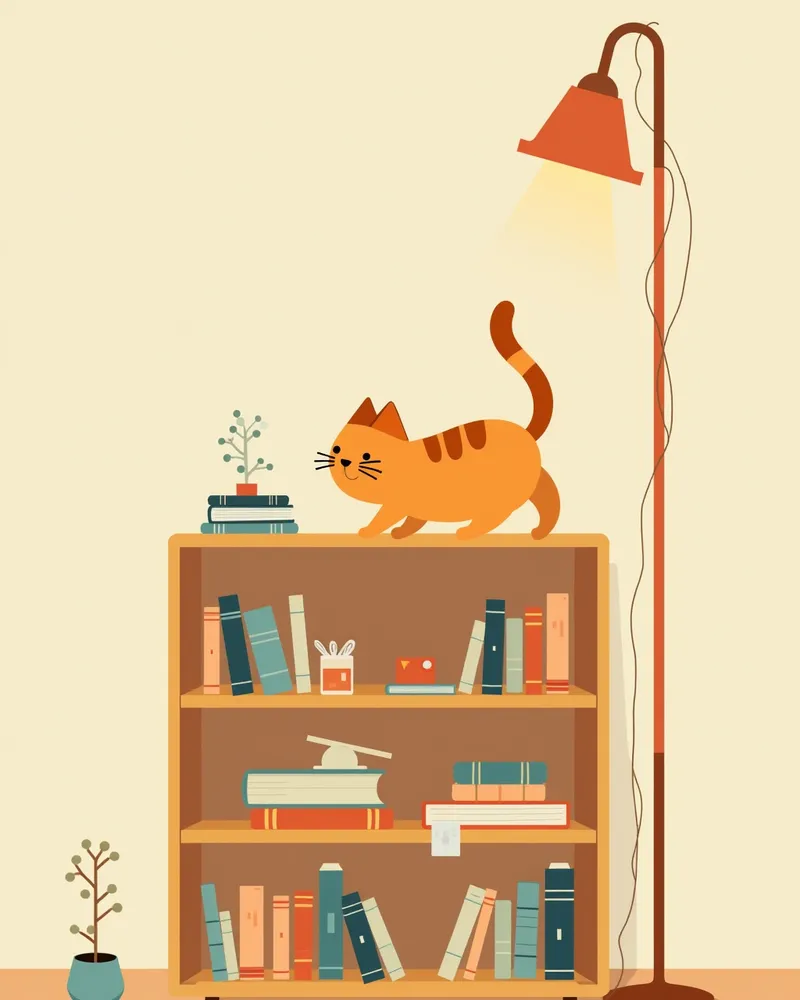
The main reason for conducting indoor safety checks is the intersection of a cat’s natural exploratory instincts and potential environmental hazards. Cats naturally climb to high places, squeeze into tight spaces, and investigate objects. These behaviors stem from their survival instincts, but they can lead to dangerous encounters within the home. For instance, cats often chew on electrical cords or ingest toxic plants. Because such actions can result in accidents, proactive safety checks are essential. By adapting the environment to align with your cat’s behavioral patterns, you can ensure their safety. Removing hazards is the most effective preventive measure.
A cat exploring potential hazards on top of a bookshelf

Key Symptoms and Warning Signs to Watch for During Indoor Environment Safety Checks

When conducting an indoor safety check for your cat, pay close attention to key symptoms and warning signs, including behavioral changes, physical injuries, and damage to the environment. These may indicate exposure to hazards.
Coughing or difficulty breathing: This could signal exposure to inhaled irritants or air pollutants. Consider improving ventilation and consulting a veterinarian.
Skin irritation or rashes: These may suggest contact with irritants or an allergic reaction. It is best to consult your veterinarian to identify the cause.
Gastrointestinal symptoms: These may indicate ingestion of harmful substances or digestive upset. Since symptoms like vomiting and drooling are common in many types of poisoning, prompt professional evaluation is essential.
Abnormal behavioral changes: Signs such as anxiety, aggression, or avoidance behavior may appear. Be vigilant, as these could stem from environmental stressors.
Chewed or broken toys and objects: While exploratory behavior is natural in cats, it may sometimes be linked to hazardous items, so a thorough inspection is necessary.
A cat with an injury, staying close to its owner.

Emergency Situations Requiring Immediate Veterinary Visit

If your cat chews on electrical cords, ingests toxic plants, or falls from a height, you should take it to the vet immediately. These incidents can be life-threatening, so prompt action by the owner is essential.

Comparison of Risk Levels and Response Measures for Each Cat Indoor Environment Safety Check Item

ItemRisk LevelCountermeasuresPrecautions
Exposed Electrical CordsHighUse cable covers or traysKeep electrical cords out of the cat's reach and check for damage during inspection.
Toxic PlantsVery HighRemove plants or place them up highPlace them where the cat cannot reach, and for plants suspected of toxicity, consider complete removal after veterinary confirmation for safety.
Unsecured Window NetsVery HighInstall safety netsInstall safety nets made of material strong enough that the cat cannot break through, and check that they are securely fixed.
Poor Storage of Small ObjectsModerateStore in sealed containersStore objects the cat could swallow in sealed containers or place them up high. Also check periodically for damage.
Falling from High PlacesHighProvide safe toysSecurely fix high shelves and decorations, and take measures to prevent the cat from climbing freely.

The risk level may vary depending on the cat's behavior and environmental conditions. Regular inspection and attention to environmental changes are important.

Indoor Environment Safety Checks Should Be Conducted Continuously Through Regular Inspections and Environmental Adjustments

Indoor safety checks should be an ongoing process, involving regular inspections and environmental adjustments. Conduct a comprehensive check once a month, and promptly remove or safely address any hazards. Secure electrical cords with cable covers or organize them in trays. Remove toxic plants or place them out of your cat’s reach on high shelves. Install safety screens on windows and securely anchor tall shelves. After each inspection, keep a brief record to easily track changes. A safe environment plays a crucial role in maintaining your cat’s health and stable behavior.
Indoor Safety Checklist for Cats

Treatment and Response Methods for Indoor Environment Safety Checks Begin with Eliminating Hazards and Improving the Environment
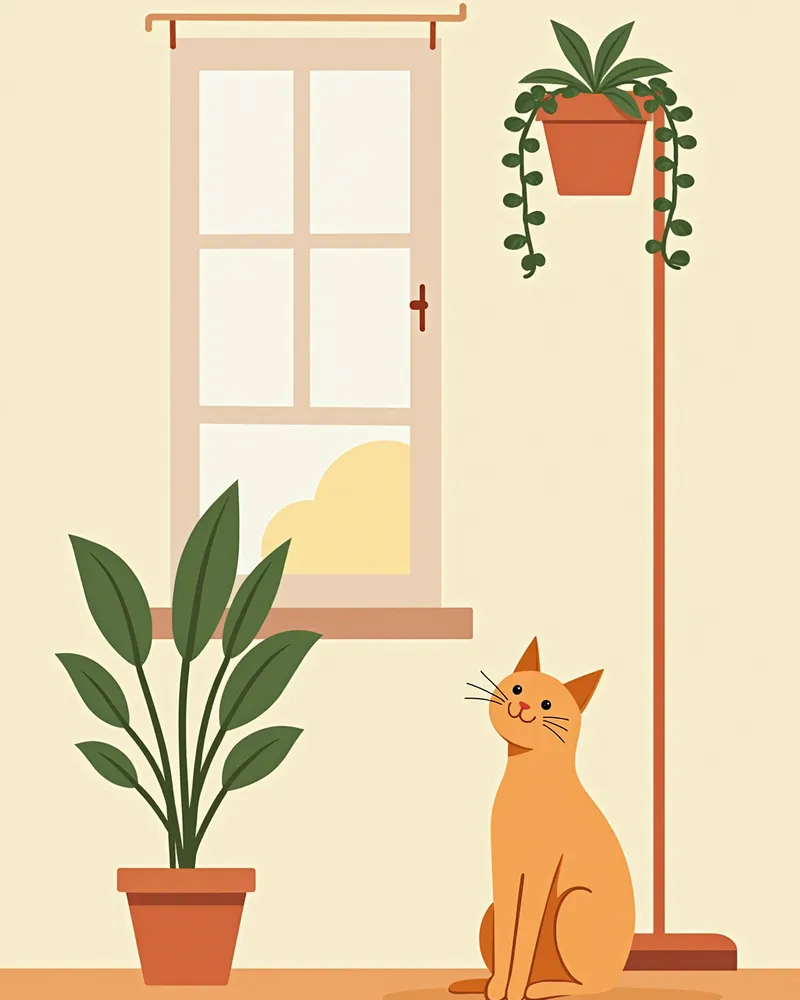
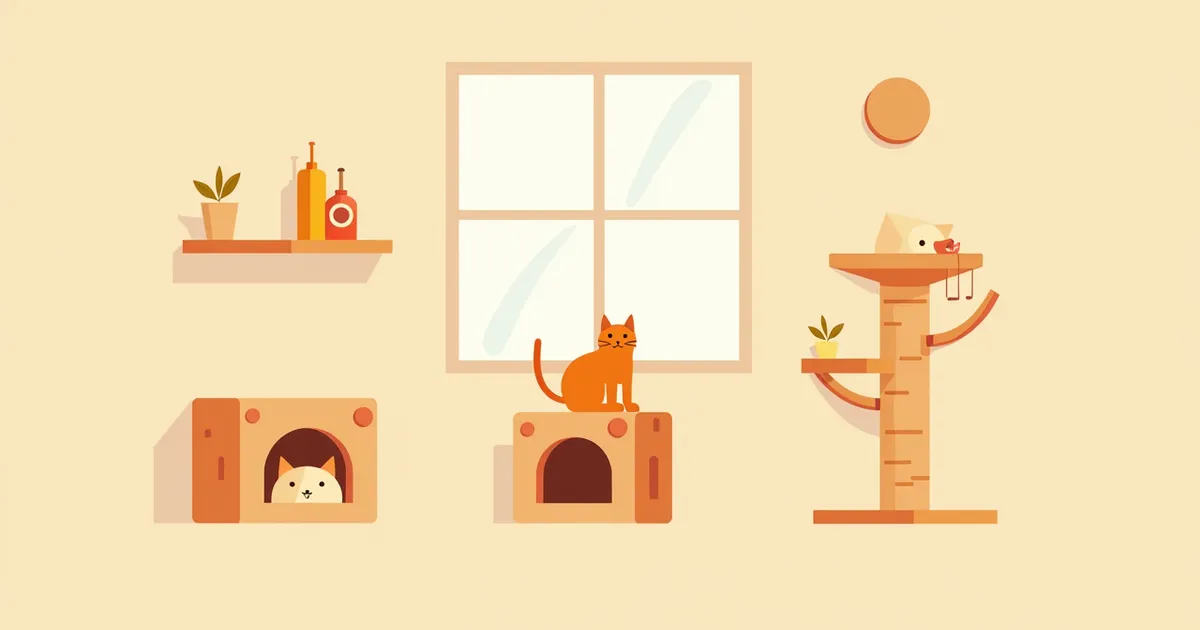
The first step in addressing indoor safety hazards is to eliminate risks and improve the environment. Secure electrical cords with cable covers or organize them in trays. Remove toxic plants immediately or place them out of your cat’s reach. Install safety nets on windows and adjust high surfaces to make them inaccessible. Block or safely design small spaces and gaps to prevent entrapment. Keeping a record after each inspection helps prevent recurring hazards. A safe environment directly supports your cat’s behavioral stability and overall health.
Examples of a safe indoor environment for cats

Management Points for Conducting Indoor Environment Safety Checks at Home

Here are some key points to keep in mind when conducting a home safety check for your indoor environment. It’s important to proactively eliminate hazards, observe your cat’s behavior, and perform regular inspections.
Protect electrical cords: Wrap cables with protective covers or organize them using cable trays.
Remove toxic plants: Some plants can be toxic to cats. If you’re unsure whether a plant is safe, consult your veterinarian or refer to reliable sources to confirm its safety. When in doubt, it’s best to remove the plant or place it out of your cat’s reach.
Install window safety nets: To prevent falls from heights, always install safety nets. Be sure to choose a material strong enough that your cat cannot chew through or tear.
Store small items securely: Keep small objects that could be swallowed by your cat in sealed containers or store them high up where they can’t be accessed.
Provide safe toys: Choose toys made from materials that can’t be swallowed, and regularly inspect them for damage or wear.
A cat playing with a safe toy.

Changes in Your Cat’s Behavior May Signal Environmental Hazards

Changes in your cat's behavior can signal environmental hazards. If your cat suddenly starts hiding, becomes aggressive, or loses its appetite, there may be an issue with its environment. In fact, hiding, changes in appetite, increased aggression, and a withdrawn demeanor are known indicators of chronic stress. If behavioral changes persist, it is important to check for environmental stressors and consult with a veterinarian. Immediate assessment is necessary.

Reviewed by a veterinarian

Dr. Tony — Punnawat Phongkittirak

Dr. Tony — Punnawat Phongkittirak

Veterinarian

A veterinarian who majored in veterinary medicine at Khon Kaen University, Thailand, and completed the IVSA program at North Carolina State University in the United States. Drawing on clinical experience at animal hospitals, he works in the pet healthcare field and is dedicated to building a digital care environment that connects pet parents with veterinarians.

Frequently Asked Questions

How often should you conduct an indoor safety check for your cat?
Regular checks are important, but the specific frequency can vary. It's best to inspect immediately whenever you install new items, remodel your home, or notice changes in your cat's behavior. Adjusting checks based on the situation is more effective than sticking to a fixed schedule.
What should you do if your cat chews on an electrical cord?
Immediately unplug the electrical cord and move your cat to a safe, stable location. Then, consult with your veterinarian, and if any symptoms are present, seek veterinary care right away. It’s important to monitor your cat’s oral condition, breathing, and any changes in behavior.
What are some toxic plants?
Certain plants, such as carnations, eucalyptus, lavender, and asparagus, are known to be toxic to cats. However, the level of risk and associated symptoms vary by plant, and in some cases, the effects are not well established. To ensure your cat’s safety, verify the safety of any new plant with your veterinarian or a reputable source before bringing it home, and whenever possible, place it out of your cat’s reach or remove it entirely.
What type of window safety net should I choose?
Choose a safety net made of a material that cats cannot tear through, such as steel hub mesh. It is important to ensure that the method of attaching the net to the window is secure and that it has a structure to prevent it from opening suddenly.
What should I do if my cat has swallowed a small object?
Contact your veterinarian immediately. A veterinary professional needs to determine whether the ingested object is dangerous, which may require an abdominal X-ray or ultrasound. Do not attempt to palpate your pet’s abdomen or induce vomiting at home. Follow your veterinarian’s instructions for proper care.

Share

Related Guides

References

[1] The Cat, Clinical Medicine and Management, 2nd Edition, 2023

[2] BSAVA Manual of Canine and Feline Dermatology, 4th Ed, 2021

[3] American Association of Feline Practitioners (AAFP) Guidelines on Feline Environmental Needs, 2022

This information is based on veterinary literature and does not replace diagnosis or treatment. Please consult a veterinarian for specific health concerns.

Metapet Co., Ltd. | CEO: Park Sung-yong | Business Reg. No. 417-88-02562 | Seoul, South Korea | Customer Center

Cat Indoor Safety Checklist: Warning Signs and Management Tips | Meongsiljang