

Complete Guide to Cat External Parasite Prevention (Ticks & Fleas): Symptoms, Causes, Diagnosis, Treatment, and Management
Preventing external parasites in cats is essential to protect them from dermatitis, allergies, and infectious diseases caused by ticks and fleas. Regular use of preventive treatments and proper environmental management are key.
Preventing External Parasites in Cats is Key to Skin Health and Infectious Disease Prevention

Main Causes and Transmission Routes of External Parasites
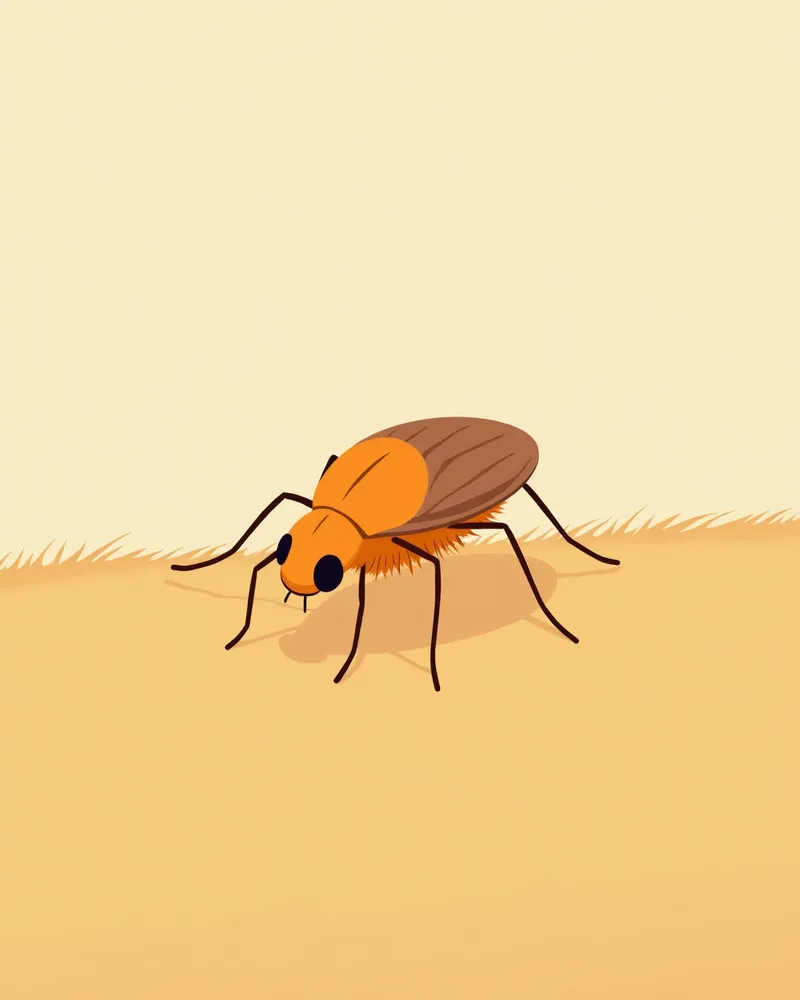
Quickly Check for Key Symptoms and Signs

Emergency Signs Requiring Immediate Veterinary Visit
If your cat suddenly becomes severely lethargic, develops a high fever, shows signs of anemia with pale gums, or exhibits jaundice with yellowing of the skin, eyes, and mucous membranes, seek veterinary care immediately. These symptoms may indicate that a tick-borne protozoan infection has spread through the bloodstream, affecting the entire body.
Diagnostic Tests for Accurate Diagnosis

Treatment Methods: A Step-by-Step Approach is Important
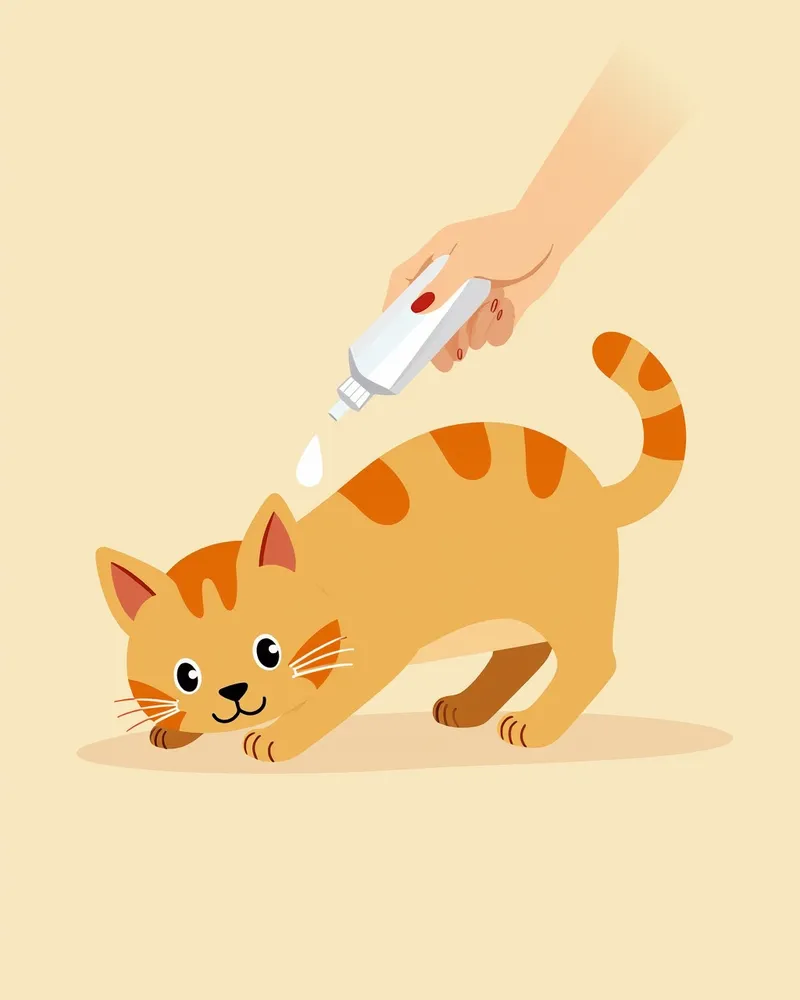
Home Care and Prevention Tips

Breed-Specific Precautions and Tips to Prevent Recurrence
External parasites can affect any cat, regardless of breed. However, in long-haired cats, parasites may hide within the fur, making them difficult to spot with the naked eye. Therefore, please brush your cat regularly and carefully examine the skin. When using preventive treatments, be sure to select products appropriate for your cat’s weight and age. To prevent recurrence, do not miss scheduled preventive treatments and maintain consistent environmental hygiene.
Reviewed by a veterinarian

Dr. Tony — Punnawat Phongkittirak
VeterinarianA veterinarian who majored in veterinary medicine at Khon Kaen University, Thailand, and completed the IVSA program at North Carolina State University in the United States. Drawing on clinical experience at animal hospitals, he works in the pet healthcare field and is dedicated to building a digital care environment that connects pet parents with veterinarians.
Reviewed 2026-06-29
Frequently Asked Questions
What should I do if my cat has been bitten by fleas?
Do indoor cats also need protection against external parasites?
Is it safe to use preventive medications incorrectly?
How long should I use the preventive medication?
Can preventive medications be ineffective?
Share
Related Guides

Top Recommendations and Selection Criteria for Cat FIV and FeLV Testing

Top Microchip Implantation Management Recommendations for Dogs and Key Selection Criteria

Complete Guide to Choosing, Comparing, and Managing the Best Heartworm Preventives for Dogs

If Your Cat’s Heart Is Beating Too Slowly — Causes and Treatment of Bradycardia and Atrioventricular Block

If Your Cat’s Heart Is Beating Irregularly — Atrial Fibrillation Symptoms and Treatment Timing

Measuring Your Dog’s Intraocular Pressure (Tonometry) — Early Detection of Glaucoma and How to Read the Numbers

If Your Dog’s Tears Keep Flowing — Causes of Nasolacrimal Duct Obstruction and When to Treat

If Your Dog’s Eyes Suddenly Become Red and Painful — Emergency Signs and Response for Lens Luxation

If Your Dog’s Eye Color Has Changed — Symptoms of Intraocular Tumors and When to Visit the Vet

If Your Dog Suddenly Loses Vision — Causes and Treatment Timing for Hypertensive Retinopathy
References
[1] BSAVA Manual of Canine and Feline Dermatology, 4th Ed. British Small Animal Veterinary Association, 2021.
[2] Principles and Practices of Canine and Feline Clinical Parasitic Diseases. Wiley-Blackwell, 2010.
[3] American Association of Feline Practitioners (AAFP). Feline Parasite Control Guidelines, 2023.