

A Complete Guide to Symptoms, Causes, Diagnosis, Treatment, and Management for a Cat’s First Vet Visit
A cat’s first visit to the vet is an important time to check their health and begin vaccinations. Understanding their stress responses and symptoms is key.
A Cat’s First Vet Visit Is the Start of Preventive Health Care
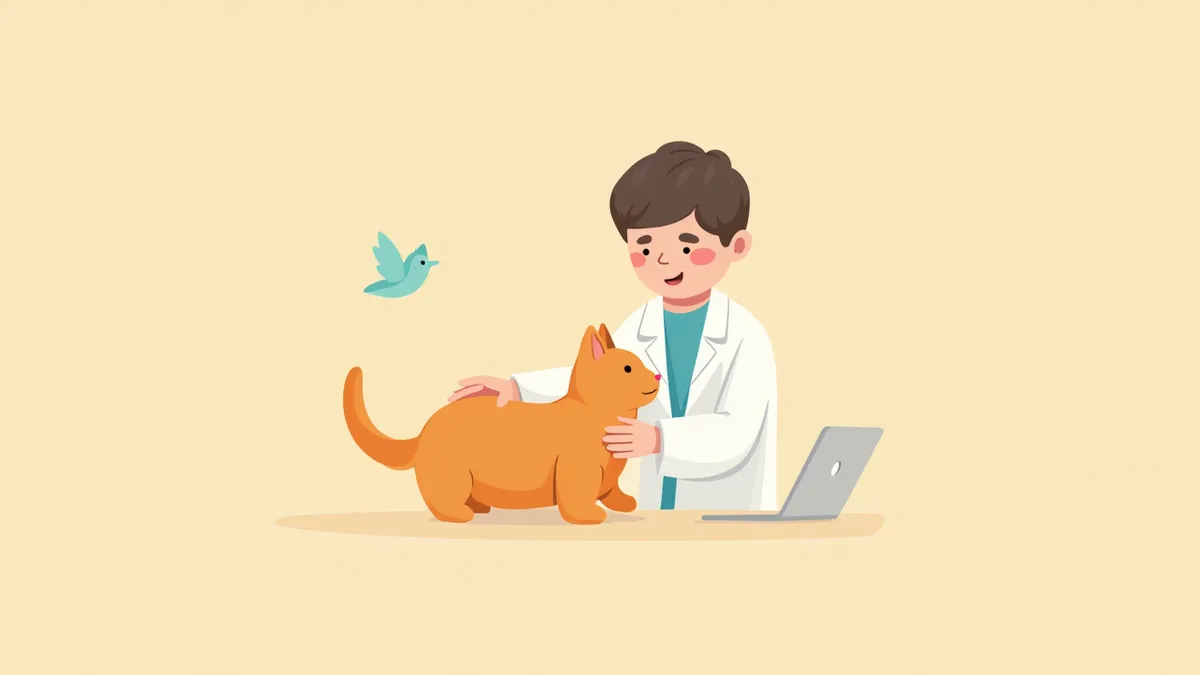
The Main Cause of Stress on the First Visit Is Environmental Change

Checklist of Main Symptoms That May Appear on a Cat’s First Visit

Emergency Signs Requiring Immediate Veterinary Attention
If your cat shows signs of difficulty breathing, elevated body temperature, severe seizures, bloody stool, or loss of consciousness during its first visit, contact the clinic immediately. These are life-threatening emergency situations that require prompt evaluation by a veterinarian.
Various Examination Procedures for Accurate Diagnosis

Treatment and Vaccinations Are Conducted in Stages

The Key to Home Management Is Reducing Stress

Certain Breeds May Experience Greater Stress on Their First Visit
Stress responses to environmental changes can vary from cat to cat, depending more on individual temperament than on breed. The veterinary clinic environment can trigger fear or anxiety to different degrees in different cats, so discussing your cat’s needs with your veterinarian in advance and properly training your cat to use its carrier before visits can help reduce stress. It’s important to prepare according to each cat’s unique personality and pace of adaptation.
Reviewed by a veterinarian

Dr. Tony — Punnawat Phongkittirak
VeterinarianA veterinarian who majored in veterinary medicine at Khon Kaen University, Thailand, and completed the IVSA program at North Carolina State University in the United States. Drawing on clinical experience at animal hospitals, he works in the pet healthcare field and is dedicated to building a digital care environment that connects pet parents with veterinarians.
Reviewed 2026-06-29
Frequently Asked Questions
When should I bring my cat in for its first visit?
How should I go about carrier training?
Can I feed my pet before the visit?
What should I do if my pet is under severe stress?
What should I do when I get home after the first visit?
Share
Related Guides

Top Recommendations and Selection Criteria for Cat FIV and FeLV Testing

Top Microchip Implantation Management Recommendations for Dogs and Key Selection Criteria

Complete Guide to Choosing, Comparing, and Managing the Best Heartworm Preventives for Dogs

Dog’s Abdominal Distension — Warning Signs of Intra-abdominal Tumors and Differential Diagnosis Points

Feline Tumor Prognosis and Survival Time: Symptoms, Causes, Diagnosis, Treatment, and Care Points Summary

If You're Concerned About Your Cat's Cancer Treatment — A Summary of the Effects and Limitations of Tumor Immunotherapy
Cat Tumor Biopsy and Fine-Needle Aspiration: Symptoms, Causes, Diagnosis, Treatment, and Management Essentials

If Your Cat’s Nose or Ear Scabs Won’t Heal — Warning Signs of Squamous Cell Carcinoma and Early Diagnosis

My Cat’s Cough Won’t Stop — Signs of Lung Cancer and Metastasis, and When to Diagnose and Treat

How to Reduce Pain in Cats with Cancer: A Complete Guide to Palliative Care and Pain Management