
Canine Gallbladder Mucocele: Symptoms, Causes, Diagnosis, Treatment, and Care Essentials
We’ve compiled key information on canine gallbladder mucocele, including its causes, symptoms, diagnosis, criteria for determining whether surgery is necessary, and post-operative home care.
What is Canine Gallbladder Mucocele?
Causes and Risk Breeds for Gallbladder Mucocele
Checklist of Key Symptoms That Are Easy to Overlook
Danger Signs Requiring Immediate Veterinary Visit
If you notice any of the following symptoms, your pet may be on the verge of a gallbladder rupture or may have already developed peritonitis. Immediate visit to a 24-hour emergency veterinary clinic is necessary. - Sudden severe vomiting and abdominal distension - Jaundice (yellow discoloration) in the whites of the eyes, gums, and skin - Extreme lethargy or decreased consciousness - Strong resistance to abdominal palpation
How Is It Diagnosed?
Treatment Options — Surgery Is the Standard
Post-Operative Home Care Essentials
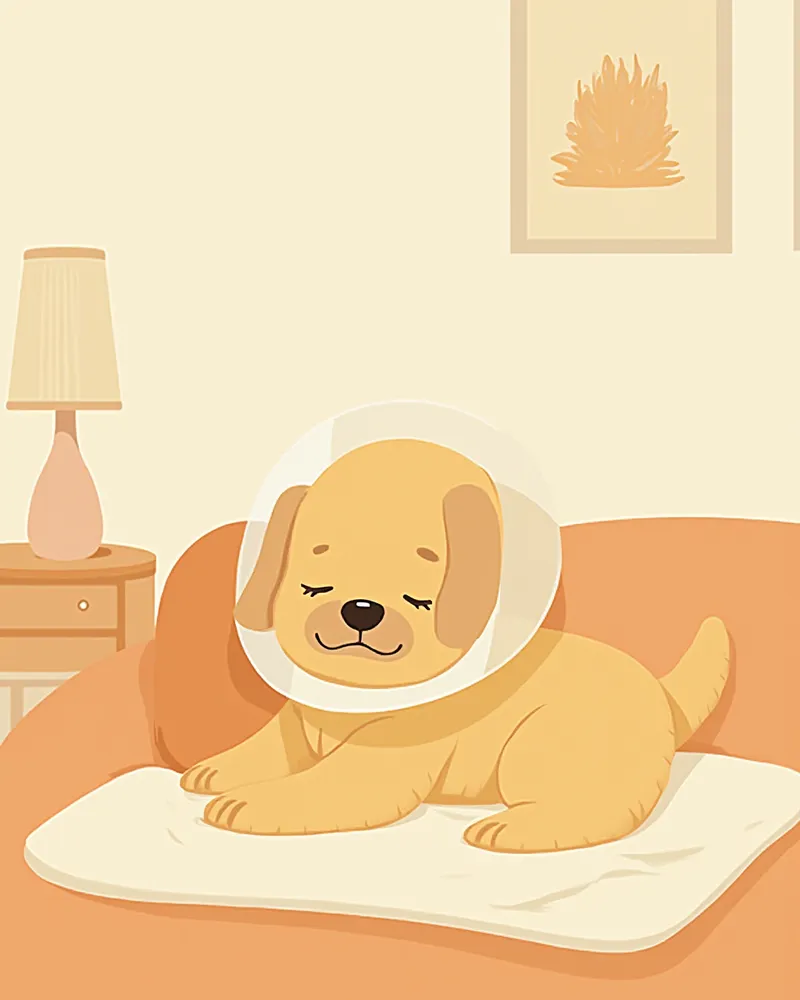
What Owners of High-Risk Breeds Must Know
Gallbladder mucoceles often remain asymptomatic or present only with mild symptoms until the gallbladder ruptures. Therefore, regular abdominal ultrasound screenings are the most reliable way to detect the condition early, even in the absence of symptoms. We strongly recommend more thorough routine check-ups starting in middle age for small-breed dogs prone to cholecystitis, as well as for dogs with endocrine or lipid metabolism disorders such as hypothyroidism, Cushing’s syndrome, diabetes mellitus, or hyperlipidemia, or those with gallstones. Because veterinary textbooks vary in their views on the genetic risk for specific breeds, it is difficult to make a definitive generalization; thus, we advise consulting with your veterinarian to determine the appropriate screening interval.
Reviewed by a veterinarian

Dr. Tony — Punnawat Phongkittirak
VeterinarianA veterinarian who majored in veterinary medicine at Khon Kaen University, Thailand, and completed the IVSA program at North Carolina State University in the United States. Drawing on clinical experience at animal hospitals, he works in the pet healthcare field and is dedicated to building a digital care environment that connects pet parents with veterinarians.
Reviewed 2026-05-28
Frequently Asked Questions
Does a gallbladder mucocele always require surgery?
Can my pet live a normal life after gallbladder removal surgery?
Can a gallbladder mucocele recur?
Can gallbladder mucocele be prevented?
Can a dog have a gallbladder mucocele even if it doesn’t appear to be in pain?
Share
Related Guides
My Senior Cat Won’t Eat — A Complete Guide to Choosing Food for Cats with Weak Digestion
Top 5 Prescription Diets for Feline Pancreatitis Recommended by Veterinarians — Low-Fat, Highly Digestible Food Guide

Royal Canin vs Hill’s vs Purina vs Orijen — Which Brand Is Right for Your Pet, According to Veterinarians?
If Your Dog Has a Hole in Their Heart — Ventricular Septal Defect Symptoms and When to Visit the Vet
If Your Dog Is Panting Frequently and Appears Tired — Causes and Treatment of Tricuspid Valve Dysplasia
Spironolactone for Dogs — Effects, Side Effects, and Key Points for Administration
Monitoring Puppy Resting Respiratory Rate: From Measurement Methods to Heart Failure Risk Criteria
If Your Dog Suddenly Loses Energy — Causes and Treatment of Hypertrophic Cardiomyopathy
Complete Guide to Canine Heart Failure Stages (ACVIM) — Symptoms and Treatment Timing by Stage
Dog ECG — Complete Guide from Arrhythmia Diagnosis to Test Preparation
References
[1] Ettinger SJ, Feldman EC, Côté E. Textbook of Veterinary Internal Medicine, 8th Ed. Elsevier, 2017.
[2] Fossum TW. Small Animal Surgery, 5th Ed. Elsevier, 2019.
[3] Malek S, Sinclair E, Hosgood G, et al. Clinical findings and prognostic factors for dogs undergoing cholecystectomy for gall bladder mucocele. Vet Surg, 2013;42(4):418–426.
[4] Aguirre AL, Center SA, Randolph JF, et al. Gallbladder disease in Shetland Sheepdogs: 38 cases (1995–2005). J Am Vet Med Assoc, 2007;231(1):79–88.