Like
Share
멍실장
강아지 항암 부작용 관리 증상과 원인, 진단·치료와 관리 포인트 총정리

If Your Dog Is Struggling After Cancer Treatment — Side Effect Symptoms and Management Tips

Oncology/CancerDiseasesMeongsiljang Veterinary Advisory Board

Side effects during a dog’s cancer treatment can affect various organs, including the digestive system, blood, and skin. Early recognition and proper management can help maintain your pet’s quality of life.

Chemotherapy Side Effects in Dogs Are Various Physical Reactions That Occur During Treatment
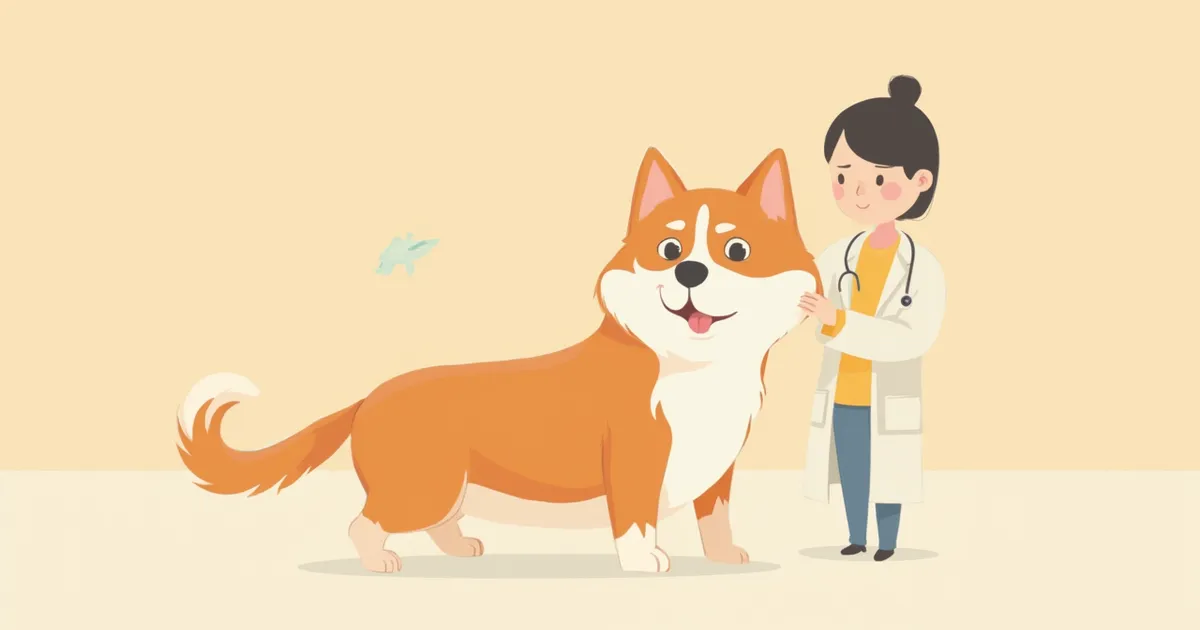
A photo of a puppy with a slightly tired-looking face.
Chemotherapy side effects in dogs arise because the drugs damage not only cancerous cells but also healthy cells that divide rapidly. Since chemotherapy agents act non-specifically on cells, they can affect normal tissues as well. The most common side effects occur in the gastrointestinal tract and bone marrow (blood cells). Frequent symptoms include vomiting, diarrhea, loss of appetite, decreased white blood cell count, and lethargy. Because each drug may have unique side effects, early detection is crucial. Keeping a record of signs to watch for during daily care can improve communication with your veterinarian. Addressing symptoms before they worsen helps maintain treatment continuity and enhances your pet’s quality of life.

The Main Causes of Chemotherapy Side Effects Are Drug Cytotoxicity and Immune Responses
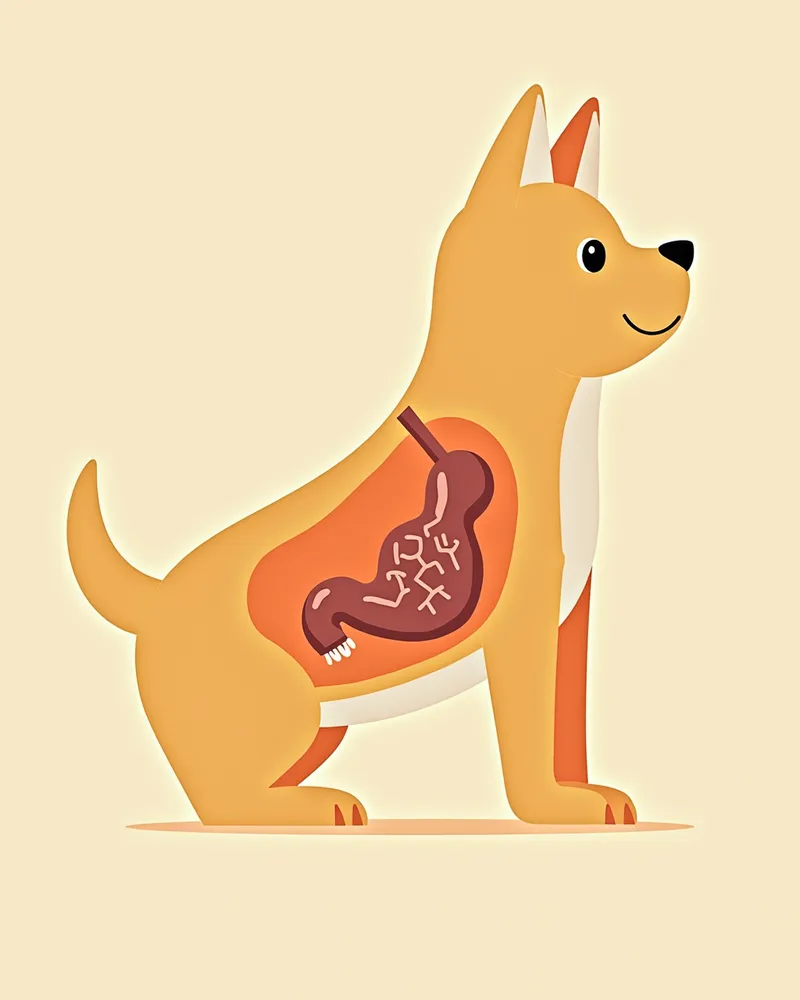
Chemotherapy drugs target malignant cells but can also damage healthy cells that divide rapidly, leading to side effects. Because the cytotoxicity of chemotherapy is non-specific, tissues with high cell turnover, such as the gastrointestinal mucosa and bone marrow, are particularly vulnerable. Consequently, gastrointestinal symptoms like vomiting, diarrhea, and loss of appetite, as well as bone marrow suppression manifesting as decreased white blood cell and platelet counts, are the most common side effects. Additionally, breeds with MDR1 (ABCB1) gene mutations may have altered protein function involved in drug distribution and excretion, making them more sensitive to certain chemotherapy agents like doxorubicin and vinca alkaloids. This is a critical factor that must be considered when developing a treatment plan. Understanding the mechanism of action of the drugs and the individual genetic characteristics of each dog is key to ensuring safe treatment.
A diagram highlighting the areas where drug-induced damage can occur in a puppy's bone marrow, gastrointestinal tract, and hair follicles.

Identify Key Symptoms and Signs

The main symptoms of chemotherapy side effects in dogs are listed below, including some signs that owners often overlook. Early recognition makes management much easier.
Repeated vomiting: Vomiting occurs repeatedly within 1 to 2 hours after eating.
Severe diarrhea: Watery diarrhea persists three or more times a day.
Decreased appetite: The dog refuses treats or eats them but spits most of them out.
Increased fatigue: The dog remains inactive and stays in the same spot all day.
Blood in stool or mixed blood in feces: Red blood is visible in the stool during defecation.
Persistent fever: Body temperature rises above 39.5°C and remains elevated for more than 24 hours.
If any of these symptoms appear, consult your veterinarian immediately.
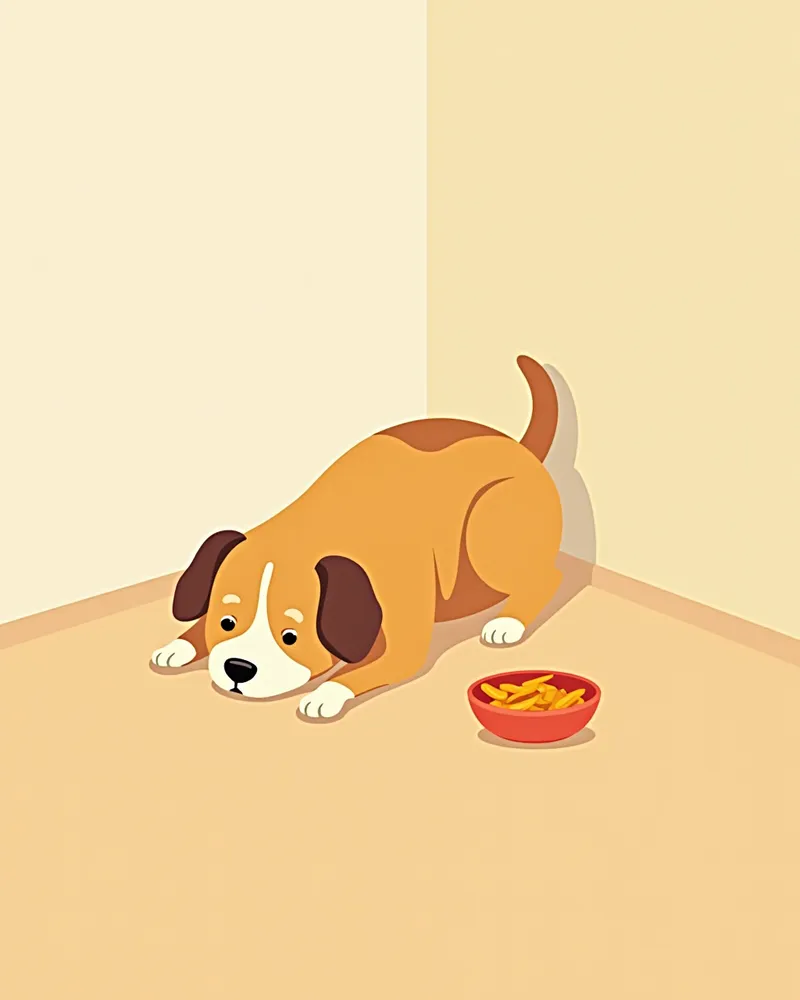
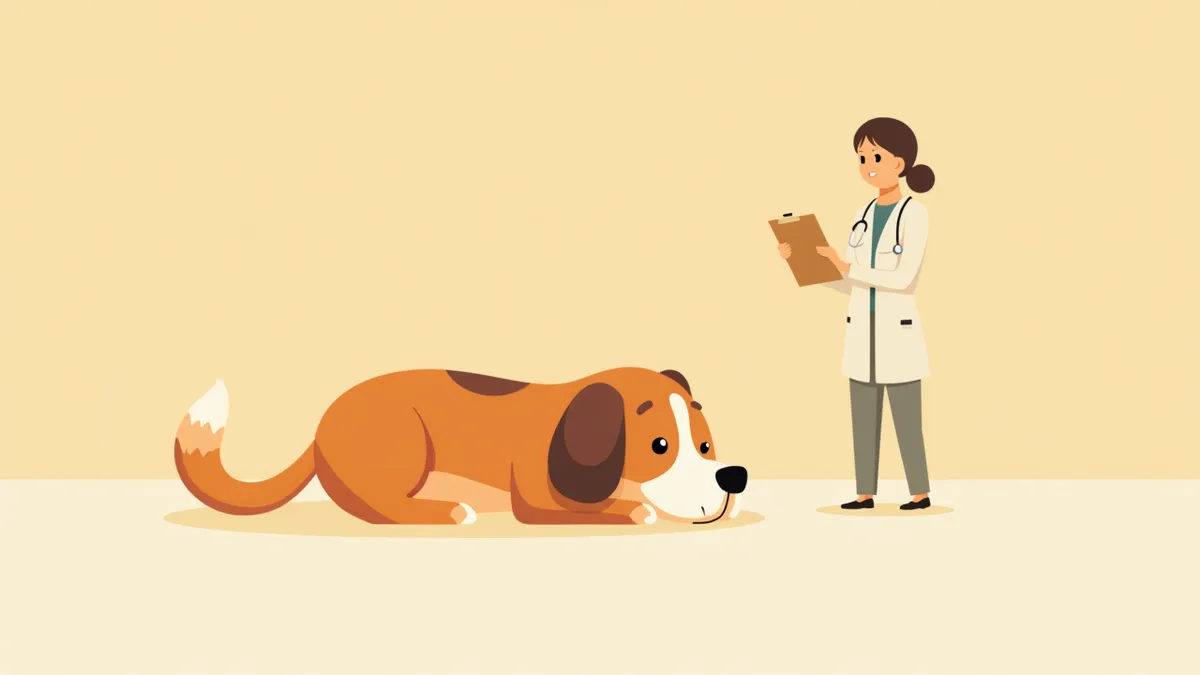
A photo of a dog that appears to have no appetite, sitting without eating its food.

Emergency Signs Requiring Immediate Veterinary Care

If vomiting persists for more than six hours, or if diarrhea leads to signs of dehydration—such as dry lips and decreased skin elasticity—seek veterinary care immediately. Blood in the stool, a fever above 39.5°C, or altered consciousness can be life-threatening. Because these symptoms can worsen rapidly during cancer treatment, early intervention is crucial.

Diagnosis Is Based on Symptom Assessment and Blood Tests
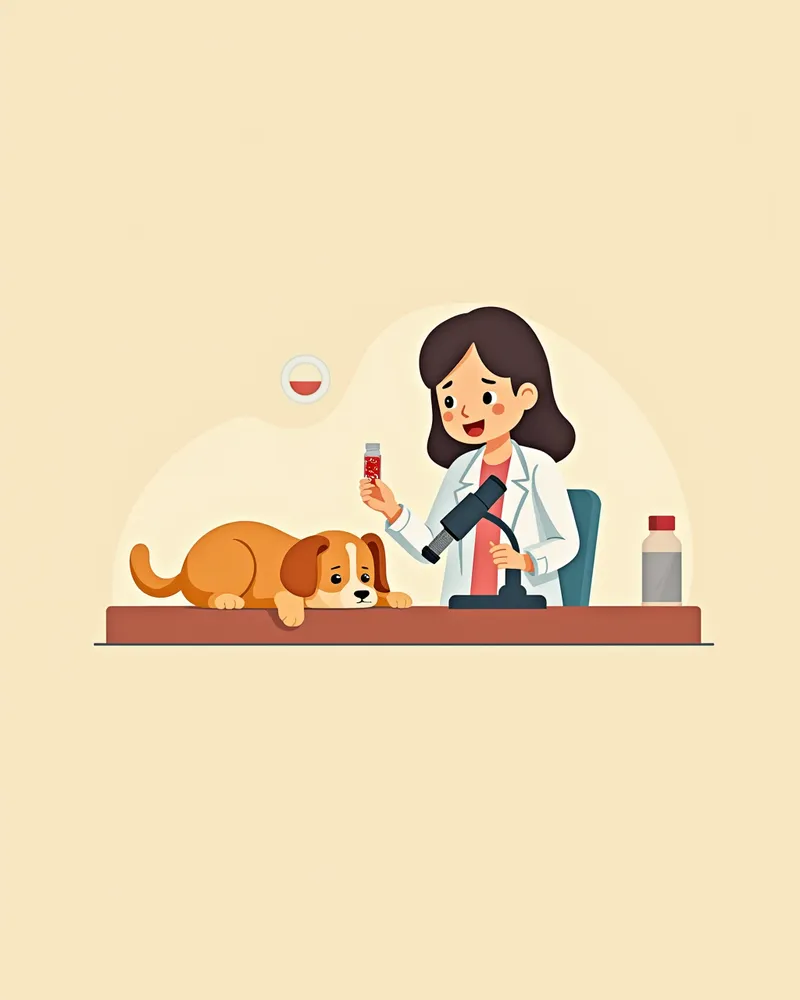
Diagnosing side effects of cancer treatment relies on your observations, along with a veterinarian’s physical exam, blood tests, and urinalysis. In particular, if there’s a drop in white blood cell count, a decrease in hemoglobin, or signs of liver dysfunction, these can help determine the severity of the side effects. If necessary, additional tests like abdominal ultrasounds or X-rays may be performed. Continuous monitoring is essential for an accurate diagnosis, and keeping detailed records of any changes in symptoms can improve diagnostic accuracy. Early detection and precise evaluation play a crucial role in increasing the success rate of treatment.
A veterinarian examining a sample under a microscope for a blood test.

Treatment Involves Medication Adjustment and Supportive Therapy Based on Symptoms
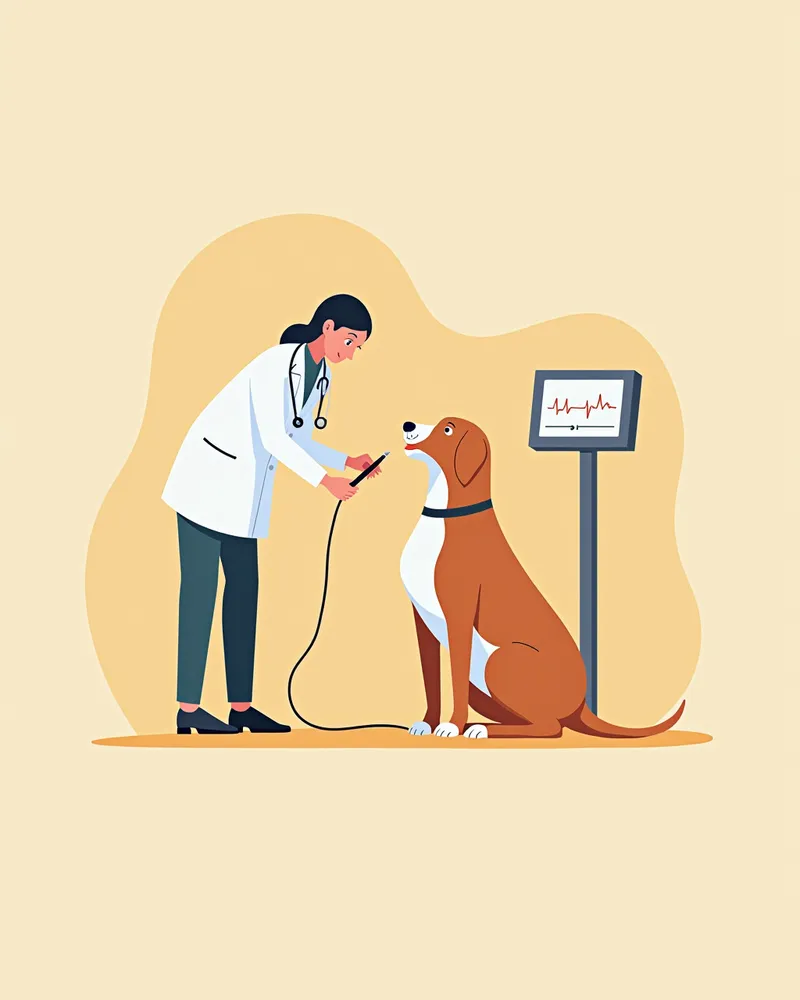
Treatment for cancer-related side effects depends on the type and severity of symptoms. Severe vomiting is managed with antiemetics, while diarrhea is treated with intestinal mucosal protectants. If white blood cell counts are low, immune support supplements or antibiotics may be used concurrently. For significant fatigue or pain, pain relievers or energy supplements may be considered. Your veterinarian will adjust the treatment plan and may modify medication dosages based on your dog’s condition. Consistent monitoring and open communication are key to successful treatment.
A veterinarian administering an intravenous injection.

Carefully Follow Home Management Guidelines

Daily care for your dog during cancer treatment is crucial. Please follow these guidelines closely:
Diet Management: Offer small, frequent meals of food with a mild aroma.
Hydration: Change the water frequently, and consider fluid supplementation if your dog refuses to drink.
Rest: Limit exercise to two or three short walks per day, and provide a comfortable resting area for the rest of the time.
Stable Environment: Minimize stimulation from noise, people, and other animals.
Medication Log: Record the time of each dose and any observed reactions daily.
Regular Weigh-ins: Notify your veterinarian immediately if you notice rapid weight loss.
A photo showing a dog comfortably lying on its bed, with food and water bowls ready nearby.

Breeds With MDR1 Gene Mutations Require Caution Regarding Drug Responses

Certain breeds, such as Collies and Shetland Sheepdogs, carry an MDR1 (ABCB1) gene mutation that can make them more sensitive to certain chemotherapy drugs like doxorubicin and vinca alkaloids. In these cases, dose adjustments or alternative treatments may be necessary. It is recommended to perform an MDR1 (ABCB1) genetic test before starting chemotherapy or if drug toxicity is suspected, to ensure safety.

Reviewed by a veterinarian

Dr. Tony — Punnawat Phongkittirak

Dr. Tony — Punnawat Phongkittirak

Veterinarian

A veterinarian who majored in veterinary medicine at Khon Kaen University, Thailand, and completed the IVSA program at North Carolina State University in the United States. Drawing on clinical experience at animal hospitals, he works in the pet healthcare field and is dedicated to building a digital care environment that connects pet parents with veterinarians.

Frequently Asked Questions

Do cancer treatments always cause side effects?
Not all dogs experience the same side effects. The extent of reactions can vary depending on individual constitution, breed, type of medication, and stage of disease. Some dogs tolerate treatment very well with minimal or no adverse effects.
Should I stop the treatment if the side effects are severe?
It’s not common to stop treatment even if side effects are severe. Your veterinarian can help manage and reduce side effects through medication adjustments or supportive care, allowing the treatment to continue safely.
Can my pet take the medication right after eating?
It depends on the type of medication. Some are recommended to be taken after meals, while others should be taken on an empty stomach. Please follow your veterinarian’s instructions carefully for proper administration.
Is it okay to go for walks during cancer treatment?
If your dog is very tired, it’s best to shorten or skip walks altogether. Short strolls can help lift their spirits, but always keep a close eye on how they’re feeling.
Once the side effects subside, can I return to my pet’s regular diet?
Even if symptoms have disappeared, avoid switching back to regular food immediately. Gradually transition the diet to allow the stomach to adjust, and follow your veterinarian’s advice.

Comparison of Management Strategies by Severity of Chemotherapy Side Effects

ItemMildModerateSevere
Vomiting1–2 times, within 1 hour after eating3 or more times, at least twice a dayPersistent, lasting more than 6 hours
DiarrheaSoft stool, onceWatery stool, 2–3 timesMixed with bloody stool, 4 or more times
FatigueNeeds rest after a short walkImmobile all dayReduced consciousness, unresponsive
Veterinary responseObservation onlyMedication adjustment recommendedImmediate hospital visit required

Whether you should consult your veterinarian depends on the severity of the side effects. Early recognition is key.

Share

Related Guides

References

[1] Small Animal Critical Care Medicine, 3rd Ed. 2015. Chapter 19: Chemotherapy Side Effects and Management.

[2] Veterinary Surgical Oncology, 2nd Ed. Maruo T. et al. 2011. Retrospective study of canine nasal tumor treated with hypofractionated radiotherapy.

[3] Plumb's Drug Handbook for Dogs and Cats, 2023. Section on Chemotherapy Agents and Adverse Reactions.

This information is based on veterinary literature and does not replace diagnosis or treatment. Please consult a veterinarian for specific health concerns.

Metapet Co., Ltd. | CEO: Park Sung-yong | Business Reg. No. 417-88-02562 | Seoul, South Korea | Customer Center

Is Your Dog Struggling After Chemo? Side Effect Signs & Care Tips | Meongsiljang