Like
Share
멍실장
강아지 요붕증 증상과 진단·치료, 평생 식이·관리 가이드

Canine Diabetes Insipidus: Symptoms, Diagnosis, Treatment, and Lifelong Dietary & Management Guide

EndocrineDiseasesMeongsiljang Veterinary Advisory Board

Canine diabetes insipidus is an endocrine disorder in which the kidneys fail to concentrate urine due to abnormalities in antidiuretic hormone or impaired renal response. We’ve outlined the diagnostic approaches for central and nephrogenic types, treatment with DDAVP, and key points for lifelong management.

What is Canine Diabetes Insipidus? Causes and Types at a Glance
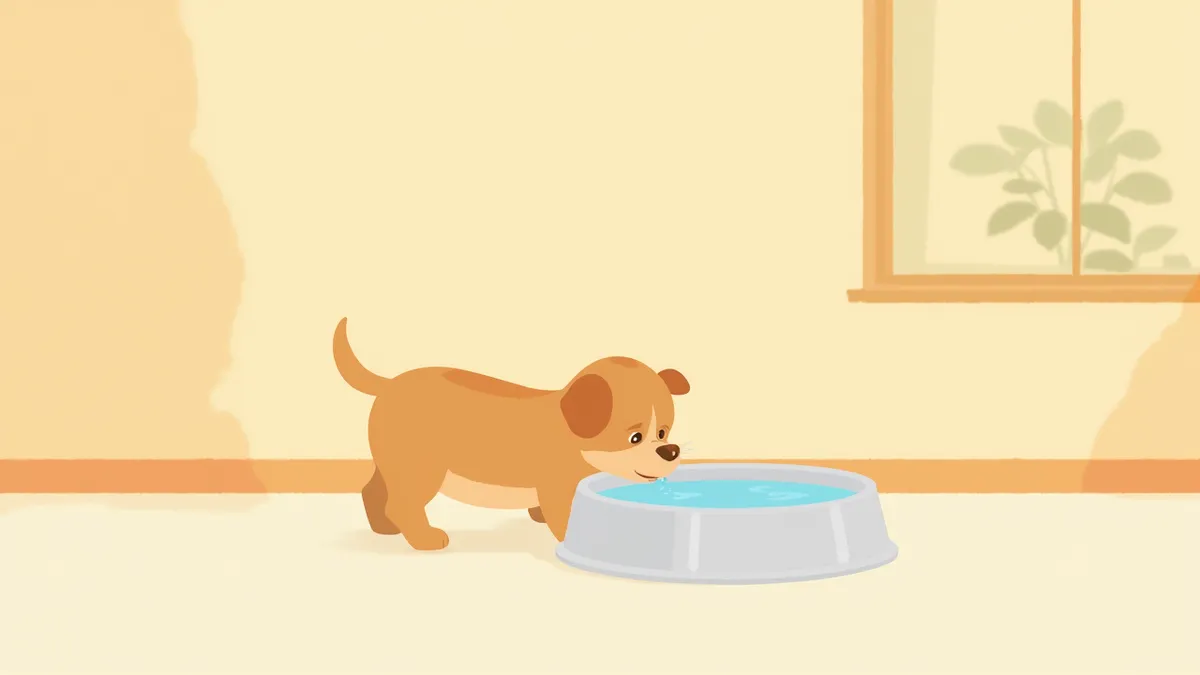
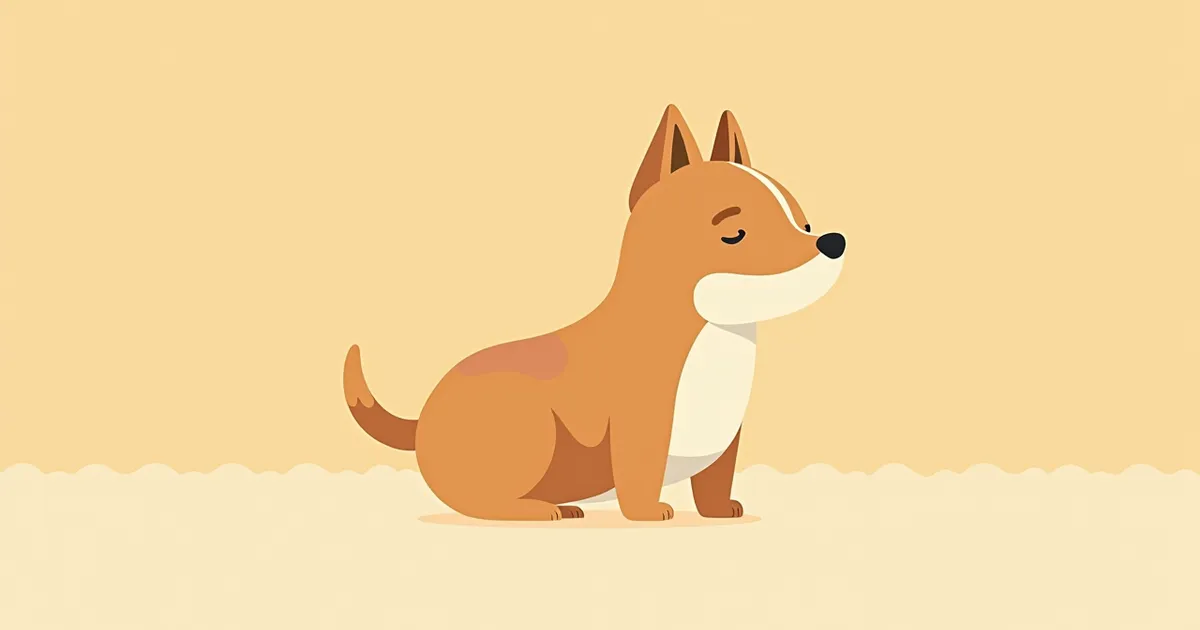
A dog with diabetes insipidus that continuously drinks excessive amounts of water
Canine diabetes insipidus is an endocrine disorder in which the body cannot concentrate urine due to either insufficient secretion of antidiuretic hormone (ADH) or impaired renal response to ADH. This results in excessively dilute urine, prompting the body to compensate by driving abnormal thirst and excessive water intake. Crucially, it is essential to accurately distinguish between the two types—central, caused by pituitary gland dysfunction, and nephrogenic, caused by kidney dysfunction—because their treatment approaches differ significantly. With proper diagnosis and targeted treatment, most dogs can lead a near-normal life.

Causes of Diabetes Insipidus — Central vs. Nephrogenic

Central Diabetes Insipidus: Damage to the pituitary gland or hypothalamus prevents the adequate production of antidiuretic hormone (ADH). Common causes include head trauma, brain tumors, encephalitis, or idiopathic cases with no identifiable cause. Idiopathic central diabetes insipidus can occur at any age.
Nephrogenic Diabetes Insipidus: ADH is secreted normally, but the renal tubules fail to respond to it. This condition may be congenital or secondary to other diseases such as hypercalcemia, hypokalemia, pyometra, or Cushing’s syndrome. In nephrogenic cases, treatment of the underlying disease takes priority.

Key Symptoms Checklist

Polyuria (increased urine output): Your pet urinates multiple times a day, and the volume is noticeably increased. Polydipsia (excessive thirst): Suspect this if your pet drinks more than 100 ml per kilogram of body weight per day. Clear, dilute urine: The urine is nearly colorless and has a weak odor. Nocturia and indoor accidents: Your pet may start having accidents at night due to an inability to hold it. Lethargy and weight loss: As dehydration progresses, your pet will become weak and lose weight. Decreased appetite: As symptoms worsen, food intake will decrease.
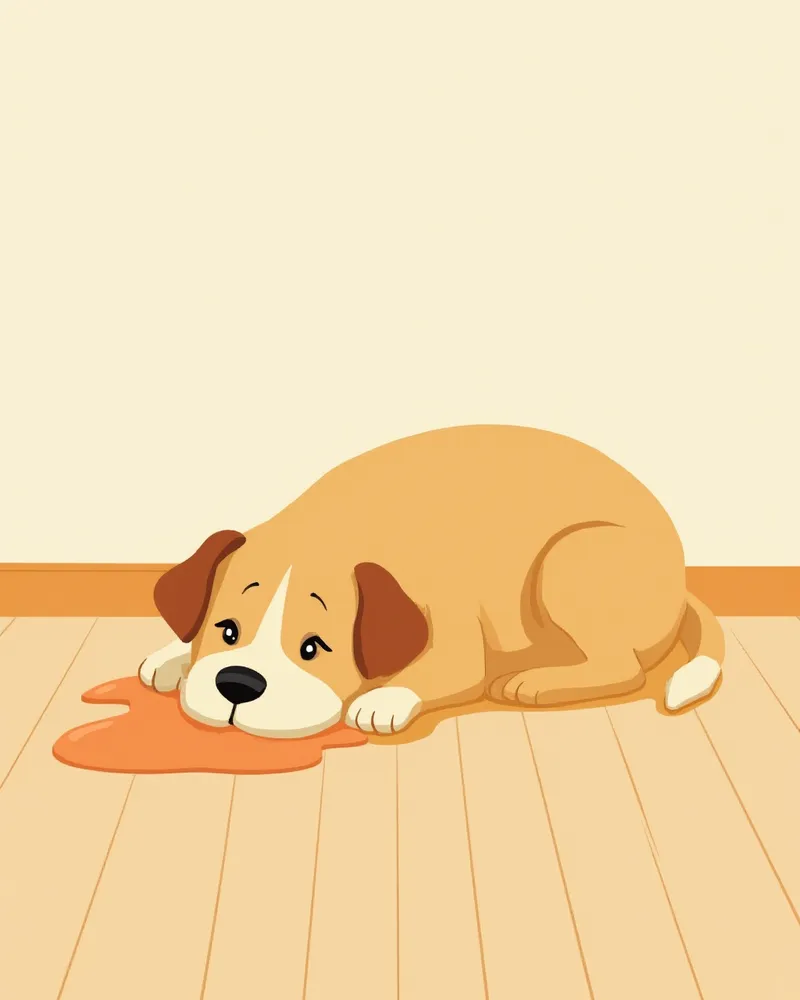
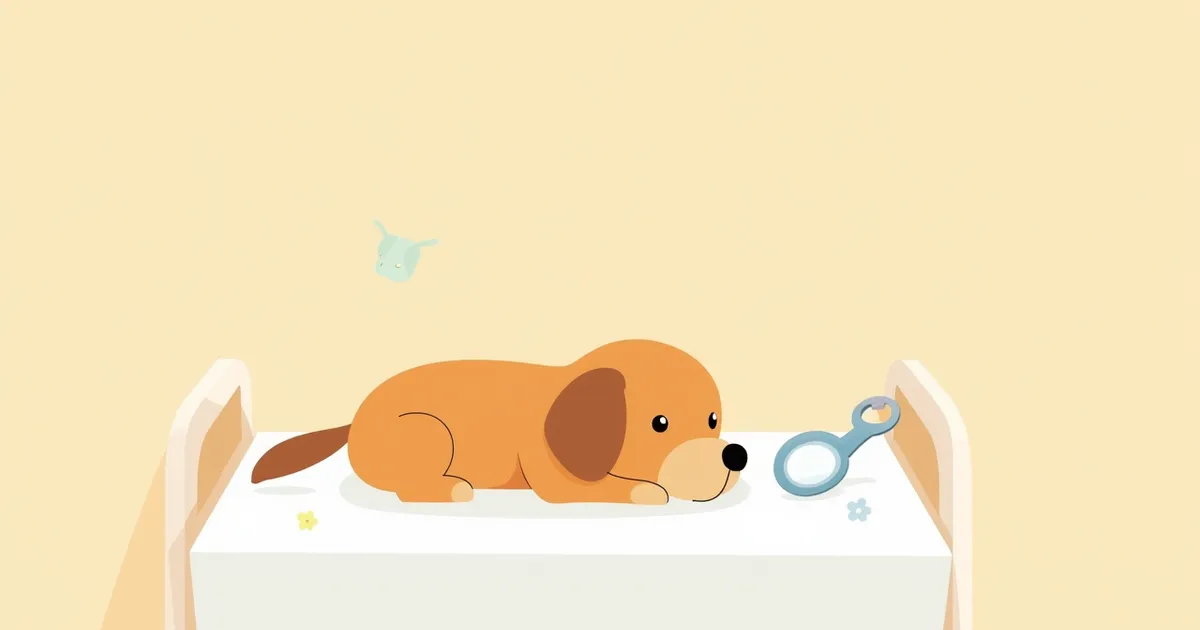
A lethargic dog lying down due to diabetes insipidus

Seek Emergency Veterinary Care Immediately if These Symptoms Appear

If dehydration worsens to the point where the eyes appear sunken or the gums become sticky and pale, seek veterinary care immediately. Hypernatremia can develop within just a few hours without water intake, and severe cases may lead to seizures or coma. Always ensure your pet has access to water during travel or transport.

Diagnostic Methods — Step-by-Step Testing Overview

Urinalysis: In diabetes insipidus, the kidneys fail to concentrate urine, resulting in a very low specific gravity close to 1.000. When such dilute urine is confirmed, diabetes insipidus is suspected, and further testing is pursued.
Blood tests: Serum sodium, kidney function values, and Cushing’s-related hormone levels are checked.
Water deprivation test: Water intake is restricted for a set period to observe changes in urine specific gravity. Because of the risk of dehydration, this test must be performed under veterinary supervision at a clinic.
DDAVP (antidiuretic hormone) response test: After administering an antidiuretic hormone analog, we assess whether the kidneys can concentrate urine to distinguish between central and nephrogenic forms.
Imaging studies: If a pituitary tumor is suspected, MRI or CT scans are performed.

Treatment Methods — Approach by Type

Central Diabetes Insipidus: Desmopressin (DDAVP) is the cornerstone of treatment. Eye drops are the most commonly used administration method, with one drop instilled into each eye. Your veterinarian will adjust the dosage and dosing interval based on your pet’s weight and clinical signs. The goal is long-term management rather than a cure.
Nephrogenic Diabetes Insipidus: The underlying condition (such as Cushing’s disease or hypercalcemia) must be treated first. Once the primary cause is resolved, the diabetes insipidus often improves as well. For congenital nephrogenic cases, a low-sodium diet and thiazide diuretics may be used.
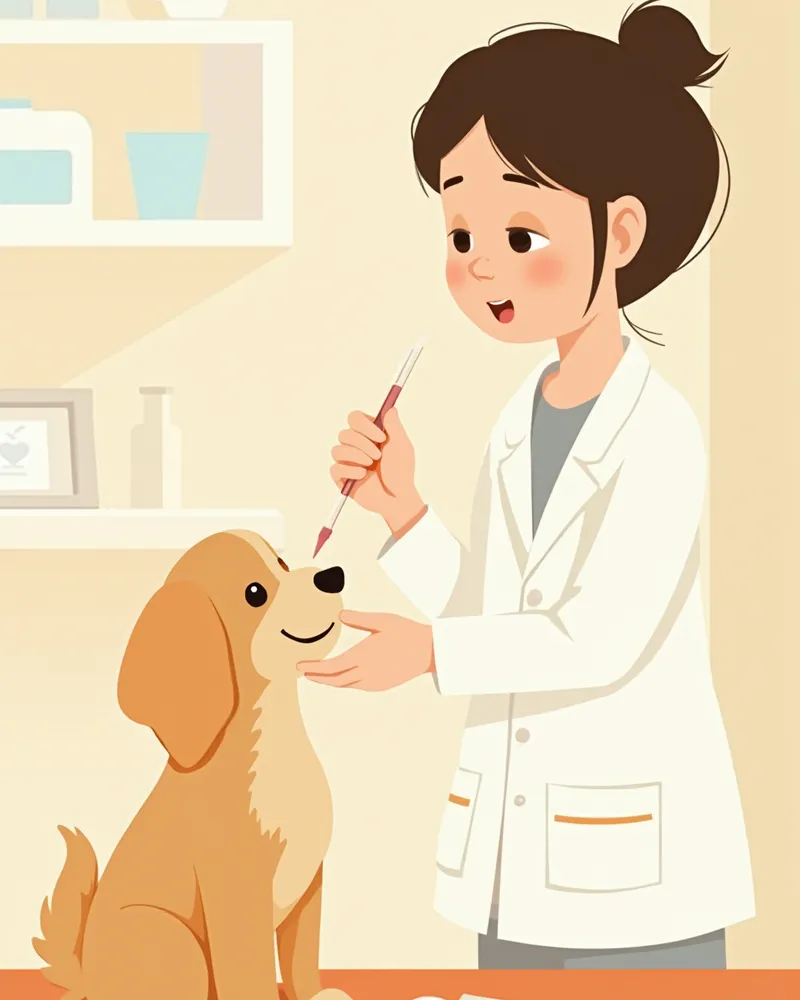
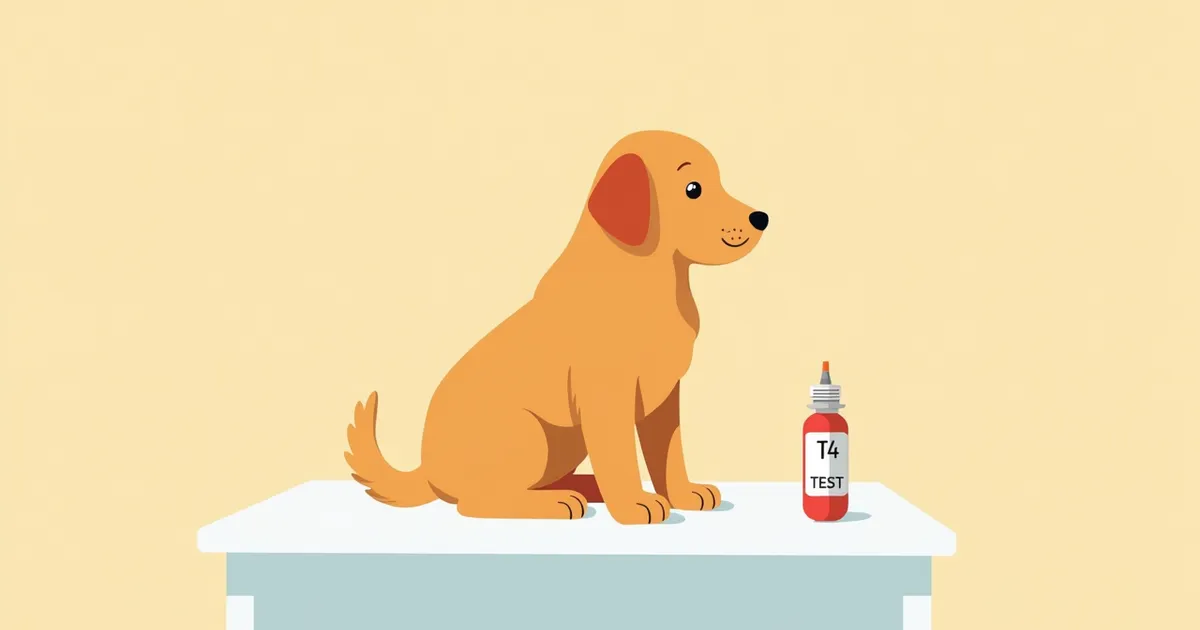
A veterinarian treating a dog with diabetes insipidus using DDAVP eye drops

Home Management Points — Daily Essentials to Check
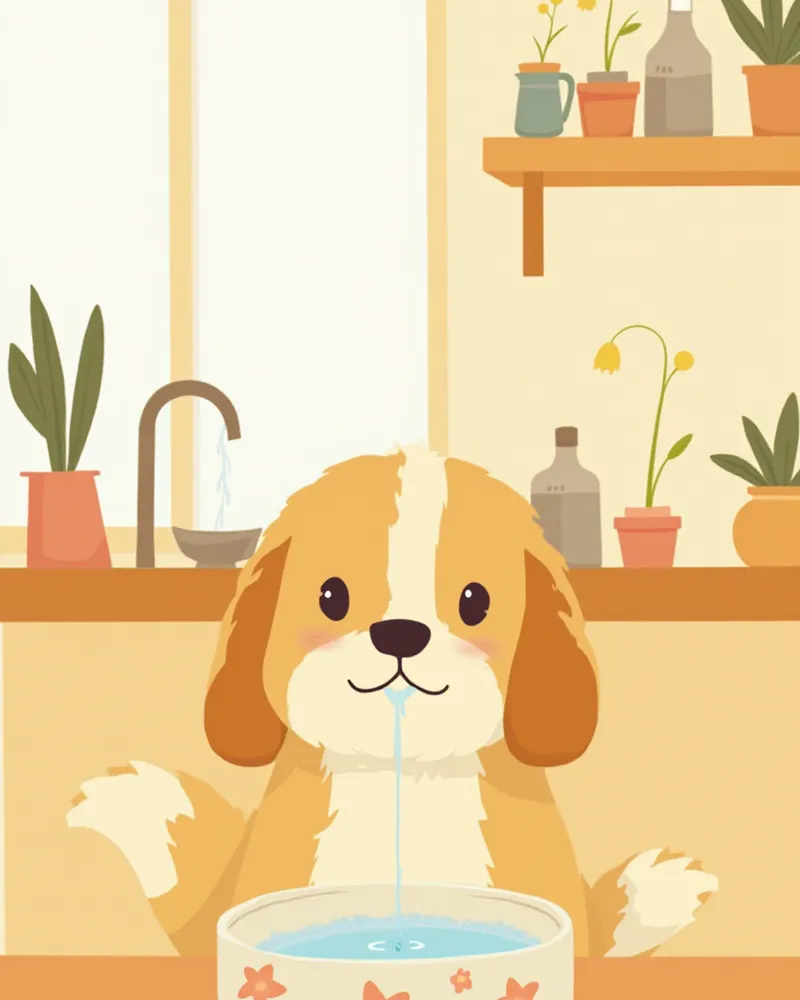
Always provide fresh water: Never restrict your pet’s access to water. Always pack a water bowl when going out or traveling.
Track daily water intake: Recording how much water your pet drinks each day helps you quickly notice any changes in their condition.
Low-sodium diet: Avoid salty snacks and foods high in sodium. Use only the food recommended by your veterinarian.
Consistent medication: Stopping DDAVP abruptly can cause symptoms to return immediately.
Regular check-ups: Have urine and blood tests done every 3 to 6 months to monitor your pet’s health.
A dog being managed for diabetes insipidus is provided with plenty of fresh water.

Breed-Specific Precautions and Recurrence Prevention

Central diabetes insipidus can be congenital or acquired, often due to a pituitary tumor. If a pituitary tumor is the cause and accompanied by neurological symptoms such as lethargy, pacing, or seizures, radiation therapy should be considered first—please discuss this thoroughly with your veterinarian. Do not stop or reduce DDAVP dosage on your own during treatment, as symptoms may return; always follow your veterinarian’s guidance for any tapering or adjustment plan.

Reviewed by a veterinarian

Dr. Tony — Punnawat Phongkittirak

Dr. Tony — Punnawat Phongkittirak

Veterinarian

A veterinarian who majored in veterinary medicine at Khon Kaen University, Thailand, and completed the IVSA program at North Carolina State University in the United States. Drawing on clinical experience at animal hospitals, he works in the pet healthcare field and is dedicated to building a digital care environment that connects pet parents with veterinarians.

Frequently Asked Questions

How are diabetes insipidus and diabetes mellitus different?
Both conditions cause increased thirst and urination, but they are entirely different diseases. Diabetes mellitus involves issues with insulin and blood sugar levels, while diabetes insipidus relates to problems with antidiuretic hormone or the kidneys' ability to concentrate urine. Blood and urine tests can help distinguish between the two.
If my pet has diabetes insipidus, will they need to take medication for the rest of their life?
Central diabetes insipidus usually requires lifelong administration of DDAVP. In contrast, nephrogenic diabetes insipidus caused by an underlying condition may no longer require medication once that condition is treated. Your veterinarian will make this determination based on regular test results.
Won’t restricting water intake result in less urination?
Never restrict water intake. Dogs with diabetes insipidus cannot concentrate their urine, so limiting water can lead to rapid dehydration and life-threatening complications. Always ensure fresh water is freely available at all times.
Is there a way to suspect diabetes insipidus at home?
Try measuring how much water your pet drinks in a 24-hour period. If they consume more than 100 ml per kilogram of body weight per day, further testing for causes of polyuria-polydipsia, including diabetes insipidus, is necessary.
Can I give treats to a dog with diabetes insipidus?
It's best to avoid salty treats high in sodium. This is especially important for pets with central diabetes insipidus, as a low-sodium diet is crucial. Please consult your veterinarian to choose appropriate treats before feeding them to your pet.

Share

Related Guides

References

[1] Feldman EC, Nelson RW, Reusch CE, Scott-Moncrieff JCR. Canine and Feline Endocrinology, 4th Ed. Chapter 3: Diabetes Insipidus. Elsevier Saunders, 2015.

[2] Ettinger SJ, Feldman EC, Côté E. Textbook of Veterinary Internal Medicine, 8th Ed. Chapter 52: Polyuria and Polydipsia. Elsevier, 2017.

[3] DiBartola SP. Fluid, Electrolyte, and Acid-Base Disorders in Small Animal Practice, 4th Ed. Chapter 2: Disorders of Sodium and Water. Elsevier Saunders, 2011.

This information is based on veterinary literature and does not replace diagnosis or treatment. Please consult a veterinarian for specific health concerns.

Metapet Co., Ltd. | CEO: Park Sung-yong | Business Reg. No. 417-88-02562 | Seoul, South Korea | Customer Center

Canine Diabetes Insipidus: Symptoms, Diagnosis & Care Guide | Meongsiljang