Like
Share
멍실장
고양이 갑상선기능항진증 고양이 증상과 원인, 진단·치료와 관리 포인트 총정리

If Your Cat Is Eating a Lot but Losing Weight — Causes and Treatment Timing for Hyperthyroidism

EndocrineDiseasesMeongsiljang Veterinary Advisory Board

Feline hyperthyroidism is a common endocrine disorder in older cats, characterized by excessive production of thyroid hormones, which can lead to weight loss, increased appetite, and an elevated heart rate. Early diagnosis and appropriate treatment are essential.

Feline Hyperthyroidism Is a Common Endocrine Disorder in Senior Cats
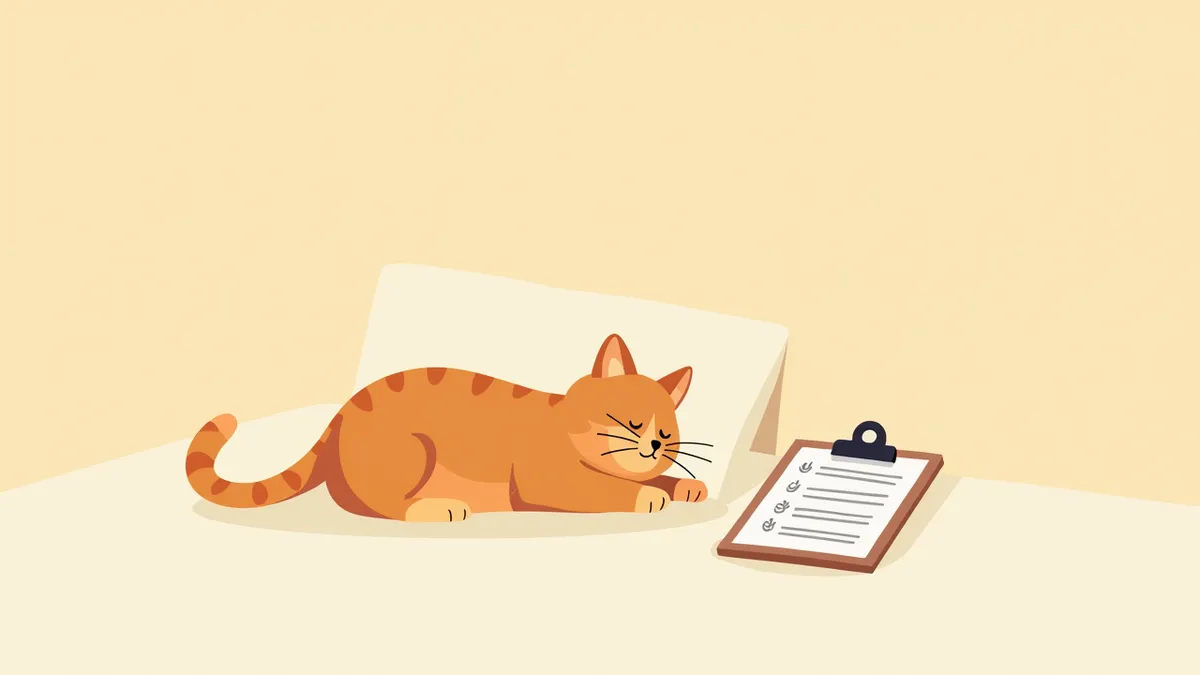
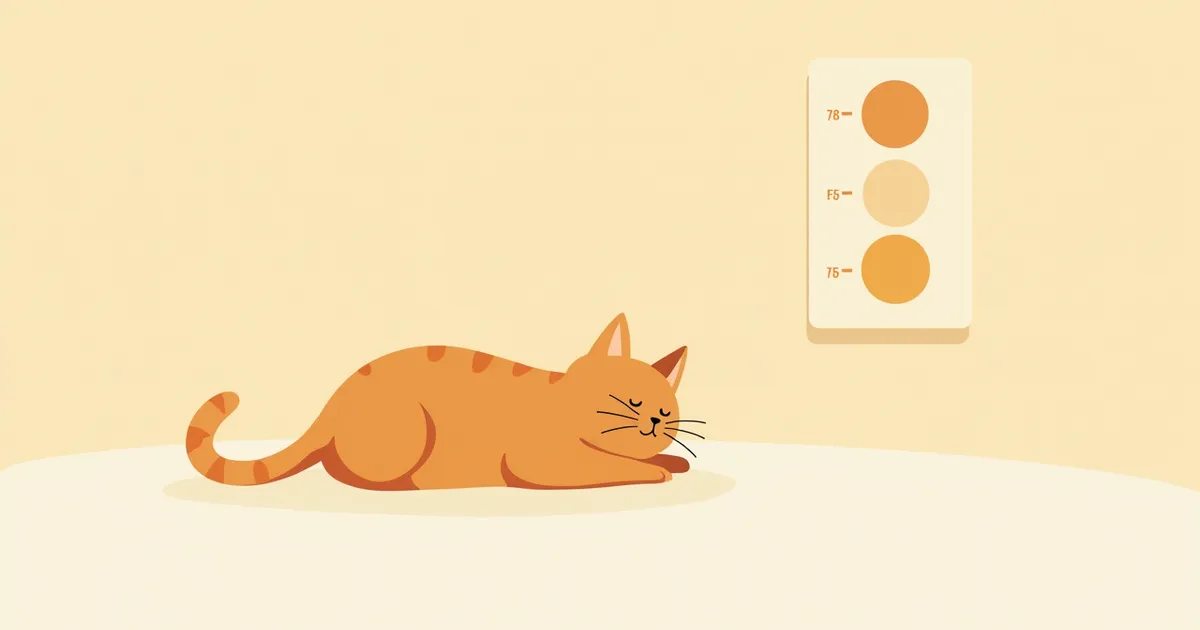
An elderly cat resting comfortably on a soft bed, with a medical chart for a veterinary visit placed nearby.
Feline hyperthyroidism is an endocrine disorder that commonly affects senior cats aged 10 years and older. - Excessive thyroid hormone secretion: The thyroid gland overproduces thyroxine (T4), which sharply increases the cat's metabolic rate. - Increased metabolism: A hallmark symptom is increased appetite accompanied by weight loss. - Increased heart rate and anxious behavior: Cats may exhibit a rapid heartbeat, along with excessive activity or signs of anxiety. - Hypertension and cardiac complications: If left untreated, the condition can lead to long-term issues such as cardiac hypertrophy, heart failure, and high blood pressure. Early diagnosis is crucial, as treatment outcomes are significantly better when the disease is detected early.

The Main Cause of Hyperthyroidism Is Thyroid Tumors
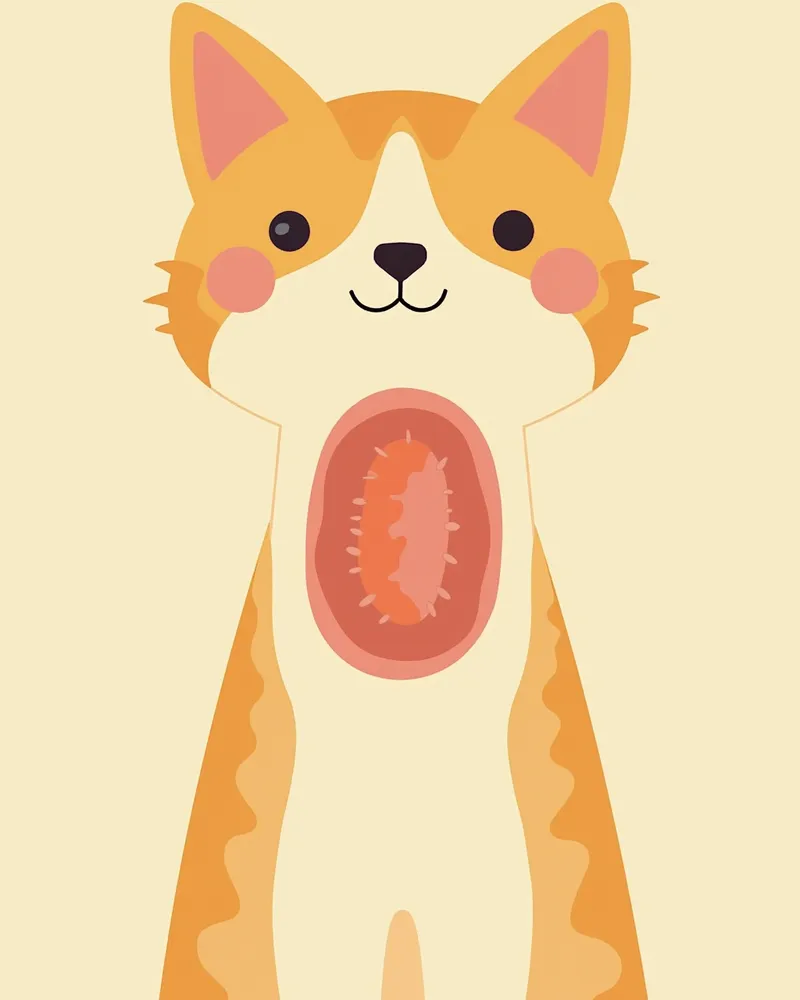
Most cases of feline hyperthyroidism stem from benign thyroid tumors, specifically adenomatous hyperplasia. - Adenomatous hyperplasia: Tumors develop that autonomously secrete hormones, leading to persistently elevated thyroid hormone levels. - Association with age: The risk increases significantly in cats over 10 years old, becoming more common with advancing age. - Potential for malignant transformation: While some tumors may progress to malignancy, the vast majority remain benign. - Induction of hormone excess: These tumors continuously secrete hormones, bypassing normal regulatory mechanisms. Early diagnosis and management can help prevent complications.
An anatomical diagram showing an enlarged tumor in a cat's thyroid gland

Understand the Main Symptoms and Signs
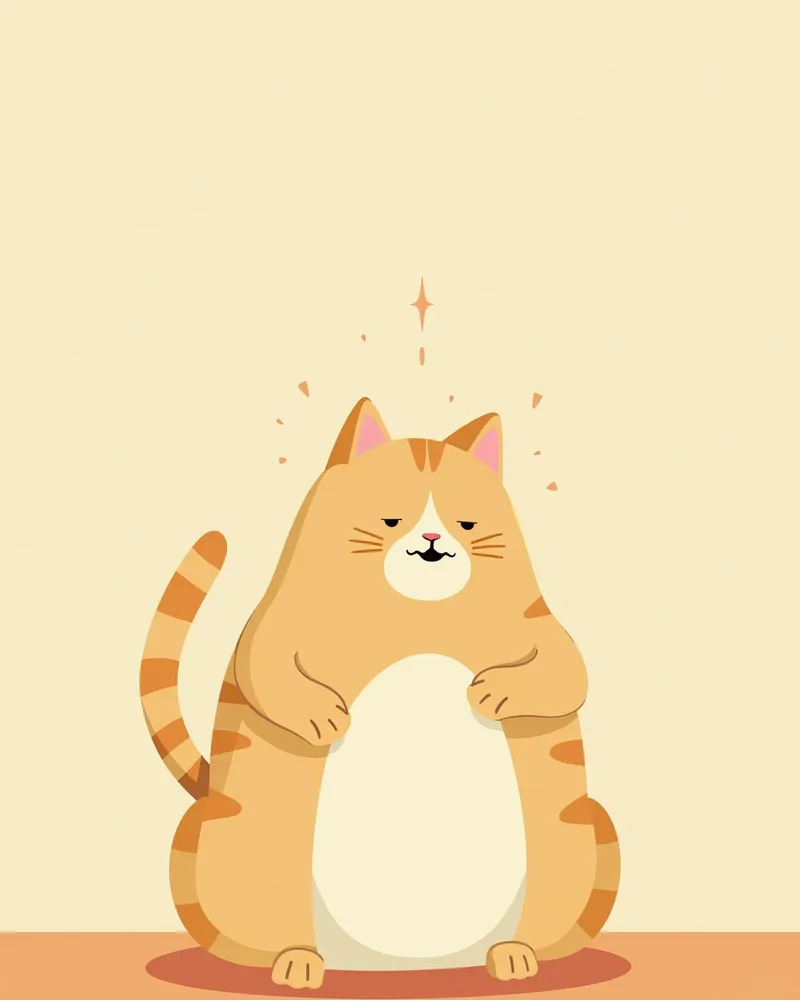
The main symptoms of feline hyperthyroidism include the following. Despite an increased appetite, there is noticeable weight loss. The heart rate increases, and the cat may exhibit anxiety or excessive activity. Gastrointestinal signs such as vomiting, diarrhea, and a roughened coat are also common. Because these symptoms tend to worsen gradually, early detection is important.
Weight loss: A condition where the cat loses weight rapidly despite having a strong appetite.
Increased appetite: A behavior characterized by a constant desire to eat treats or regular food.
Increased heart rate: A state in which the heart beats faster, even during rest.
Excessive activity: Behaviors such as running around more frequently than usual or appearing restless.
Vomiting and diarrhea: Signs indicating abnormal gastrointestinal function.
Deterioration of coat condition: The fur becomes rough and more prone to shedding.
The cat is sitting on the floor looking anxious, while the owner has a worried expression.

Immediate Veterinary Visit Is Necessary If Severe Heart Problems or High Blood Pressure Are Present

Hyperthyroidism can place a significant strain on the heart. It may cause an increased heart rate and lead to cardiomegaly, where the heart muscle thickens. If this condition progresses, it can result in heart failure. Additionally, since high blood pressure may accompany hyperthyroidism, blood pressure monitoring and an echocardiogram are essential.

Diagnosis Is Confirmed Through Blood Tests and Thyroid Hormone Levels
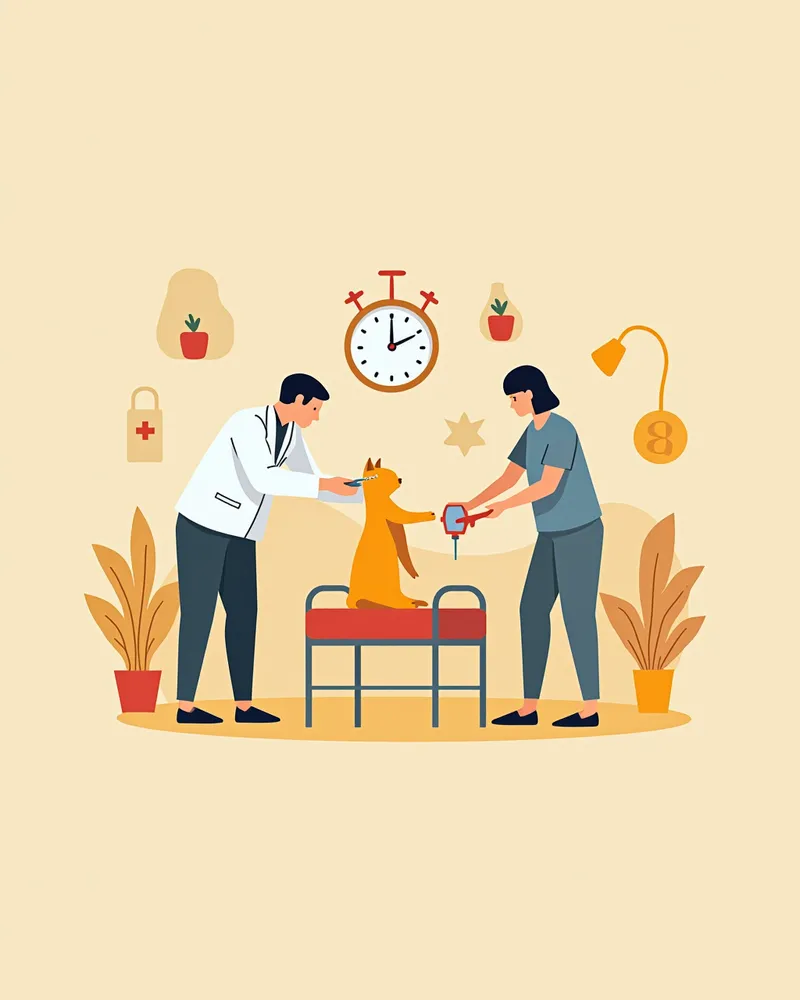
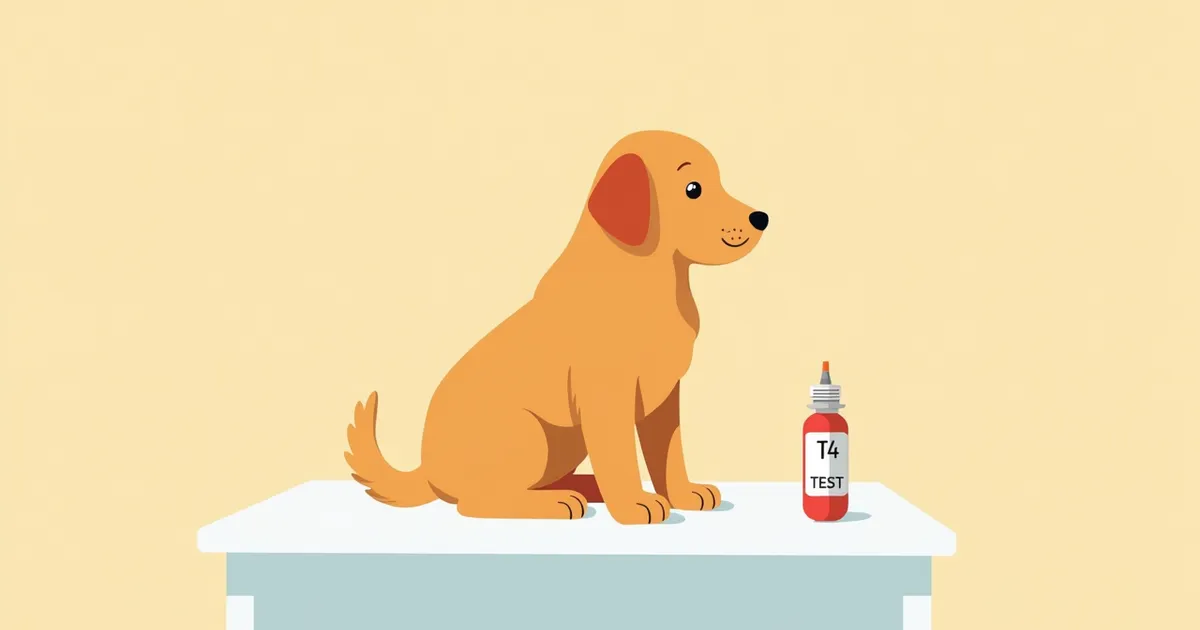
Feline hyperthyroidism is primarily diagnosed through blood tests. - Total T4 (thyroxine) level measurement: This is the most basic test. If T4 levels exceed the normal range, hyperthyroidism is suspected. - Need for additional tests: In some cases, T4 levels may be near the upper limit of normal, so additional tests such as free T4 or TSH (thyroid-stimulating hormone) may be necessary. - Cardiac and blood pressure evaluation: Since heart enlargement and high blood pressure can accompany the condition, an echocardiogram and blood pressure measurement are also performed. - Comprehensive assessment for accurate diagnosis: Rather than relying on a single test, clinical symptoms and test results should be considered together. Early diagnosis increases the success rate of treatment.
A veterinarian drawing blood from a cat’s leg, with hospital equipment visible in the background.

There Are Four Treatment Options

There are several treatment options for feline hyperthyroidism. First, medication such as methimazole can be used to suppress hormone production. Second, radioactive iodine therapy helps restore the thyroid gland to normal function. Third, surgical removal involves excising thyroid tumors. Fourth, a low-iodine diet serves as a dietary approach to inhibit hormone synthesis. The most suitable treatment plan is chosen based on the cat’s health status and the owner’s circumstances.
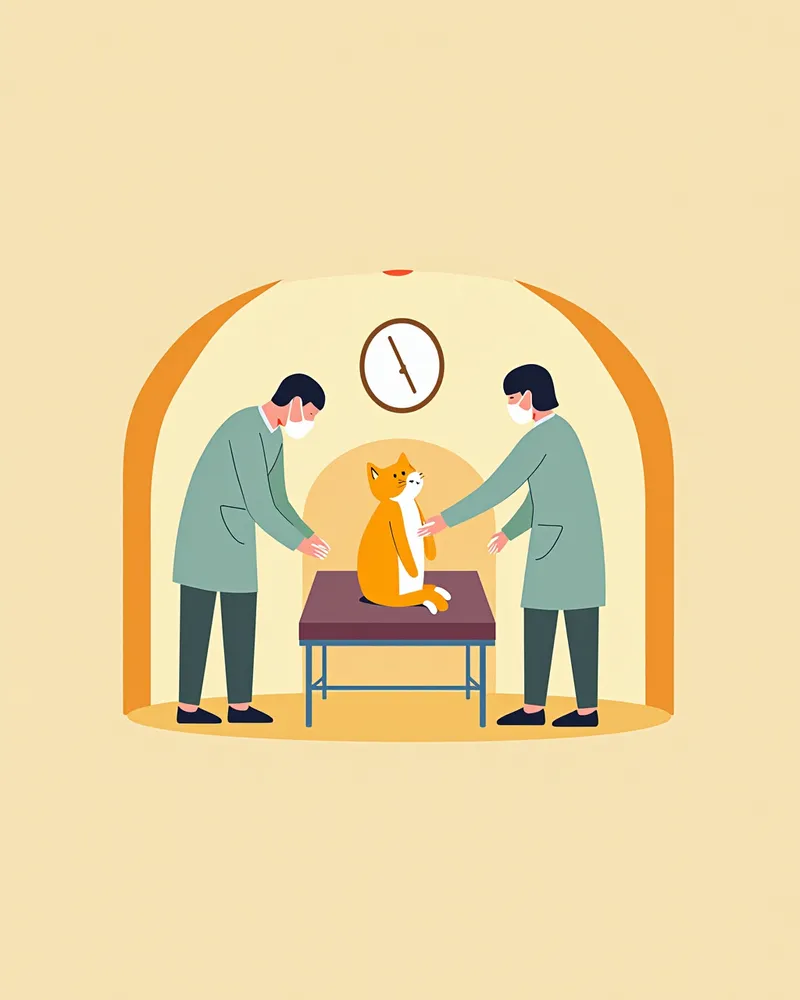
A cat undergoing radioactive iodine therapy inside a shielded room, with the medical team wearing protective suits.

Home Care and Monitoring Are Important
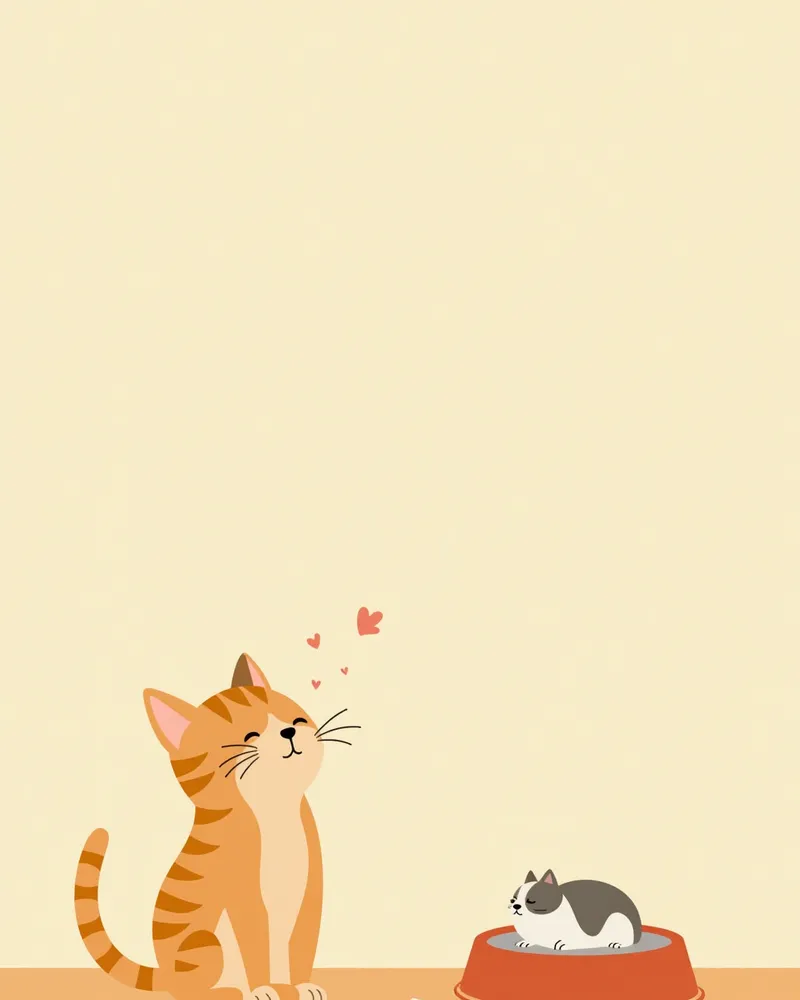
During treatment, it is essential to keep up with regular check-ups and medication. Since side effects may occur, closely monitor for decreased appetite, vomiting, or skin reactions. Regularly check your cat’s heart condition and blood pressure. Additionally, keeping a record of your cat’s eating habits and weight changes can help evaluate the effectiveness of the treatment.
Regular Check-ups: Blood tests are necessary every 3 to 6 months while on medication.
Monitoring for Side Effects: If you notice decreased appetite, vomiting, or skin rashes, consult your veterinarian immediately.
Weight Records: Measure and record your cat’s weight weekly.
Observing Eating Habits: Carefully monitor food intake and bowel patterns.
Heart Condition Monitoring: If your cat’s heart rate increases or breathing becomes rapid, immediate attention is required.
A diary for recording your cat’s weight, food intake, and behavior is placed next to the food bowl.

Certain Breeds Have a Higher Risk of Developing Hyperthyroidism

Feline hyperthyroidism is far more closely linked to age than to breed. According to veterinary textbooks, there are no clear predisposing factors based on breed or sex; in fact, purebred cats such as Siamese and Himalayans have been reported to have a lower risk of developing the condition. Because the disease typically manifests in middle-aged cats and older, particularly those over 10 years of age, age is the most significant risk factor, regardless of breed. Therefore, if your cat is over 10 years old, the most reliable way to prevent and detect the condition early is through regular health checkups that include monitoring total thyroxine (T4) levels, irrespective of breed.

Reviewed by a veterinarian

Dr. Tony — Punnawat Phongkittirak

Dr. Tony — Punnawat Phongkittirak

Veterinarian

A veterinarian who majored in veterinary medicine at Khon Kaen University, Thailand, and completed the IVSA program at North Carolina State University in the United States. Drawing on clinical experience at animal hospitals, he works in the pet healthcare field and is dedicated to building a digital care environment that connects pet parents with veterinarians.

Frequently Asked Questions

Is hyperthyroidism in cats treatable?
Yes, in most cases, treatment is possible. There are various treatment options available, including medication, radioactive iodine therapy, surgery, and dietary management. With early diagnosis and appropriate care, either a cure or long-term management is achievable.
Does medication treatment need to be continued for a long time?
Medication may need to be continued for life. Methimazole requires daily administration, and the dosage should be adjusted based on regular blood tests. In some cases, radioactive iodine therapy can provide a cure.
What are the benefits of a low-iodine diet?
Low-iodine diets reduce the iodine needed for thyroid hormone production, thereby suppressing hormone secretion. While this diet can be effective as a standalone treatment, it can also be used in conjunction with other therapies.
What should I do if my cat loses its appetite during treatment?
A loss of appetite can be a side effect of medication. Please consult your veterinarian right away to discuss adjusting the dosage or exploring alternative treatments. You may also find it helpful to reduce treats or switch to a food with a stronger aroma to encourage eating.
Can hyperthyroidism recur?
Yes, the condition can recur even after medication. In some cases, hormone levels may rise again even after surgery or radioactive iodine treatment. Regular check-ups and monitoring are essential.

Share

Related Guides

References

[1] Peterson ME, Kintzer PP, Hurvitz AI. Methimazole treatment of 262 cats with hyperthyroidism. J Vet Intern Med. 1988;2:150.

[2] Fox P, Peterson M, Broussard J. Electrocardiographic and radiographic changes in cats with hyperthyroidism: comparison of populations evaluated during 1992-1993 vs. 1979-1982. J Am Anim Hosp Assoc. 1998;35:27.

[3] The Cat, Clinical Medicine and Management, 2nd Edition. Blackwell Publishing Ltd, 2011.

This information is based on veterinary literature and does not replace diagnosis or treatment. Please consult a veterinarian for specific health concerns.

Metapet Co., Ltd. | CEO: Park Sung-yong | Business Reg. No. 417-88-02562 | Seoul, South Korea | Customer Center

Cat Eating a Lot but Losing Weight? Hyperthyroidism Guide | Meongsiljang