Like
Share
멍실장
고양이 품종별 심장 질환 소인 증상과 원인, 진단·치료와 관리 포인트 총정리

Complete Guide to Breed-Specific Predisposition to Feline Heart Disease: Key Symptoms, Screening, and Management

HeartDiseasesMeongsiljang Veterinary Advisory Board

The risk of heart disease varies by cat breed. Breeds such as the Maine Coon, Black Persian, and British Shorthair have a higher genetic predisposition, making early diagnosis and management essential.

Genetic Factors Are the Primary Cause of Breed-Specific Predisposition to Feline Heart Disease
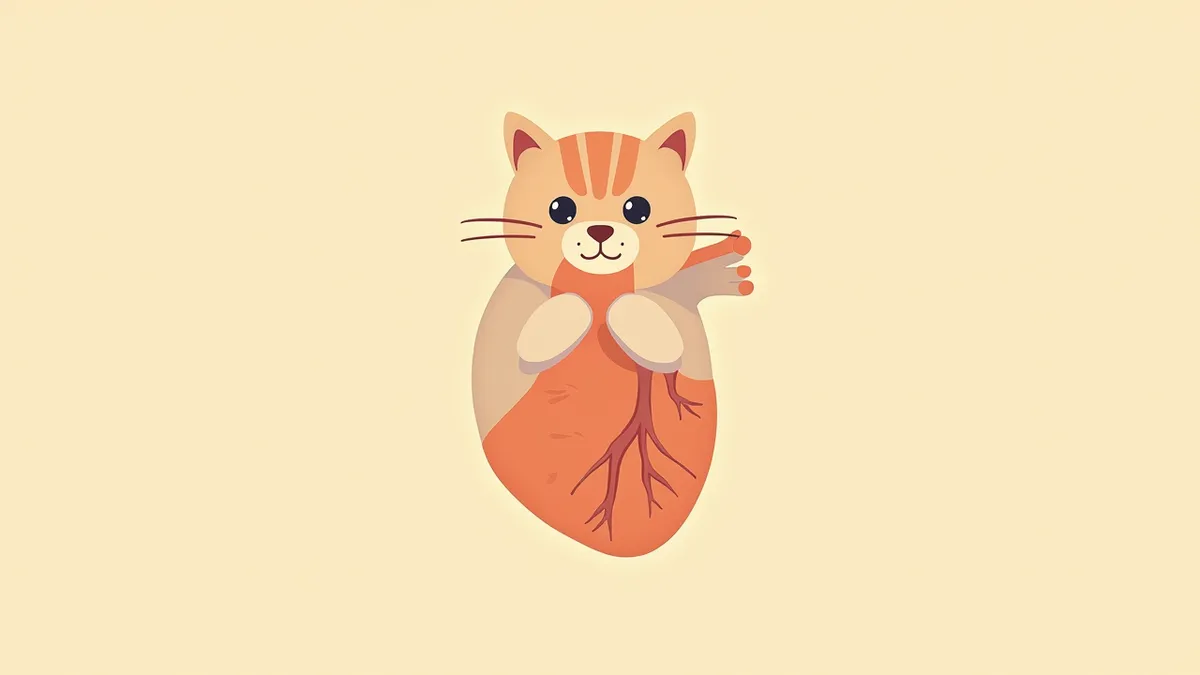
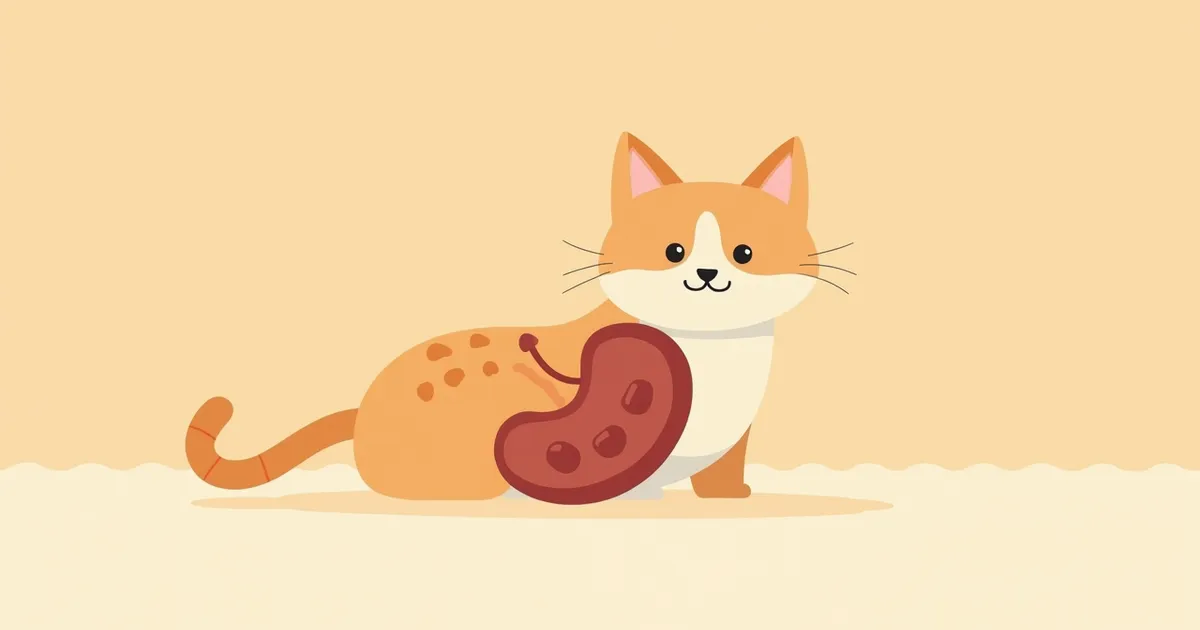
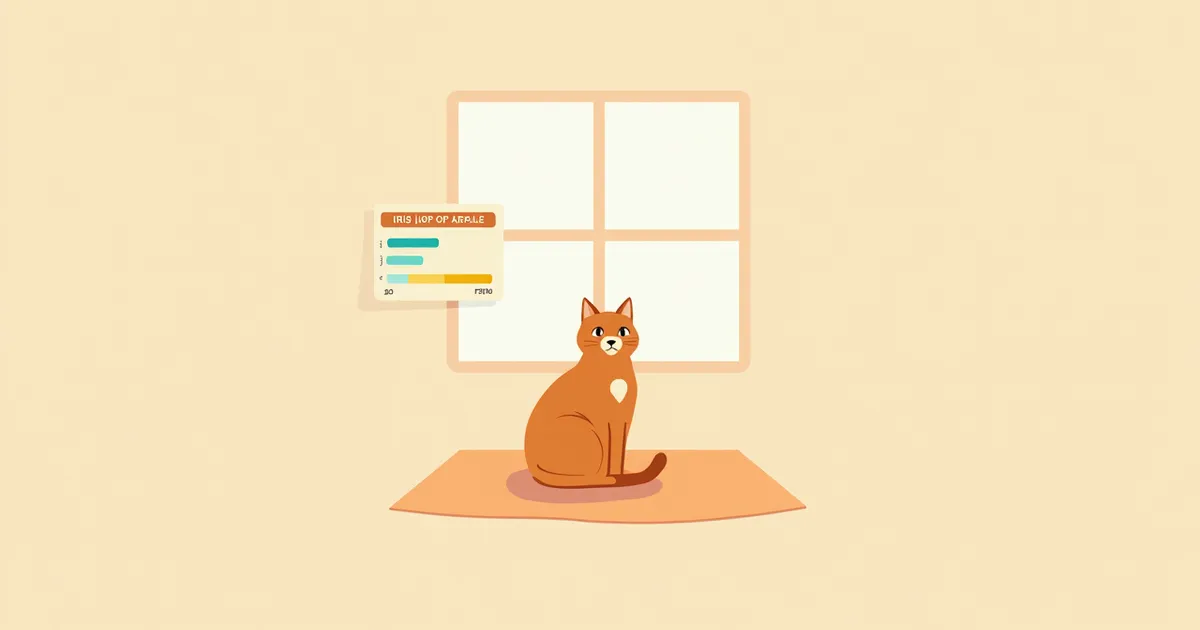
Visualizing the genetic causes of feline heart disease
The predisposition to heart disease in cats varies by breed and is often linked to genetic factors. For instance, Maine Coons are known to carry the A31P mutation in the MYBPC3 gene, and cats that are homozygous for this mutation have an increased risk of hypertrophic cardiomyopathy (HCM). Long-haired breeds, including Persians, have been reported to be predisposed to congenital heart conditions such as peritoneopericardial diaphragmatic hernia (PPDH), with genetic evidence confirmed in at least one Persian lineage. However, since predispositions are not yet clearly established for all breeds, early screening is essential to detect abnormalities promptly. Early diagnosis and ongoing management help maintain heart health, and if a genetic predisposition is suspected, it is important to work with your veterinarian to develop a tailored screening and prevention plan.

The Main Causes Are Genetic Mutations, Age, and Lifestyle Habits
Genetic factors play a role in the predisposition to feline heart disease. The MYBPC3 A31P mutation has been reported in Maine Coons, and the R820W mutation in Ragdolls; being homozygous for these mutations increases the risk of hypertrophic cardiomyopathy (HCM). Long-haired breeds such as Persians are known to be predisposed to peritoneopericardial diaphragmatic hernia (PPDH). However, the cause of feline cardiomyopathy is often unknown, and it is currently classified based on phenotypes such as hypertrophic and restrictive types. Therefore, it is especially important for genetically predisposed breeds to closely monitor for changes in condition at home and to detect and manage issues early through regular check-ups. It is advisable to work with your veterinarian to establish and follow a regular screening plan.
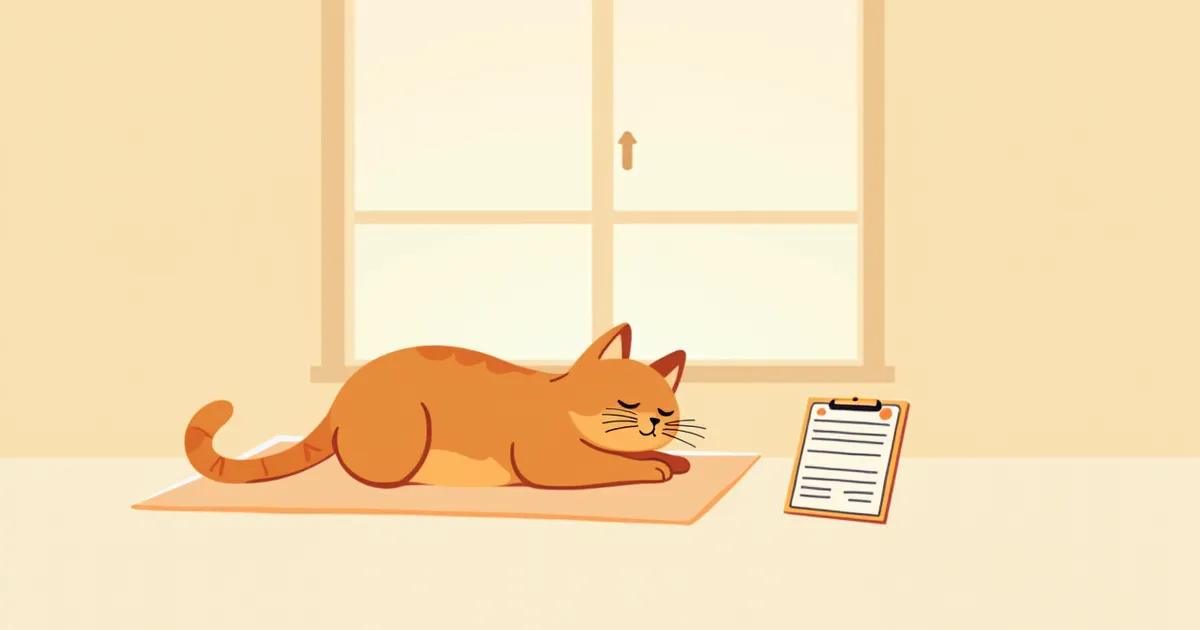
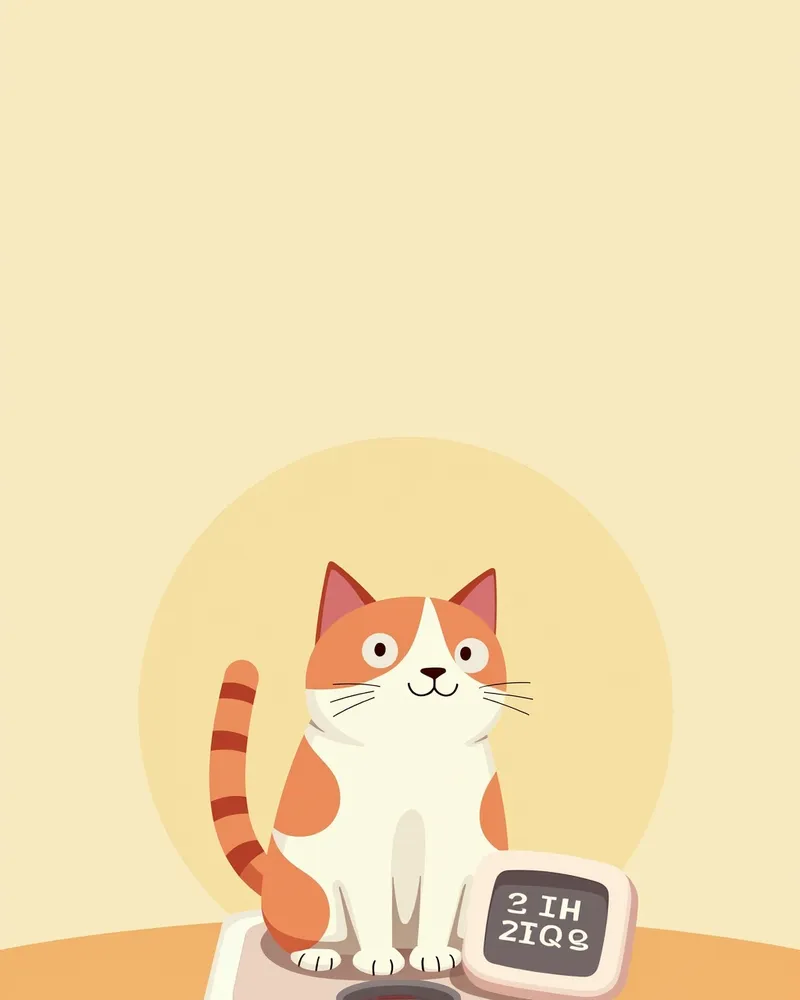
Visualizing the relationship between obesity and heart disease

Be Sure to Check for Key Symptoms and Signs
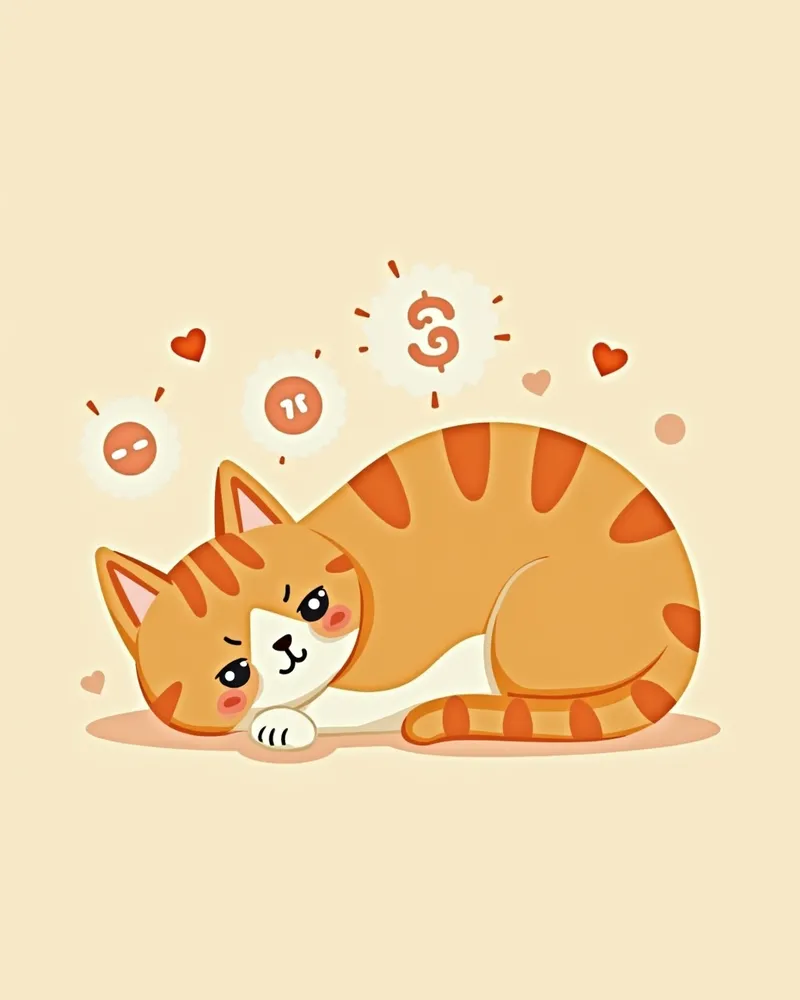
The main symptoms of heart disease in cats include:
Difficulty breathing: You may notice rapid or labored breathing, and in severe cases, your cat may breathe with its mouth open.
Fatigue and exercise intolerance: Your cat may move less than usual, tire easily, and need frequent rest.
Fainting or weakness: Reduced blood flow to the brain can cause sudden collapse or a noticeable lack of energy.
Abdominal distension: Fluid accumulation in the abdominal cavity due to right-sided heart failure can cause the belly to appear swollen.
Unlike dogs, cats with congestive heart failure rarely cough. Therefore, it’s more important to closely monitor changes in breathing patterns, such as increased respiratory rate, rather than relying on the presence of coughing. If you notice any of these signs, seek veterinary care immediately.
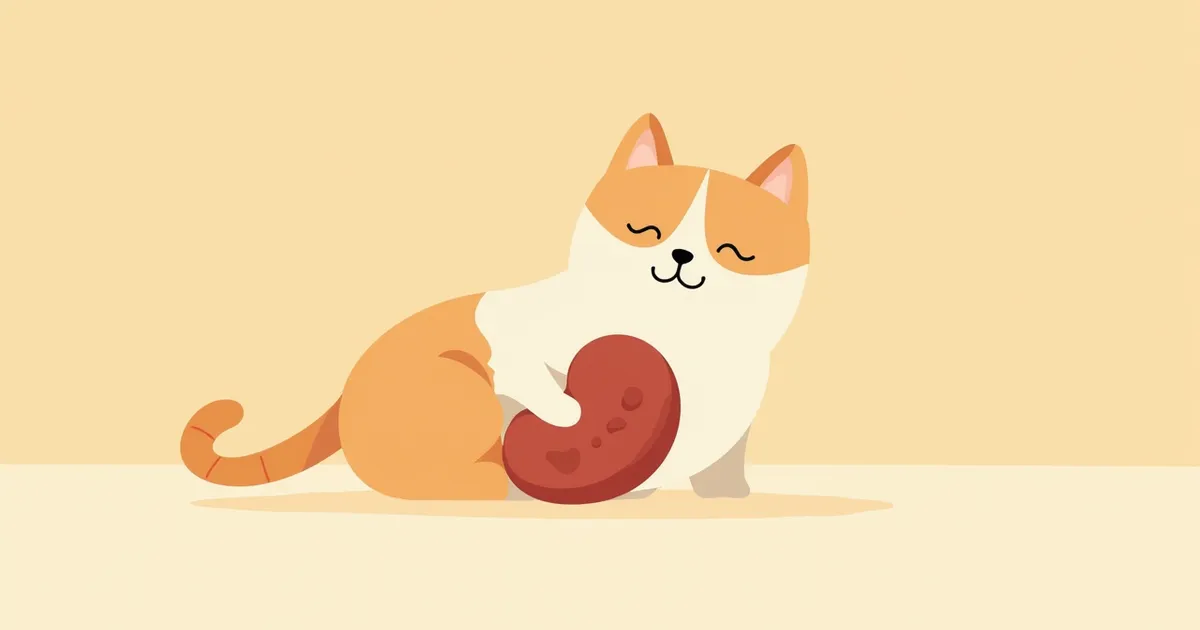
Visualizing the main symptoms of feline heart disease

Emergency Signs Requiring Immediate Veterinary Visit

If your cat suddenly develops rapid or labored breathing, bluish discoloration of the mouth or gums (cyanosis), or faints, seek veterinary care immediately. These signs may indicate an emergency such as acute congestive heart failure, requiring prompt hospitalization and treatment. Because your cat is in a highly unstable condition, it is crucial to minimize stress and stimulation while transporting them to the clinic as quickly as possible. Delays increase the risk.

Diagnosis Is Accurately Confirmed Using Echocardiography and Electrocardiography
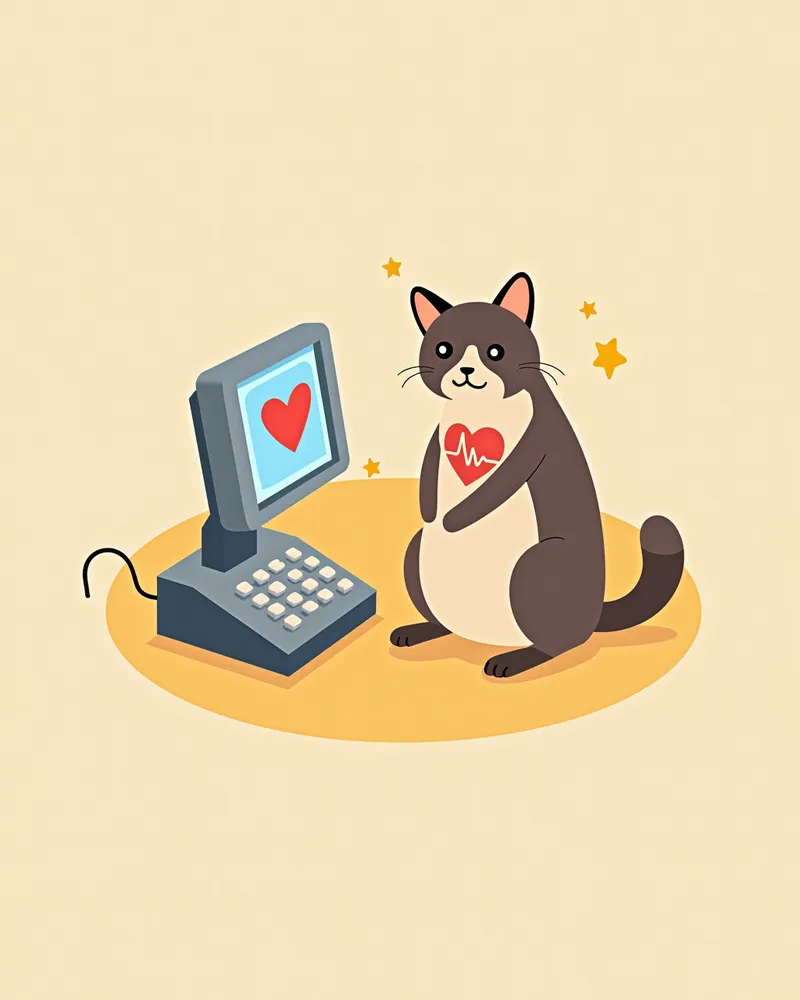
Feline heart disease is accurately diagnosed using echocardiography, which allows real-time assessment of heart wall thickness, ejection fraction, and blood flow. Electrocardiography helps identify abnormal heart rhythms, while blood tests can reveal underlying conditions. Echocardiography provides a comprehensive evaluation of both the structure and function of the heart. Regular check-ups enable early detection, and additional tests may be recommended by your veterinarian as needed.
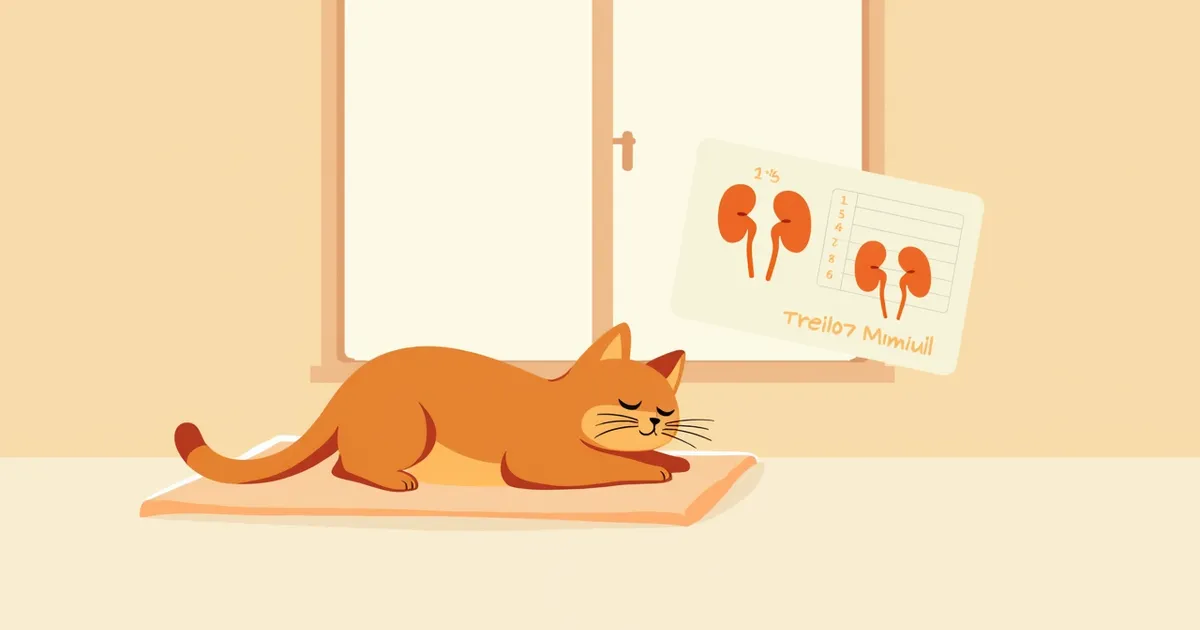
A scene of a cat undergoing an echocardiogram for heart diagnosis.

Treatment Is Progressed in Stages Through Medication and Lifestyle Management
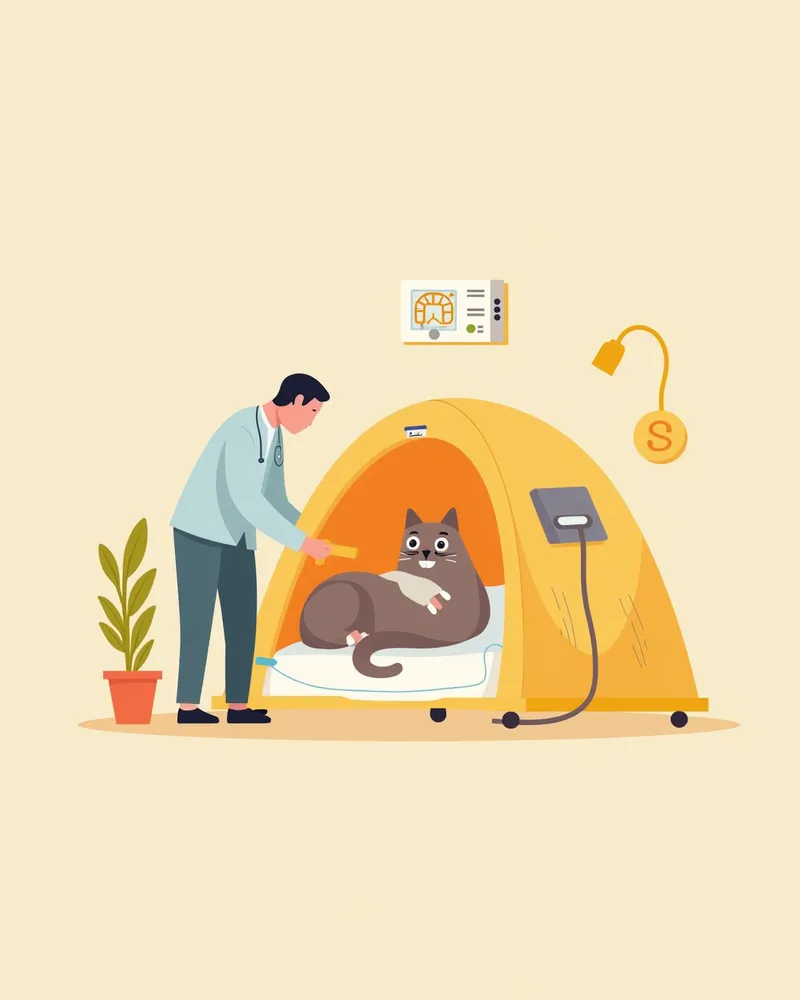
Treating heart disease involves a combination of medication and lifestyle management. - Diuretics: These help remove excess fluid buildup in the body, easing breathing difficulties. - Antithrombotic therapy: Preventing arterial thromboembolism (ATE) is a key treatment goal in cats with cardiomyopathy. - Arrhythmia and heart failure management: Your veterinarian will adjust medications based on your pet’s condition to prevent acute episodes caused by arrhythmias and congestive heart failure. - Oxygen therapy: This is administered to stabilize breathing in cases of severe respiratory distress. Medications are determined by your veterinarian based on your pet’s weight and condition, and consistent care along with regular check-ups are essential for effective treatment.
Scene of treating a cat's heart disease

Home Care Is the Key to Maintaining Heart Health

Managing your cat’s heart condition requires consistent care at home.
Dietary Management: Work with your veterinarian to maintain a diet appropriate for your cat’s heart condition, and avoid adding supplements without professional guidance.
Weight Management: Maintain an ideal body weight to reduce the burden on the heart and the rest of the body.
Activity Regulation: Avoid strenuous activity and encourage light exercise suitable for your cat’s condition.
Regular Check-ups: Even if no symptoms are apparent, follow your veterinarian’s recommended schedule for cardiac examinations.
Stress Reduction: Keep the environment quiet and minimize external stimuli to promote calmness. Cats are particularly sensitive to stress, so environmental management is crucial.
These care measures are most effective when implemented alongside medical treatment.
Home care environment for cats with heart disease

Breed-Specific Precautions and Recurrence Prevention Are Important

Maine Coons are known to carry the MYBPC3 A31P mutation, and being homozygous for this mutation increases the risk of hypertrophic cardiomyopathy (HCM). Long-haired breeds such as Persians have been reported to have a predisposition to peritoneopericardial diaphragmatic hernia (PPDH). If a breed predisposition is suspected, it is advisable to consult with a veterinarian for screening to assess risk early and initiate timely management. After diagnosis, consistent follow-up examinations and adherence to prescribed medication are essential.

Reviewed by a veterinarian

Dr. Tony — Punnawat Phongkittirak

Dr. Tony — Punnawat Phongkittirak

Veterinarian

A veterinarian who majored in veterinary medicine at Khon Kaen University, Thailand, and completed the IVSA program at North Carolina State University in the United States. Drawing on clinical experience at animal hospitals, he works in the pet healthcare field and is dedicated to building a digital care environment that connects pet parents with veterinarians.

Frequently Asked Questions

Are feline heart diseases hereditary?
Certain breeds have a genetic predisposition. For example, the A31P mutation in Maine Coons and the R820W mutation in Ragdolls have been linked to hypertrophic cardiomyopathy, while long-haired breeds like Persians are prone to peritoneopericardial diaphragmatic hernia (PPDH). However, the cause remains unknown in many cases.
What are the ways to detect heart disease early?
If you notice rapid or increased breathing, easy fatigue, or fainting, seek veterinary care immediately. Coughing is uncommon in cats with heart failure, so closely monitor any changes in breathing patterns and prioritize regular check-ups.
How long is the expected survival period after treatment?
The prognosis varies significantly depending on the type and severity of the disease, as well as the presence of any complications. Early detection and consistent management can be helpful, but because survival time differs from one individual to another, it is difficult to make a general statement. Please consult your attending veterinarian for an accurate prognosis.
Can obesity affect heart disease?
While there is no clear evidence that obesity directly causes heart disease in cats, maintaining a healthy weight supports overall health and helps reduce strain on the heart. Always consult your veterinarian before starting any weight management plan.
Where can I get a genetic test done?
You can have genetic testing done for specific breeds like Maine Coons and Black Persians at veterinary hospitals or specialized genetic testing facilities.

Share

Related Guides

References

[1] Chetboul, V. et al. (2006). Prospective echocardiographic screening of a population of Maine Coon cats tested for the A31P mutation. J Vet Intern Med, 20:120.

[2] Meurs, K.M. (2010). Genetics of Cardiac Disease in the Small Animal Patient. Vet Clin Small Anim Pract, 40:701–715.

[3] Kellum, H.G. and Stepien, R.L. (2006). Third-degree atrioventricular block in 21 cats (1997–2004). J Vet Intern Med, 20:120.

This information is based on veterinary literature and does not replace diagnosis or treatment. Please consult a veterinarian for specific health concerns.

Metapet Co., Ltd. | CEO: Park Sung-yong | Business Reg. No. 417-88-02562 | Seoul, South Korea | Customer Center

Breed-Specific Feline Heart Disease Risk: Symptoms & Screening | Meongsiljang