
If Your Cat’s Heart Is Beating Irregularly — Atrial Fibrillation Symptoms and Treatment Timing
Feline atrial fibrillation is a condition in which the heart’s electrical rhythm becomes irregular, leading to reduced blood flow. Early detection and proper management are crucial. Symptoms can range from none at all to difficulty breathing.
What Is Feline Arrhythmia (Atrial Fibrillation)?
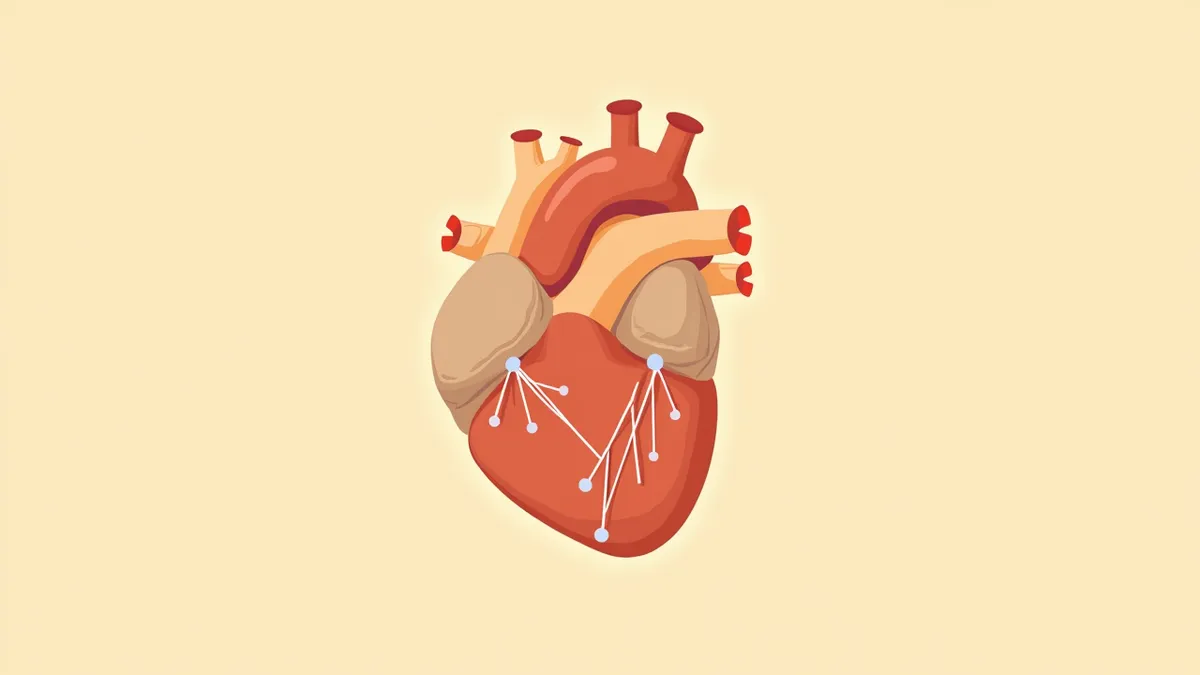
What Are the Main Causes of Arrhythmia (Atrial Fibrillation)?
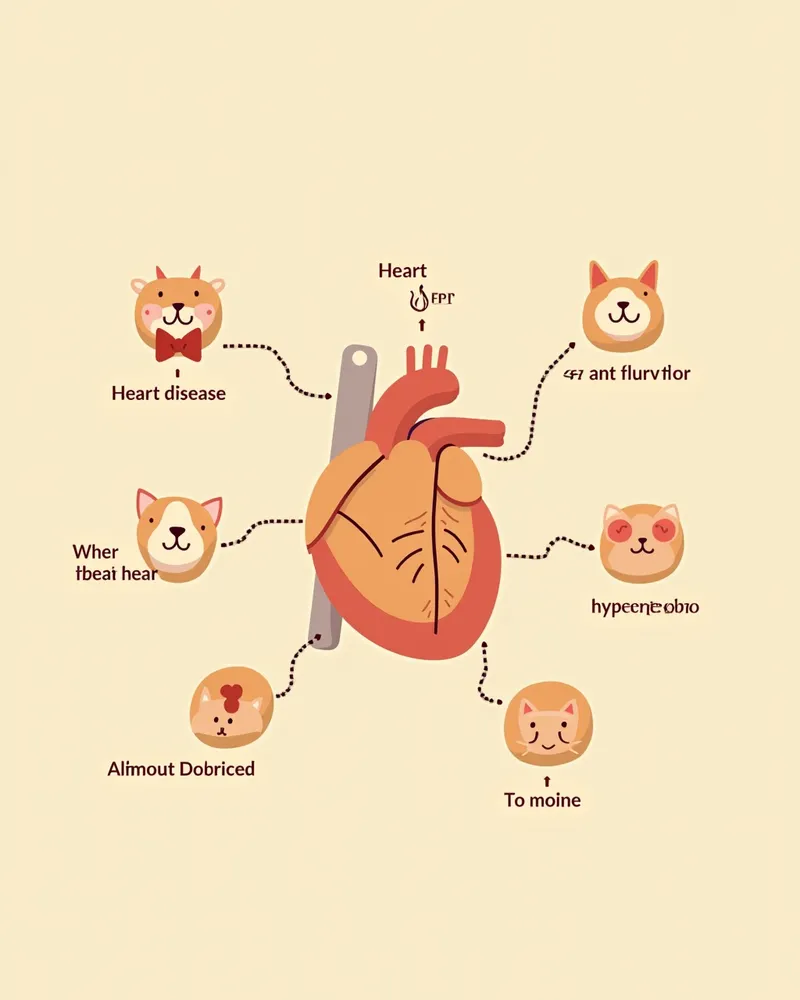
Check for Key Symptoms and Signs

Situations Requiring Immediate Veterinary Visit
If your cat suddenly collapses, breathes very rapidly, has a bluish mouth, or experiences extremely irregular heartbeats, you should go to the vet immediately. These could be signs of cardiac arrest or acute heart failure.
Diagnostic Tests for Accurate Diagnosis

Treatment Methods and Step-by-Step Management

Home Care Points

Breed-Specific Precautions and Recurrence Prevention
Certain breeds may have a genetic predisposition to heart muscle diseases such as hypertrophic cardiomyopathy, making regular cardiac screenings especially important. Regardless of breed, feline atrial fibrillation is often associated with underlying myocardial disease, so ongoing vigilance is essential. Additionally, if symptoms suddenly worsen while your cat is on medication, consult your veterinarian immediately.
Reviewed by a veterinarian

Dr. Tony — Punnawat Phongkittirak
VeterinarianA veterinarian who majored in veterinary medicine at Khon Kaen University, Thailand, and completed the IVSA program at North Carolina State University in the United States. Drawing on clinical experience at animal hospitals, he works in the pet healthcare field and is dedicated to building a digital care environment that connects pet parents with veterinarians.
Reviewed 2026-06-03
Frequently Asked Questions
Can feline arrhythmia (atrial fibrillation) be treated?
Can it be asymptomatic?
Will the rhythm worsen again if I stop the medication?
Can dietary management help?
What should I do if my cat collapses?
Share
Related Guides

Coenzyme Q10 Benefits and Administration Guide

Dog Pulmonary Edema Warning — 7 Best Diuretics (Furosemide) for Heart Management

7 Best Prescription Diets for Feline Heart Disease Recommended by Veterinarians — Criteria for Choosing Low-Sodium Food

If You Find a Lump on Your Cat’s Skin — Causes and Drainage Treatment for Skin Abscesses

Why Is My Dog Scratching So Much? — Causes and Treatment Timing for Flea Allergy Dermatitis

Dog Chronic Kidney Disease: Symptoms, Causes, Diagnosis, Treatment, and Management Essentials

Canine Vestibular Syndrome: Symptoms, Causes, Diagnosis, Treatment, and Management Essentials
Prostate Tumors in Male Dogs — Symptoms and Diagnosis Guide for Senior Dogs

Feline Chronic Kidney Disease IRIS Stages — Stage-Specific Symptoms and Treatment Decisions

Leptospirosis (Zoonotic): Infection and Prevention
References
[1] Feline Emergency and Critical Care Medicine, 2nd Ed, 2023
[2] The Cat, Clinical Medicine and Management, 2nd Edition, 2021
[3] Textbook of Cardiovascular Medicine in Dogs and Cats, 2020