Like
Share
멍실장
강아지 장난감 자원 보호 행동 증상과 원인, 진단·치료와 관리 포인트 총정리

Growling When Toys Are Touched — Causes and Correction of Resource Guarding Behavior in Dogs

Brain & CognitionDiseasesMeongsiljang Veterinary Advisory Board

Toy-guarding behavior in dogs is a behavioral disorder that manifests as an instinctive protective response. It can be improved with proper training and environmental adjustments.

What Is Resource Guarding of Toys in Dogs?
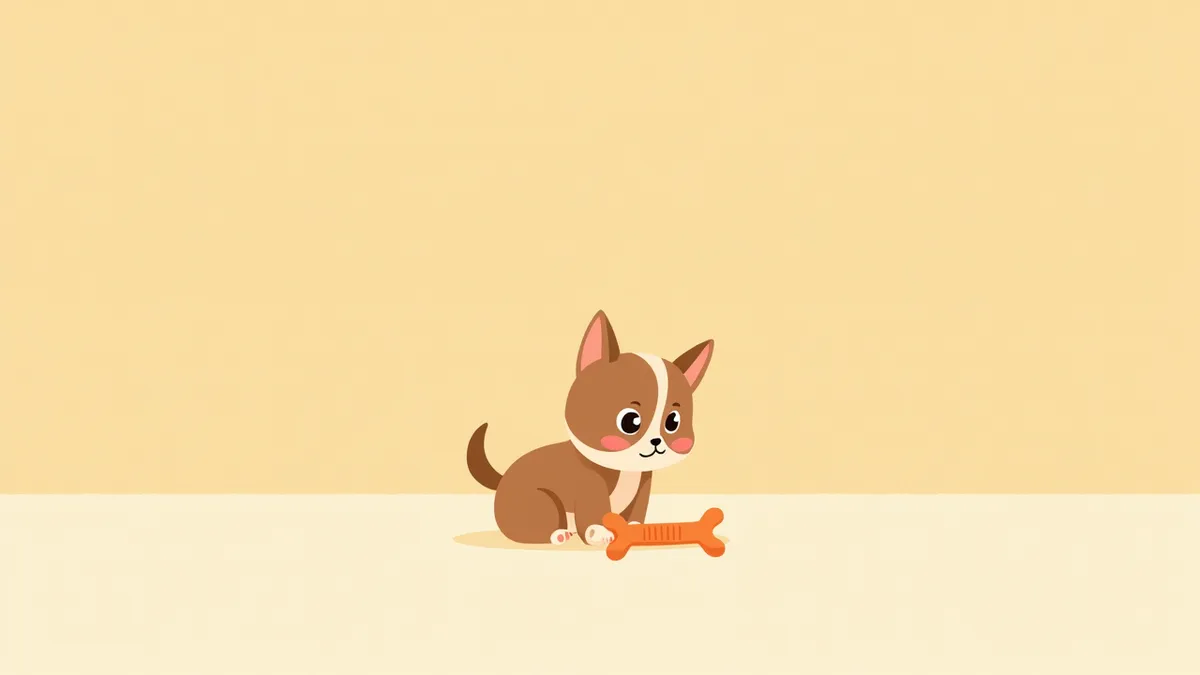
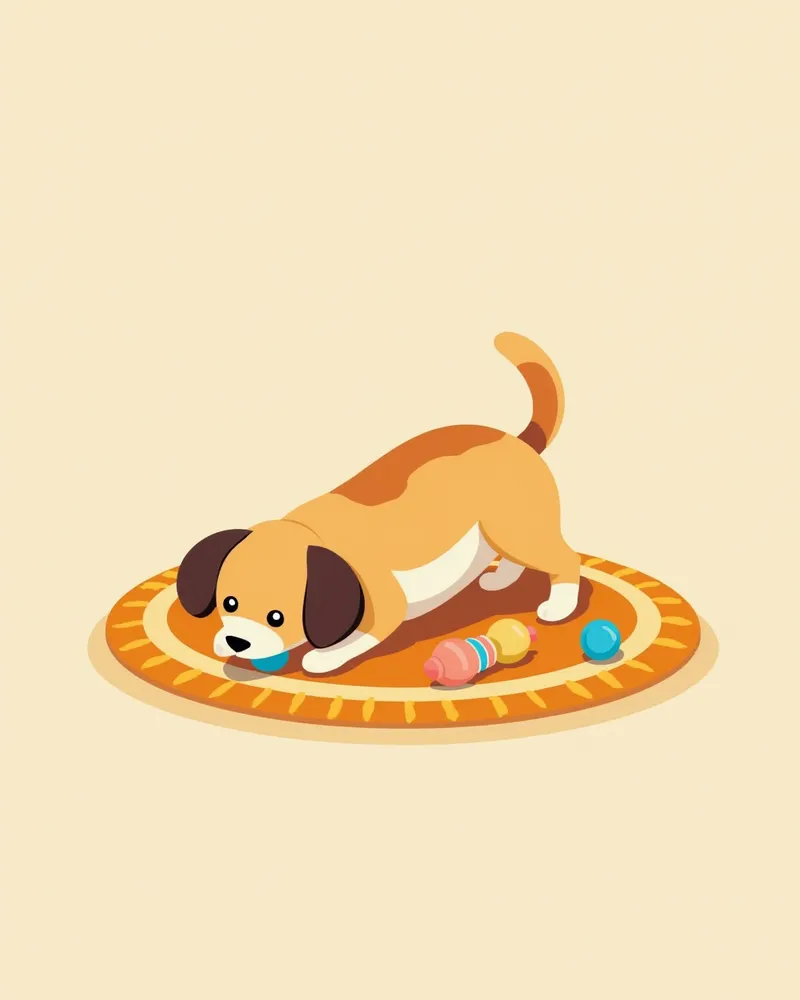
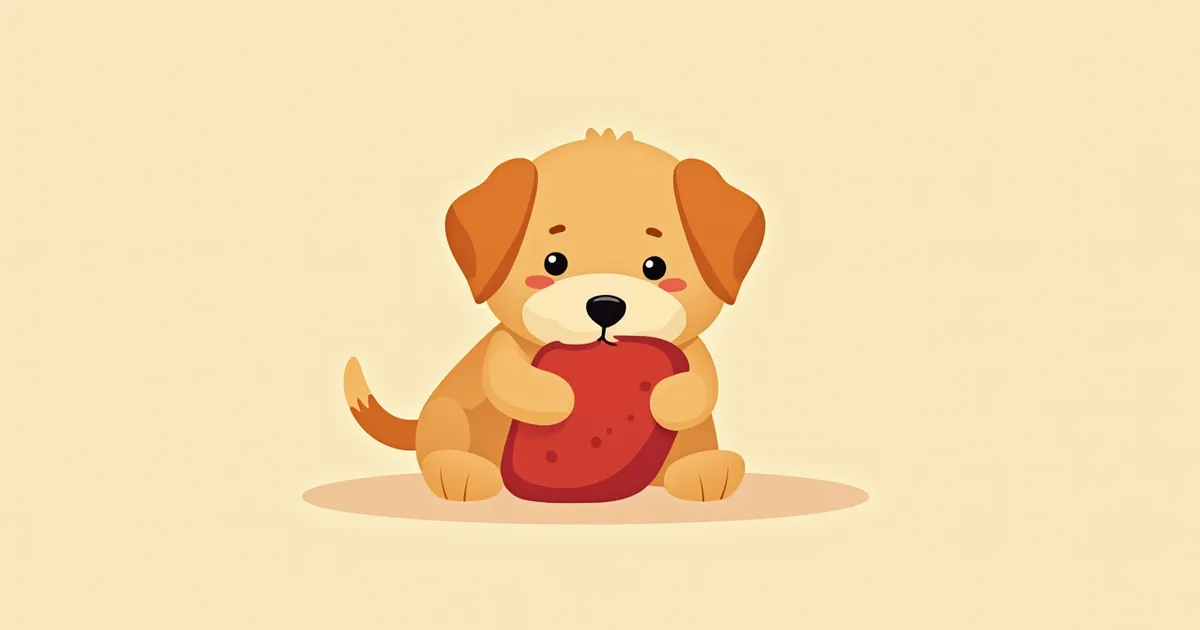
A puppy guarding its toy
Resource guarding of toys occurs when a dog defends its toy against approaching dogs, people, or especially their owner. Resource guarding is not a disease diagnosis in itself; it can be a normal behavior in certain contexts, or it may signal an underlying medical issue. - It may be normal behavior: Like maternal aggression, resource guarding can fall within the range of normal canine behavior in specific situations. - Potential medical causes: Aggressive signals such as growling or biting may stem from physical causes like pain, endocrine, metabolic, neurological, or skin disorders, so these should be ruled out first. - Emotional factors: Emotions such as fear, anxiety, or frustration can also underlie defensive or aggressive responses. - Check for gastrointestinal issues: If a dog guards food or objects, it is important to first rule out gastrointestinal problems such as malabsorption or digestive disorders. Resource guarding behavior can be improved by accurately identifying the cause and adjusting the environment.

Main Causes of Resource Guarding Behavior Over Toys
A dog’s defensive or aggressive response when guarding a toy cannot be explained by a single cause. Veterinary textbooks view this behavior not as a diagnosis in itself, but as a clinical sign stemming from physical or emotional factors. Therefore, it is important to thoroughly investigate the underlying causes before attempting behavior modification.
Rule out physical causes first: Pain, as well as endocrine, metabolic, neurological, or skin conditions, can increase defensiveness and irritability.
Exclude gastrointestinal issues: In cases of food or object guarding, gastrointestinal problems such as malabsorption or digestive disorders are more common causes of compulsive or anxious behavior than purely psychological factors, so they should be checked first.
Emotional factors: Emotions such as fear, anxiety, and frustration can also underlie defensive responses.
Protecting specific individuals: Attempts to guard specific people may signal anxiety. For these reasons, it is safest to check for physical health issues before proceeding with behavior modification.
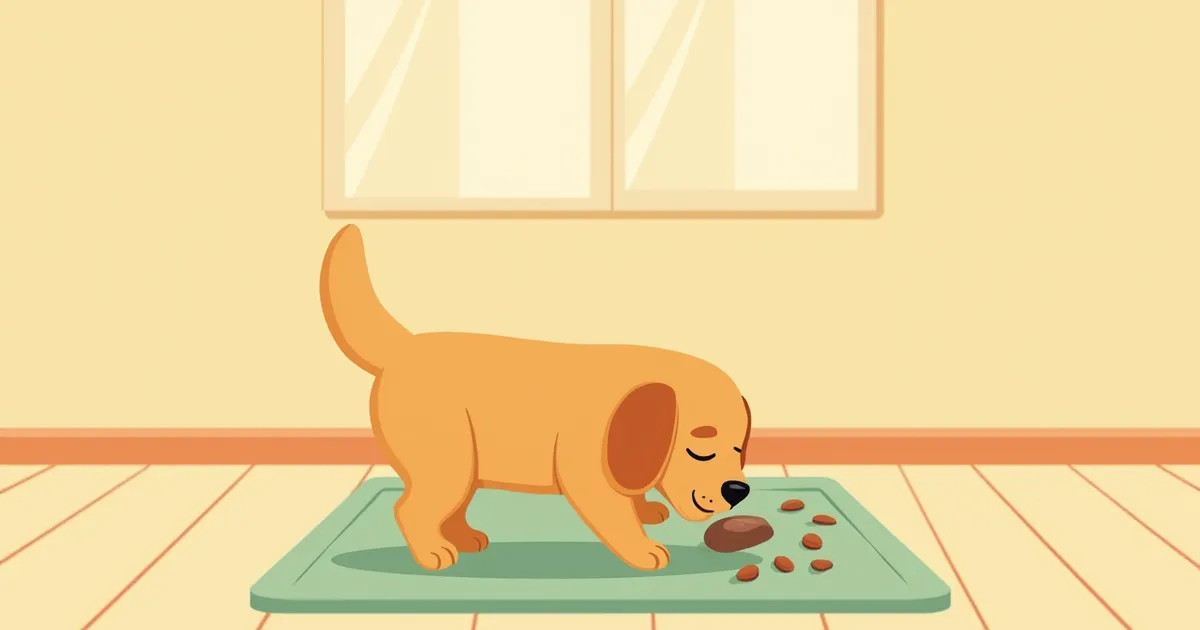
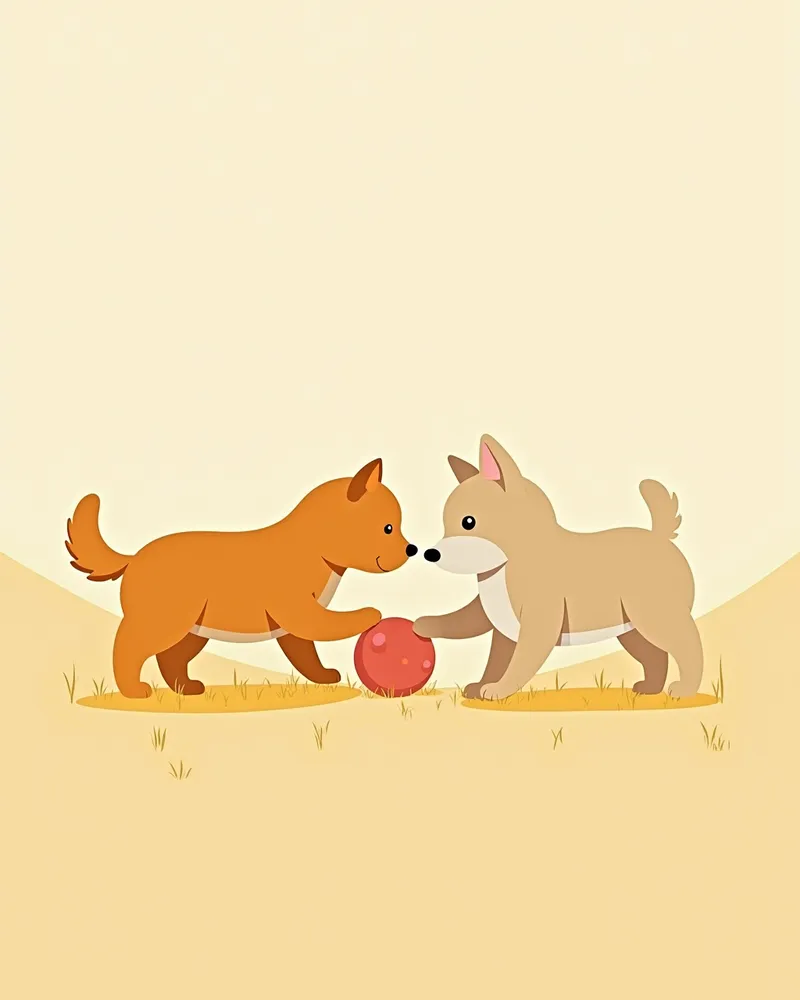
A puppy guarding its toy and being wary of other dogs

Main Symptoms and Behavioral Signals
The main sign of resource guarding over toys in dogs is defensive or aggressive signaling aimed at preventing other dogs or people from approaching while the dog has the toy. This behavior can start with simple vigilance and escalate to growling or biting, with the intensity varying from dog to dog.
Defensive posture: The body becomes rigid, ears are pinned back or flattened, the body leans toward the other party, and there is direct, fixed eye contact.
Vocal signals: Growling or excited barking is used to signal the other party to keep their distance.
Aggressive behaviors: Lunging, snapping (showing teeth and making biting motions without full contact), and actual biting may occur.
Physical tension: Stress responses such as piloerection (raised hackles), muscle rigidity, and rapid breathing may be observed.
Response to approach: When the owner approaches the toy, the dog may suddenly become tense or exhibit intensified defensive behaviors.
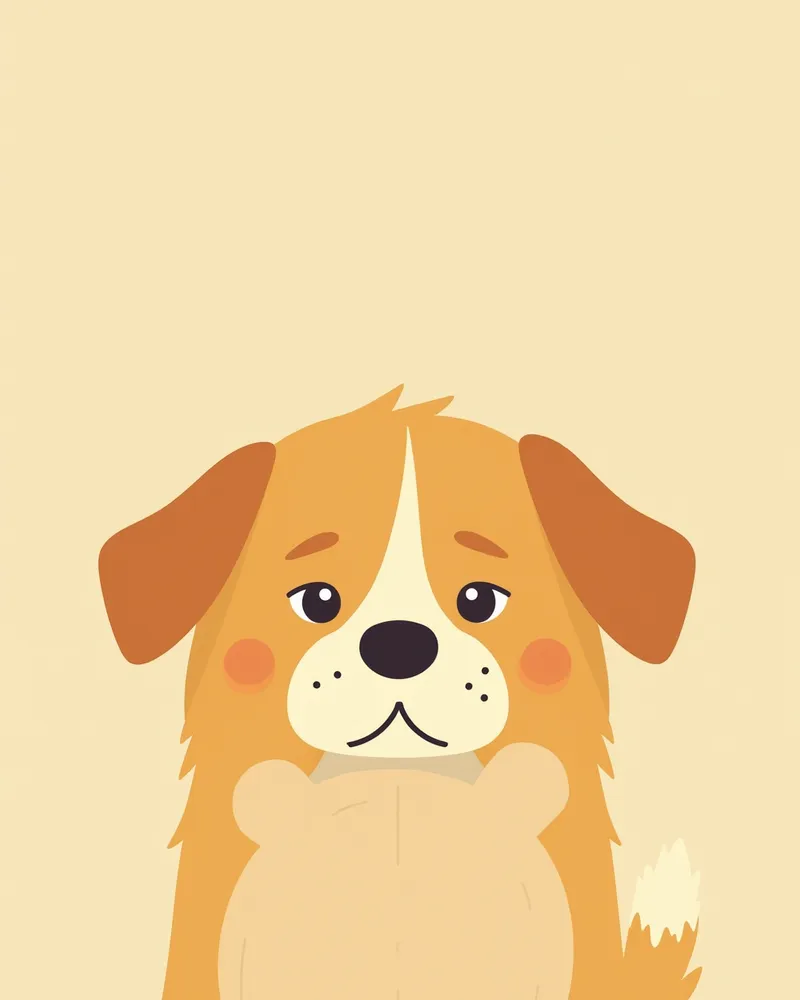
A puppy guarding its toy with a tense expression.

When Immediate Veterinary Care Is Needed

If your dog suddenly becomes aggressive while guarding a toy, or bites and injures you or another dog, seek veterinary care immediately. Sudden, uncharacteristic aggression can stem from physical issues such as pain or illness, so a veterinarian should first rule out any underlying medical causes before implementing appropriate behavioral treatment.

Evaluation Methods for Accurate Diagnosis
Diagnosing resource guarding of toys in dogs involves observing behavior while ruling out any underlying physical issues. If an adult dog suddenly exhibits behavioral changes that differ from its usual demeanor, it’s important to consider the possibility of an underlying medical condition. Veterinarians or behavior specialists assess the emotional motivation behind the behavior by evaluating behavioral patterns, contextual factors, and past experiences.
Physical examination first: Check for physical causes that may trigger aggression, such as pain, endocrine, metabolic, neurological, or skin conditions.
Gastrointestinal evaluation: If the dog is guarding food or objects, assess for gastrointestinal issues such as malabsorption or digestive disorders.
Behavioral observation: Record the dog’s posture and reactions when a toy is presented or when someone approaches.
Historical records: Carefully review the targets and contexts of aggressive behavior, as well as the dog’s prior experiences.
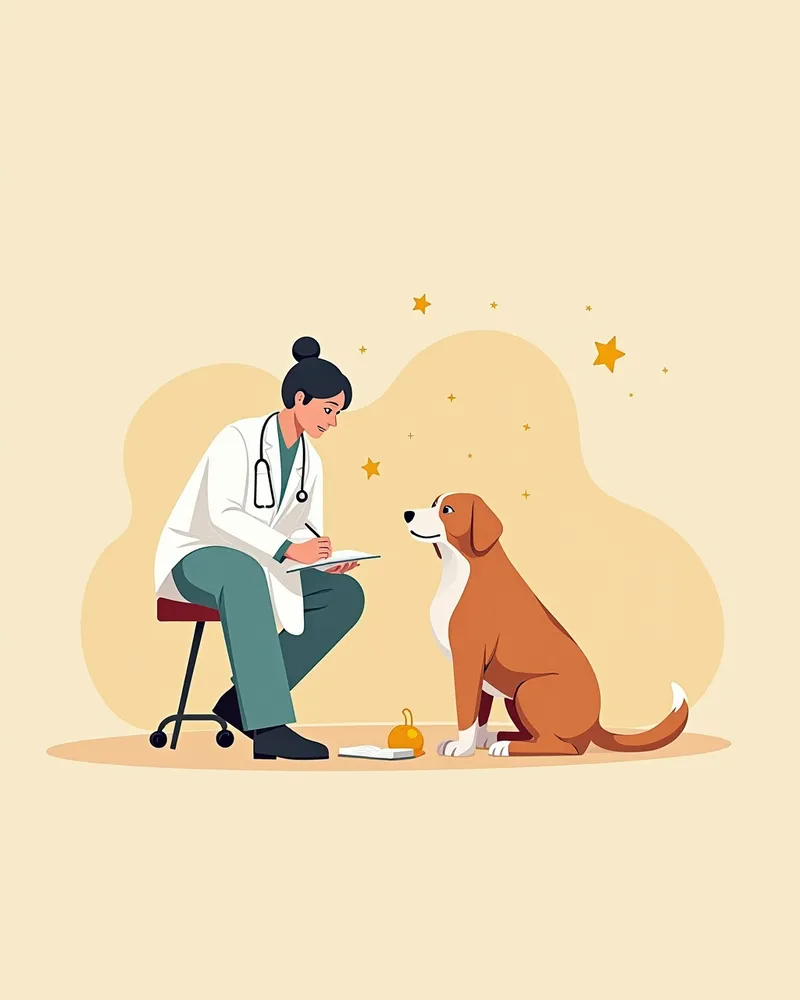
A veterinarian observing and recording a puppy's behavior.

Step-by-Step Treatment and Behavior Modification
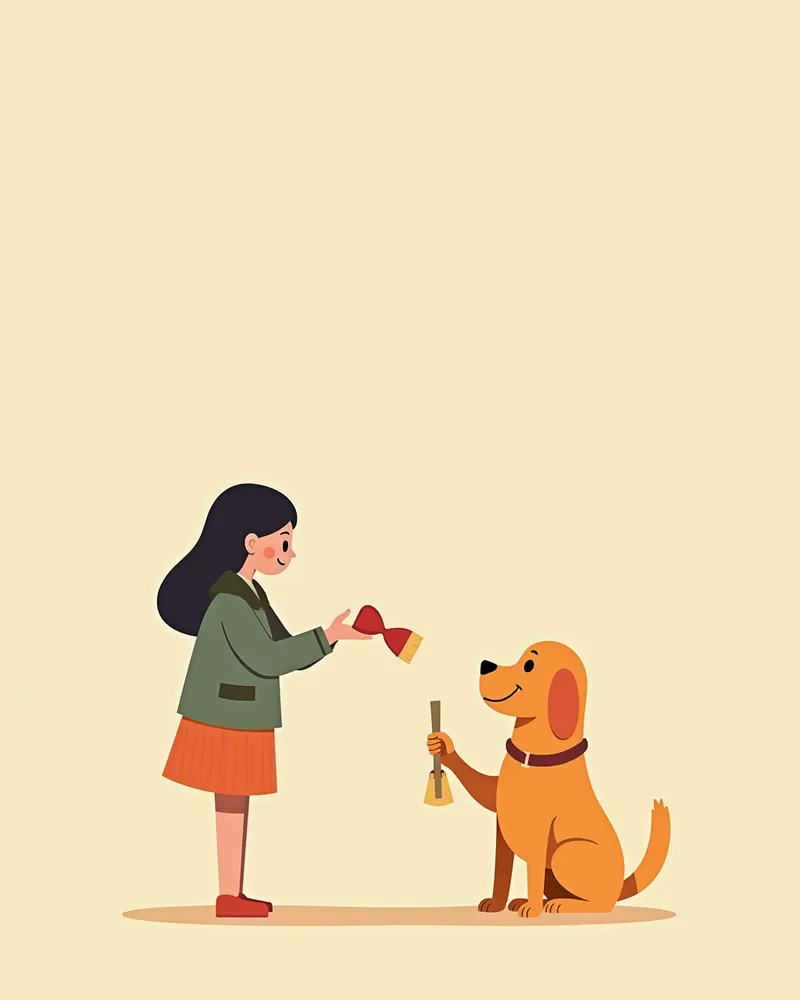
Treating resource guarding over toys in dogs requires a step-by-step approach. First, rule out any underlying medical issues, then focus on creating a safe environment and managing the owner’s responses. Behavior modification should center on positive reinforcement, desensitization, and counterconditioning, while punishment methods such as physical correction or intimidation are not recommended.
Step 1: Create a Safe Environment: Identify and avoid situations that may trigger conflict, ensuring the dog remains relaxed when approaching the toy.
Step 2: Exchange and Counterconditioning: Offer a higher-value reward when the dog drops the toy, shifting their emotional response to approaching from negative to positive.
Step 3: Gradual Desensitization: Slowly increase the intensity of stimuli to help the dog stay calm and comfortable.
Step 4: Positive Reinforcement: Reward desired behaviors with treats or play.
Step 5: Professional Consultation and Consistency: If aggression is present, consult a veterinary behaviorist and consider medication as an adjunct if necessary. Maintain consistent daily training.
A puppy giving up its toy in exchange for a treat

Home Management and Daily Care

Managing toy-guarding behavior at home centers on consistency and creating a predictable environment. Owners should avoid overreacting to their dog’s behavior and instead focus on positive reinforcement training. It’s also important to adjust the types of toys used and how they’re offered.
Diversify toys: Provide a variety of toys to reduce fixation on any single item.
Time-limited access: Allow your dog to play with toys for set periods only.
Practice exchange training: Consistently reward your dog every time they willingly give up a toy.
Time rewards appropriately: Offer treats or playtime immediately after your dog releases the toy.
Create a safe space: Designate a secure area where your dog can comfortably guard their toys.
A puppy happily playing with a variety of toys.

Preventing Relapse and Breed-Specific Precautions

Once a dog has displayed aggressive behavior, such as resource guarding over toys, it’s difficult to declare the issue completely “resolved” or “safe.” The behavior may reoccur if training is discontinued or if the environment changes, so consistent management must be maintained. Additionally, if aggression is present or the behavior recurs across multiple situations, it is advisable to consult a veterinary behavior specialist.

Reviewed by a veterinarian

Dr. Tony — Punnawat Phongkittirak

Dr. Tony — Punnawat Phongkittirak

Veterinarian

A veterinarian who majored in veterinary medicine at Khon Kaen University, Thailand, and completed the IVSA program at North Carolina State University in the United States. Drawing on clinical experience at animal hospitals, he works in the pet healthcare field and is dedicated to building a digital care environment that connects pet parents with veterinarians.

Frequently Asked Questions

Why do dogs exhibit resource guarding behavior with their toys?
While this behavior can sometimes be normal, it may also stem from physical issues such as pain, gastrointestinal, endocrine, neurological, or skin conditions, as well as emotional factors like fear, anxiety, or frustration. Therefore, it’s important to first rule out any underlying medical problems.
Why is it not okay to take toys away from your pet?
We don’t recommend forcibly taking toys away as a form of punishment. This approach can stress your dog and intensify their defensive reactions, potentially worsening the behavior.
How do I conduct exchange training?
Repeat counterconditioning training by giving your dog a better reward when it releases a toy. For example, offer a treat every time it lets go of the toy.
What should I do if my pet isn’t responding to training?
Work with a veterinary behavior specialist or your veterinarian on a training plan, and consider medication as an adjunct if needed. Professional guidance is especially recommended if aggression is present.
Can resource-guarding behavior over toys be treated?
Consistent training and environmental adjustments can improve most cases, and earlier intervention yields better results. However, if a dog has already shown aggression, it’s safer to maintain ongoing management rather than assume the issue is completely resolved.

Share

Related Guides

References

[1] Serpell, J. A. (2020). Introduction to Animal Behavior and Veterinary Behavioral Medicine. Wiley-Blackwell.

[2] Houpt, K. A. (2021). Veterinary Guide to Preventing Behavior Problems in Dogs and Cats. Elsevier.

[3] Overall, K. L. (2022). Clinical Behavioral Medicine for Small Animals. Elsevier.

This information is based on veterinary literature and does not replace diagnosis or treatment. Please consult a veterinarian for specific health concerns.

Metapet Co., Ltd. | CEO: Park Sung-yong | Business Reg. No. 417-88-02562 | Seoul, South Korea | Customer Center

Resource Guarding in Dogs: Causes & How to Correct It | Meongsiljang