Like
Share
멍실장
강아지 분리불안 증상과 원인, 진단·치료와 관리 포인트 총정리

Dog Separation Anxiety: Symptoms, Causes, Diagnosis, Treatment, and Management Tips

Brain & CognitionDiseasesMeongsiljang Veterinary Advisory Board

Separation anxiety in dogs is a behavioral disorder characterized by extreme fear and stress responses when separated from their owners. Here’s a clear overview of the main symptoms, diagnosis, treatment, and home management strategies.

What Is Canine Separation Anxiety?

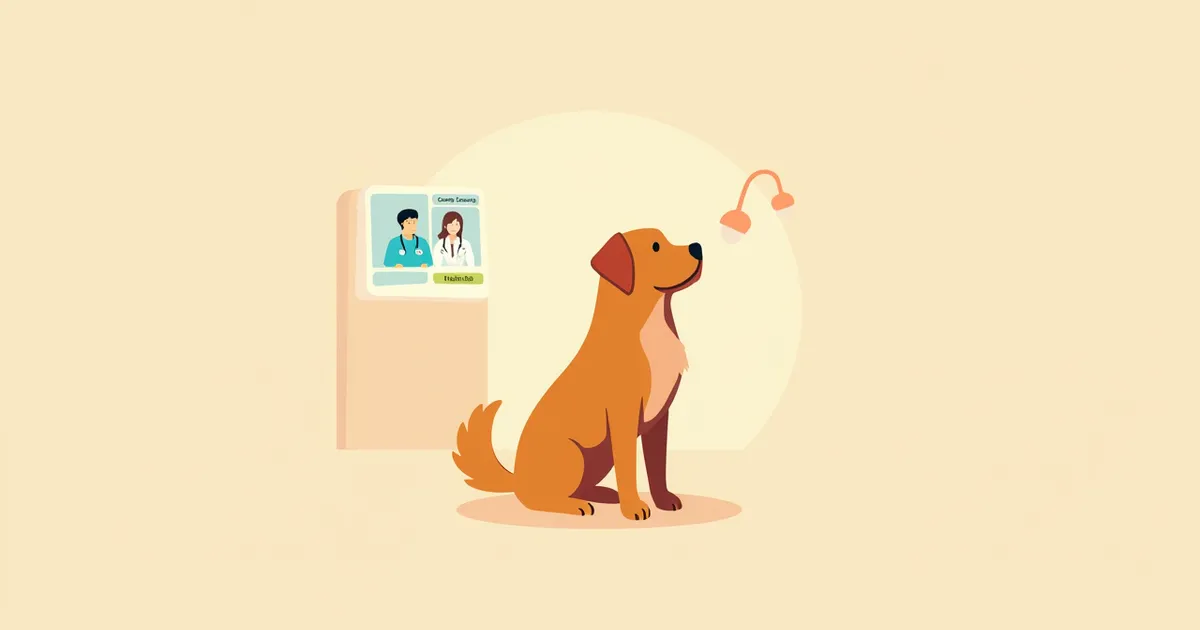
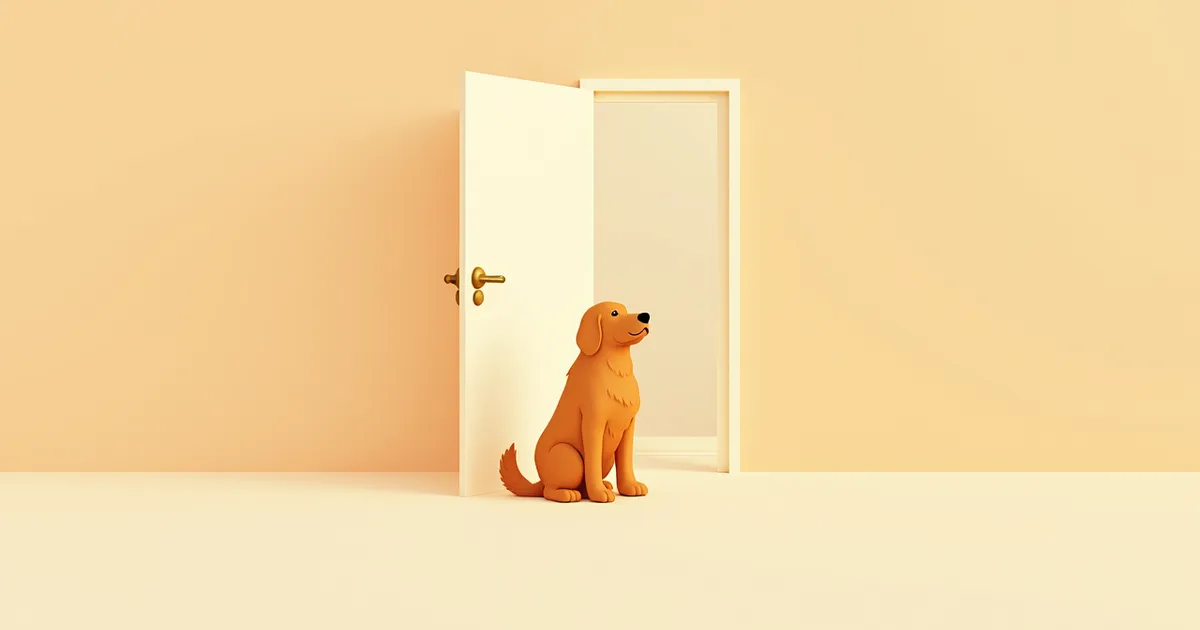
A dog anxiously waiting for its owner at the front door
Canine separation anxiety is a condition in which a dog exhibits anxiety and stress responses, along with associated behavioral issues, when separated from its owner or primary attachment figure. It is characterized by the repetitive occurrence of signs such as barking, destructive behavior, and house-soiling accidents, which are linked to the owner’s absence. These behaviors are not deliberate disobedience or acts of revenge; rather, they are coping mechanisms the dog uses to self-soothe the distress it feels when left alone. Therefore, it is helpful to respond promptly upon noticing early warning signs. Instead of dismissing these actions as mere bad habits, it is best to view separation anxiety as a behavioral issue that requires evaluating the underlying causes and implementing behavior modification strategies.

Main Causes of Separation Anxiety

Separation anxiety isn’t caused by a single factor, but rather by a combination of multiple influences. It can stem from a complex interplay of frustration, general anxiety, isolation stress, fear of confinement, and phobias related to loud noises or thunderstorms.
Attachment to the owner: While an overly dependent relationship with the owner can be a contributing factor, strong attachment alone doesn’t necessarily mean a pet has separation anxiety.
Lack of experience: Pets that haven’t had much experience being alone, especially during their early years, may struggle to adapt to new situations like moving or the end of remote work.
Trauma or environmental changes: Events such as abandonment, shelter stays, moving, changes in family dynamics, or the owner returning to work can trigger separation anxiety.
Individual differences: There’s no consistent evidence that certain breeds or genders are more prone to separation anxiety. Even in the same environment, symptoms can vary significantly from one pet to another.

Key Symptoms Owners Can Observe

Excessive barking or whining: Your dog barks or whines continuously from the moment you leave.
Destructive behavior: Scratching at doors and windows or chewing on furniture.
Accidents in the house: Even if your dog is house-trained, they may have accidents only when left alone.
Escape attempts: Trying to escape through doors or windows, which can result in injuries to their paws or teeth.
Panting and drooling: Physical responses that occur under extreme stress.
Overexcitement upon your return: Reacting as if they haven’t seen you in a long time.
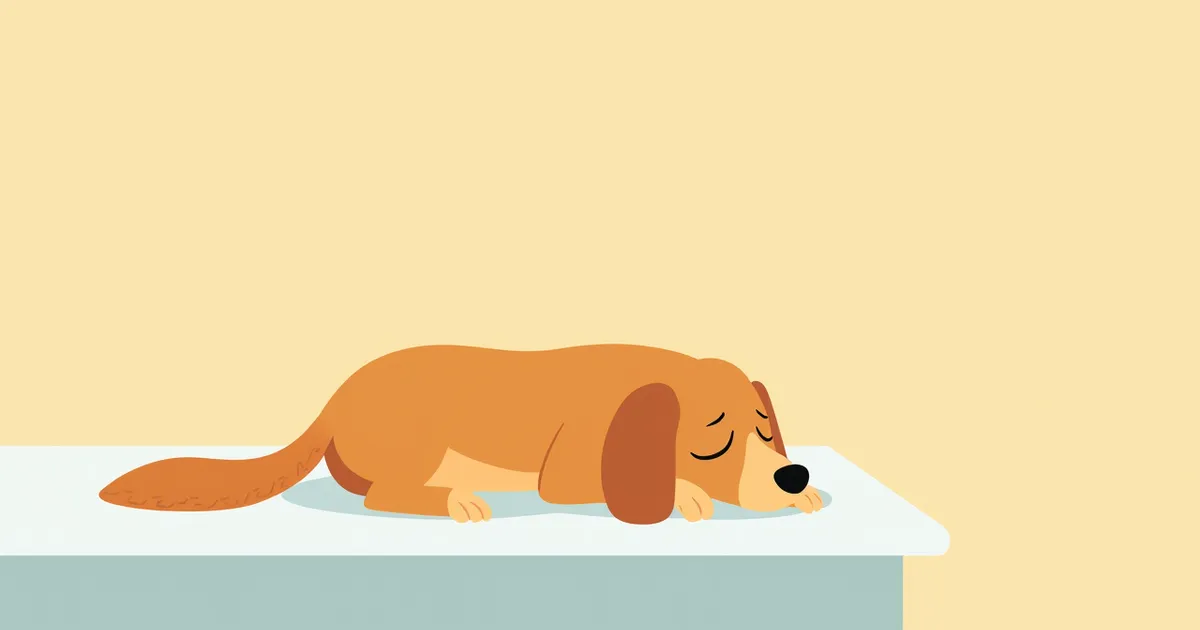
A dog that scratches at the door and tries to escape when left alone

When to Visit the Veterinarian Immediately

Contact your veterinarian or a veterinary behaviorist immediately if any of the following occur: • Bleeding or injury around the paws or mouth during escape attempts • Complete refusal to eat or drink for more than one day • Persistent pacing or self-harming behaviors, such as excessive licking of the tail or paws • Inability to calm down for several hours after returning home

Diagnostic Process at the Veterinary Clinic

Diagnosing separation anxiety involves both a behavioral assessment and a physical examination. First, we rule out any underlying medical conditions that could cause or mimic behavioral issues, such as pain. We pay extra attention to hidden illnesses if the symptoms started suddenly or if the dog is a senior (7 years or older), and we may perform additional tests if necessary. It is very helpful for the diagnosis if you can bring video footage of your dog from the moment you leave until you return. Key factors in our assessment include whether the symptoms begin immediately after you leave and whether the dog reacts to specific cues, such as keys or a coat. In complex cases where diagnosis and treatment are challenging, we may refer you to a veterinary behavior specialist.

Treatment for Separation Anxiety — Combining Behavior Modification and Medication
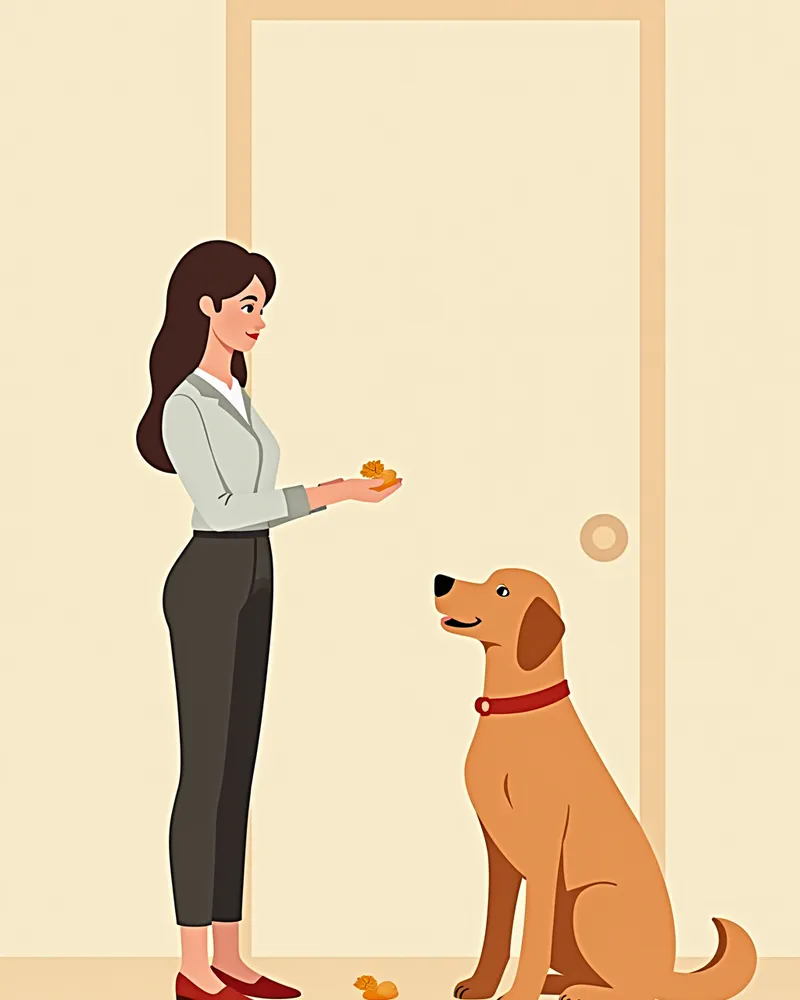
In veterinary behavior medicine, the cornerstone of behavior modification is the combined application of systematic desensitization and counterconditioning (DS/CC).
Systematic Desensitization: This involves breaking down the anxiety response to separation cues (such as picking up keys or putting on shoes) into very small, manageable steps to gradually reduce the reaction.
Counterconditioning: This pairs a pleasant stimulus, such as a treat or toy, with the anxiety-inducing trigger at the precise moment it occurs. This helps the pet associate the situation with something positive rather than something negative.
Pharmacological Treatment: In severe cases, medication may be introduced from the initial assessment phase. FDA-approved medications, such as those in the clomipramine or fluoxetine classes, are commonly used. However, medication is not always necessary; the standard of care is to combine it with behavior modification to maximize effectiveness.
A dog and trainer working together to improve separation anxiety through positive reinforcement training

Home Management Tips

Create a dedicated safe space: Provide your dog with a secure, cozy area where they can rest comfortably on their own.
Desensitize departure cues: Practice pre-departure routines—like grabbing keys or putting on shoes—frequently throughout the day without actually leaving, so these actions no longer signal that you’re about to go out.
Keep arrivals and departures low-key: Overly enthusiastic greetings can reinforce attachment and anxiety. This doesn’t mean ignoring your dog completely, but rather keeping interactions calm and brief.
Encourage independence and ensure adequate exercise: Teach your dog to relax when you’re not around, and meet their daily physical and mental stimulation needs so they’re more content during alone time.
Use food puzzles and Kong-style toys: Activities like licking and scent-seeking can make alone time more positive. However, offering these only right before you leave may turn them into a cue that you’re departing, which can increase anxiety. Instead, incorporate them into regular daily routines.
A dog comfortably resting with its toys in its own personal space.

Breed Considerations & Preventing Relapse

There is currently no consistent evidence suggesting that specific breeds or genders are more prone to separation anxiety. Not all dogs with strong bonds to their owners develop separation anxiety, and even in the same environment, symptoms can vary from dog to dog. Additionally, even after symptoms improve, significant environmental changes such as moving or hospitalization can cause the anxiety to reappear. Therefore, behavioral modification should be approached as ongoing "continuous management" rather than a "cure."

Reviewed by a veterinarian

Dr. Tony — Punnawat Phongkittirak

Dr. Tony — Punnawat Phongkittirak

Veterinarian

A veterinarian who majored in veterinary medicine at Khon Kaen University, Thailand, and completed the IVSA program at North Carolina State University in the United States. Drawing on clinical experience at animal hospitals, he works in the pet healthcare field and is dedicated to building a digital care environment that connects pet parents with veterinarians.

Frequently Asked Questions

How can you tell the difference between separation anxiety and simple boredom?
Separation anxiety is triggered specifically by cues that signal your departure, such as grabbing your coat or keys. In contrast, if the behavior stems from simple boredom, destructive acts occur at random times, regardless of whether you're about to leave. Recording your pet while they're alone can help you distinguish between the two relatively easily.
Do I need to give my pet anti-anxiety medication for life?
Medications are typically used as a supportive measure during behavior modification training. Once the training starts showing results, you can gradually reduce the dosage under your veterinarian’s guidance. However, never stop the medication abruptly on your own.
Will adopting a new puppy or kitten be helpful?
Not necessarily. Since separation anxiety often stems from being apart from their human caregiver, symptoms may persist even if another pet is present. In fact, the stress of adjusting to a new animal could potentially worsen the situation.
How long does training usually take?
There’s no fixed timeline, as the duration varies significantly depending on the severity of symptoms and individual differences. Consistent application of standard behavior modification protocols is known to yield improvement in more than half of cases. Combining medication with behavior modification can support the learning process, but above all, consistency is key.
Can't I just monitor my pet in real-time through CCTV?
While it may provide peace of mind for the owner, it doesn’t particularly help the dog. In fact, hearing your voice remotely might make the dog feel that you are nearby, causing them to search for you even more. It’s best to observe from a distance and minimize intervention.

Share

Related Guides

References

[1] Hammerle M. et al., Veterinary Guide to Preventing Behavior Problems in Dogs and Cats, AVSAB, 2022

[2] Döring D. et al., Introduction to Animal Behavior and Veterinary Behavioral Medicine, Wiley-Blackwell, 2022

[3] Mazur J.E., Learning and Behavior, 8th ed., Psychology Press, 2016

This information is based on veterinary literature and does not replace diagnosis or treatment. Please consult a veterinarian for specific health concerns.

Metapet Co., Ltd. | CEO: Park Sung-yong | Business Reg. No. 417-88-02562 | Seoul, South Korea | Customer Center

Dog Separation Anxiety: Symptoms, Causes & Treatment | Meongsiljang