Like
Share
멍실장
고양이 당뇨 합병증(신경병증·백내장) 증상과 원인, 진단·치료와 관리 포인트 총정리

If Your Cat Is Walking Poorly — Signs and Treatment of Diabetic Neuropathy and Cataracts

EndocrineDiseasesMeongsiljang Veterinary Advisory Board

Diabetic complications in cats, such as neuropathy and cataracts, can occur when blood sugar levels are not properly controlled. Early detection and consistent management are essential.

What Are Diabetic Complications (Neuropathy and Cataracts) in Cats?

Symptoms of diabetic neuropathy in cats
Diabetic complications in cats arise from prolonged poor blood sugar control, leading to changes throughout the nervous and metabolic systems. - Neuropathy: Diabetic polyneuropathy primarily affects the tibial nerve, often causing a plantigrade stance where the cat walks with its hocks (ankles) touching the ground. Peripheral nerves are frequently damaged by systemic diseases and metabolic imbalances. - Glucotoxicity: Chronic hyperglycemia causes structural and functional damage to pancreatic beta cells and insulin-target tissues, while promoting the production of reactive oxygen species (ROS), which leads to cumulative tissue injury. - Ocular Changes: While diabetic cataracts are particularly common in dogs and relatively less so in cats, they can still cause lens opacity and result in vision loss. - Severe Complications: The most serious complications of untreated or poorly controlled diabetes are diabetic ketoacidosis (DKA) and hyperglycemic hyperosmolar syndrome (HHS). - Early Management: Early intervention and effective blood sugar control are key to reducing the risk of complications.

What Are the Main Causes of Complications?
Complications of feline diabetes arise from metabolic changes caused by prolonged hyperglycemia due to inadequate blood glucose control. - The nature of diabetes: Diabetes mellitus is a metabolic disorder characterized by persistent hyperglycemia and cellular energy metabolism abnormalities resulting from impaired insulin secretion or sensitivity. - Glucotoxicity: Chronic hyperglycemia damages β-cells and insulin-target tissues, promotes reactive oxygen species production, and leads to cumulative tissue injury. - Causes of neuropathy: Peripheral neuropathy is common in systemic and metabolic disorders; diabetic polyneuropathy specifically affects the tibial nerve, leading to hindlimb weakness and a plantigrade stance. - Ocular changes: While cataracts are particularly common in dogs with diabetes and less frequent in cats, lens alterations can still result in vision loss. - Failure of control: Persistently high blood glucose increases the risk of complications and, in severe cases, can progress to critical conditions such as diabetic ketoacidosis (DKA) or hyperosmolar hyperglycemic state (HHS).
The physiological causes of diabetic complications in cats

Check the Main Symptoms and Signs

The main symptoms of diabetic complications in cats include the following:
Hind limb weakness: Reduced muscle strength in the hind legs may make walking difficult or cause the legs to buckle.
Plantigrade gait (abnormal walking posture): A characteristic sign of diabetic neuropathy is a plantigrade stance, where the cat walks with its hocks (ankles) touching the ground instead of just the toes.
Vision impairment: Blurred vision may cause the cat to bump into walls or have trouble seeing objects.
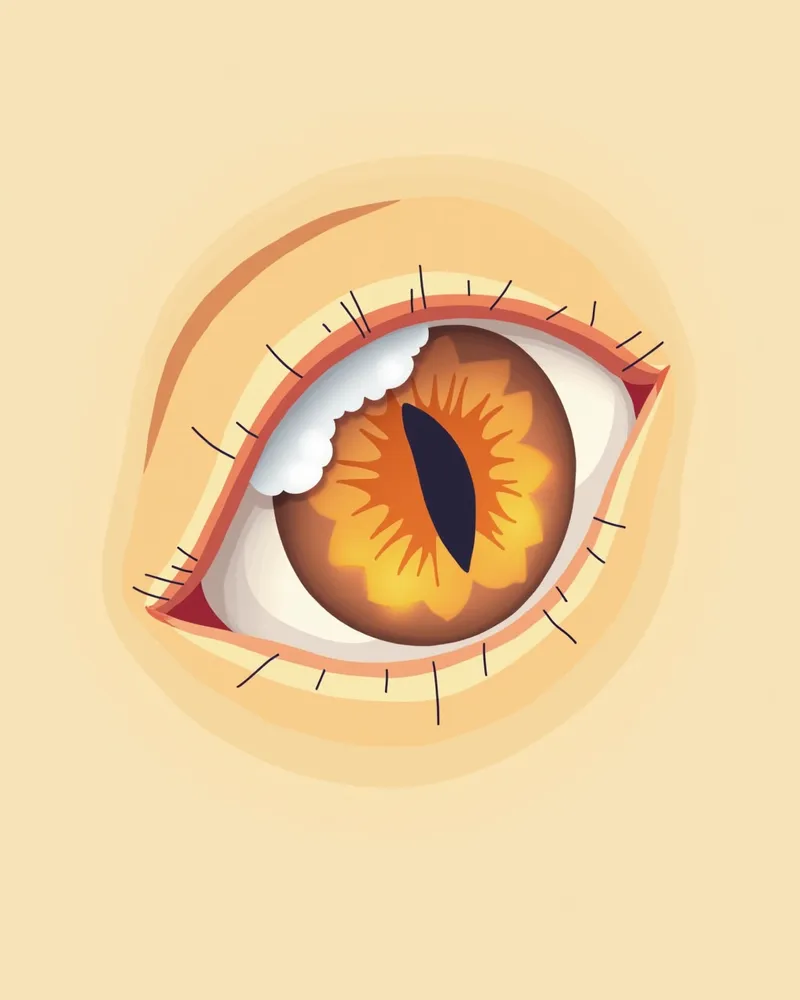
Lens opacity: The pupil may appear cloudy or hazy (diabetic cataracts are more common in dogs).
Frequent falls: The cat may fall more often than usual or tumble from elevated surfaces.
If you notice any of these signs, consult your veterinarian immediately.
Symptoms of cataracts in cats

Emergency Signs Requiring Immediate Veterinary Visit

If your cat suddenly loses strength in its hind legs or experiences a rapid decline in vision, seek veterinary care immediately. The most dangerous complications of uncontrolled diabetes are diabetic ketoacidosis (DKA) and hyperglycemic hyperosmolar syndrome (HHS). These conditions constitute a medical emergency, especially when accompanied by signs such as lethargy, loss of appetite, vomiting, and dehydration. Because HHS can carry a poor prognosis, prompt diagnosis and immediate treatment with fluids, insulin, and electrolyte therapy are critical.

Diagnostic Tests for Accurate Diagnosis
We confirm feline diabetes complications through various tests. - Blood tests: We measure blood glucose and assess daily fluctuations and control status using a blood glucose curve. Home blood glucose monitoring can also be utilized. - Urinalysis: This helps determine the presence of diabetes, ketones, and kidney function. - Ophthalmic examination: We directly examine the lens to assess the degree of clouding (cataracts). - Neurological evaluation: We check spinal reflexes, hindlimb muscle strength, and stance to identify peripheral nerve damage. - Underlying disease assessment: Identifying concurrent conditions that complicate diabetes management is the first step toward accurate treatment.
Ophthalmic examination for diagnosing diabetic complications in cats

Treatment Methods and Step-by-Step Management Points

Treating complications of feline diabetes involves two main approaches: blood glucose control and management of the complications themselves.
Blood glucose control: Insulin injections and a low-carbohydrate, high-protein diet help stabilize blood sugar levels. With strict blood glucose control combined with a low-carbohydrate diet, many cats can achieve diabetic remission.
Neuropathy management: As blood glucose levels improve, the plantigrade stance may resolve. It is also important to maintain a safe walking environment for your cat.
Cataract management: Treating diabetes alone will not reverse cataracts. If necessary, vision can be restored through phacoemulsification surgery.
Environmental adjustments: Provide a safe environment with low obstacles and non-slip mats.
Consistent management is key to slowing the progression of complications.
Managing the Environment for Cats with Diabetes Complications

Daily Home Care and Prevention

Consistency is the key to managing complications of feline diabetes at home.
Regular check-ups: Work with your veterinarian to regularly monitor blood sugar levels and eye health.
Diet management: Consistently feed a low-carbohydrate, high-protein diet.
Encourage exercise: Maintain muscle mass through 10–15 minutes of play each day.
Ensure environmental safety: Install low obstacles and non-slip mats.
Medication management: Strictly adhere to the prescribed insulin injection schedule and dosage.
Keep records: Log meals, injections, and behavioral changes as if keeping a daily journal.
These habits can significantly slow the progression of complications.
Daily Home Care for Managing Complications of Feline Diabetes

Breed-Specific Precautions and Points for Preventing Recurrence

Obesity is a more clearly established risk factor than breed predisposition. In cats, obesity contributes to diabetes through impaired carbohydrate tolerance and amyloid deposition in pancreatic islet cells, making weight management and regular health check-ups essential. With early intervention and good blood sugar control, many cats can achieve remission, though approximately 25–30% of those in remission may experience a relapse. Therefore, it is important to consistently maintain insulin therapy and dietary management, and to regularly consult with your veterinarian to monitor control status.

Reviewed by a veterinarian

Dr. Tony — Punnawat Phongkittirak

Dr. Tony — Punnawat Phongkittirak

Veterinarian

A veterinarian who majored in veterinary medicine at Khon Kaen University, Thailand, and completed the IVSA program at North Carolina State University in the United States. Drawing on clinical experience at animal hospitals, he works in the pet healthcare field and is dedicated to building a digital care environment that connects pet parents with veterinarians.

Frequently Asked Questions

Can complications of feline diabetes be cured?
While not a complete cure, cats can achieve diabetic remission with early intervention and good blood sugar control, and some may even be able to stop insulin injections. The goal is to slow the progression of complications and maintain quality of life through consistent management.
How often is cataract surgery necessary?
Diabetes treatment alone won’t reverse cataracts. However, vision can often be restored by removing the clouded lens through phacoemulsification and implanting an artificial lens. While repeat surgeries are usually unnecessary, regular ophthalmic check-ups remain essential.
What happens when neuropathy worsens?
If the condition worsens, your pet may adopt a distinct plantigrade stance, where their hind legs rest on their heels, making walking difficult. Early intervention is crucial because controlling blood sugar levels at an early stage can lead to improvement.
Can dietary management alone prevent complications?
A low-carbohydrate, high-protein diet can be helpful, but it must be combined with insulin therapy to achieve strict blood sugar control. Diet alone is not sufficient.
Can cats still live well with cataracts?
Yes, many cats adapt relatively well even when their vision declines. The key is to create a safe environment by minimizing low obstacles and using non-slip flooring.

Share

Related Guides

References

[1] Plumb's Veterinary Drug Handbook, 9th Edition, 2022

[2] Clinical Medicine of the Cat, 4th Edition, 2021

[3] BSAVA Manual of Feline Medicine, 2nd Edition, 2020

This information is based on veterinary literature and does not replace diagnosis or treatment. Please consult a veterinarian for specific health concerns.

Metapet Co., Ltd. | CEO: Park Sung-yong | Business Reg. No. 417-88-02562 | Seoul, South Korea | Customer Center

Cat Walking Poorly? Diabetic Neuropathy & Cataract Signs, Treatment | Meongsiljang