Like
Share
멍실장
강아지 새끼 강아지 구충 시기 증상과 원인, 진단·치료와 관리 포인트 총정리

Puppy Deworming: Timing, Symptoms, Causes, Diagnosis, Treatment, and Management Essentials

Infection/ParasitesDiseasesMeongsiljang Veterinary Advisory Board

Puppy deworming should begin at 2 to 3 weeks of age, with roundworms and nematodes being the most common parasites. Early management is essential for healthy growth.

Puppy Deworming Should Begin at 2 to 3 Weeks of Age

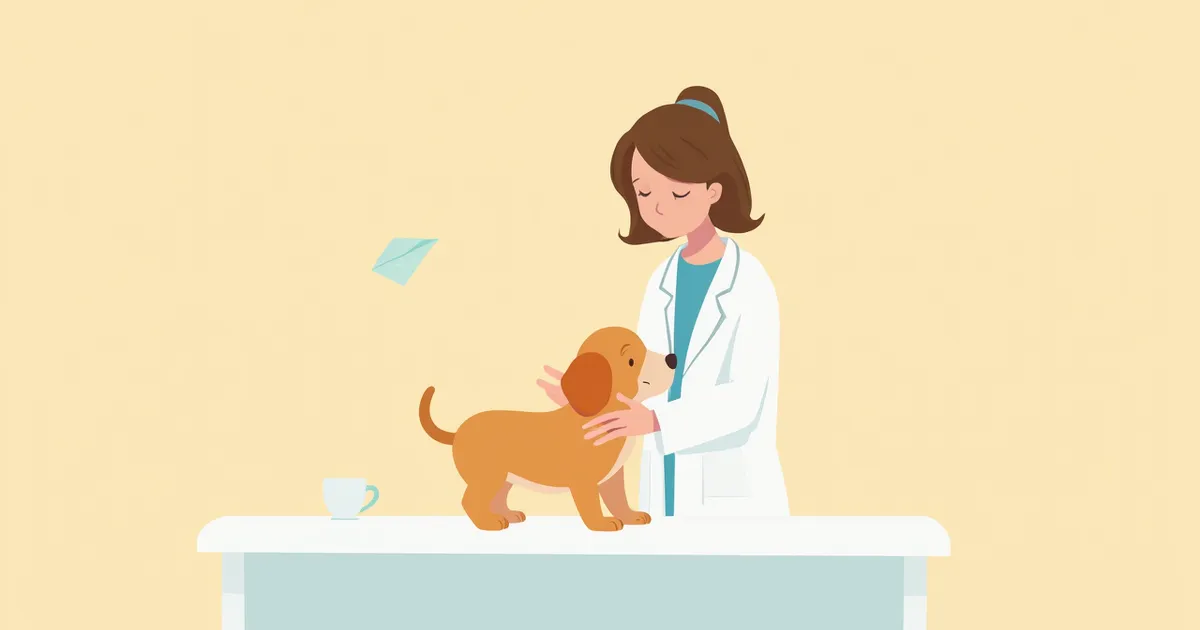
A scene of giving deworming medication to a puppy
It’s important to start deworming puppies early in life. Parasites like roundworms (Toxocara) can be transmitted to puppies before birth through the mother’s placenta, and after birth through her milk. One report notes that it takes at least about three weeks after in-utero infection for worm eggs to begin appearing in the stool. Early infections may show mild or no symptoms, but if left untreated, they can lead to stunted growth, diarrhea, and enteritis. - Deworming schedule: Rather than following a fixed number of treatments, it’s common for veterinarians to design a deworming plan based on the parasite’s life cycle (eggs typically appear in stool around three weeks post-infection), the puppy’s age and health status, and the local prevalence of parasites, with repeated doses as needed. - Transmission routes: Infection can occur before birth via the placenta, after birth through nursing, or by ingesting parasite eggs present in the environment. - Key to prevention: Early intervention and regular deworming as recommended by your veterinarian play a crucial role in supporting healthy growth.

The Main Causes of Parasitic Infections Are Vertical Transmission from the Mother and Environmental Contamination

The main causes of parasitic infections in puppies are larvae transmitted vertically from the mother (via the placenta or milk) and parasite eggs present in the environment. Roundworms, in particular, can be passed to the fetus through the mother’s placenta before birth, putting puppies at high risk of infection right from birth. After birth, transmission can also occur through the mother’s milk. Additionally, parasite eggs shed into soil, sand, or play areas can be easily ingested when puppies lick or put objects in their mouths, leading to infection. - Environmental contamination: It is important to remove feces immediately after defecation and to clean and disinfect toys, food bowls, and bedding as often as possible. Regular environmental management is key to reducing the risk of reinfection. - Prevention strategy: Monitor the mother’s health and maintain a clean environment. Early intervention is essential to prevent reinfection.
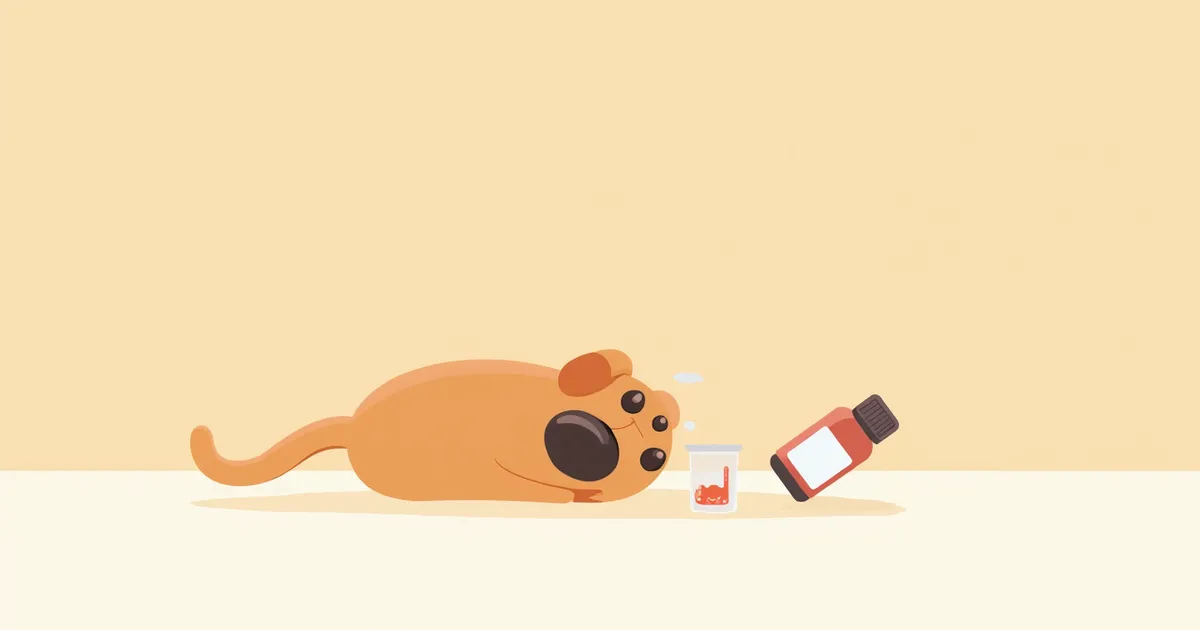
A puppy stepping on parasite eggs present in the environment

Main Signs Include Diarrhea, Abdominal Distension, and Delayed Weight Gain

The main signs of worm infestation in puppies include recurrent diarrhea, a bloated abdomen, and delayed weight gain. You may also notice pale gums or eyelids due to anemia, reduced activity levels, and a coarse, thinning coat. In severe cases, worms can lead to intestinal blockage or enteritis, so it’s important to consult a veterinarian immediately if you observe these symptoms. Early detection significantly improves the chances of successful treatment.
A puppy with a distended abdomen due to intestinal worms

Symptoms Requiring Immediate Veterinary Care

If your puppy experiences severe diarrhea, bloody stools, vomiting, lethargy, or sudden abdominal distension, seek immediate veterinary care. These symptoms may indicate that parasites have caused an intestinal blockage or severe anemia. Puppies under four weeks of age are at particularly high risk due to their immature immune systems. Early treatment can be life-saving, so act quickly if you notice any of these signs.

Diagnosis Is Made Through Fecal Testing and Veterinary Examination

Diagnosing intestinal parasites in puppies involves fecal testing and a physical examination by a veterinarian. Fecal tests use methods such as flotation or sedimentation to directly observe parasite eggs or larvae, helping to identify the specific type of parasite. This is the most fundamental diagnostic method. - Fecal examination: Tests are typically repeated on a schedule determined by your veterinarian, taking into account the timing of egg shedding and the puppy’s age. It is also advisable to regularly check for infection even after preventive deworming. - Physical examination: Your vet will assess the puppy’s overall condition by checking for signs such as a distended abdomen, poor weight gain, or pale mucous membranes. - Blood tests: These help evaluate the severity of anemia and assist in developing a treatment plan. - Imaging tests: While radiographs and ultrasounds often do not show specific abnormalities, they can be used as supportive tools when intestinal issues are suspected. Early diagnosis aids in effective treatment.
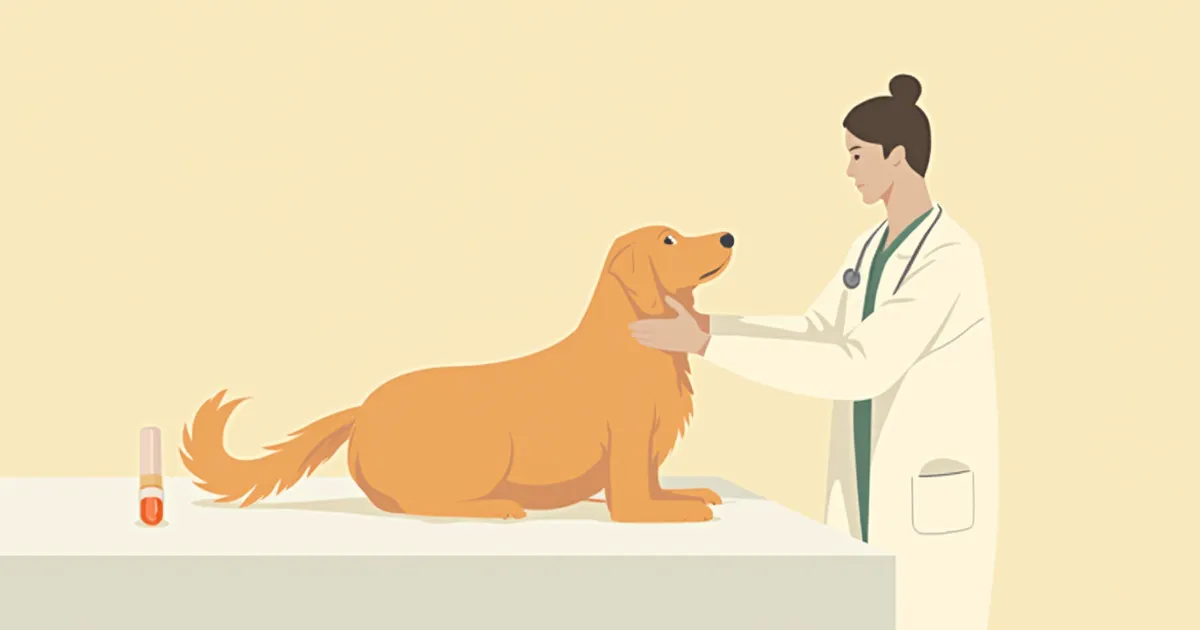
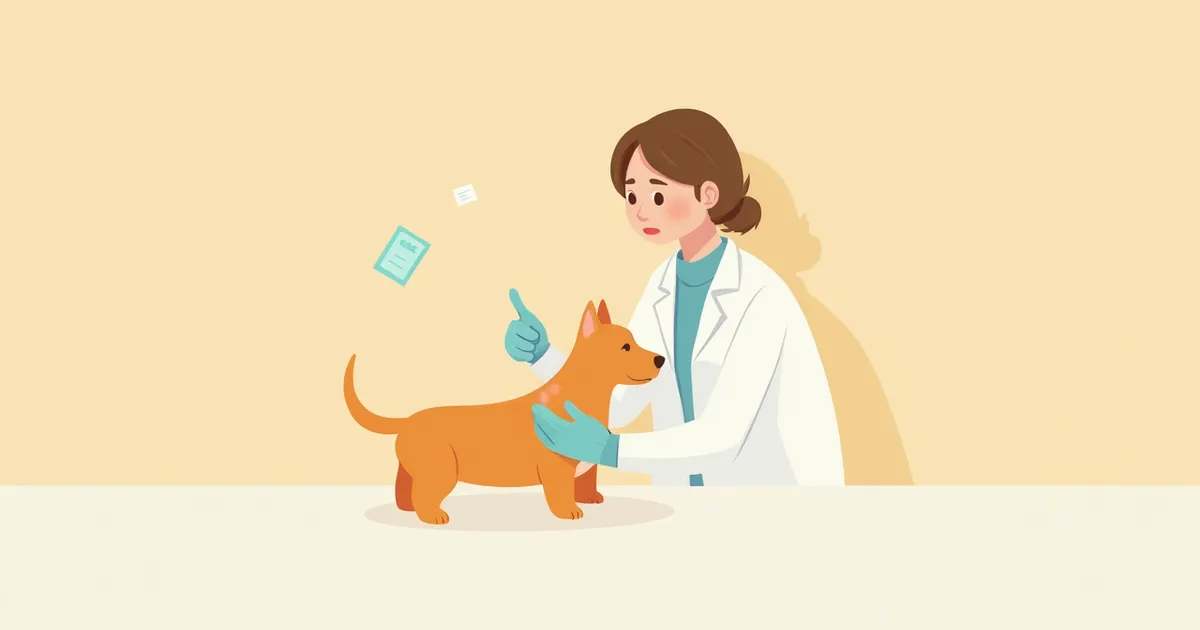
A veterinarian performing a stool examination on a puppy.

Treatment Involves Step-by-Step Deworming Medication Administration and Environmental Cleaning

Deworming puppies involves a step-by-step approach that combines administering deworming medication with thorough environmental cleaning. The first step is medication administration: based on the parasite’s life cycle and the puppy’s age and health status, your veterinarian will design a schedule for repeated doses starting from an early age. Because it takes time for parasite eggs to be passed in the feces, multiple rounds of treatment over a set period may be necessary. The second step is environmental hygiene: promptly remove feces, and disinfect play areas, bedding, and sand as often as possible. If these measures are not properly carried out, the risk of reinfection increases significantly.
A scene showing environmental cleaning for puppy deworming treatment

Home Care Centers on Regular Administration and Hygiene Management
Proper home care for puppies centers on regular deworming and meticulous hygiene. Deworming medication must be administered at the exact dosage recommended by your veterinarian, tailored to your puppy’s weight and health status. - Regular Administration: It is standard practice to administer dewormers repeatedly according to a schedule designed by your veterinarian, taking into account the parasite’s incubation period and the puppy’s age in months. Rather than sticking rigidly to a fixed number of doses, it is important to adjust the regimen based on your veterinarian’s guidance. - Environmental Cleaning: Remove feces immediately after elimination, and clean and disinfect toys, bowls, and bedding as frequently as possible. Maintaining a clean environment is essential to prevent reinfection. - Behavioral Supervision: Always supervise your puppy when it is licking the ground or playing in outdoor areas, and prevent it from coming into contact with contaminated environments. - Maternal Care: Monitor the health of the mother dog as well, and provide treatment for her if necessary. Comprehensive management is essential to prevent reinfection.
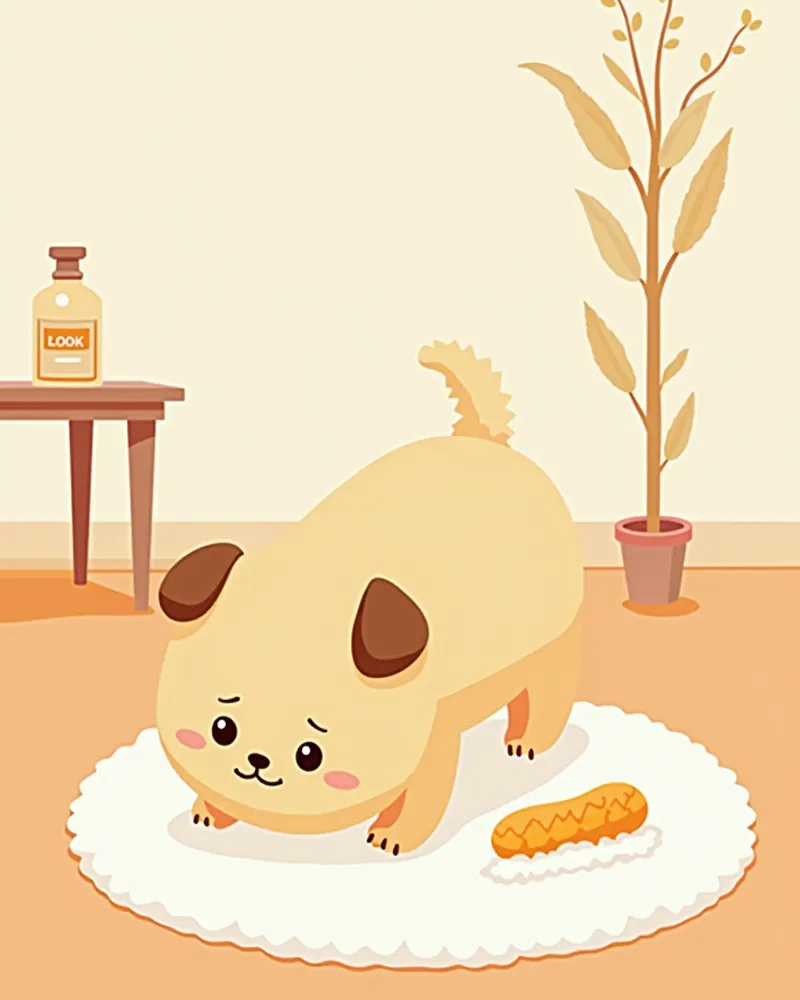
A scene of a puppy playing in a hygienic environment

Breed-Specific Considerations and Tips for Preventing Recurrence

Rather than breed, a puppy’s age in months, weight, overall health, and the prevalence of parasites in its environment are generally more important factors. For small-breed dogs, the medication dosage relative to body weight is particularly critical, so avoid administering excess doses without a veterinarian’s prescription. Missing deworming schedules increases the risk of reinfection, so it’s helpful to record the dosing dates on a calendar. The mother dog should also be dewormed concurrently, and during the early stages of life, it’s advisable to consult with your veterinarian for regular check-ups and fecal examinations.

Reviewed by a veterinarian

Dr. Tony — Punnawat Phongkittirak

Dr. Tony — Punnawat Phongkittirak

Veterinarian

A veterinarian who majored in veterinary medicine at Khon Kaen University, Thailand, and completed the IVSA program at North Carolina State University in the United States. Drawing on clinical experience at animal hospitals, he works in the pet healthcare field and is dedicated to building a digital care environment that connects pet parents with veterinarians.

Frequently Asked Questions

When should you start deworming your puppy?
It’s common to start deworming early in a puppy’s life. Roundworms can be transmitted before birth through the placenta and after birth through the mother’s milk. One report indicates that if infection occurs before birth, worm eggs may start appearing in the stool as early as three weeks after birth. Deworming should be administered multiple times according to a schedule designed by your veterinarian, taking into account the incubation period and your puppy’s individual health status.
Do I need to use the same deworming medication every time?
Your veterinarian will recommend the most appropriate medication based on the type of parasite and your dog’s individual health condition. Rather than sticking to a single product, choosing a medication tailored to the specific situation is safer, so it’s best to consult with your vet rather than deciding on your own.
What should I do if my pet develops diarrhea after taking deworming medication?
Mild diarrhea can sometimes be a temporary reaction to certain medications. However, if it persists or is accompanied by blood in the stool, consult your veterinarian, as severe cases may indicate an allergic reaction to the medication.
What should I do if I missed the deworming schedule?
Adjust the timing of the next dose promptly and consult with your veterinarian. Since the risk of reinfection increases, we recommend additional examinations.
Can I easily get deworming medication at a pharmacy?
While some dewormers are available over the counter at pharmacies, most require a prescription from a veterinarian. To ensure safe administration, it is essential to follow a professional’s guidance.

Share

Related Guides

References

[1] Principles and Practices of Canine and Feline Clinical Parasitic Diseases, 2023

[2] Plumb's Veterinary Drug Handbook, 10th Ed, 2022

[3] The Cat, Clinical Medicine and Management, 2nd Edition, 2021

This information is based on veterinary literature and does not replace diagnosis or treatment. Please consult a veterinarian for specific health concerns.

Metapet Co., Ltd. | CEO: Park Sung-yong | Business Reg. No. 417-88-02562 | Seoul, South Korea | Customer Center

Puppy Deworming: Timing, Symptoms, Causes & Treatment | Meongsiljang