Like
Share
멍실장
강아지 개 개선충(옴) 증상과 원인, 진단·치료와 관리 포인트 총정리

Dog Scabies (Sarcoptic Mange): Symptoms, Causes, Diagnosis, Treatment, and Care Essentials

Infection/ParasitesDiseasesMeongsiljang Veterinary Advisory Board

Dog scabies, caused by mites, is a highly contagious parasitic infection that leads to severe itching and skin inflammation. Early diagnosis and appropriate treatment are essential.

What Is Canine Scabies (Sarcoptic Mange)?

Skin damage caused by canine mange (scabies)
Canine scabies, also known as sarcoptic mange, is a highly contagious parasitic skin disease caused by mites burrowing into the skin. The causative agent is the Sarcoptes scabiei mite. Direct contact with other dogs (or foxes) is the primary mode of transmission, though indirect transmission through contaminated environments has also been reported. It is considered one of the most intensely pruritic (itchy) skin conditions in dogs. - Burrowing into the skin: After mating on the skin surface, the female mite burrows into the epidermis to create tunnels where she lays her eggs. - Severe itching: Persistent itching results from a hypersensitivity (allergic) reaction to the mites and their waste products, compounded by the physical irritation of the mites burrowing. - Transmission routes: Direct contact between dogs is the main cause of spread. Mites can survive in the environment away from a host for up to three weeks. Early detection and treatment are key to preventing the condition from worsening.

Main Causes and Pathogenesis of Canine Scabies (Sarcoptic Mange)
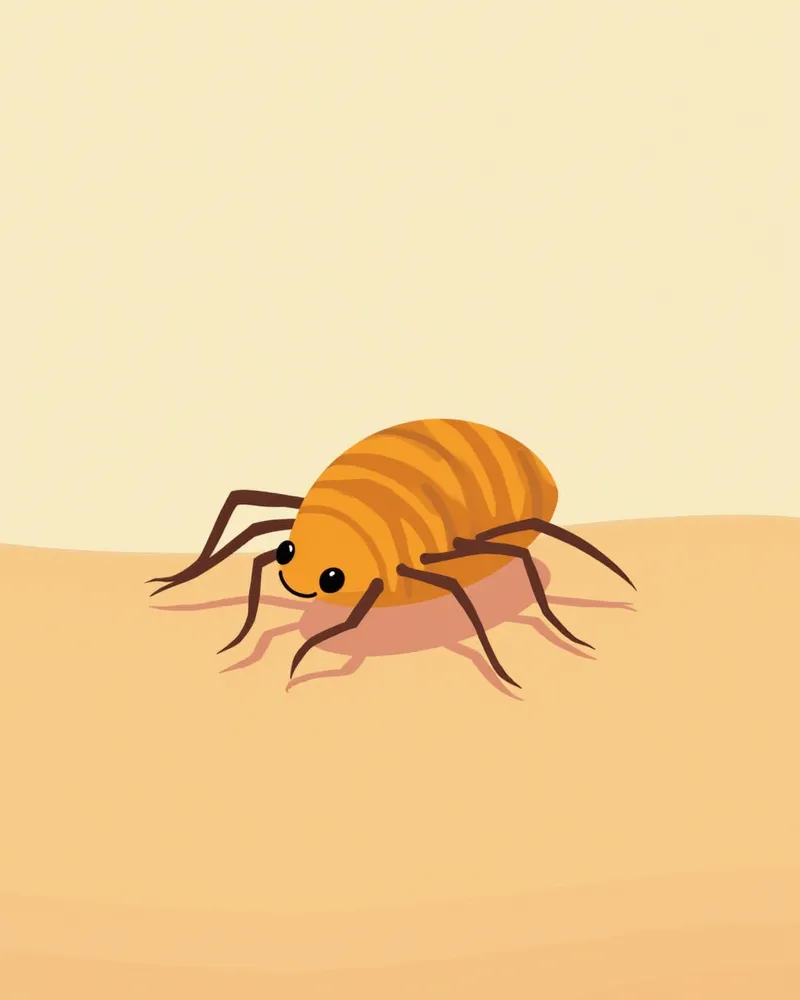
Sarcoptic mange in dogs is caused by the mite Sarcoptes scabiei var. canis. These mites burrow into the epidermis, creating tunnels where they lay eggs, and this process triggers an hypersensitive immune response that leads to itching and inflammation. - Life cycle: The mite progresses through egg, six-legged larva, eight-legged nymph, and adult stages, with the entire life cycle from egg to egg taking approximately 14 to 21 days. - Immune response: The mites themselves and their waste products irritate the skin, provoking a strong hypersensitive reaction that causes intense itching in most dogs. - Transmission: Direct contact between dogs is the most common mode of transmission, though indirect transmission via contaminated items such as bedding or toys has also been reported. - Clinical presentation: Severe itching is a hallmark sign, although some dogs may be asymptomatic carriers with minimal symptoms. Early diagnosis and treatment are crucial to prevent the spread of the disease.
Microscopic image of canine scabies mites

Main Symptoms and Signs of Canine Scabies (Sarcoptic Mange)

Mange mites in dogs cause intense itching, leading to repeated scratching and licking. The main symptoms include:
Severe itching: Most prominent around the edges of the ears, elbows, hocks (back of the hind legs), paws, and abdomen.
Skin rash: Redness and scratch marks appear first, followed by scaling (flaking skin) and yellow crusts that gradually spread.
Hair loss: Repeated scratching and mite activity cause patchy hair loss with unclear borders, and the crusts become thicker.
Thickened skin: In chronic cases, the skin becomes thickened (lichenification) and develops hyperpigmentation.
Ear-paw reflex: Stimulating the edge of the ear may trigger a reflexive scratching motion with the hind paw, which can aid in diagnosis.
If you notice these symptoms, consult your veterinarian immediately.
Skin lesions in dogs caused by sarcoptic mange (scabies)

Signs Requiring Immediate Veterinary Visit

Canine scabies (mange) is highly contagious, so early treatment is crucial. If symptoms worsen, secondary bacterial skin infections (pyoderma) can easily develop through scratched wounds. If you notice any of the following signs, please visit the clinic immediately.

Diagnostic Methods for Accurate Diagnosis
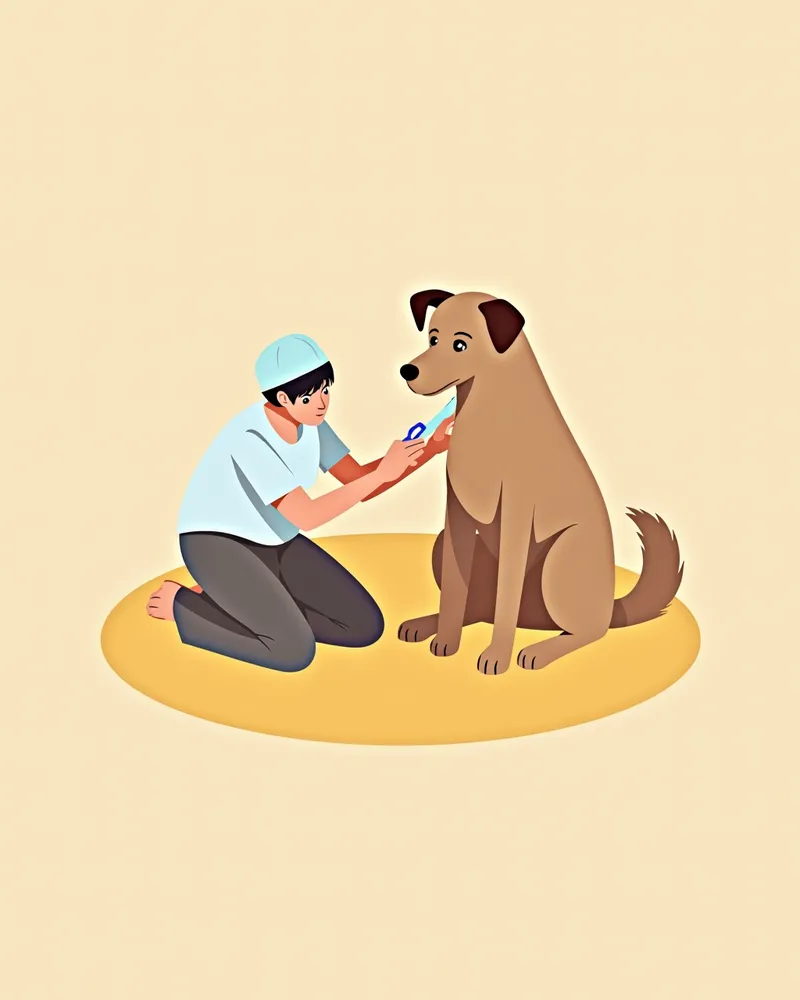
Canine scabies (sarcoptic mange) is diagnosed through skin scraping. Mineral oil is applied to the skin, and a scalpel is used to scrape along the direction of hair growth until serum exudes from the capillaries. The collected sample, which may contain mites, eggs, or feces, is then examined under a microscope. - Skin Scraping: This is the standard and most commonly used diagnostic method. However, its sensitivity is relatively low, with positive results occurring in only about 50% of infected dogs. - Possibility of Negative Results: The test may yield a negative result if the mite population is low or if the mites are burrowing deeply. - Clinical Assessment: Veterinarians make a comprehensive diagnosis by evaluating the clinical signs and the distribution of skin lesions together. - Diagnostic Response to Treatment: Even if test results are negative, a final diagnosis may be confirmed by administering appropriate antiparasitic medication and observing whether the symptoms resolve. - Additional Tests: If necessary, skin biopsies or ELISA serological tests may be performed alongside other diagnostics. Multiple factors must be considered to ensure an accurate diagnosis.
The veterinarian is performing a skin scraping test.

Treatment Methods and Step-by-Step Management

Treating canine scabies (mange) centers on eliminating the mites with an appropriate miticide. The main treatment approaches are as follows:
Miticidal therapy: Macrocyclic lactones such as ivermectin, moxidectin, and selamectin, as well as isoxazolines (e.g., fluralaner, afoxolaner, sarolaner, and lotilaner), are effective. A veterinarian will prescribe the medication based on your dog’s body weight.
Environmental cleaning: Thoroughly clean or disinfect items like bedding, crates, and living areas using hot water washing or appropriate disinfectants.
Concurrent treatment: If a secondary bacterial infection develops, antibiotics are used alongside the miticide.
Adequate treatment duration: Continue the miticide for at least six weeks, and confirm complete resolution with a follow-up examination after treatment.
For the first two weeks of treatment, avoid contact with other dogs.
Your dog is currently undergoing Metiside treatment.

Home Care and Prevention Tips

Dogs undergoing treatment require careful, attentive care at home. Please be sure to follow these guidelines:
Relieving Itching: If itching is severe, use oral anti-itch medications (such as antihistamines or steroids) as prescribed by your veterinarian.
Protecting the Skin: Prevent scratching by having your dog wear an Elizabethan collar or clothing.
Environmental Disinfection: Thoroughly clean bedding, toys, and living areas with high-temperature washing and disinfection to ensure no mites remain.
Isolation from Other Dogs: Completely avoid contact with other dogs during the first two weeks of treatment, when the risk of transmission is highest.
Complete Treatment and Follow-up Exams: Use the anti-mite medication for at least six weeks, and confirm full recovery through a follow-up examination after treatment.
Adhering to these care instructions will greatly help prevent recurrence.
To prevent your dog from scratching, they are currently wearing a cone.

Breed-Specific Precautions and Recurrence Prevention

Symptom severity and response to medication can vary from dog to dog. In particular, some dogs may be sensitive to certain medications used to treat sarcoptic mange, so the type and dosage of medication should always be determined in consultation with a veterinarian. To prevent recurrence, it is important to treat all animals living in the same household and thoroughly clean the living environment.

Reviewed by a veterinarian

Dr. Tony — Punnawat Phongkittirak

Dr. Tony — Punnawat Phongkittirak

Veterinarian

A veterinarian who majored in veterinary medicine at Khon Kaen University, Thailand, and completed the IVSA program at North Carolina State University in the United States. Drawing on clinical experience at animal hospitals, he works in the pet healthcare field and is dedicated to building a digital care environment that connects pet parents with veterinarians.

Frequently Asked Questions

Can canine scabies (mites) be transmitted to humans?
While these parasites can cause temporary itching in humans, they cannot survive long on the human body. With proper treatment of your dog, any symptoms in people typically resolve on their own. However, since some individuals may experience skin reactions, it is important to take precautions.
Is the itching still continuing even after treatment?
Itching may persist for a while even after treatment. This is because hypersensitivity to the mites and their waste products can still remain. Your veterinarian may prescribe additional anti-itch medications, such as antihistamines or steroids.
Why is environmental cleaning important?
Mites can survive for up to three weeks in the environment away from their host. Without proper environmental cleaning, the risk of reinfection increases significantly. It is essential to thoroughly clean and disinfect bedding, toys, and living areas.
How long is the treatment period?
It is recommended to use the mite treatment consistently for at least six weeks. After treatment, a follow-up examination should be conducted to confirm that the mites have been eliminated, and to prevent recurrence, all animals living in the same household should be treated as well.
Can dog mange (scabies) be prevented?
Regular deworming and managing contact with other dogs can help prevent infestations. After outdoor activities, check your dog’s body for any signs of parasites, and regularly wash and clean their living environment, such as bedding.

Share

Related Guides

References

[1] BSAVA Manual of Canine and Feline Dermatology, 4th Ed, 2023

[2] Handbook of Veterinary Pharmacology, 2022, Chapter 0754

[3] Curtis CF et al., Evaluation of a commercially available enzyme-linked immunosorbent assay for the diagnosis of canine sarcoptic mange, Veterinary Record, 2001

This information is based on veterinary literature and does not replace diagnosis or treatment. Please consult a veterinarian for specific health concerns.

Metapet Co., Ltd. | CEO: Park Sung-yong | Business Reg. No. 417-88-02562 | Seoul, South Korea | Customer Center

Dog Mange: Complete Guide to Symptoms, Causes, and Treatment | Meongsiljang