

Feline Diabetes: Symptoms, Causes, Diagnosis, Treatment, and Management Essentials
Feline diabetes is an endocrine disorder in which impaired insulin function makes it difficult to regulate blood sugar. Early detection and consistent management are key to improving survival rates and quality of life.
What is Feline Diabetes?

Main Causes and Risk Factors

Key Symptoms Checklist

Symptoms Requiring Immediate Veterinary Care
If your cat loses consciousness, experiences severe vomiting, difficulty breathing, or muscle spasms, it may be suffering from diabetic ketoacidosis, a complication of diabetes. Immediate consultation with a veterinarian is necessary.
Diagnostic Methods
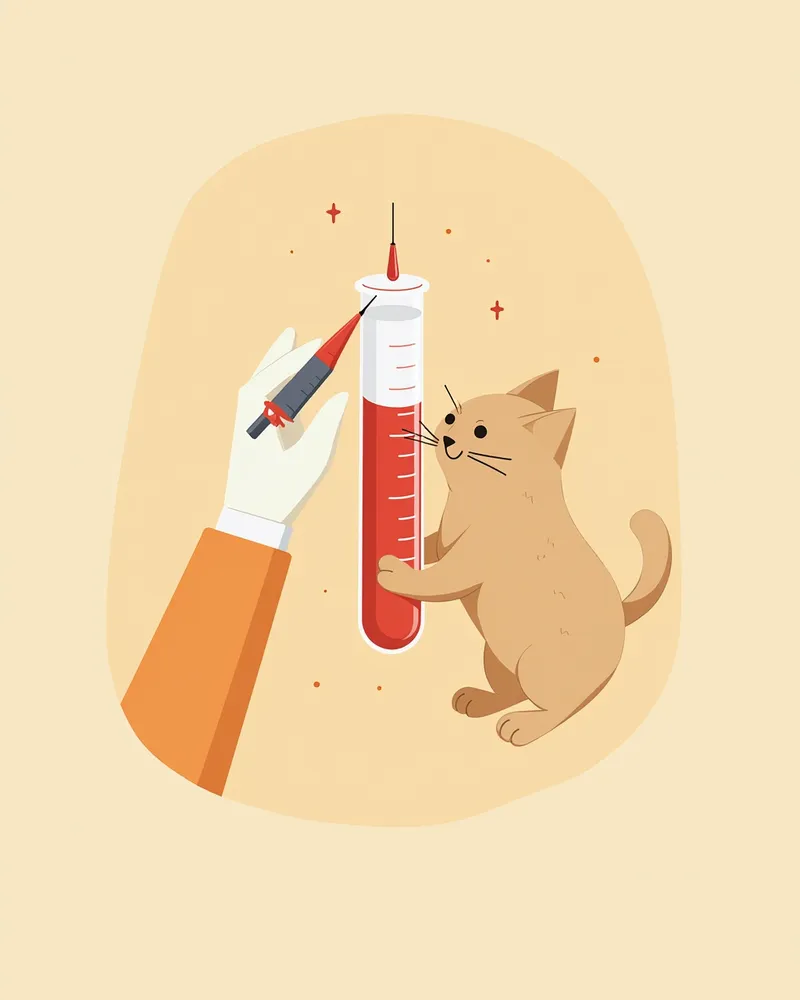
Step-by-Step Treatment Guide
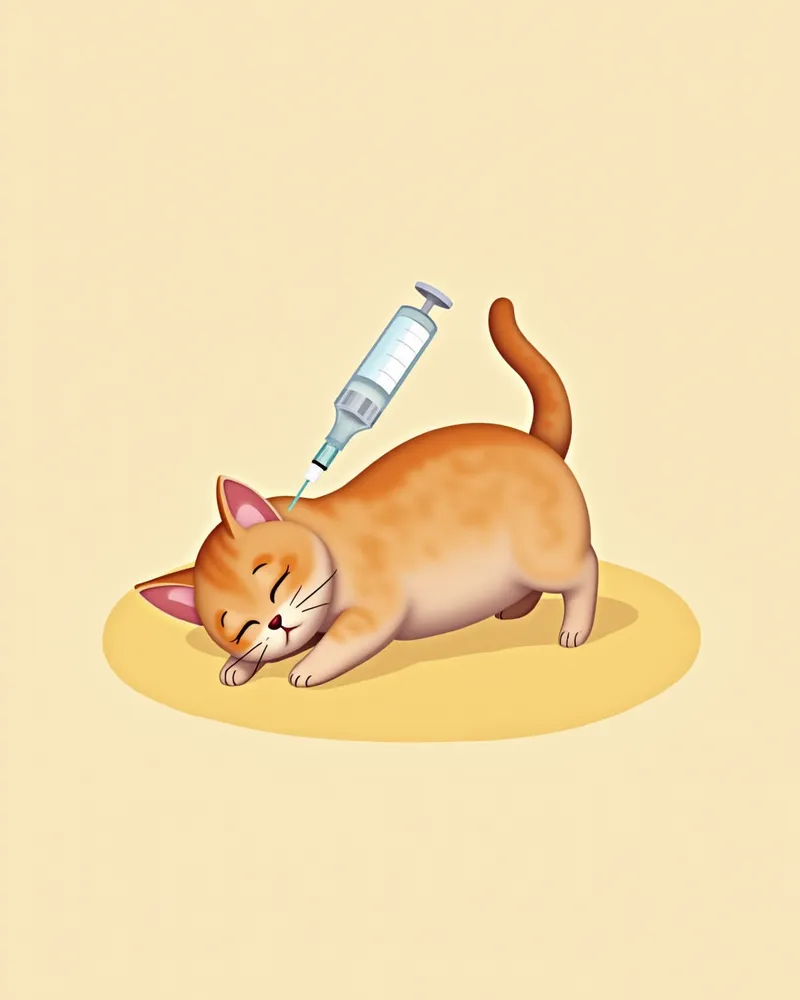
Home Management and Daily Care

Breed-Specific Precautions and Recurrence Prevention
Certain breeds, such as the Burmese, are known to have a relatively higher risk of developing diabetes. Preventing obesity and detecting the condition early through regular health check-ups are crucial. Even with effective treatment, blood sugar control can become challenging if other health issues are present, making ongoing monitoring essential throughout the treatment process.
Reviewed by a veterinarian

Dr. Tony — Punnawat Phongkittirak
VeterinarianA veterinarian who majored in veterinary medicine at Khon Kaen University, Thailand, and completed the IVSA program at North Carolina State University in the United States. Drawing on clinical experience at animal hospitals, he works in the pet healthcare field and is dedicated to building a digital care environment that connects pet parents with veterinarians.
Reviewed 2026-06-01
Frequently Asked Questions
Can feline diabetes be cured?
Does an insulin injection hurt?
Will changing the diet alone improve diabetes?
Cats do not take insulin orally; it is administered via subcutaneous injection.
How long is the average life expectancy of a diabetic cat?
Share
Related Guides

Top 5 Prescription Dog Foods for Diabetes Recommended by Veterinarians — Blood Sugar-Stabilizing Food Comparison

7 Key Products for Managing Feline Hypercalcemia Recommended by Veterinarians and Selection Criteria

7 Key Points for Canine Thyroid T4 Testing by Veterinarians — From Timing to Result Interpretation

Changes in Your Cat After the Baby’s Birth — Causes of Postpartum Behavioral Changes and Adaptation Management Points

Our Cat’s Paroxysmal Coughing and Wheezing — Asthma Symptoms, Causes, and Emergency Response

If Your Cat Has Proteinuria — Causes of Kidney Damage and Management Points

If Your Dog Licked Cocoa Mulch — Symptoms, Emergency Response, and Prevention

If Your Cat Is Constantly Seeking Water — Signs of Salt Toxicity and Emergency Response

Did My Dog Eat Too Much Salt? — From Poisoning Warning Signs to First Aid and Prevention

If Your Cat Ate Aloe — A Complete Guide to Poisoning Symptoms, Emergency Care, and Prevention
References
[1] Plumb's Veterinary Drug Handbook, 9th Edition, 2022
[2] Clinical Medicine of the Dog and Cat, 4th Edition, 2021
[3] BSAVA Manual of Canine and Feline Diabetes Mellitus, 2020