Like
Share
멍실장
강아지 DHPP(복합백신) 접종 증상과 원인, 진단·치료와 관리 포인트 총정리

Complete Guide to DHPP (Combination Vaccine) Symptoms, Causes, Diagnosis, Treatment, and Care Points for Dogs

Lifestyle & Age CareDiseasesMeongsiljang Veterinary Advisory Board

The DHPP combination vaccine is a key preventive measure for dogs, protecting against plague, adenovirus (hepatitis), parvovirus, and parainfluenza. Temporary side effects may occur after vaccination, so it’s important to monitor your pet closely.

What is the DHPP (Combination Vaccine) for Dogs?
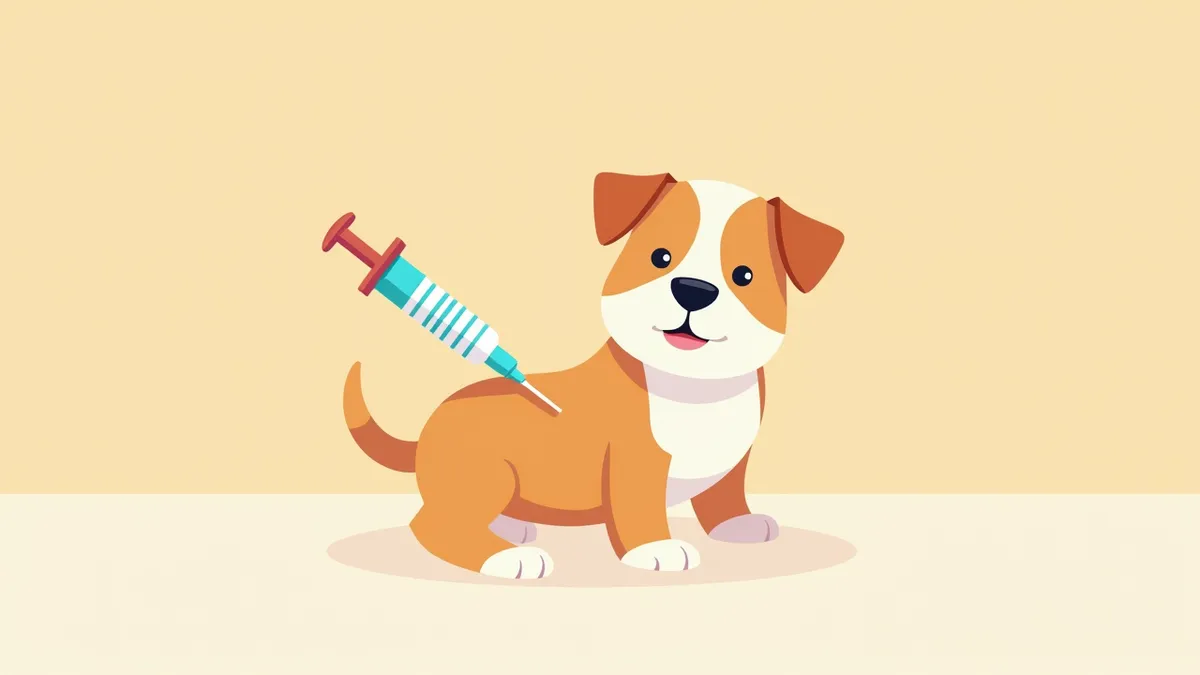
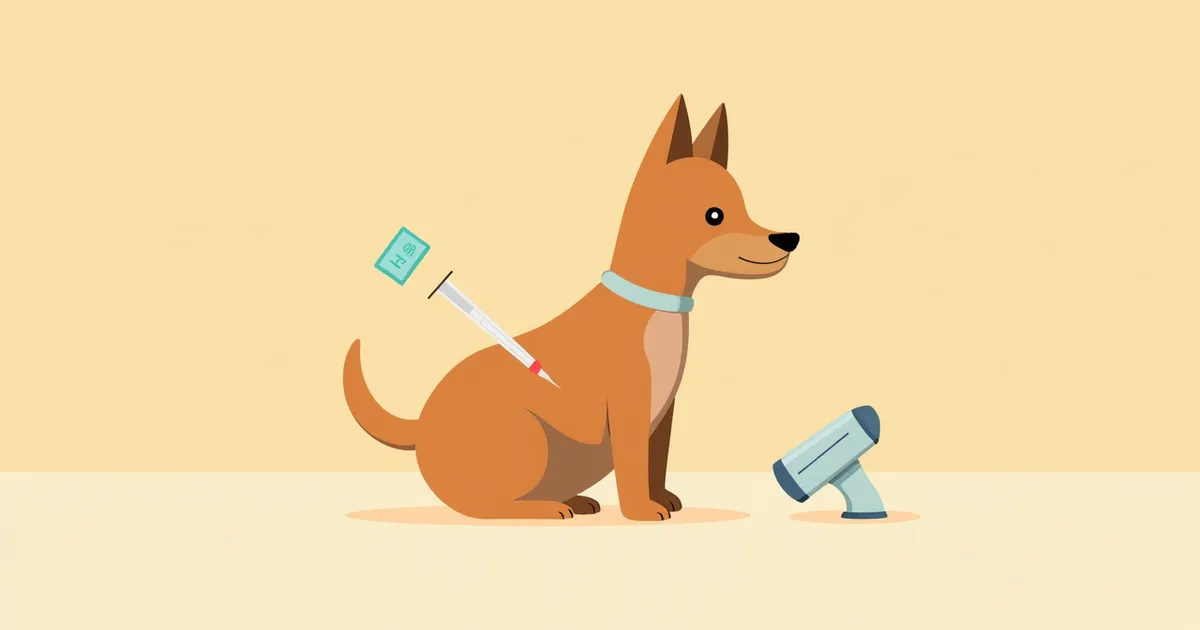
A veterinarian administering the DHPP vaccine to a puppy
The DHPP combination vaccine is a core vaccine that protects against canine distemper, infectious hepatitis (adenovirus), parvovirus (canine parvovirus), and parainfluenza. It works by stimulating the immune system with weakened pathogens to establish immunological memory. When the immune system encounters a pathogen and responds, it retains a memory that allows for a stronger and faster reaction upon subsequent exposures; this immunological memory is the fundamental principle behind vaccination. Therefore, many vaccines require multiple doses rather than just one. The vaccination series typically begins at 6 to 8 weeks of age, with boosters administered every 3 to 4 weeks, and your veterinarian will tailor the schedule to your puppy’s individual health status. Additionally, if the initial vaccination series is completed before six months of age, a booster is recommended after six months to ensure adequate protection. Vaccination is an essential preventive measure to safeguard your puppy’s health and safety. Regular vaccinations help prevent the spread of infectious diseases and enhance your dog’s quality of life.

Causes and Mechanisms of Post-Vaccination Reactions
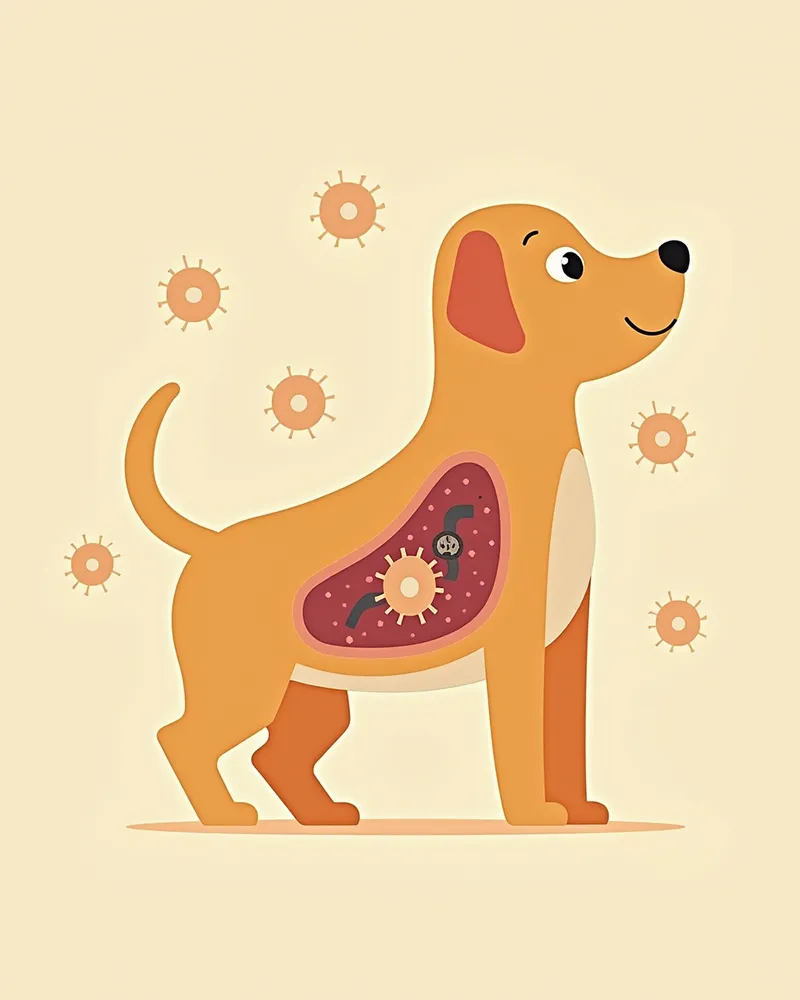
The reactions that occur after a DHPP vaccination are a natural physiological process as the immune system recognizes and responds to the vaccine components. Attenuated viruses or proteins stimulate immune cells, triggering a temporary inflammatory response. This can lead to symptoms such as fever, lethargy, and swelling, which typically resolve within one to two days. Since some dogs may exhibit hypersensitivity reactions, it is important to monitor your pet after vaccination. While the immune response is a healthy sign, you should consult your veterinarian if symptoms become excessive.
The process by which a puppy's immune system responds to vaccine antigens

Checklist of Main Symptoms and Signs
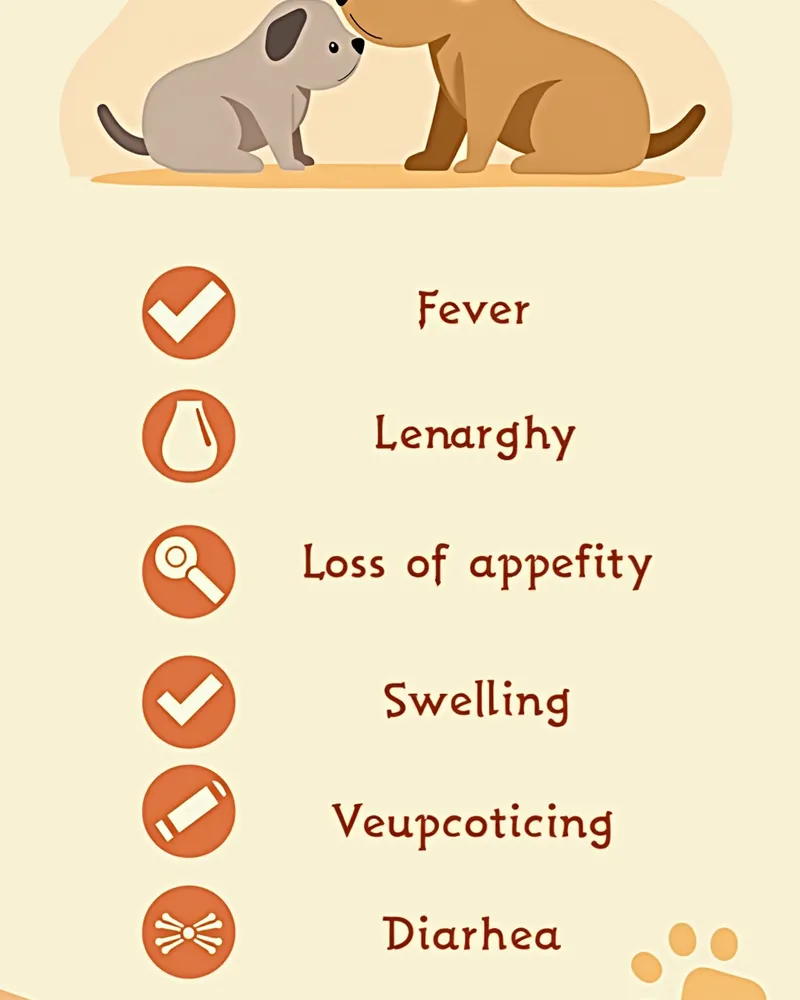
After receiving the DHPP vaccine, your pet may experience a variety of symptoms, so it’s important for you to monitor them closely.
Persistent fever: If a fever lasts more than 1–2 days after vaccination or if your pet’s body temperature rises significantly, this could be a concern. However, it’s important to consult with your veterinarian to determine whether the temperature is above the normal range.
Loss of appetite: Your pet may refuse treats or regular food, or only eat small amounts.
Increased fatigue: Your pet may sleep throughout the day or show a noticeable decrease in activity.
Swelling or pain: The injection site may become swollen or show signs of discomfort when touched.
Vomiting or diarrhea: These symptoms may occur due to gastrointestinal irritation and digestive upset.
If any of these symptoms persist or worsen, please visit your veterinarian immediately.
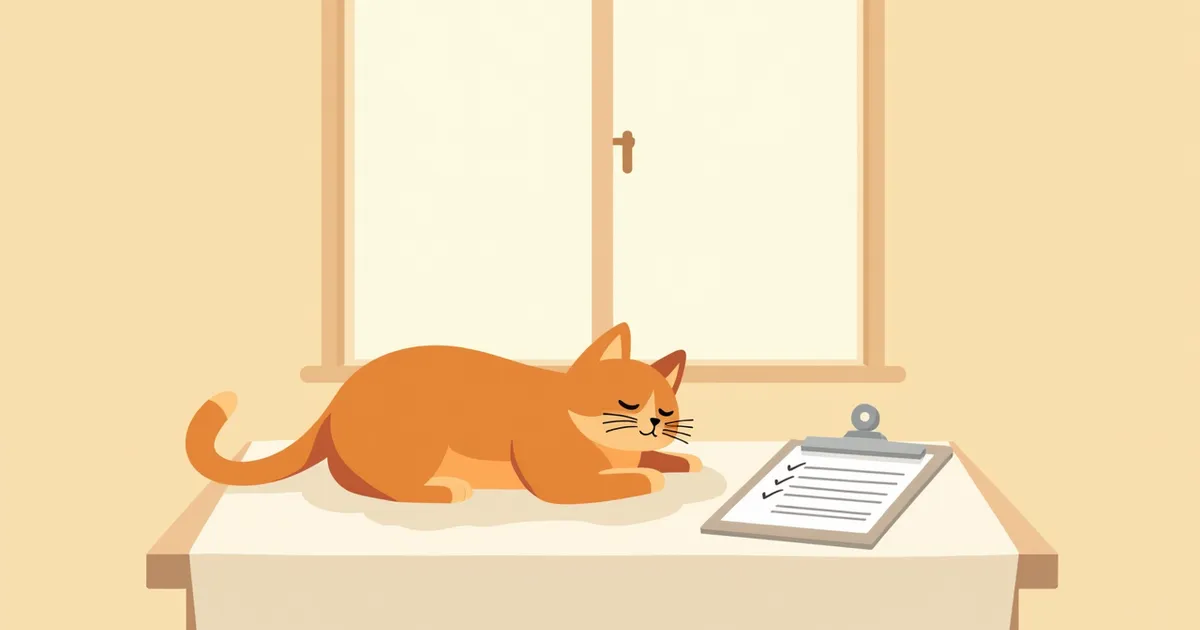
Checklist of symptoms that may occur after DHPP vaccination

Emergency Signs Requiring Immediate Veterinary Visit

If your pet shows difficulty breathing, a full-body rash, or bluish or swollen lips and mouth within an hour of vaccination, seek veterinary care immediately. These could be signs of a severe allergic reaction (anaphylaxis). Your veterinarian will promptly administer antihistamines or steroids to ensure your pet’s safety.

Diagnostic Methods and Confirmation Procedures

If symptoms appear after DHPP vaccination, your veterinarian will conduct a comprehensive evaluation, including checking your pet’s body temperature, performing blood tests, and examining the injection site. Persistent fever may prompt further testing to rule out infection and assess the immune response. If skin rashes or swelling occur, additional evaluation is necessary to determine whether an allergic reaction is present. While mild symptoms may only require observation, visiting the clinic is essential for an accurate diagnosis. Your veterinarian will determine the appropriate tests and treatments based on their assessment.
A veterinarian checking a puppy’s body temperature and overall condition.

Treatment Methods and Step-by-Step Response Guide

For mild cases, let your pet rest in a warm, quiet environment. Encourage plenty of water intake, but don’t force-feed if they’re not hungry. If they have a fever, use cold compresses or a damp towel to help lower their body temperature. If they’re not eating well, offer small amounts of meat broth or a special diet. If symptoms last more than 48 hours or get worse, consult a veterinarian for possible prescriptions like anti-inflammatory or antihistamine medications. Always follow your vet’s instructions for proper treatment.
Applying a cold compress to a puppy resting after vaccination

Home Care and Management Points

For 24 to 48 hours after vaccination, minimize outdoor activities and allow your dog to rest in a quiet environment. Avoid contact with other dogs or people, and reduce physical activity. Do not touch the injection site; if swelling or pain occurs, apply a cold compress to relieve discomfort. Encourage water intake, but do not force-feed if your dog has no appetite. Once symptoms subside, your dog can return to normal activities. For one week after vaccination, it is advisable to avoid sudden changes in the environment.
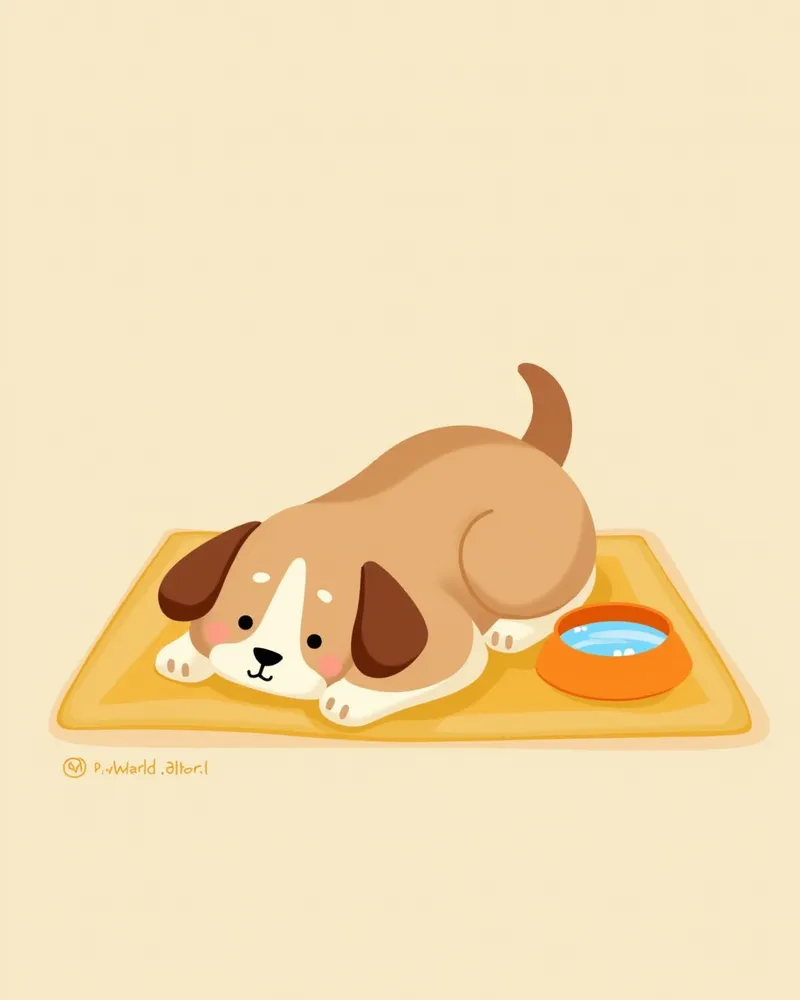
A puppy resting after vaccination, with a water bowl nearby.

Breed-Specific Precautions and Tips for Preventing Recurrence

While there are reports suggesting that certain breeds may be more sensitive to vaccines, evidence indicates that smaller dogs may have a higher rate of side effects. Consult your veterinarian before vaccination, and if your dog has experienced adverse reactions in the past, your vet may adjust the vaccine type or timing. For one week after vaccination, avoid sudden environmental changes and minimize stress. Regular health check-ups and proper management of vaccination schedules are essential for long-term health.

Reviewed by a veterinarian

Dr. Tony — Punnawat Phongkittirak

Dr. Tony — Punnawat Phongkittirak

Veterinarian

A veterinarian who majored in veterinary medicine at Khon Kaen University, Thailand, and completed the IVSA program at North Carolina State University in the United States. Drawing on clinical experience at animal hospitals, he works in the pet healthcare field and is dedicated to building a digital care environment that connects pet parents with veterinarians.

Frequently Asked Questions

What should I do if my pet develops a fever after receiving the DHPP vaccine?
If your pet’s body temperature rises or remains unstable, help lower it by applying a cold compress or a damp towel. If symptoms persist for more than 24 hours or worsen, consult your veterinarian.
Is it okay if my pet loses its appetite after vaccination?
A temporary loss of appetite is a common reaction. However, if your pet doesn’t recover within 24 hours or if vomiting occurs, a visit to the vet is necessary.
When should the next vaccination be given?
The first vaccination should begin at 6 to 8 weeks of age, followed by additional doses every 3 to 4 weeks. For optimal safety and effectiveness, the final dose must be administered after the puppy reaches 16 weeks of age. If the initial vaccination series is completed before 6 months of age, a booster shot is recommended after the pet turns 6 months old.
If a vaccine side effect occurs, can the pet still receive future vaccinations?
Mild reactions won't affect future vaccinations. However, if your pet has experienced a severe allergic reaction, consult your veterinarian about switching to a different vaccine.
Why is the DHPP vaccine essential?
Canine distemper, infectious hepatitis, and parvovirus are life-threatening infectious diseases. Vaccination is the most effective preventive measure to protect your puppy’s life.

Comparison of Response Strategies by Severity of Symptoms After DHPP Vaccination

ItemKey SymptomsResponseWhether to Visit the Clinic
MildMild fever, fatigueRest, fluid intake, cold compressHome monitoring is possible
ModeratePersistent fever, loss of appetite, diarrheaVeterinary consultation, medication prescriptionClinic visit recommended
SevereDifficulty breathing, whole-body rash, collapseImmediately administer epinephrine and antihistamines/steroidsEmergency room visit is essential

The response varies with the severity of symptoms. If they persist or worsen, an immediate clinic visit is necessary.

Share

Related Guides
References

This information is based on veterinary literature and does not replace diagnosis or treatment. Please consult a veterinarian for specific health concerns.

Metapet Co., Ltd. | CEO: Park Sung-yong | Business Reg. No. 417-88-02562 | Seoul, South Korea | Customer Center

Dog DHPP Combination Vaccine: Symptoms & Care Guide | Meongsiljang