Like
Share
멍실장
강아지 건식 vs 습식 vs 생식 선택 증상과 원인, 진단·치료와 관리 포인트 총정리

Dog Dry vs Wet vs Raw Food Selection: Symptoms, Causes, Diagnosis, Treatment, and Management Points Summary

Lifestyle & Age CareDiseasesMeongsiljang Veterinary Advisory Board

A dog’s diet choice—whether dry, wet, or raw food—can significantly impact its health depending on which option is most suitable. We provide a comprehensive guide to the risks and symptoms associated with each type of diet, as well as diagnostic and management approaches.

Choosing between dry, wet, and raw food for dogs is a dietary issue that directly impacts health.
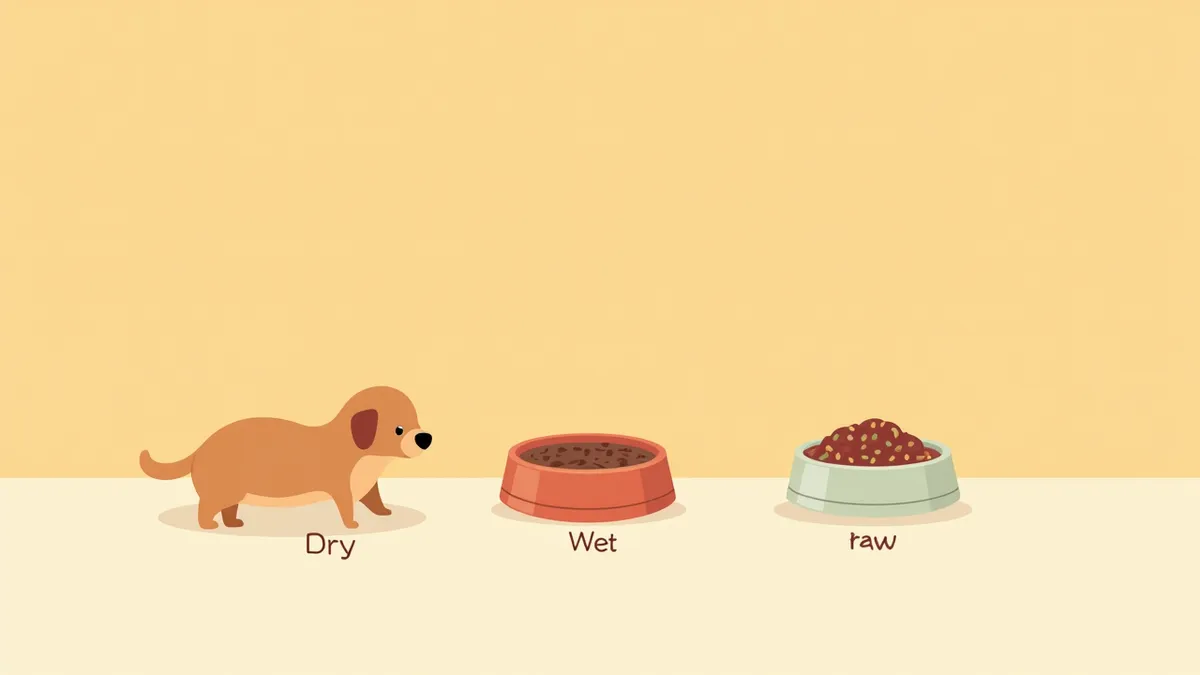
An image of a puppy gazing at bowls filled with dry, wet, and raw food.
Choosing the right diet for your dog can impact nutritional balance, gastrointestinal health, and the risk of infection. Dogs can thrive on both cooked and raw diets, and in reality, more than 90% of what dogs eat consists of processed or cooked commercial pet food. - Dry food: It is easy to store long-term and has good shelf stability. Some products may also support dental and oral health. However, it undergoes high-temperature processing and cooking, and has a low moisture content (typically 10% or less). While it tends to have higher nutrient density and a higher proportion of carbohydrates per unit of weight compared to wet food, there is no clear evidence that it poses a higher long-term risk of dehydration. - Wet food: It has a high moisture content (typically 70–80% or more) and generally offers good palatability. However, it can be more expensive per calorie, and once opened, it can spoil quickly, so it needs to be consumed promptly. - Raw food: This approach aims to provide natural nutrition, but if the hygiene of the ingredients is not strictly managed, there is a risk of bacterial contamination and foodborne illness. This can affect not only your dog but also the health of you and your family, so strict hygiene during preparation and storage is essential. It is important to understand the pros and cons of each type and choose based on your dog’s age, health status, and activity level. Consulting with a veterinarian to create a personalized dietary plan is the safest approach.

Main Causes and Pathogenesis by Diet Type
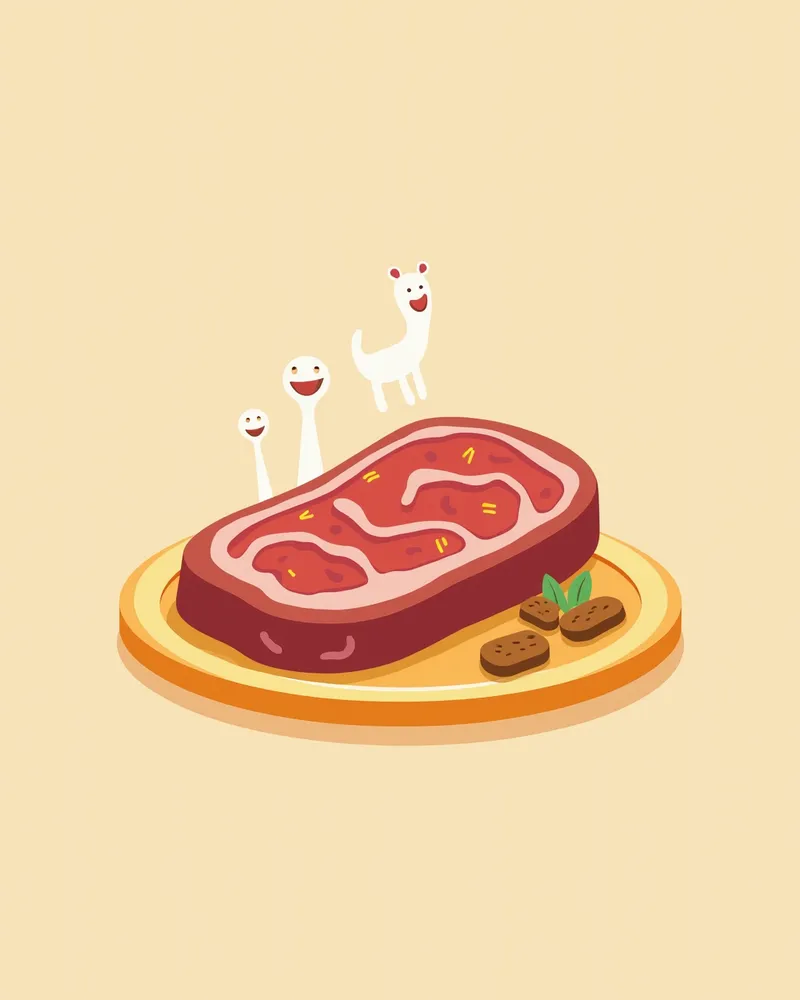
Your dog’s diet type can affect nutritional balance and the risk of infection. Dry kibble is convenient for long-term storage and offers higher nutrient density per unit of weight, but some nutrients may be altered or lost during high-temperature processing and cooking, and it tends to have a higher proportion of carbohydrates. Although its moisture content is low (approximately 10% or less), there is insufficient concrete evidence to suggest it poses a high risk of dehydration over the long term. Wet food has a high moisture content (approximately 70–80% or more) and generally tastes better to dogs, but it can be more expensive per calorie. Additionally, it can spoil quickly after opening, so it’s important to feed it promptly. Raw diets aim to mimic a more natural eating pattern, but they carry risks of bacterial contamination and foodborne illness, making strict hygiene essential. This can impact not only your dog’s health but also that of you and your family. Since it’s difficult to say definitively which type is best, it’s safest to consult your veterinarian before making a choice.
An image illustrating the microbial contamination risks associated with raw, wet, and dry pet food.

Checklist of Main Symptoms and Signs

Dogs can exhibit a variety of symptoms depending on their diet. This behavior may indicate health risks beyond simple eating habits, so owners should observe their pets closely.
Recurring diarrhea: Digestive issues can arise from digestive disorders or an unbalanced diet.
Increased vomiting: This may be caused by dietary components that irritate the stomach or by overeating.
Skin rashes: Nutritional deficiencies or allergic reactions can cause the skin to become red and itchy.
Weight loss: This may be due to problems with nutrient absorption, dietary deficiencies, or chronic diseases.
Decreased activity levels: A lack of energy, disease progression, or pain can lead to lethargy and prolonged rest throughout the day.
If these symptoms persist, please consult a veterinarian immediately.
An image of a puppy showing symptoms of diarrhea and lethargy

Situations Requiring Immediate Veterinary Visit

If your dog experiences severe diarrhea, vomiting, bloody stools, extreme lethargy, or difficulty breathing due to their diet, seek veterinary care immediately. These symptoms may indicate a serious infection or organ damage. This is especially critical if you are feeding a raw diet, as the risk of bacterial infection is high, making prompt intervention essential.

Diagnostic Tests for Accurate Diagnosis
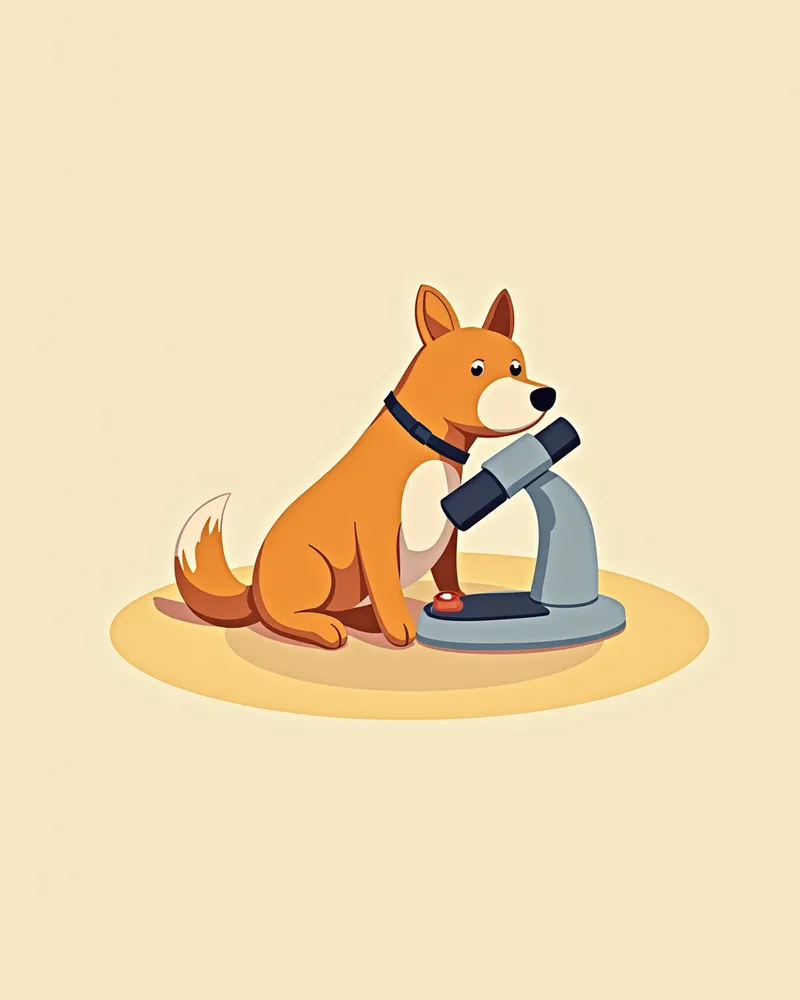
Diet-related symptoms in dogs can resemble those of various conditions, such as gastroenteritis, allergies, or infections. - Blood tests: Assess overall health and check for nutritional deficiencies. - Fecal examination: Detect parasites, bacteria, and signs of inflammation. - Gastrointestinal endoscopy: Directly visualize the inside of the gastrointestinal tract to identify lesions. - Dietary history record: Helps accurately identify any dietary changes prior to symptom onset. The veterinarian will combine the test results, clinical signs, and dietary history to make an accurate diagnosis.
An image of a veterinarian examining a dog’s stool sample under a microscope.

Step-by-Step Treatment and Management Methods
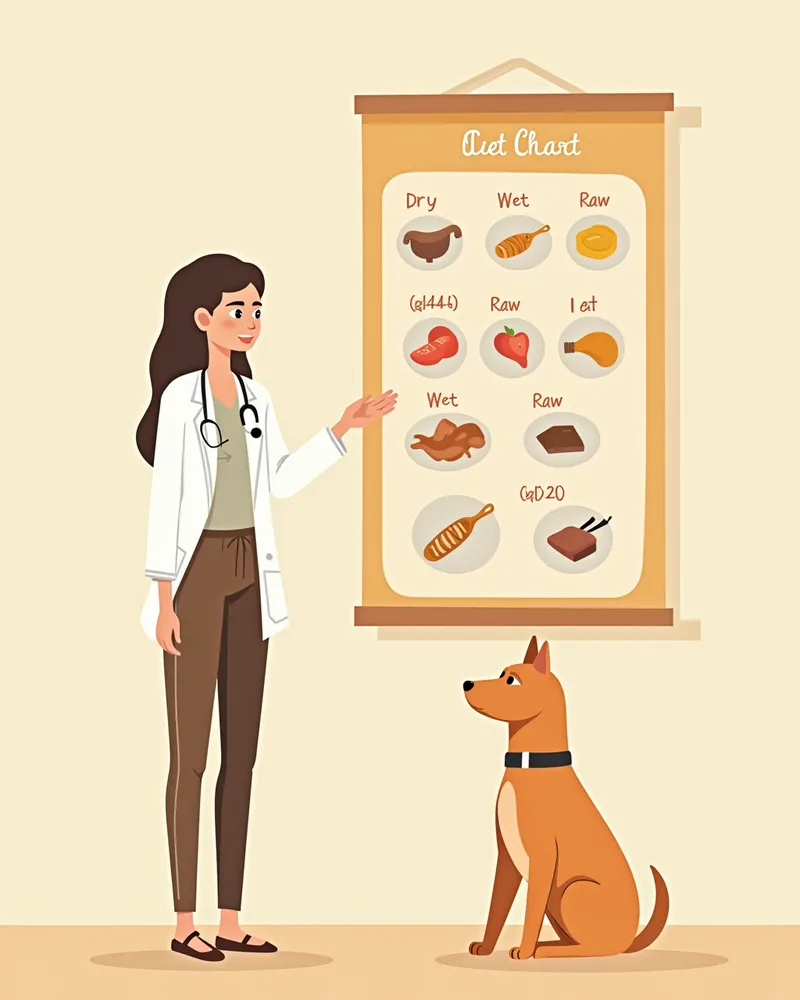
Diet-related symptoms require systematic management alongside identifying and removing the underlying cause. - During acute symptoms: Immediately discontinue the current diet and switch to a transition food or prescription diet recommended by your veterinarian. - Recovery phase: Gradually introduce the new diet while monitoring your pet’s response. Allow sufficient time for the transition, typically recommended to last at least seven days. - When using raw diets: Choose hygienically processed, trustworthy products, store them refrigerated, and ensure they are consumed within 24 hours of opening. Using and cleaning sanitary utensils is essential. - Personalized plan: Work with your veterinarian to adjust the diet based on your pet’s weight, activity level, and health status. Ongoing monitoring and regular health check-ups are crucial.
An image showing a veterinarian presenting a customized diet plan to a dog owner.

Daily Home Care and Prevention Points
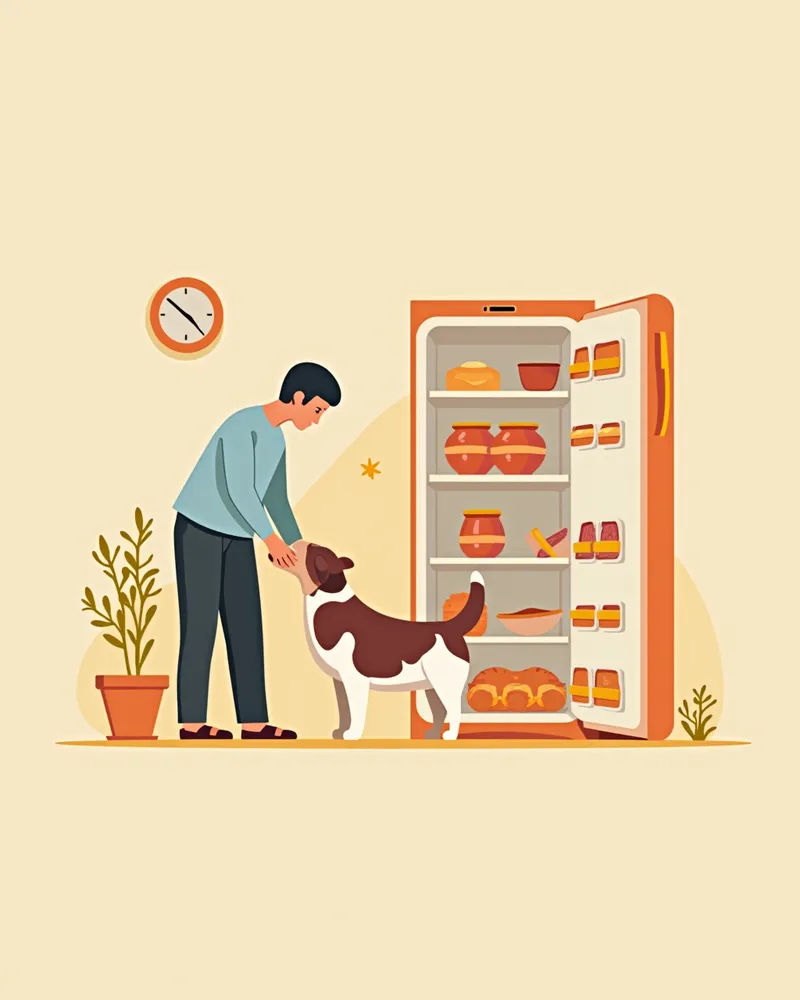
Proper dietary management for your dog should be a consistent part of your daily routine. - Raw food storage: Always keep raw food refrigerated, and wash any utensils that come into contact with it immediately. - Dry food: It is best to consume dry food within 2–3 months of opening the package. Store it in a dry, well-ventilated area. - Wet food: Wet food should be fed within 24 hours of opening. Any leftovers should be discarded. - Diet transition: It is recommended to gradually introduce new food by mixing it with the current food over a period of 7 days. - Weight tracking: Consistently record your dog’s weight to help adjust feeding amounts and monitor their health status.
An image showing a dog owner washing dishes and storing food in the refrigerator.

Precautions for Raw Food Feeding and Breed-Specific Warnings

Raw diets can pose a heightened risk of bacterial infection, especially for puppies, senior dogs, and those with compromised immune systems. Certain breeds may also develop skeletal issues or nutritional deficiencies if fed an imbalanced raw diet long-term, so caution is advised. Never feed a raw diet without first consulting your veterinarian, and ensure your dog’s nutritional status is regularly assessed through routine health check-ups.

Reviewed by a veterinarian

Dr. Tony — Punnawat Phongkittirak

Dr. Tony — Punnawat Phongkittirak

Veterinarian

A veterinarian who majored in veterinary medicine at Khon Kaen University, Thailand, and completed the IVSA program at North Carolina State University in the United States. Drawing on clinical experience at animal hospitals, he works in the pet healthcare field and is dedicated to building a digital care environment that connects pet parents with veterinarians.

Frequently Asked Questions

Why is feeding raw food dangerous?
Raw food can be contaminated with bacteria such as Salmonella and E. coli, posing a risk of foodborne illness that can threaten not only your dog but also the health of you and your family. Therefore, proper hygiene in preparation and storage is essential.
Is dry food bad for your pet in the long run?
Dry kibble undergoes high-temperature processing and cooking, which can alter or reduce certain nutrients, and it typically has a lower moisture content. However, dogs can thrive on both dry and wet diets, and some dry kibble may even support dental and oral health. There is no clear evidence to suggest that dry food poses a higher risk of dehydration in the long term.
Is wet food healthier?
Wet food has a high moisture content (typically 70–80% or more) and tends to be highly palatable, which can help dogs with poor appetites. However, it may be more expensive per calorie and spoils quickly after opening, so it should be served promptly. Since it’s difficult to say definitively which type is healthier for every dog, we recommend consulting your veterinarian.
What should I keep in mind when changing my pet’s diet?
When changing your pet’s diet, gradually mix the new food with the old over a sufficient period (typically at least 7 days). Sudden transitions can cause digestive issues, so it’s best to consult your veterinarian for guidance.
What product should I choose when feeding raw food?
It’s important to choose hygienically processed products, store them in the refrigerator, and consume them within 24 hours of opening. Select a trusted brand and maintain a sanitary preparation environment.

Share

Related Guides

References

[1] The Dog Care Handbook, Things I Wish My Vet Had Told Me, 2024

[2] BSAVA Manual of Canine and Feline Dermatology, 4th Ed, 2018

[3] Morelli G et al., Raw meat-based diets for dogs: survey of owners’ motivations, attitudes and practices, BMC Veterinary Research, 2019

This information is based on veterinary literature and does not replace diagnosis or treatment. Please consult a veterinarian for specific health concerns.

Metapet Co., Ltd. | CEO: Park Sung-yong | Business Reg. No. 417-88-02562 | Seoul, South Korea | Customer Center

Dog Dry vs Wet vs Raw Food: Risks, Signs & Management | Meongsiljang