Like
Share
멍실장
강아지 치아 예방 관리 증상과 원인, 진단·치료와 관리 포인트 총정리

Complete Guide to Canine Dental Preventive Care: Symptoms, Causes, Diagnosis, Treatment, and Management Points

Lifestyle & Age CareDiseasesMeongsiljang Veterinary Advisory Board

Preventive dental care is essential for early prevention of dental diseases and maintaining a healthy mouth. Regular care can effectively prevent periodontal disease, cavities, and gum disease.

Preventive Dental Care Is Key to the Early Prevention of Dental Diseases in Dogs

A puppy enjoying a dental care chew toy
Preventive dental care is essential for early prevention of dental diseases and maintaining a healthy oral environment in dogs. Dental issues can cause pain and make eating difficult. In particular, the buildup of plaque and tartar can lead to gingivitis, which may progress to periodontitis. - Tartar formation: Plaque is a biofilm formed by the accumulation of oral bacteria. Over time, minerals in saliva (primarily calcium) deposit onto the plaque, hardening it into tartar. Tartar commonly forms on the outer surfaces of the upper molars and the inner surfaces of the lower molars. Its rough surface attracts more plaque, which can irritate the gums and cause inflammation. - Gingivitis: Tartar irritates the gums, leading to swelling, bleeding, and pain. It is important to manage gum health proactively before it deteriorates. - Risk of tooth loss: If left untreated, teeth may become loose or fall out. However, tooth loss (exfoliation) is more commonly observed in advanced stages of periodontal disease, and early management can slow its progression. Regular care is essential.

The Primary Cause of Dental Issues Is the Accumulation of Plaque and Tartar

The primary cause of dental issues in dogs is the accumulation of plaque and tartar. Plaque is a biofilm formed by bacteria in the mouth, which hardens into tartar over time as minerals from saliva deposit onto it. This tartar irritates the gums, causing inflammation that can progress to periodontal disease. - Small breeds: When teeth are crowded, the surfaces become rougher, allowing plaque to accumulate more easily and increasing the risk of periodontal disease. Acquired dental diseases are particularly common in small breeds weighing less than 5 kg. - Food type: Diet can influence dental health. However, soft food alone has limited effectiveness in removing plaque, so complementary care such as brushing is necessary. - Senior dogs: Acquired dental diseases become more common with age, making regular check-ups and care essential. Early preventive management plays a significant role in maintaining dental health.
Dog teeth with plaque buildup and early-stage gum inflammation

Do Not Miss Key Symptoms and Signs

The main signs of dental problems in dogs are listed below. However, because periodontal disease often shows few outward symptoms, it’s important to regularly check your dog’s mouth.
Bad breath: Noticeable bad breath can indicate that periodontal disease has progressed to some extent. It may also be linked to systemic conditions such as gastrointestinal or kidney issues.
Gum bleeding: Bleeding from the gums during play or while eating can signal gum inflammation.
Difficulty chewing: Your dog may refuse to chew food or drop it from their mouth.
Frequent mouth licking: Pain may cause your dog to frequently lick around their mouth or scratch their face (mouth) with their paws.
Reluctance to open the mouth: Your dog may avoid opening their mouth or twist their face while eating.
If these behaviors persist, consult your veterinarian. Ongoing symptoms may indicate advancing periodontal disease.
Your dog showing signs of discomfort while eating

Emergency Signs Requiring Immediate Veterinary Visit

If your dog refuses to open its mouth, stops eating, or has severe bad breath, seek veterinary care immediately. Dental issues can cause significant pain and, if left untreated, may lead to tooth loss. Regardless of age, these symptoms warrant prompt evaluation, as periodontal disease can begin progressing at a relatively early stage in many dogs. However, tooth loss typically occurs only in advanced stages of periodontal disease, making early management crucial to slow its progression.

Veterinarians Perform Dental Examinations and Radiographs for Accurate Diagnosis
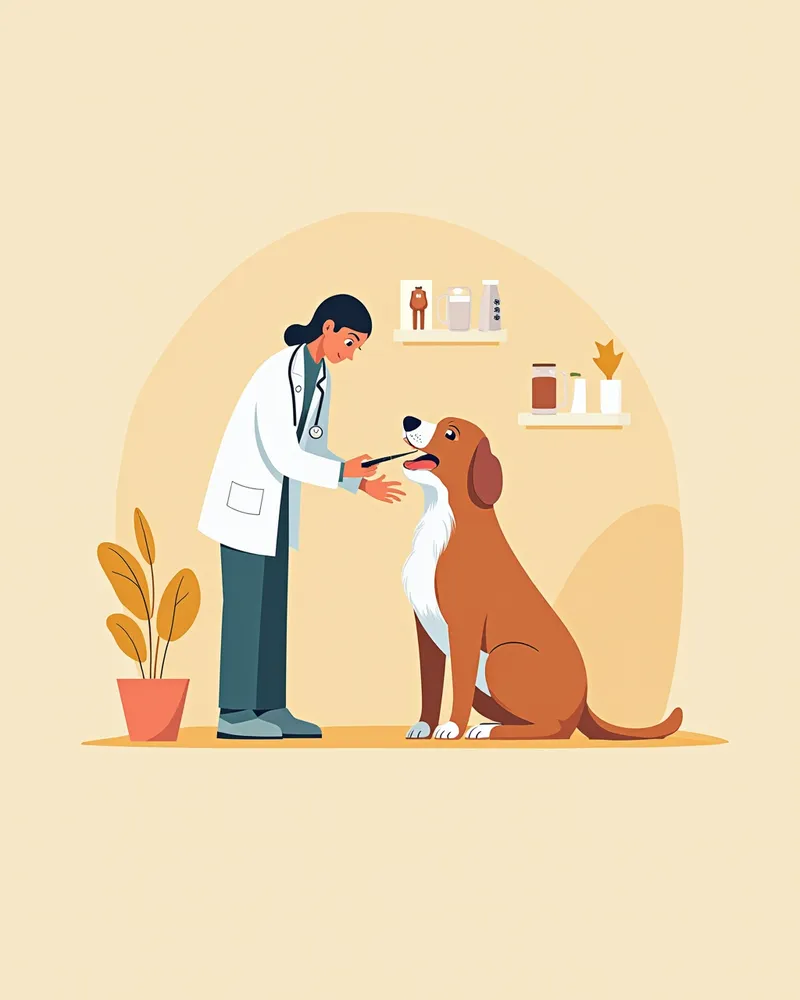
An accurate diagnosis of your dog’s dental issues requires a professional veterinary examination. A visual exam while the dog is awake has limitations, so dental X-rays are essential to assess the extent of inflammation around the teeth and evaluate the condition of the tooth roots and jawbone. It is also important to use a probe to measure the depth of the gingival sulcus (periodontal pocket). Additionally, a complete blood count and biochemistry panel are performed to check overall health and rule out underlying conditions. Systemic factors such as diabetes, steroid use, or adrenal-related diseases can influence the progression of periodontal disease. After diagnosis, a treatment plan is developed. Because periodontal disease cannot be fully assessed during an awake examination, a thorough exam under anesthesia along with radiographic imaging is crucial.
A veterinarian examining a puppy's mouth.

Treatment Involves Plaque Removal, Dental Scaling, and Tooth Extraction When Necessary

Treatment for dental issues in dogs is typically performed under anesthesia. First, professional scaling removes tartar and plaque, followed by thorough cleaning of the gumline. If teeth are loose or damaged, extraction may be necessary. Tooth extraction is a crucial procedure to reduce pain and prevent the spread of infection. After surgery, pain medication is prescribed, and antibiotics are used only when there is a risk of infection. Regular care remains essential even after treatment, with home care being particularly important to prevent plaque from reforming.
A puppy recovering after dental surgery

Home Care Relies on Daily Habits

Preventive dental care for dogs relies most on daily habits at home. Brushing your dog’s teeth for just 1–2 minutes each day is the most effective approach. Use a dedicated toothbrush and dog-specific toothpaste. You can also incorporate dental chews, toothpaste-infused food, and dental cleaning wipes. Products recommended by veterinarians are safer and more effective. Regular veterinary check-ups are essential. Dental care is most effective when started early, and it is especially important for small breeds.
A dog owner brushing their dog's teeth

Breed-Specific Precautions and Tips for Preventing Recurrence

Small breeds (e.g., terriers, poodles, Shih Tzus) are at higher risk for dental problems. Crowded teeth can have rougher surfaces that trap plaque more easily, increasing the likelihood of periodontal disease. Consistent dental care is essential regardless of age. Because dental issues often recur, ongoing maintenance is necessary even after treatment. Working with your veterinarian to create a care plan is recommended. Early preventive care is the most effective way to maintain dental health.

Reviewed by a veterinarian

Dr. Tony — Punnawat Phongkittirak

Dr. Tony — Punnawat Phongkittirak

Veterinarian

A veterinarian who majored in veterinary medicine at Khon Kaen University, Thailand, and completed the IVSA program at North Carolina State University in the United States. Drawing on clinical experience at animal hospitals, he works in the pet healthcare field and is dedicated to building a digital care environment that connects pet parents with veterinarians.

Frequently Asked Questions

When should you start caring for your puppy’s teeth?
It’s best to start dental care for your puppy as early as possible. Establishing good habits early on makes maintenance much easier once they reach adulthood. Periodontal disease becomes more common with age and can progress relatively early in many dogs, making early intervention crucial.
Can I use regular toothpaste if I don’t have dog-specific toothpaste?
No, regular toothpaste is toxic. If your dog swallows it, it can cause gastrointestinal issues, so never use it. Dog-specific toothpastes are formulated with ingredients that are safe even if swallowed.
What kind of dental care toy should I choose?
Choose a toy made of a safe material, such as rubber or fabric, that suits your dog’s size and chewing habits. Toys that are too hard can damage your dog’s teeth, while softer materials are gentler on them.
How long does the recovery period last after dental surgery?
The recovery period after surgery varies depending on your dog's condition. Generally, pain subsides within about a week, and your dog can resume normal activities. However, it's important to follow your veterinarian's instructions regarding activity and diet management.
Is dental care expensive?
Early preventive care is relatively inexpensive, while treatment or surgery can be costly. In the long run, preventive care is both economical and effective.

Share

Related Guides

References

[1] Clinical Medicine of the Dog and Cat, 4th Ed. Elsevier, 2023.

[2] Applied Veterinary Clinical Nutrition, 2nd Ed. Wiley-Blackwell, 2021.

[3] 100 Top Consultations in Small Animal General Practice. Elsevier, 2022.

This information is based on veterinary literature and does not replace diagnosis or treatment. Please consult a veterinarian for specific health concerns.

Metapet Co., Ltd. | CEO: Park Sung-yong | Business Reg. No. 417-88-02562 | Seoul, South Korea | Customer Center

Dog Dental Care: Symptoms, Causes, and Treatment Strategies | Meongsiljang