
Like
Share
멍실장
강아지 외부기생충 예방(진드기·벼룩) 증상과 원인, 진단·치료와 관리 포인트 총정리

Comprehensive Guide to Preventing External Parasites in Dogs (Ticks and Fleas): Symptoms, Causes, Diagnosis, Treatment, and Key Care Tips

Lifestyle & Age CareDiseasesMeongsiljang Veterinary Advisory Board

Preventing external parasites in dogs is essential for protecting them from tick and flea infestations. Here’s a comprehensive guide covering prevention methods, symptoms, diagnosis, treatment, and key care tips.

What Is Preventing External Parasites in Dogs (Ticks and Fleas)?

Pet care image for preventing external parasites in dogs
Preventing external parasites in dogs is a systematic approach to protect them from tick and flea infestations. - Ticks: Active in grassy areas and forests, ticks attach to the skin, causing itching and inflammation. They can also transmit various pathogens through their saliva. Some tick-borne diseases may lead to anemia, lethargy, or neurological symptoms like ataxia. - Fleas: Thriving in warm and humid environments, fleas hide in your dog's fur and feed on blood. Infested dogs may experience itching, dermatitis, self-induced hair loss, and in severe cases, lethargy. Prevention is not just about cleanliness—it’s an essential measure to safeguard your dog’s health. Regular care and vigilance are key.

What Are the Main Causes of External Parasite Infections?

The main cause of external parasite infections in dogs is exposure to grassy areas or forests after outdoor activities. - Ticks: Active in humid environments, ticks can penetrate a dog’s skin through its fur. Some species also act as vectors for infectious diseases by transmitting pathogens. - Fleas: Fleas thrive in warm, moist conditions and can spread through contact with other infected animals. Additionally, household items such as carpets, pillows, and sofas can serve as hidden habitats for flea larvae and eggs. Beyond external risks, poor management of the indoor environment increases the likelihood of reinfection. Therefore, prevention is essential both outdoors and indoors.
Causes of External Parasite Infections in Dogs Image

What Are the Main Signs and Symptoms?
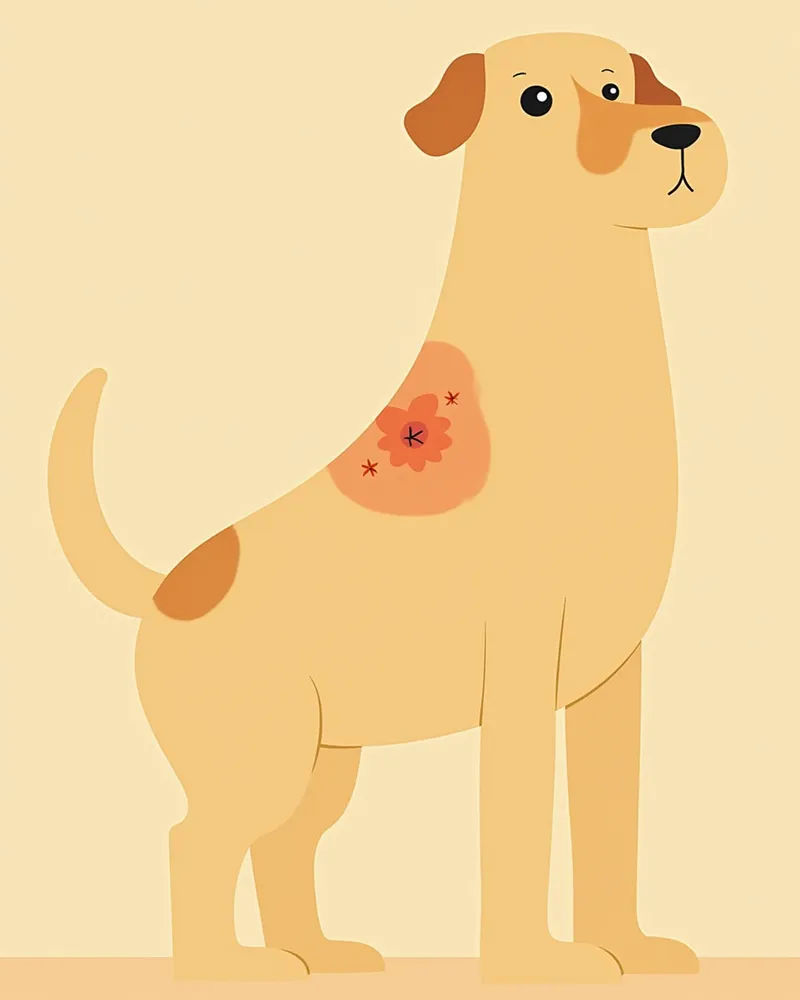
The main signs of external parasite infection in dogs include persistent itching, repetitive licking, hair loss, and skin rashes. - Tick infestation: Red spots or scaling (flaking) may appear on the skin, and in severe cases, crusting and bleeding can occur. Some ticks can transmit pathogens, leading to infectious diseases. - Flea infestation: Small black specks (flea feces) may be visible among the fur, and the dog may repeatedly scratch and bite at its lower back and hindquarters. In severe cases, anemia, weight loss, and lethargy can develop. Early detection and prompt treatment are key to successful outcomes.
Images of symptoms of external parasite infections in dogs

When to Visit the Vet Immediately

If your dog is experiencing severe itching, or if their skin is peeling and bleeding, consult a veterinarian immediately. Additionally, if fever, lethargy, or loss of appetite are present, there is a high likelihood of an infectious disease.

What Are the Accurate Diagnostic Methods?

Veterinarians directly identify ticks or fleas through skin scraping or hair examination. - Skin scraping: A method that collects parasites by gently scraping the surface of the skin. - Hair examination: A technique that detects parasite eggs or adults by plucking hairs. Additionally, blood tests are used to check for anemia or infectious diseases, and X-rays or skin biopsies may be performed depending on the symptoms. An accurate diagnosis is the first step toward effective treatment.
Diagnosis images for external parasites in dogs

Treatment Methods and Step-by-Step Approach

Treatment begins with eliminating the parasites. Use veterinarian-prescribed spot-on treatments or capsules, adjusting the dosage according to your dog’s weight and condition. - Parasite elimination phase: The key is to immediately kill or expel the parasites using medication. Anti-inflammatory or antihistamine drugs may be used concurrently to support skin recovery. - Environmental cleaning phase: Thoroughly clean your dog’s frequently used items, such as beds, carpets, and sofas, by washing them at high temperatures or disinfecting them. All steps must be carefully followed during the treatment period to prevent reinfection.
Image of external parasite treatment for dogs

Home Care and Prevention Tips

Preventing external parasites in dogs is a cornerstone of everyday care. - Regular brushing: Brushing your dog’s coat helps you spot parasites or eggs early on. - Environmental cleaning: Regularly wash or disinfect items like beds, carpets, and sofas. - Use of preventatives: Consistent year-round use is key. Ticks are especially active in spring and fall, raising the risk of infection. Minimize contact with other animals and thoroughly check your dog’s coat after outdoor activities. Prevention is far more effective than treatment.
Image of external parasite prevention and management for dogs

Breed-Specific Precautions and Preventing Recurrence

Parasite exposure risk varies depending on each dog’s living environment and level of outdoor activity. It’s best to tailor your prevention plan based on local conditions and your pet’s lifestyle. Diseases transmitted by ticks and fleas can be difficult to treat once contracted, so consistent year-round use of preventatives, combined with regular environmental cleaning, is essential to prevent reinfection and recurrence.

Reviewed by a veterinarian

Dr. Tony — Punnawat Phongkittirak

Dr. Tony — Punnawat Phongkittirak

Veterinarian

A veterinarian who majored in veterinary medicine at Khon Kaen University, Thailand, and completed the IVSA program at North Carolina State University in the United States. Drawing on clinical experience at animal hospitals, he works in the pet healthcare field and is dedicated to building a digital care environment that connects pet parents with veterinarians.

Frequently Asked Questions

When should I use external parasite preventatives?
For best results, use the product consistently year-round, and pay extra attention during spring and fall when ticks are most active. Application intervals vary by product, typically every month or at specified intervals, so consult your veterinarian for the exact timing and method.
Can preventive medications sometimes be ineffective?
Yes, the effectiveness may be reduced due to parasite resistance or incorrect usage. Alternating products with different mechanisms of action can help, and you should confirm the correct dosage and administration method with your veterinarian.
Can I use products made for cats on my dog?
Preventive medications should only be used if they are approved for the specific animal species and weight. For dogs, always use products approved for canine use, check the product instructions, and consult with your veterinarian before making a choice.
Why is environmental cleaning important?
Parasite eggs and larvae can remain in the environment, so consistent cleaning of bedding, cushions, and floors is essential for complete prevention.
Which is better for preventing parasites: oral medications or topical treatments?
The effects are generally similar, but the best choice depends on ease of use and your pet’s individual response. Medications are available in both topical and oral forms, so consult your veterinarian to determine the most suitable option for your pet.

Comparison of Major External Parasite Preventatives

ItemDuration of EffectHow to UsePrecautions
Spot-on product1 monthApply to the skinApplied directly to the skin; effective against both ticks and fleas. Some dogs may experience skin irritation.
Capsule type1 monthOral administrationWorks by killing parasites from the inside, so it does not need to be applied to the coat. The correct dose is important.
Collar type3 monthsWorn around the neckProvides lasting protection, but some products may cause skin irritation. Watch skin reactions closely.

Choose the most suitable product after consulting a veterinarian. A product matched to the breed and weight is important.

Share

Related Guides

References

[1] BSAVA Manual of Canine and Feline Dermatology, 4th Ed. British Small Animal Veterinary Association, 2021.

[2] Principles and Practices of Canine and Feline Clinical Parasitic Diseases. Elsevier, 2008.

[3] Shoorijeh, S.J. et al. Seasonal frequency of ectoparasite infestation in dogs from Shiraz, Southern Iran. Turkish Journal of Veterinary and Animal Sciences, 32(4), 2008.

This information is based on veterinary literature and does not replace diagnosis or treatment. Please consult a veterinarian for specific health concerns.

Metapet Co., Ltd. | CEO: Park Sung-yong | Business Reg. No. 417-88-02562 | Seoul, South Korea | Customer Center

Preventing External Parasites in Dogs: Ticks & Fleas Guide | Meongsiljang