Like
Share
멍실장
강아지 귀 청소 방법 증상과 원인, 진단·치료와 관리 포인트 총정리

Dog Ear Cleaning: Symptoms, Causes, Diagnosis, Treatment, and Management Essentials

Lifestyle & Age CareDiseasesMeongsiljang Veterinary Advisory Board

Cleaning your dog’s ears is key to preventing ear diseases. Proper cleaning helps prevent inflammation and infection.

Dog Ear Cleaning is Key to Maintaining Ear Health
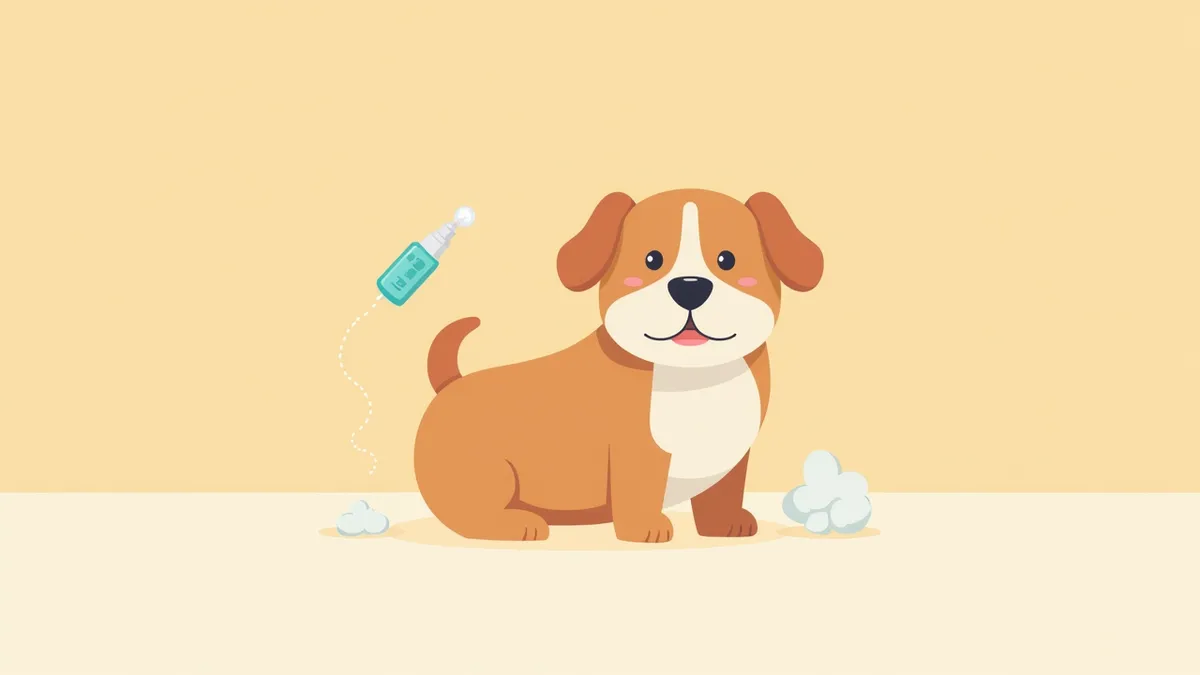
A veterinarian cleaning a puppy's ears
Cleaning your dog’s ears is essential for removing excess sebum, foreign matter, bacteria, and fungi from the ear canal, helping to prevent inflammation and infection. This is especially important for breeds with long, hairy ears, as poor air circulation can lead to moisture buildup, requiring more frequent cleaning. - Regular Cleaning: Clean every 1–2 weeks to maintain a healthy environment inside the ears. - Choosing a Cleaner: Use a veterinarian-recommended product to avoid irritating the ear skin. - Cleaning Method: Apply the cleaner into the ear, massage gently for 30–60 seconds, then wipe the outer ear with a soft cloth. - Precautions: If your dog shows signs of pain or bleeding, stop immediately and consult a veterinarian. These could be signs of worsening infection and should not be ignored.

Main Causes Requiring Ear Cleaning and Prevention Strategies
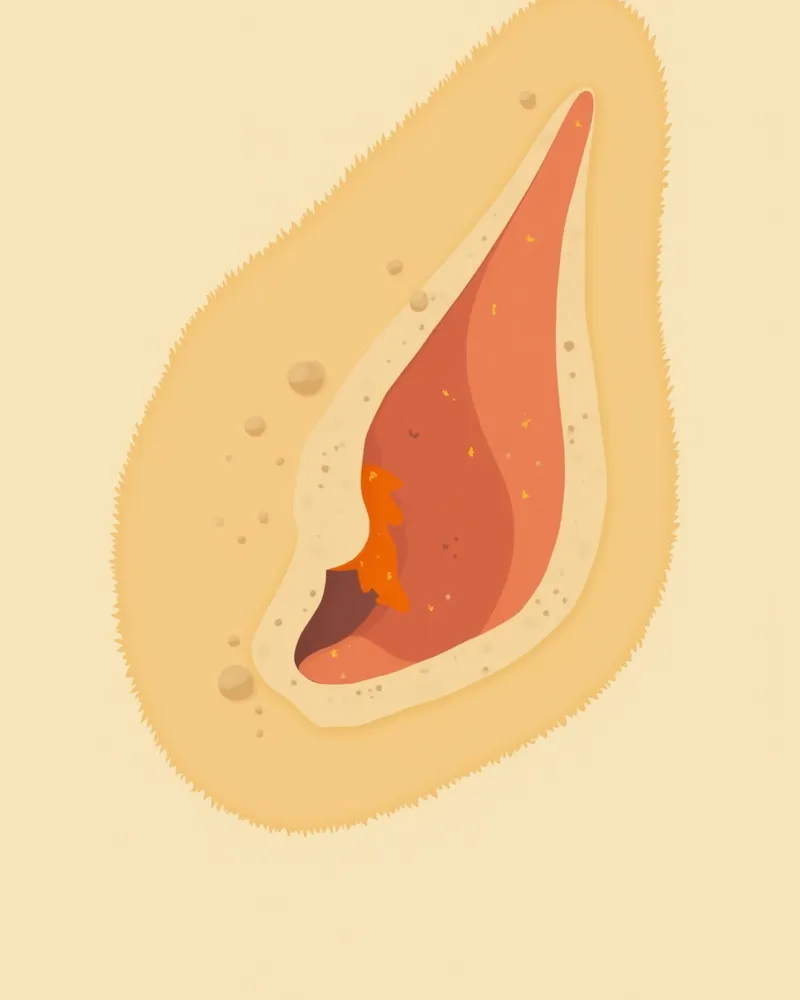
Cleaning your dog’s ears is essential when excess discharge, foreign matter, bacteria, or fungi accumulate inside. Breeds with deep ear canals and abundant hair are at higher risk of infection because limited air circulation makes their ears prone to moisture buildup. - Moisture control: It is important to keep the ears dry and avoid wet or damp conditions. - Cleaning frequency: Aim for a regular schedule of once every one to two weeks. - Avoid forceful cleaning: If your dog shows signs of significant pain or itching, do not force cleaning while they are awake. Keep cleaning to a minimum and stop immediately if your dog appears distressed. - Use of cleaning products: Only use products recommended by your veterinarian to ensure safety. - Benefits of maintenance: Regular cleaning helps keep the ear canal clean, supporting long-term management and prevention of recurrent otitis externa. However, cleaning alone is insufficient to prevent parasitic infections such as ear mites; these require veterinary diagnosis and treatment to address the underlying cause.
The condition of inflammation and discharge inside a dog's ear

Symptoms to Watch for During Ear Cleaning

Stop cleaning your dog’s ears immediately and consult your veterinarian if you notice any of the following symptoms: pain or discomfort when touching the ears, an unpleasant odor, excessive black or brown discharge, frequent scratching or shaking of the head, or redness and swelling inside the ear canal. These signs may indicate otitis, a parasitic infection, or otitis externa. Forcing the cleaning process can worsen any existing injuries, so proceed with caution.
A puppy scratching its ears

Immediate Veterinary Visit Required for Ear Pain or Bleeding

If your dog suddenly barks, runs away, bleeds from the ears, or shows swelling when you touch its ears, immediate veterinary care is necessary. These symptoms may indicate severe otitis externa, ear parasites, or a ruptured eardrum. Do not attempt to clean the ears yourself, as self-treatment can worsen the condition.

Examination Methods and Importance for Accurate Diagnosis
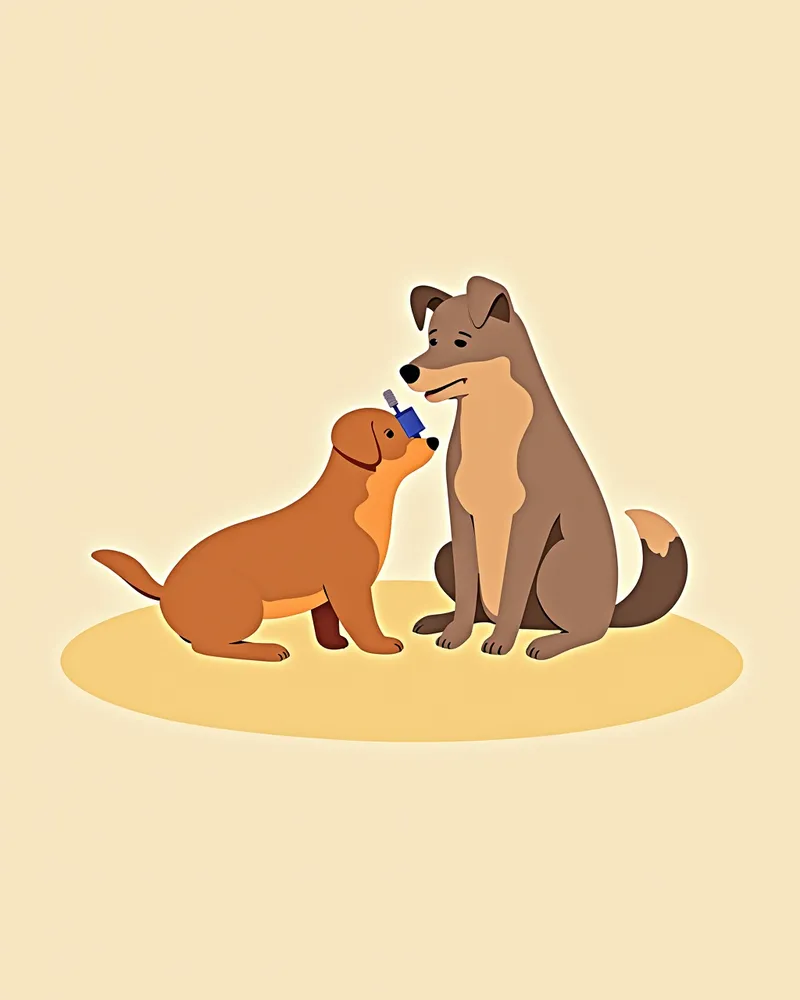
Before cleaning your dog’s ears, the veterinarian will use an otoscope to carefully examine the inside of the ear canal. This exam allows us to check for signs of infection, the presence of parasites, and any damage to the eardrum. - Otoscopy: This procedure enables us to observe even subtle changes within the ear, which is essential for an accurate diagnosis. - Discharge analysis: We collect samples of any ear discharge to test for bacteria or fungal infections. - Culture testing: In cases of severe infection, we perform a culture test to precisely identify the causative pathogen. - No cleaning without diagnosis: Cleaning the ears without a prior diagnosis can cause significant pain and worsen the condition if an infection is present. Always proceed only after receiving a veterinary diagnosis.
A veterinarian examining a dog's ear with an otoscope

Ear Cleaning Methods and Precautions by Treatment Stage
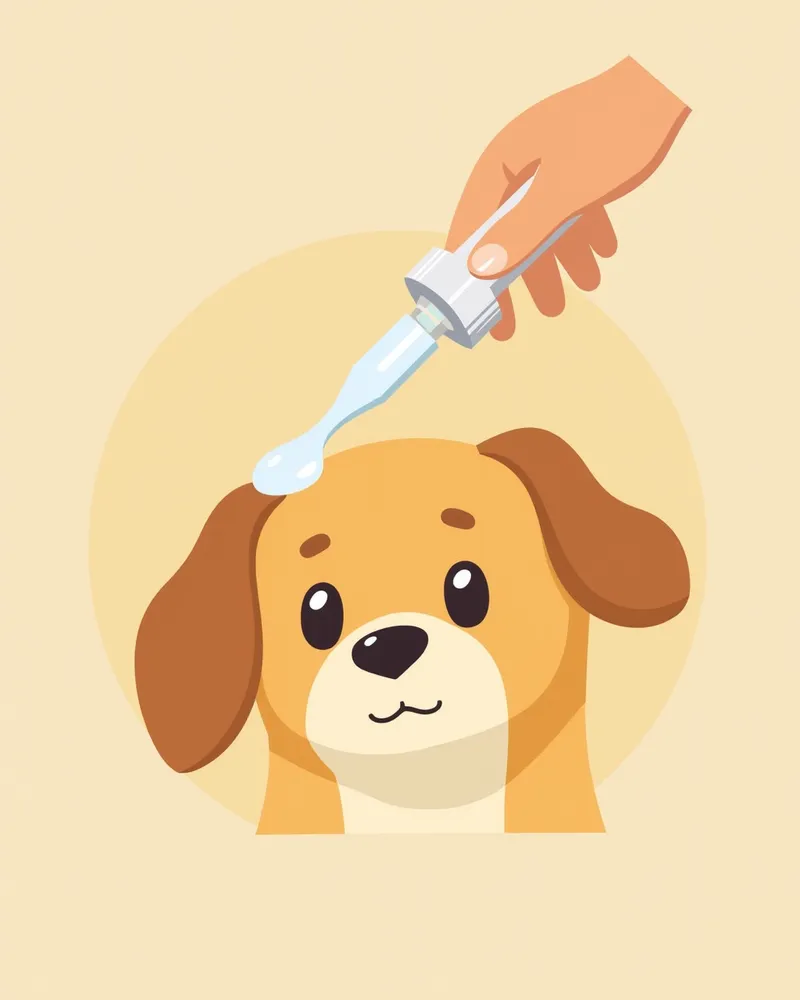
The method for cleaning your pet’s ears varies depending on the stage of treatment. When inflammation is severe, use a cleaning solution containing medications prescribed by your veterinarian. - Medicated cleaners: These help suppress infection through anti-inflammatory, antibacterial, and antifungal properties. - Cleaning procedure: Apply the cleaner into the ear, massage gently for 30–60 seconds, then wipe the outer ear with a soft cloth. - Medication instructions: After cleaning, always confirm with your veterinarian whether additional medication is needed. - Avoid moisture: Ensure the ears are completely dry after cleaning and keep them away from water or dampness. - Precautions during treatment: Adjust the frequency and method of ear cleaning in consultation with your veterinarian during treatment, as this is crucial for maximizing therapeutic effectiveness.
A veterinarian administering medicated ear drops into a dog's ear

Ear Cleaning Management Points at Home
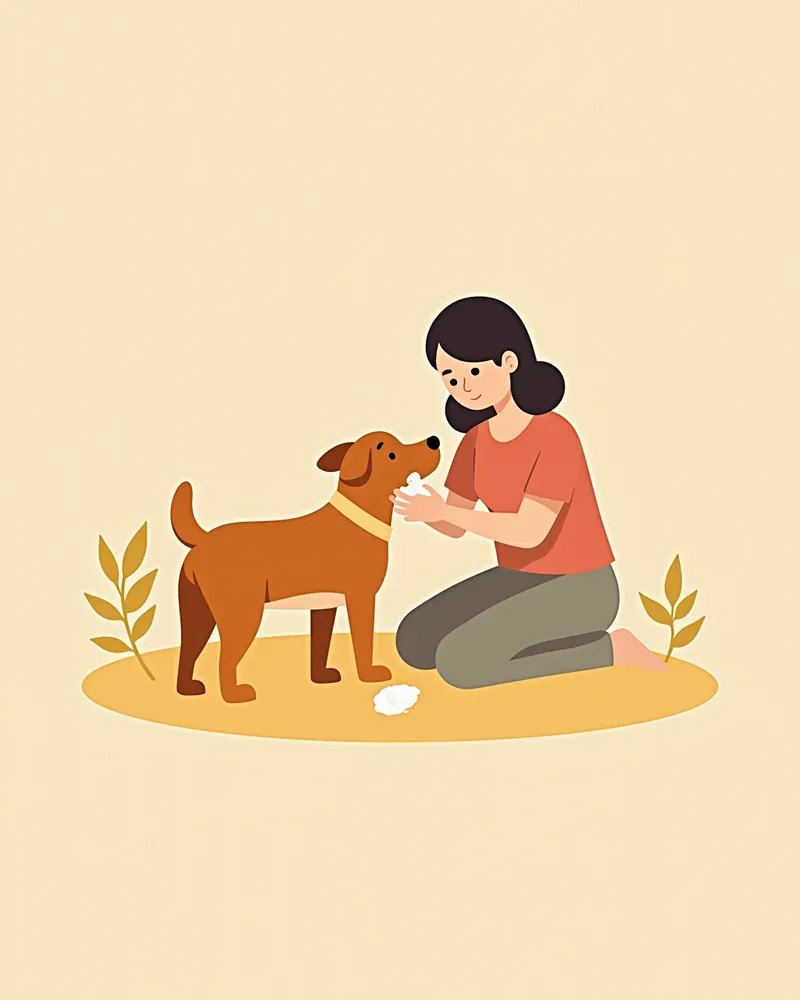
Regular ear cleaning is essential for your dog, with a frequency of once every one to two weeks generally recommended. Before starting, ensure your dog is calm and comfortable. Apply the ear cleaner into the ear canal, gently massage the base of the ear for 30 to 60 seconds, and then wipe away any excess solution with a soft cloth. Always use clean, dedicated cleaning tools to prevent cross-contamination. After cleaning, monitor your dog to prevent them from scratching their ears.
A pet owner cleaning their dog's ears.

Certain Breeds Require More Attention to Ear Cleaning

Breeds with floppy ears, such as Cocker Spaniels, or breeds with abundant hair inside the ear canal, such as Terriers and Spaniels, are prone to infections like otitis externa because moisture and secretions do not easily drain from the ear. While regular ear care is essential for these breeds, it is best to consult your veterinarian to determine an appropriate cleaning schedule, typically once every one to two weeks. Additionally, if excessive hair growth is present in the ear canal, professional grooming assistance from your veterinarian can be beneficial.

Reviewed by a veterinarian

Dr. Tony — Punnawat Phongkittirak

Dr. Tony — Punnawat Phongkittirak

Veterinarian

A veterinarian who majored in veterinary medicine at Khon Kaen University, Thailand, and completed the IVSA program at North Carolina State University in the United States. Drawing on clinical experience at animal hospitals, he works in the pet healthcare field and is dedicated to building a digital care environment that connects pet parents with veterinarians.

Frequently Asked Questions

How often should you clean your dog's ears?
Generally, cleaning once every one to two weeks is appropriate. For breeds with abundant fur and deep-set ears, the risk of infection is higher, making regular cleaning important; however, it's ideal to consult with your veterinarian to determine the most suitable frequency for your pet.
What type of ear cleaner should I use when cleaning my pet’s ears?
Use a specialized cleaner recommended by your veterinarian. Regular alcohol or water can dry out and irritate the skin in your pet's ears.
What should I do if my dog scratches its ears after cleaning them?
Since the ears may feel sore or irritated, keep an eye on your pet for any scratching over the next 1–2 days after cleaning. If the scratching persists, please consult your veterinarian.
What problems can occur if you don’t clean your pet’s ears?
Accumulation of foreign matter and secretions can lead to ear inflammation, otitis externa, and parasitic infections. In severe cases, it may even result in eardrum rupture or hearing loss.
How should I care for my pet’s ear-cleaning tools?
Cleaning tools must be thoroughly washed and dried after each use. To ensure safety, avoid sharing them and instead designate them for individual use.

Share

Related Guides

References

[1] BSAVA Manual of Canine and Feline Dermatology, 4th Ed, 2020

[2] Miller WH, Griffin CE, Campbell KA. Muller and Kirk's Small Animal Dermatology, 7th Ed, 2012

[3] Nuttall T and Cole L. Evidence-based veterinary dermatology: a systematic review of interventions for treatment of Pseudomonas otitis in dogs. Veterinary Dermatology, 2007

This information is based on veterinary literature and does not replace diagnosis or treatment. Please consult a veterinarian for specific health concerns.

Metapet Co., Ltd. | CEO: Park Sung-yong | Business Reg. No. 417-88-02562 | Seoul, South Korea | Customer Center

How to Clean Your Dog's Ears: Symptoms, Causes, Diagnosis, and Care | Meongsiljang