Like
Share
멍실장
강아지 이소성 ACTH 증후군 증상과 원인, 진단·치료와 관리 포인트 총정리

If Your Dog Is Constantly Drinking Water and Panting — Symptoms and Treatment Timing for Ectopic ACTH Syndrome

EndocrineDiseasesMeongsiljang Veterinary Advisory Board

Ectopic ACTH syndrome in dogs is an endocrine disorder caused by abnormal secretion of adrenal cortex hormones, with main symptoms including excessive thirst, excessive urination, and weight loss. Early diagnosis and treatment are important.

What Is Canine Ectopic ACTH Syndrome?

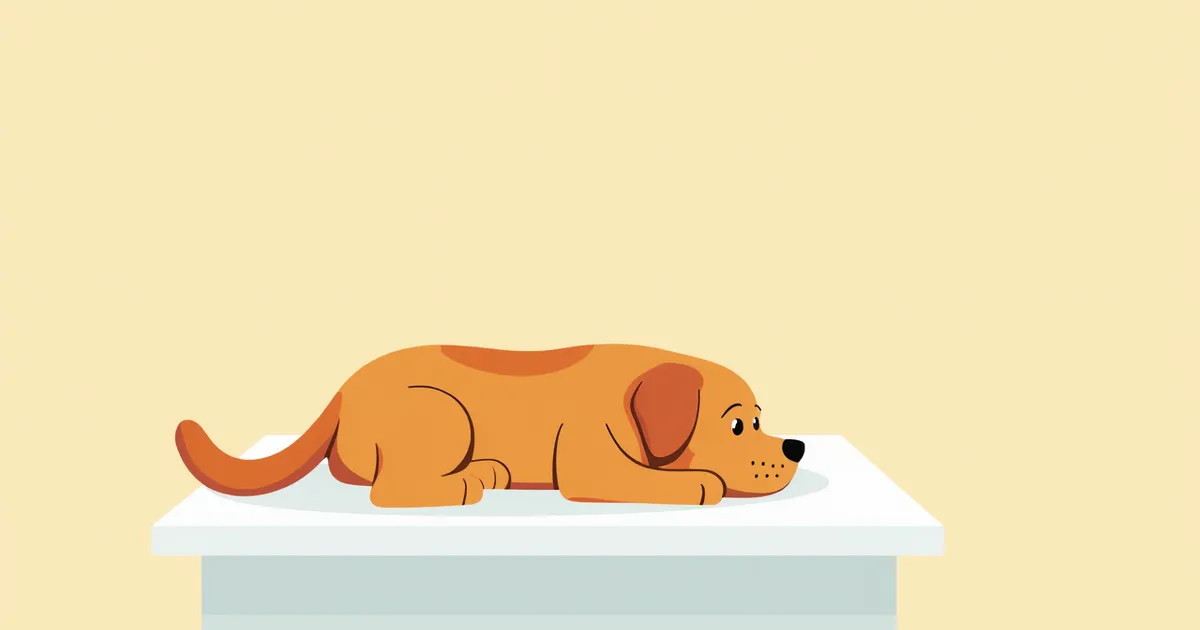
An image showing an abnormally enlarged adrenal cortex in a dog, visualizing excessive hormone secretion.
Canine hyperadrenocorticism, commonly known as Cushing’s disease, is an endocrine disorder characterized by the excessive secretion of cortisol from the adrenal cortex. In spontaneous cases, approximately 85% are pituitary-dependent, where a pituitary tumor overproduces ACTH, stimulating the adrenal glands, while the remaining 15% are adrenal-dependent, caused by tumors (adenomas or carcinomas) within the adrenal cortex itself that secrete cortisol. This hormonal imbalance affects the entire body. - Excess cortisol: Elevated cortisol levels lead to polydipsia (excessive thirst), polyuria (frequent urination), increased appetite, and a distended, pendulous abdomen. - Susceptibility: The condition typically progresses gradually in middle-aged to senior dogs, with certain breeds such as Dachshunds, Boxers, Boston Terriers, and Miniature Poodles at higher risk. - Importance of diagnosis: Early symptoms often develop subtly, making early detection challenging; therefore, regular veterinary check-ups and awareness of clinical signs are essential. - Systemic effects: Additional symptoms may include muscle weakness, skin changes (symmetrical hair loss and thinning skin), lethargy, and panting.

What Are the Main Causes of Ectopic ACTH Syndrome?
The causes of hyperadrenocorticism are classified based on the mechanism that leads to excess cortisol production. Most cases arise spontaneously, and both treatment and prognosis depend on the tumor’s location. - Pituitary-dependent (approximately 85%): This is the most common cause. A tumor in the pituitary gland (usually a microadenoma) overproduces ACTH, which continuously stimulates the adrenal cortex to produce excessive cortisol. - Adrenal-dependent (approximately 15%): A tumor in the adrenal cortex (adenoma or carcinoma) directly secretes excess cortisol. Pituitary-dependent cases are relatively more common in small breeds, while adrenal-dependent cases are relatively more common in large breeds. - Incidence trends: This condition primarily affects middle-aged to older dogs, though it is rarely reported in young dogs. - Need for accurate differentiation: Because treatment varies depending on the type and location of the tumor, precise differential diagnosis is essential.
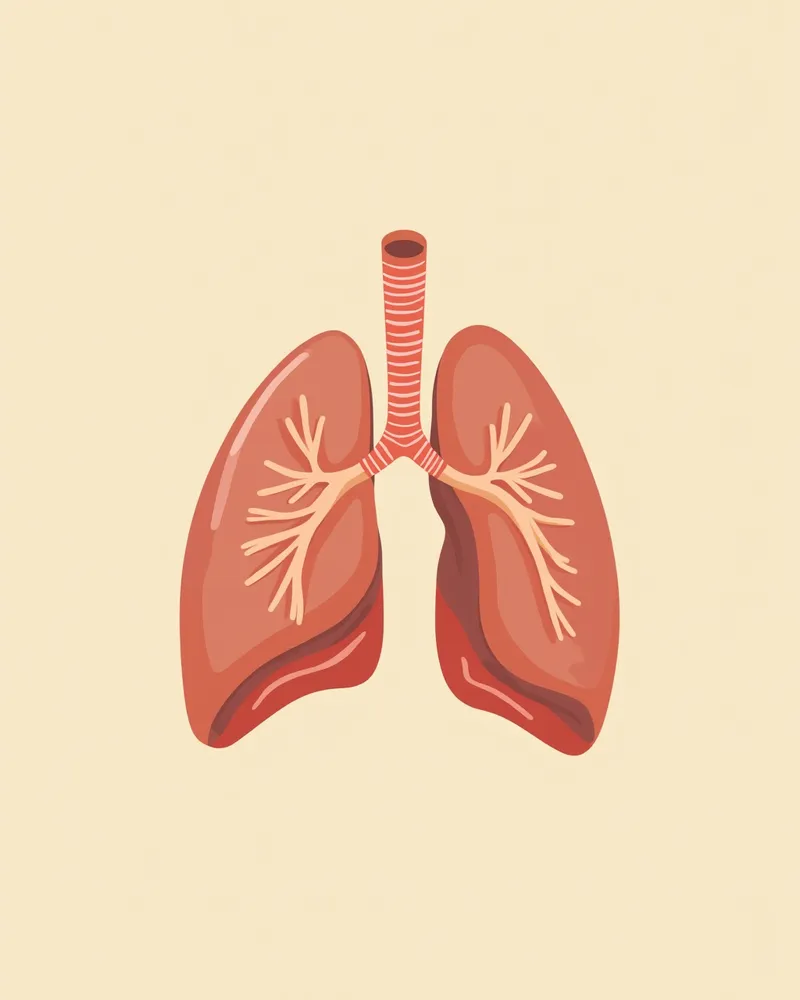
The anatomical location of ectopic ACTH tumors in the lungs and lymph nodes

What Are the Key Symptoms and Signs?

Symptoms of canine hyperadrenocorticism (Cushing’s disease) stem from excess cortisol and typically develop gradually. Recognizing the key signs early is essential. Polydipsia (excessive thirst): Your dog drinks significantly more water than usual. Polyuria (frequent urination): Urine volume and frequency increase. Increased appetite: Polyphagia, or eating more than normal, is common. Pot-bellied appearance: The abdomen appears distended due to liver enlargement, muscle weakness, and abdominal fat accumulation. Skin changes: Symmetrical hair loss, thinning skin, and hyperpigmentation may occur. Muscle weakness and panting: Your dog may seem lethargic, tire easily, and pant frequently.
A puppy with a swollen belly, hair loss, and a fatigued appearance

Signs Requiring Immediate Veterinary Visit

If your dog suddenly shows severe muscle weakness, difficulty breathing, decreased consciousness, or neurological symptoms such as seizures or vision loss, seek veterinary care immediately. In rare cases, an enlarging pituitary tumor can cause neurological symptoms. Prompt diagnosis and treatment can improve the prognosis.

Diagnostic Tests for Accurate Diagnosis

Diagnosing hyperadrenocorticism requires a comprehensive approach that integrates multiple tests. - Blood and urine tests: We look for characteristic changes through routine blood work, serum biochemistry, and urinalysis. The urine cortisol-to-creatinine ratio (UCCR) is used as a screening tool. - Hormonal function tests: Diagnosis is confirmed using the ACTH stimulation test and the low-dose dexamethasone suppression test (LDDST). The high-dose dexamethasone suppression test (HDDST) helps differentiate between pituitary-dependent and adrenal-dependent causes. - Imaging studies: Ultrasound or CT scans are used to assess adrenal size and check for tumors. If necessary, an MRI is performed to evaluate for pituitary tumors. - Importance of differential diagnosis: Accurately identifying the location and nature of any tumor is essential for developing an effective treatment plan.
Image of a small tumor located in the lung, as seen on a CT scan

Treatment Methods and Step-by-Step Approach
Treatment for hyperadrenocorticism (Cushing’s disease) depends on the underlying cause. - Adrenal tumor (adrenal-dependent): The primary treatment is unilateral adrenalectomy, which involves surgically removing the affected adrenal gland. - Pituitary-dependent: Medical management is most commonly used, typically involving medications such as mitotane or trilostane to regulate cortisol production. - Iatrogenic (drug-induced): Do not abruptly stop exogenous glucocorticoids. Instead, gradually taper the dosage under veterinary guidance to allow the adrenal axis to recover. - Ongoing management: During medical treatment, hormone levels should be monitored regularly to adjust the dosage as needed. - Multidisciplinary approach: A comprehensive treatment plan is developed in collaboration with veterinary endocrinologists, surgeons, and primary care veterinarians.
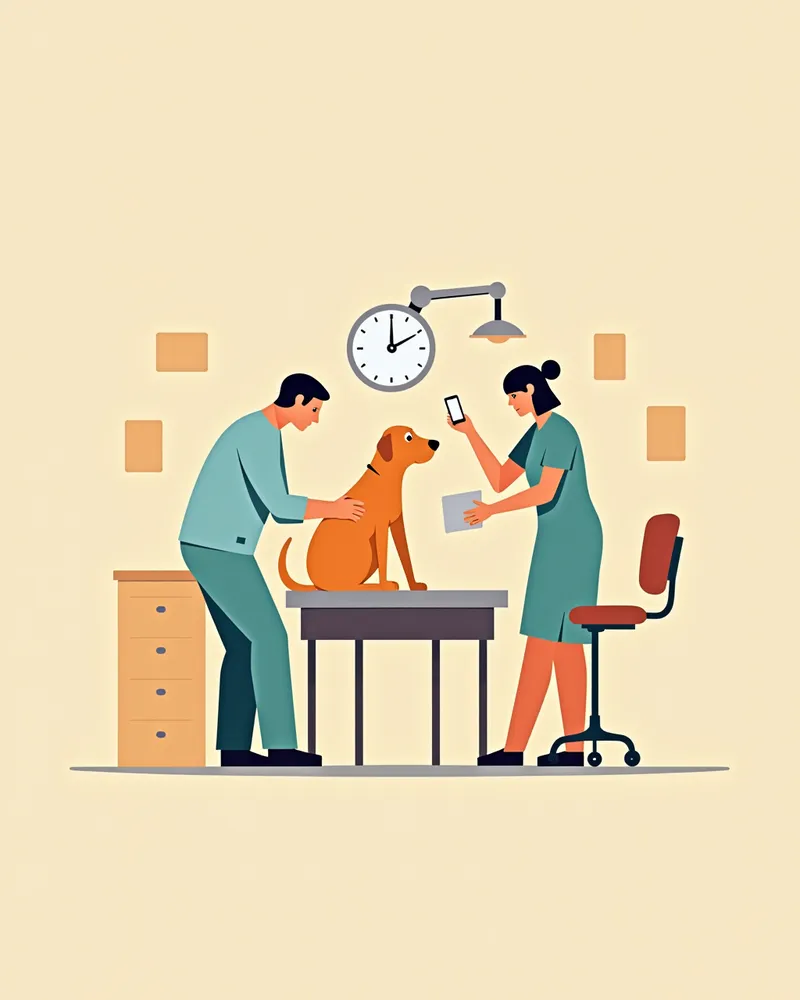
A veterinarian performing surgery on a puppy.

Home Care Points

Dogs undergoing treatment should have their stress minimized and maintain a consistent daily routine. - Medication administration: Give medications at the times prescribed by your veterinarian and do not stop them without professional guidance. - Diet management: Provide a balanced diet to help maintain healthy body weight and muscle mass. - Water intake management: Offer unlimited access to fresh water, but keep a record of daily water consumption and urination frequency. - Exercise moderation: Avoid strenuous activity and maintain gentle exercise through short, light walks. - Regular check-ups: During treatment, regularly monitor blood work and hormone levels to assess treatment response and overall condition.
A puppy eating under the guidance of a veterinarian.

Preventing Recurrence and Precautions

Cushing’s disease requires long-term management. Even after starting treatment, regular blood tests and hormone level checks are necessary to monitor your pet’s condition. Never stop medication abruptly; always consult your veterinarian before making any changes.

Reviewed by a veterinarian

Dr. Tony — Punnawat Phongkittirak

Dr. Tony — Punnawat Phongkittirak

Veterinarian

A veterinarian who majored in veterinary medicine at Khon Kaen University, Thailand, and completed the IVSA program at North Carolina State University in the United States. Drawing on clinical experience at animal hospitals, he works in the pet healthcare field and is dedicated to building a digital care environment that connects pet parents with veterinarians.

Frequently Asked Questions

Is Cushing’s disease treatable?
It depends on the tumor’s location and type. If the tumor is in the adrenal gland, it can be surgically removed through an adrenalectomy. If it’s pituitary-dependent, symptoms can be managed by controlling cortisol levels with medications such as mitotane or trilostane.
Does this condition only occur in dogs?
This condition primarily affects dogs, with cats being less commonly affected. It is especially prevalent in middle-aged and older dogs.
What should I do if my pet experiences side effects during medication?
If your pet shows symptoms such as nausea, diarrhea, or loss of appetite, contact your veterinarian immediately. Medication adjustments may be necessary.
Is this condition genetic?
While the exact genetic link isn't clear, certain breeds like Dachshunds, Boxers, Boston Terriers, and Miniature Poodles are known to have a higher risk of developing this condition.
Can this condition be identified solely by excessive water intake?
Excessive thirst can have many causes. However, if it persists along with increased urination, heightened appetite, and a distended abdomen, Cushing’s disease should be suspected, and further testing is recommended.

Share

Related Guides

References

[1] Plumb's Veterinary Drug Handbook, 9th ed. (2022). Wiley-Blackwell.

[2] Ettinger, S.J. & Feldman, E.C. (2021). Textbook of Veterinary Internal Medicine, 9th ed. Elsevier.

[3] American College of Veterinary Internal Medicine (ACVIM). (2020). Consensus Statement on Canine Cushing’s Disease. Journal of Veterinary Internal Medicine, 34(5), 1789–1803.

This information is based on veterinary literature and does not replace diagnosis or treatment. Please consult a veterinarian for specific health concerns.

Metapet Co., Ltd. | CEO: Park Sung-yong | Business Reg. No. 417-88-02562 | Seoul, South Korea | Customer Center

Dog Drinking & Panting Nonstop? Ectopic ACTH Syndrome Signs | Meongsiljang