Like
Share
멍실장
고양이 부신수질종양(크롬친화세포종) 증상과 원인, 진단·치료와 관리 포인트 총정리

Sudden Blood Pressure Abnormalities in Cats — Symptoms and Treatment of Feline Pheochromocytoma (Chromaffin Cell Tumor)

EndocrineDiseasesMeongsiljang Veterinary Advisory Board

Feline pheochromocytoma (chromaffin cell tumor) is a rare malignant tumor that arises in the adrenal medulla. Excessive secretion of adrenaline and noradrenaline can lead to high blood pressure, increased heart rate, and anxiety.

What is Feline Pheochromocytoma (Chromaffin Cell Tumor)?

Anatomical structure of the feline adrenal medulla and tumor location
Feline pheochromocytoma is a tumor that arises from the chromaffin cells in the adrenal medulla, the inner part of the adrenal gland. Adrenal tumors are rarely reported in cats, making this condition relatively uncommon. This tumor can cause unregulated secretion of catecholamines such as adrenaline and noradrenaline, leading to high blood pressure, increased heart rate, and anxiety-related behaviors. Symptoms can vary widely and may appear episodically, sometimes being nearly absent during veterinary examinations. As a result, early detection can be challenging. In some cases, the tumor may metastasize, and as it progresses, complications such as cardiovascular strain can develop. Therefore, if any unusual signs are observed, it is important to have your cat evaluated by a veterinarian alongside regular check-ups.

Causes and Risk Factors

The exact cause of feline pheochromocytoma has not yet been clearly identified. This tumor can occur as an isolated lesion or as part of multiple endocrine neoplasia (MEN) syndrome, in which several endocrine tumors develop concurrently. Unlike in normal adrenal glands, the specific stimuli that trigger catecholamine secretion from the tumor remain unclear. Although genetic predisposition and hormonal dysregulation have been proposed as potential contributing factors, neither has been established as a direct cause. One thing is certain: the tumor itself causes hypertension by overproducing catecholamines; hypertension does not cause the tumor. Because the pathogenesis of pheochromocytoma remains an area requiring further research, early recognition of abnormal symptoms is crucial.
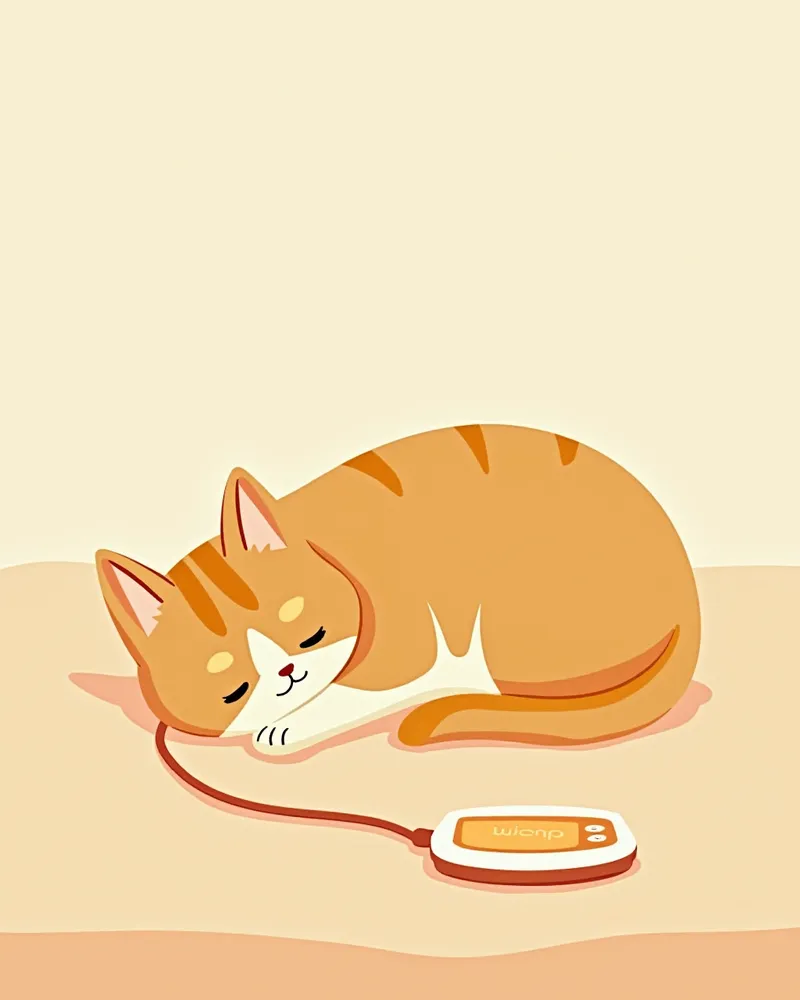
A scene of measuring a cat's blood pressure.

Main Symptoms and Signs

Feline pheochromocytomas can be tricky to catch early on because symptoms tend to fluctuate and appear suddenly. However, as the condition progresses, you may notice the following signs:
High blood pressure: Elevated blood pressure can lead to retinal hemorrhages or vision loss.
Increased heart rate and arrhythmia: Your cat’s heart may race or develop an irregular rhythm, even at rest, and breathing may become rapid.
Weakness and fainting: Sudden lethargy, stumbling, collapsing, or fainting episodes may occur.
Anxious behavior: Your cat may seem restless, pace around, or try to hide.
Decreased appetite and gastrointestinal issues: Eating habits may decline, accompanied by vomiting or diarrhea.
Lethargy and weight loss: Overall energy levels may drop, and your cat may lose weight.
Signs of anxiety in cats

Symptoms Requiring Immediate Veterinary Visit

If your cat suddenly collapses or faints, shows severe difficulty breathing, or has extremely high blood pressure that causes eye bleeding and vision loss, you should go to the vet immediately. Severe hypertension can lead to retinal hemorrhage or retinal detachment, putting your cat at risk of losing their vision. Since these symptoms may appear and disappear suddenly, it is important to seek a veterinarian's evaluation as soon as you notice any unusual signs, without delay.

Accurate Diagnostic Methods
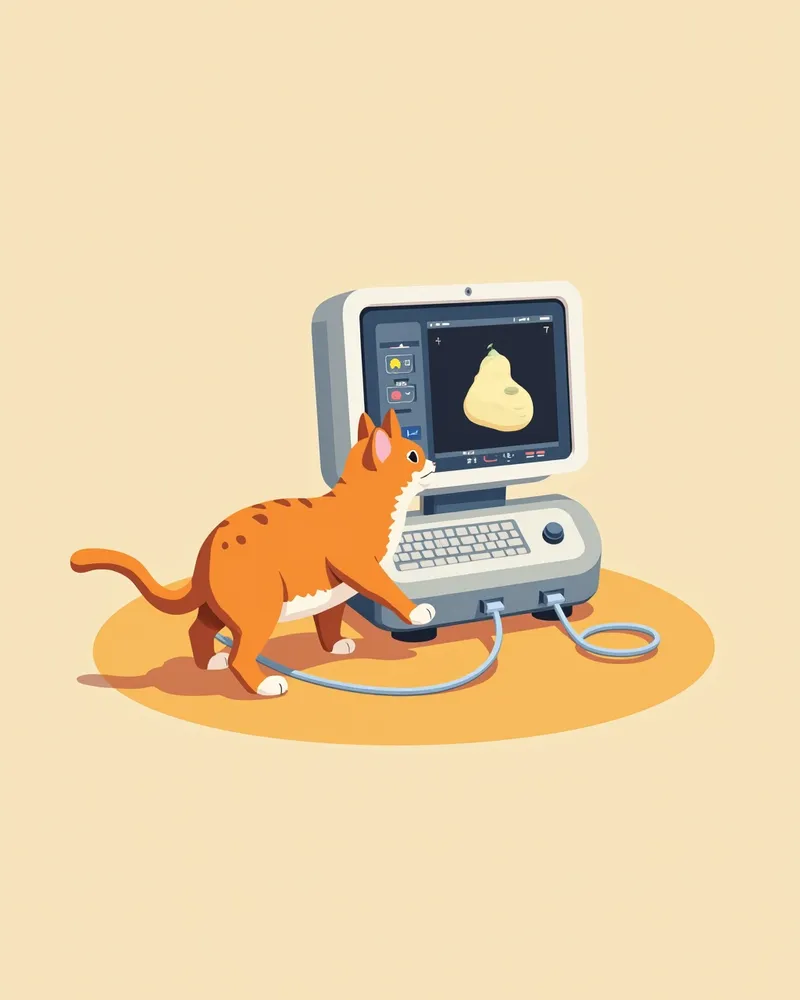
Accurately diagnosing an adrenal medullary tumor requires a combination of tests. - Blood and urine tests: Measure levels of catecholamine metabolites such as metanephrine and normetanephrine in plasma or urine to check for hormone excess. - Ultrasound, CT, or MRI scans: Determine the tumor’s size, location, and whether it has invaded surrounding tissues or blood vessels. - Urine metabolite tests: Measure ratios such as normetanephrine to creatinine in urine to aid in diagnosis. - Plasma catecholamine tests: Analyze blood catecholamines and their metabolites to confirm the tumor’s functional status. For an accurate diagnosis, specialized imaging and biochemical tests must be performed together at a veterinary clinic.
Ultrasound imaging of a cat's adrenal glands

Treatment Methods and Step-by-Step Approach

Treatment is determined by the tumor size, presence of metastasis, and the cat’s overall health status. - Surgical treatment: Complete surgical excision of the tumor is the most definitive treatment. - Medical treatment: If surgery is difficult or not preferred by the owner, symptoms can be managed by controlling blood pressure with alpha-adrenergic blockers such as phenoxybenzamine. - Pre- and post-operative care: Alpha-blockers should be administered for at least one week prior to surgery, and blood pressure and arrhythmias must be closely monitored during and after the procedure. - Regular follow-up examinations: After treatment, blood pressure and imaging studies should be repeated to check for metastasis or complications. The treatment plan should be flexibly adjusted according to the cat’s condition.
Surgical procedure for feline pheochromocytoma

Home Care and Management Points

After treatment, it’s important to minimize your cat’s stress while caring for them at home. - Provide a quiet environment: Create a calm space to help your cat feel secure. - Maintain a consistent feeding and medication schedule: Set specific times to ensure your cat receives their medication as prescribed. - Monitor blood pressure: Regularly measure and record your cat’s blood pressure at home. - Watch for adverse reactions: If your cat experiences vomiting, shock, lethargy, or other unusual symptoms after taking medication, seek veterinary care immediately. - Adjust diet: Consider a low-sodium or specialized therapeutic diet. Regular follow-up visits with your veterinarian are essential.
A stable care environment for cats

Preventing Recurrence and Breed Precautions

Adrenal medullary tumors can metastasize in some cases, with reported metastasis rates ranging from approximately 20% to 50%. Additionally, adrenal gland removal surgery in cats carries significant perioperative risks, requiring meticulous management. Therefore, it is important to monitor for metastasis or recurrence through regular check-ups even after treatment. Although adrenal tumors are relatively rare in cats, if abnormal symptoms appear, it is advisable to seek prompt veterinary evaluation, including blood pressure measurement and internal medicine examinations.

Reviewed by a veterinarian

Dr. Tony — Punnawat Phongkittirak

Dr. Tony — Punnawat Phongkittirak

Veterinarian

A veterinarian who majored in veterinary medicine at Khon Kaen University, Thailand, and completed the IVSA program at North Carolina State University in the United States. Drawing on clinical experience at animal hospitals, he works in the pet healthcare field and is dedicated to building a digital care environment that connects pet parents with veterinarians.

Frequently Asked Questions

Is treatment possible for feline pheochromocytoma?
Surgical removal of the tumor is the most effective treatment, and if surgery is not feasible, medications can help manage symptoms. The outcome of treatment depends on the size of the tumor, whether it has spread, and the overall health of the pet.
Does this disease only affect cats?
In fact, adrenal medullary tumors are more commonly reported in dogs and are rare in cats. Adrenal tumors in cats are relatively uncommon overall.
How long can my pet live after surgery?
If the tumor is completely removed and recovery goes smoothly, pets can survive for 18 months to over 4 years. The prognosis varies depending on the size of the tumor and whether it has spread.
Is medication alone sufficient?
While medication can help manage symptoms, such as controlling blood pressure, surgery is the most effective way to remove the tumor itself. Medications are primarily used as supportive treatment before and after surgery.
Can it be prevented?
There is no known surefire way to prevent it. However, if you notice any unusual symptoms, it’s a good idea to have your pet’s blood pressure checked and undergo a health screening to catch any issues early.

Share

Related Guides

References

[1] Risbon RE, deLorimer LP, Skorupski K et al. (2006) Response of canine cutaneous epitheliotrophic lymphoma to lomustine (CCNU): a retrospective study of 46 cases (1999-2004). Journal of Veterinary Internal Medicine 20, 1389-1397.

[2] Ho NT, Smith KC and Dobromylsky MJ (2018) Retrospective study of more than 9000 feline cutaneous tumours in the UK: 2006-2013. Journal of Feline Medicine and Surgery 20, 128-134.

[3] Henry C and Herrera C (2013) Mast cell tumours in cats: clinical update and possible new treatment avenues. Journal of Feline Medicine and Surgery 15, 41-48.

This information is based on veterinary literature and does not replace diagnosis or treatment. Please consult a veterinarian for specific health concerns.

Metapet Co., Ltd. | CEO: Park Sung-yong | Business Reg. No. 417-88-02562 | Seoul, South Korea | Customer Center

Sudden Blood Pressure Issues: Feline Pheochromocytoma Guide | Meongsiljang