
Complete Guide to Prescription Diets for Cats with Heart Disease — When to Start and How to Feed
Prescription diets for cats with heart disease are specially formulated to support compromised cardiac function. Proper dietary management is essential for extending lifespan and improving quality of life.
What Are Prescription Heart Diets for Cats?
What Are the Main Causes of Heart Disease?
Check for Key Symptoms and Signs
Symptoms Requiring Immediate Veterinary Visit
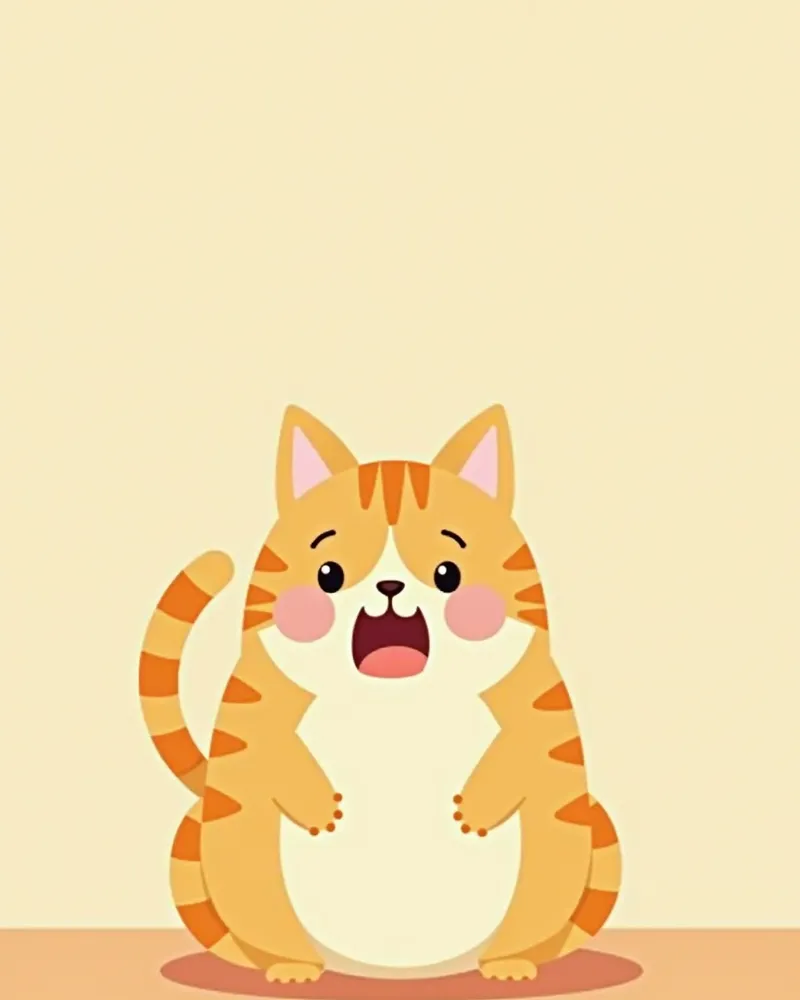
If your cat suddenly starts panting, foaming at the mouth, or collapses, it could be a sign of cardiac arrest or acute pulmonary edema. This is a life-threatening emergency. You need to get to a veterinary clinic immediately, and until then, keep your cat calm and still. Delaying treatment can significantly reduce the chances of survival.
Diagnostic Tests for Accurate Diagnosis
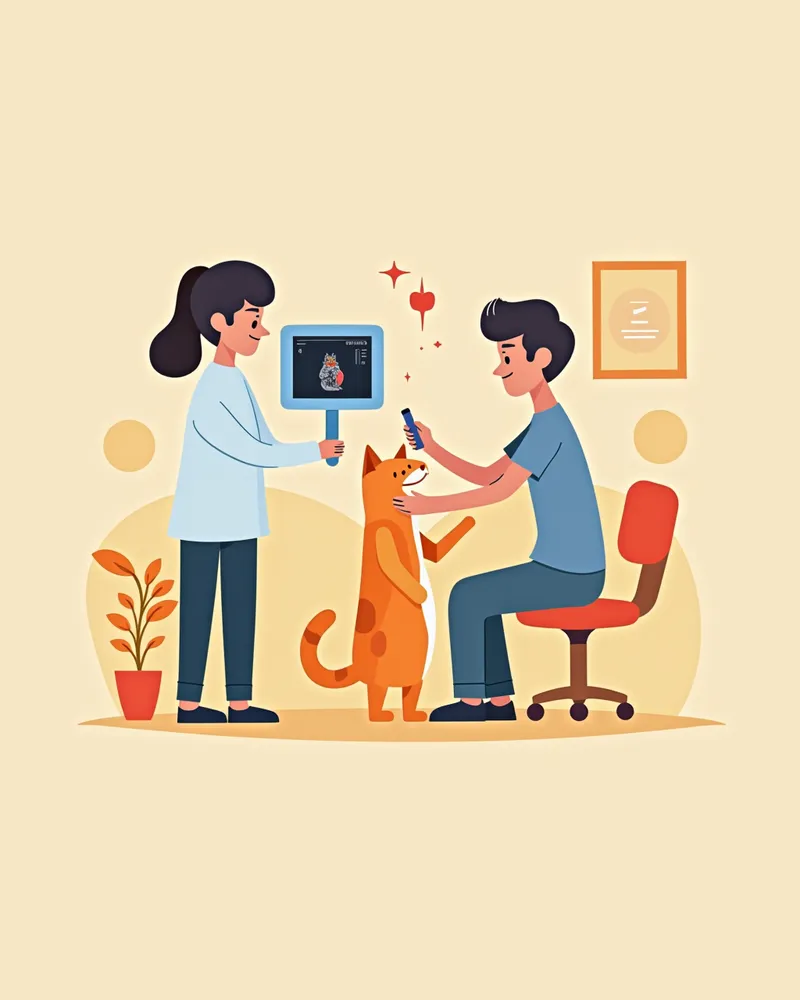
Treatment Methods and Step-by-Step Management
Management Points at Home
Breed-Specific Precautions and Prevention of Recurrence
Maine Coons and Ragdolls are known to be predisposed to hypertrophic cardiomyopathy (HCM), a hereditary heart condition. Additionally, long-haired breeds such as Persians and Himalayans have been reported to have a predisposition to certain congenital heart diseases. Because these breeds are at risk for cardiomyopathy and cardiac hypertrophy, regular cardiac screenings are recommended. Furthermore, arbitrarily discontinuing dietary management or prescribed medications can lead to disease progression, so it is essential to establish a long-term care plan in consultation with your veterinarian.
Reviewed by a veterinarian

Dr. Tony — Punnawat Phongkittirak
VeterinarianA veterinarian who majored in veterinary medicine at Khon Kaen University, Thailand, and completed the IVSA program at North Carolina State University in the United States. Drawing on clinical experience at animal hospitals, he works in the pet healthcare field and is dedicated to building a digital care environment that connects pet parents with veterinarians.
Reviewed 2026-06-03
Frequently Asked Questions
Does feeding a prescription diet mean I can skip giving medication?
Can I mix regular pet food with this?
What should I do if my pet loses weight while on a prescription diet?
What should I do if my pet develops a cough while on a prescription diet?
What should I do if my pet suddenly loses its appetite while on a prescription diet?
Share
Related Guides
Coenzyme Q10 Benefits and Administration Guide
Dog Pulmonary Edema Warning — 7 Best Diuretics (Furosemide) for Heart Management
7 Best Prescription Diets for Feline Heart Disease Recommended by Veterinarians — Criteria for Choosing Low-Sodium Food
Cat Teeth Are Rough and Yellow — Causes of Enamel Hypoplasia and Treatment & Management Points
Feline Oral and Periapical Abscesses: Symptoms, Causes, Diagnosis, Treatment, and Care Essentials
If Your Cat Keeps Grinding Its Teeth — Causes of Bruxism and When to Visit the Vet
Dog Tumor Prognosis and Survival Time: Symptoms, Causes, Diagnosis, Treatment, and Care Points Summary
Is Immunotherapy the Answer for Our Dog’s Cancer Treatment? A Complete Guide to Its Effects and Limitations
My Dog Keeps Having Accidents — Warning Signs of Bladder Cancer (Transitional Cell Carcinoma) and Treatment Timing

Dog Testicular Tumors: Don't Wait — Symptoms, Causes, Neutering Treatment, and Prognosis
References
[1] Freeman, L.M., & Rush, J.E. (2018). Applied Veterinary Clinical Nutrition, 2nd Ed. Wiley-Blackwell.
[2] Oyama, M.A., et al. (2008). Perceptions and priorities of owners of dogs with heart disease. Journal of Veterinary Internal Medicine, 22(3), 615–621.
[3] Mann, D.L. (2002). Inflammatory mediators and the heart. Circulation Research, 91(1), 1–11.