Like
Share
멍실장
강아지 과잉 흥분·충동 조절 불가 증상과 원인, 진단·치료와 관리 포인트 총정리

Why Is My Dog So Excited? — Causes of Impulse Control Issues and When to Seek Treatment

Brain & CognitionDiseasesMeongsiljang Veterinary Advisory Board

Excessive excitement and impulse control issues in dogs are not simply personality problems. We’ve compiled a comprehensive guide to diagnosis by cause, behavior modification, and management techniques you can implement at home.

What Is Canine Hyperexcitability and Impulse Control Disorder?
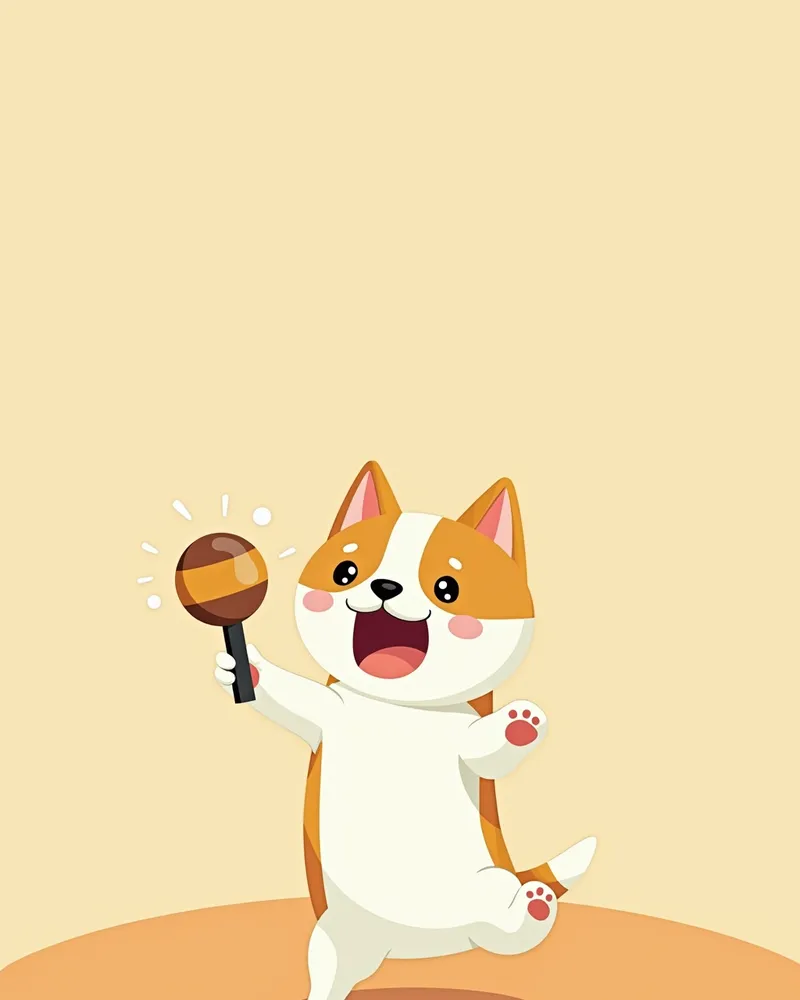
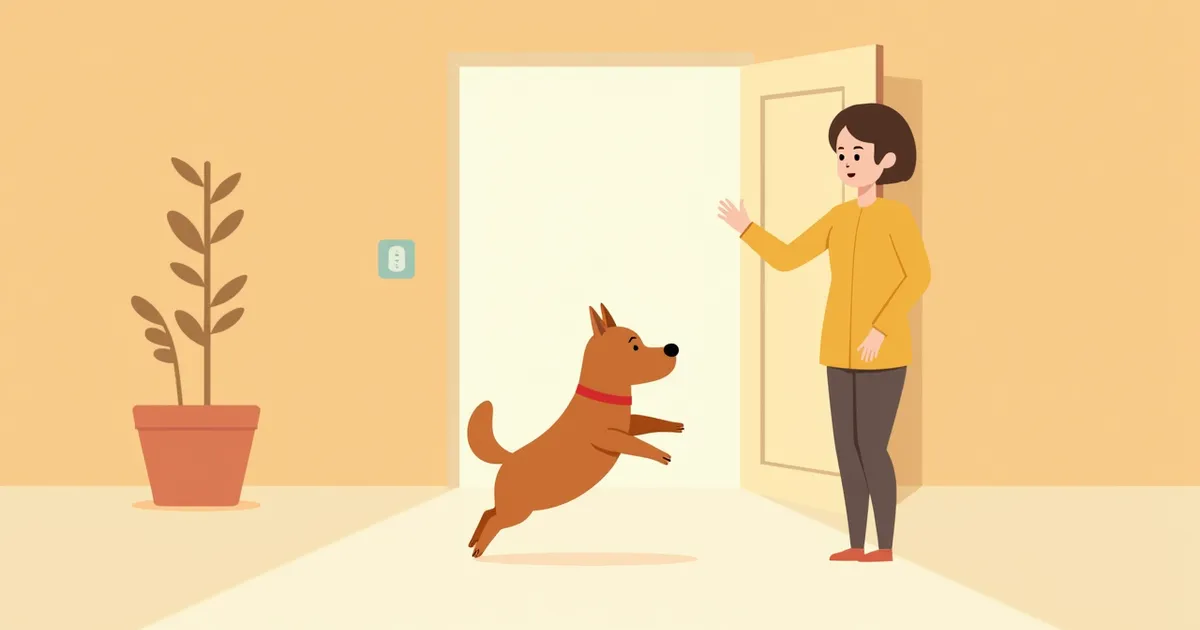
Dogs that get overly excited at the front door
Canine hyperexcitability and impulse control disorder is a behavioral condition in which a dog becomes overly aroused by minor stimuli and struggles to inhibit its own behavior. The key is distinguishing this from simply being an energetic personality. If your dog can’t stop playing, becomes uncontrollably excited around visitors, or repeatedly exhibits the same impulsive behaviors despite training, it’s time to consult a veterinary behavior specialist.

Causes — Why Can’t My Dog Control Their Impulses?

The causes can be broadly categorized into three main groups.
Neurological and genetic factors: Imbalances in neurotransmitter systems, such as serotonin (5-HT), norepinephrine, and GABA, are known to be linked to behavioral issues in pets. Additionally, genetic factors can influence behavioral tendencies in certain breeds.
Environmental and educational factors: Insufficient socialization during puppyhood or kittenhood, or repeated reinforcement of excited behaviors through rewards, can strengthen hyperexcitability.
Physical health conditions: Behavioral changes can also stem from underlying medical issues such as hyperthyroidism, pain, or neurological disorders, making a physical examination the essential first step.

Key Symptoms Checklist

Uncontrollable excitement: Your dog becomes extremely agitated by visitors, noises, or other dogs and has difficulty calming down.
Jumping and biting impulses: Your dog repeatedly lunges at people or objects and struggles to stop.
Destructive behavior: Your dog chews or breaks items when left alone or when stimulated.
Poor concentration: Your dog is easily distracted by external stimuli during training and cannot focus on one task for long.
Panting and trembling: Your dog may breathe rapidly and shake when excited.
Sleep disruption: Prolonged states of arousal and excitement can disrupt your dog’s normal sleep-wake cycle.
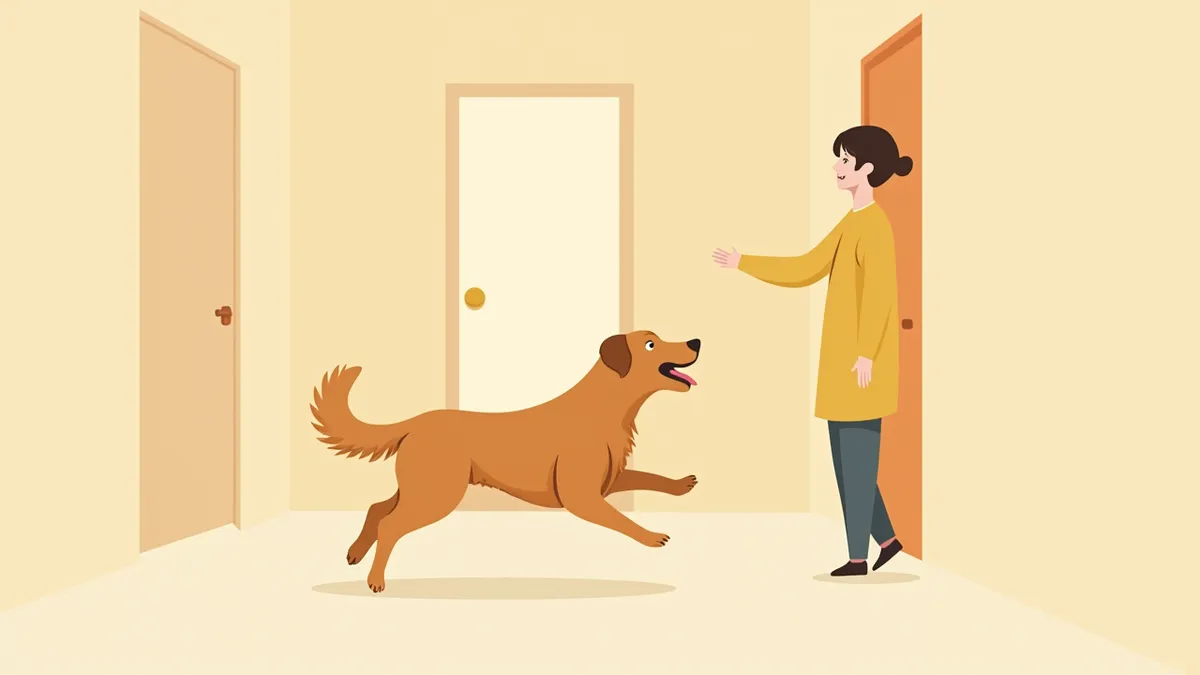
Dogs that overreact to toys

Signs That Require Immediate Veterinary Care

If your pet’s level of excitement has suddenly and significantly increased, it could be due to a neurological issue or pain. If you notice any of the following—sudden aggressive behavior, disorientation, pacing in circles, or seizure-like activity—seek veterinary care within 24 hours.

Diagnosis — How Is It Confirmed?

Diagnosis is handled by a veterinary behavior specialist.
Step 1: Owner Interview: We thoroughly assess when the behavior occurs, its frequency, and potential triggers.
Step 2: Physical and Blood Tests: We first rule out physical causes such as thyroid or neurological abnormalities, and pain.
Step 3: Behavioral Assessment: We evaluate the dog’s response patterns to stimuli, arousal levels, and impulse control abilities.
Step 4: Diagnostic Classification: We classify the condition into categories such as hyperactivity, impulse control disorder, or situational excitement.

Treatment — How Do We Approach It?

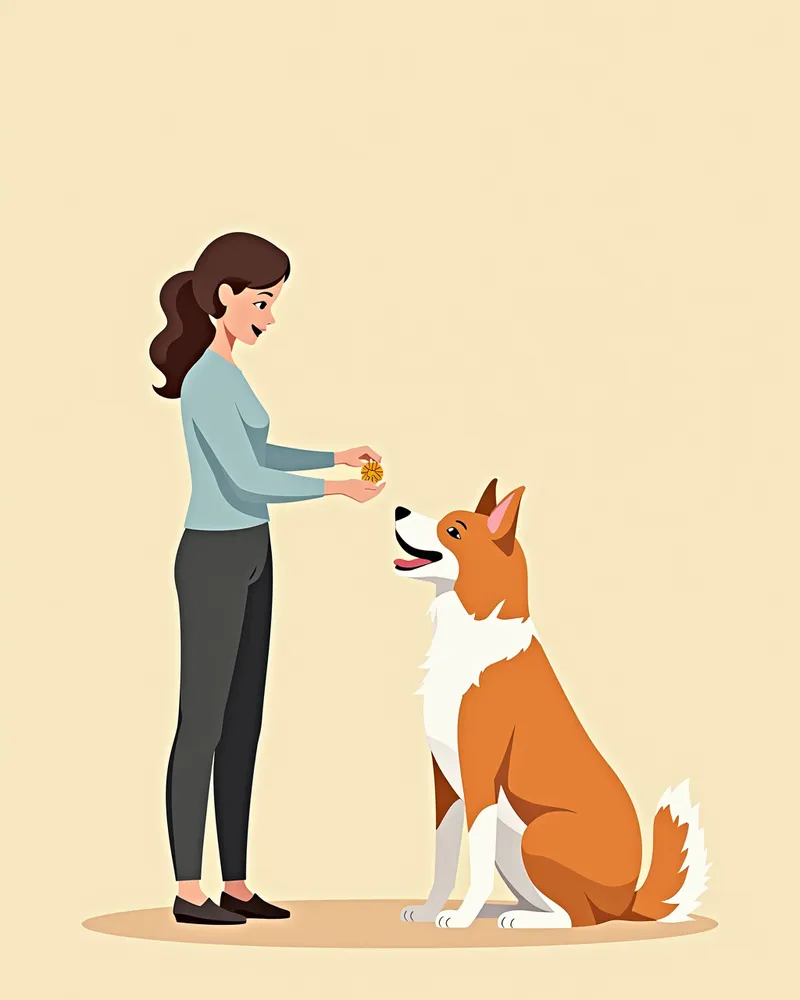
Behavioral Modification Training: The key is “calmness reinforcement training,” which involves rewarding your pet when they are calm. It’s important to avoid giving attention or rewards when they are excited.
Medication Support: In severe cases, a veterinarian may prescribe supplements that help regulate neurotransmitters. Medication alone is not enough; it must be used in combination with behavioral training to be effective.
Environmental Management: It’s also important to reduce overstimulating factors and establish a predictable daily routine.
A puppy undergoing calmness-strengthening training with a trainer

Management Tips You Can Practice at Home
Regular exercise: Let your dog burn off built-up energy through daily walks and physical activity. Dogs with high activity needs require even more exercise and stimulation.
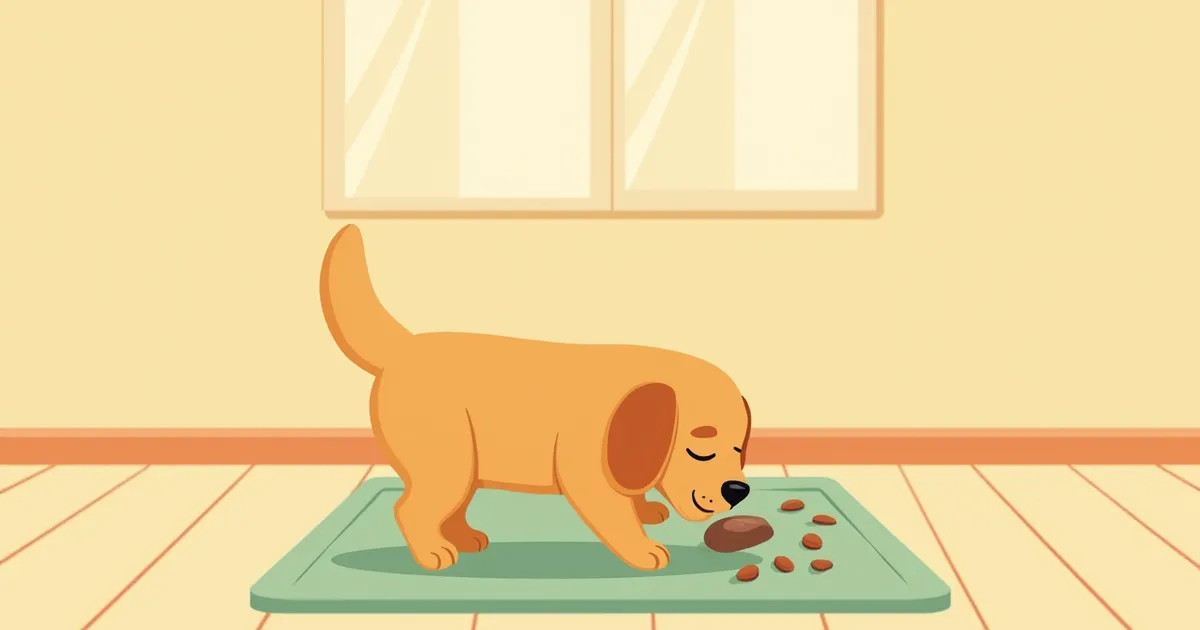
Mental stimulation: Boost focus with brain-engaging activities like scent work (nosework), puzzle feeders, and basic obedience training.
Consistent responses: All family members must enforce the same rules. If even one person reacts to excited behavior, it becomes much harder to correct.
Proactive stimulus management: Remove your dog from the situation before they become overexcited. Once they’re already worked up, corrective efforts are far less effective.
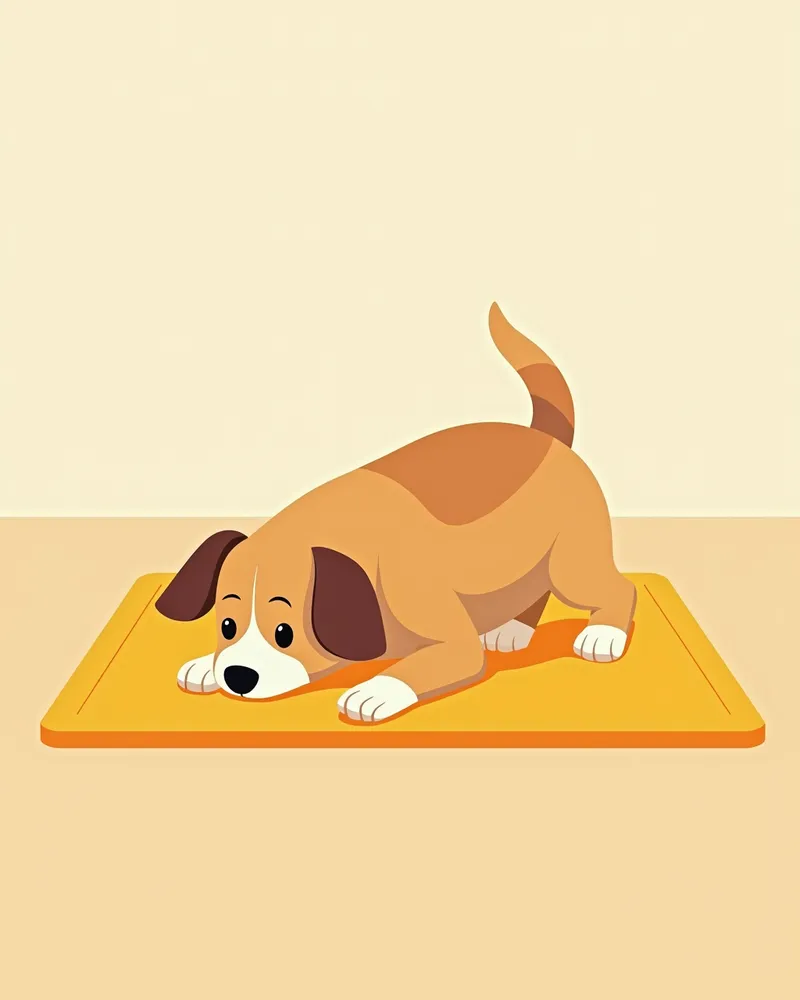
A dog focusing on nose work activities

For Owners of Breeds Prone to High Excitability

Border Collies, Jack Russell Terriers, Dalmatians, and Siberian Huskies have very high activity drives, so they are more prone to hyperactive behaviors when they lack sufficient exercise and mental stimulation. When adopting one of these breeds, it’s a good idea to make sure you can provide enough daily activity beforehand.

Reviewed by a veterinarian

Dr. Tony — Punnawat Phongkittirak

Dr. Tony — Punnawat Phongkittirak

Veterinarian

A veterinarian who majored in veterinary medicine at Khon Kaen University, Thailand, and completed the IVSA program at North Carolina State University in the United States. Drawing on clinical experience at animal hospitals, he works in the pet healthcare field and is dedicated to building a digital care environment that connects pet parents with veterinarians.

Frequently Asked Questions

Will my dog's excessive excitement naturally improve as they get older?
As pets grow, their excitement levels may stabilize somewhat. However, waiting without behavioral correction can lead to entrenched habits. Starting training to reinforce calmness from a young age is much more effective.
Should I scold my dog when he gets overly excited?
Scolding or punishing your pet can actually increase their anxiety and excitement. In such states, completely ignoring them is the most effective approach. Only offer attention and rewards once they have calmed down.
Will giving my pet behavior-modifying medication change its personality or make it lethargic?
Behavioral medications prescribed by veterinarians work by helping to balance neurotransmitter systems, such as serotonin. However, before starting medication, it is essential to rule out underlying physical causes through blood and neurological tests. These medications are used in conjunction with behavior modification training, and the dosage is gradually tapered down as the pet’s condition improves.
Should I see a trainer or a veterinarian first?
It’s best to start with a visit to your veterinarian. There could be underlying physical causes such as thyroid abnormalities, neurological issues, or pain, which need to be ruled out first. If no medical problems are found, we can refer you to a veterinary behavior specialist or a professional trained in veterinary behavioral medicine.
Does nose work really help with overexcitement?
Yes, it helps. Activities like scent-tracking through the nose or using puzzle feeders engage your dog’s brain, capturing their attention and burning off energy. It’s important to consistently provide both physical exercise and mental stimulation.

Share

Related Guides

References

[1] Jensen J.B.H. et al., 'Owner-Related Reasons Matter more than Behavioural Problems—A Study of Why Owners Relinquished Dogs and Cats to a Danish Animal Shelter from 1996 to 2017,' Animals, 2020

[2] Overall K.L., Manual of Clinical Behavioral Medicine for Dogs and Cats, Elsevier Mosby, 2013

[3] Horwitz D.F. & Mills D.S. (eds.), BSAVA Manual of Canine and Feline Behavioural Medicine, 2nd ed., BSAVA, 2009

[4] Introduction to Animal Behavior and Veterinary Behavioral Medicine, Chapter 17, Wiley, 2022

This information is based on veterinary literature and does not replace diagnosis or treatment. Please consult a veterinarian for specific health concerns.

Metapet Co., Ltd. | CEO: Park Sung-yong | Business Reg. No. 417-88-02562 | Seoul, South Korea | Customer Center

Why Is My Dog So Excited? Impulse Control and Treatment | Meongsiljang