Like
Share
멍실장
강아지 흡인성 폐렴 증상과 원인, 진단·치료와 관리 포인트 총정리

Aspiration Pneumonia in Dogs: Symptoms, Causes, Diagnosis, Treatment, and Management Tips

RespiratoryDiseasesMeongsiljang Veterinary Advisory Board

Aspiration pneumonia in dogs occurs when food, saliva, or stomach contents enter the airway and cause inflammation in the lungs. With early detection and appropriate treatment, recovery is possible.

What is Aspiration Pneumonia in Dogs?

An anatomical image highlighting the dog's trachea and lungs, with the aspiration pathway indicated.
Aspiration pneumonia in dogs occurs when food, saliva, or stomach contents accidentally enter the airway, causing inflammation in the lungs. Initially, substances like stomach acid impair the function of pulmonary surfactant, leading to atelectasis (lung collapse) and chemical pneumonia. This can then progress to bacterial pneumonia as foreign material and bacteria are introduced. While it can affect dogs of any age or breed, it is particularly common in cases where the airway protective reflex is weakened, such as with esophageal or laryngeal dysfunction, or neurological conditions like brain disease or reduced nerve function. Early detection is crucial because the condition can worsen rapidly. - Impaired aspiration reflex: When the airway protective reflex is weakened due to decreased consciousness or anesthesia, the risk of food entering the lungs increases significantly. - Structural abnormalities of the esophagus and larynx: Brachycephalic (short-muzzled) breeds are prone to esophageal and laryngeal dysfunction, which heightens the risk of aspiration. - Acute inflammatory response in the lungs: The introduction of foreign material into the lungs triggers rapid inflammation, leading to respiratory distress. Early treatment offers a high chance of recovery.

What are the Main Causes of Aspiration Pneumonia?

The main cause of aspiration pneumonia in dogs is food, saliva, or stomach contents accidentally entering the airway. The risk of aspiration increases when there are issues with esophageal or laryngeal function, frequent vomiting, or a diminished level of consciousness and airway protective reflexes due to anesthesia, brain injury, or neurological disorders. Large-breed dogs are more frequently reported to develop aspiration pneumonia because esophageal and laryngeal dysfunction is common in these breeds. - Esophageal and laryngeal dysfunction: Conditions such as megaesophagus or laryngeal paralysis impair swallowing and airway protection, making aspiration more likely. - Airway structural characteristics: Brachycephalic breeds like Pekingese and Bulldogs are at higher risk of aspiration because they are prone to accompanying esophageal dysfunction. - Neurological impairment: Brain diseases or the post-anesthesia period can weaken airway protective reflexes, allowing foreign material to enter the lungs. Since these factors can interact in complex ways, prevention is essential.
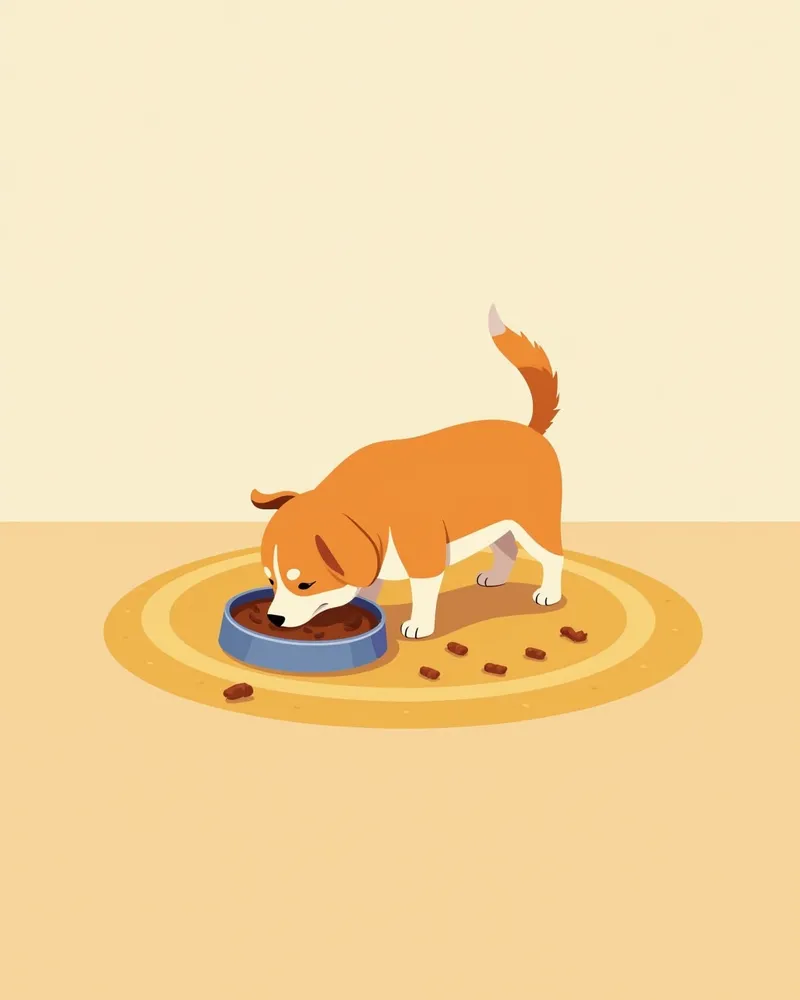
A puppy eating food quickly, with food flying everywhere

Check for Key Symptoms and Signs

The main symptoms of aspiration pneumonia in dogs include sudden coughing, difficulty breathing, elevated body temperature, and cyanosis (bluish discoloration of the lips or mouth) due to oxygen deprivation. You may also notice decreased appetite, weakness, and coughing up frothy mucus. - Sudden coughing: When foreign material enters the lungs, it causes irritation that leads to persistent coughing. - Difficulty breathing: Inflammation in the lungs prevents proper airflow, causing shortness of breath. - Bluish lips: A lack of oxygen supply causes the lips or inside of the mouth to turn blue. - Mucus and weakness: Inflammatory responses in the lungs produce mucus, and the dog’s overall condition deteriorates. If you notice these symptoms, immediate veterinary care is essential.
A puppy coughing up frothy mucus, with a pained expression.

Symptoms Requiring Immediate Veterinary Visit

If your dog is experiencing severe difficulty breathing, has blue-tinged lips or mouth, or has become so weak from coughing that they collapse, you need to go to the vet immediately. This indicates serious damage to the lungs, and delaying treatment can be life-threatening.

Diagnostic Tests for Accurate Diagnosis
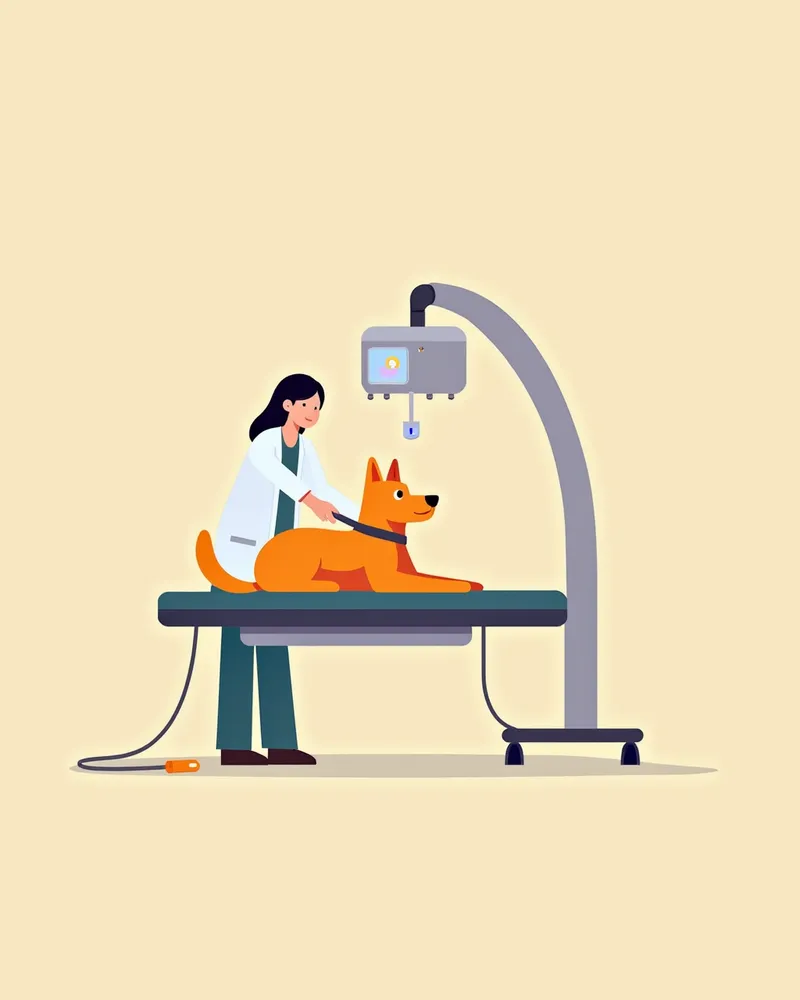
Aspiration pneumonia can be diagnosed by taking a chest X-ray to check for inflammation in the lungs. On the X-ray, you’ll typically see alveolar opacities, where the lungs appear white and filled, along with air bronchograms, where the air-filled bronchi show up as dark lines within those areas. These signs are most commonly seen in the right middle lung lobe. Blood tests help assess the body’s inflammatory response, and if needed, a sample may be collected from the airways for bacterial culture to identify the specific causative organism. - Chest X-ray: Visually confirms characteristic signs of aspiration pneumonia, such as alveolar opacities and air bronchograms. - Blood tests: Evaluates inflammatory responses, such as an elevated white blood cell count. - Airway sampling and bacterial culture: A sample is taken from the airways and cultured to accurately identify the causative bacteria, though it’s common for no bacteria to be detected. An accurate diagnosis is the first step toward appropriate treatment.
A puppy undergoing a chest X-ray, with the veterinarian operating the equipment.

Treatment Methods and Step-by-Step Management

Treatment for aspiration pneumonia includes oxygen therapy, antibiotics, fluid therapy, and supportive care. In cases of severe respiratory distress, mechanical ventilation may be considered. It is also essential to treat the underlying condition causing the aspiration, such as megaesophagus or neurological disorders. Antibiotics are typically started empirically, with doxycycline being one of the effective options. Whenever possible, antibiotic selection should be adjusted based on culture results. If there is no response to oral or injectable antibiotics, inhalation therapy using a nebulizer with medications such as gentamicin may be beneficial. Fluid therapy is administered intravenously to prevent dehydration and stabilize the patient’s condition, with the duration of treatment depending on the individual’s status. Follow-up examinations may be necessary after recovery to monitor for recurrence and assess lung health.
A puppy wearing an oxygen mask at the veterinary clinic.

Home Care and Prevention Tips

Once aspiration pneumonia has resolved, the most important step is to properly manage the underlying condition that caused the aspiration. Feeding your pet slowly, adjusting food portion sizes, and allowing them to rest after meals can be very helpful. If your pet has megaesophagus, feed them in an upright position. For esophageal strictures, opt for soft or semi-liquid food instead of dry kibble. Pre-anesthetic evaluations and post-anesthetic care are also crucial. If you suspect any abnormalities in esophageal or laryngeal function, consult your veterinarian. - Control feeding speed: Fast eating habits can lead to aspiration, so encourage slower eating. - Adjust food texture: Large pieces of food can block the airway, so cut them into appropriate sizes or soften them. - Post-meal rest: Allow your pet to sit or lie down and rest for a while after eating. - Pre-anesthetic assessment: Before anesthesia, ensure the airway condition and swallowing reflex are properly evaluated. - Regular check-ups: For brachycephalic breeds or animals with neurological conditions, regular consultations with your veterinarian are recommended.
Using a slow-feed bowl designed to help your dog eat at a slower pace.

Preventing Recurrence and Breed Precautions

Certain breeds, particularly brachycephalic dogs such as Pekingese and Bulldogs, have unique airway anatomy that puts them at higher risk for aspiration. Additionally, dogs with brain injury or neurological disorders are more prone to recurrence, making regular check-ups and ongoing care essential.

Reviewed by a veterinarian

Dr. Tony — Punnawat Phongkittirak

Dr. Tony — Punnawat Phongkittirak

Veterinarian

A veterinarian who majored in veterinary medicine at Khon Kaen University, Thailand, and completed the IVSA program at North Carolina State University in the United States. Drawing on clinical experience at animal hospitals, he works in the pet healthcare field and is dedicated to building a digital care environment that connects pet parents with veterinarians.

Frequently Asked Questions

Is aspiration pneumonia treatable?
Yes, most pets can make a full recovery if the condition is detected early and treated appropriately. However, delaying treatment significantly increases the risk of complications or even death.
Which dogs are more prone to aspiration pneumonia?
It is more commonly seen in dogs with esophageal or laryngeal dysfunction, dogs under anesthesia, dogs with brain or neurological disorders, and brachycephalic breeds.
If your pet frequently coughs after meals, could it be aspiration pneumonia?
If your pet’s coughing becomes frequent or worsens, there may be a risk of aspiration pneumonia, so please consult your veterinarian right away. Especially if they appear to be struggling to breathe, a visit to the clinic is essential.
What precautions should be taken to prevent aspiration pneumonia?
Feed your pet slowly, adjust the food size appropriately, and allow for a rest period after meals. Additionally, it is essential to undergo pre-anesthesia testing.
Can aspiration pneumonia recur?
Yes, if the underlying cause isn’t addressed or management is inadequate, recurrence is possible. Dogs with esophageal or laryngeal dysfunction, or neurological disorders, require particular attention.

Share

Related Guides

References

[1] Canine and Feline Respiratory Medicine, 3rd Edition, 2020

[2] Small Animal Critical Care Medicine, 3rd Ed, 2021

[3] Plumb's Veterinary Drug Handbook, 9th Edition, 2022

This information is based on veterinary literature and does not replace diagnosis or treatment. Please consult a veterinarian for specific health concerns.

Metapet Co., Ltd. | CEO: Park Sung-yong | Business Reg. No. 417-88-02562 | Seoul, South Korea | Customer Center

Puppy Aspiration Pneumonia: Symptoms, Causes, Treatment, and Care | Meongsiljang