Like
Share
멍실장
강아지 기도 이물 흡입 증상과 원인, 진단·치료와 관리 포인트 총정리

Comprehensive Guide to Symptoms, Causes, Diagnosis, Treatment, and Management of Foreign Body Aspiration in a Dog's Airway

RespiratoryDiseasesMeongsiljang Veterinary Advisory Board

Inhaled foreign objects in a dog's airway are an emergency condition that can cause breathing difficulties by obstructing airflow. Early detection and proper response are key to saving lives.

Foreign Body Aspiration in a Dog's Airway is an Emergency Condition that Obstructs Airflow

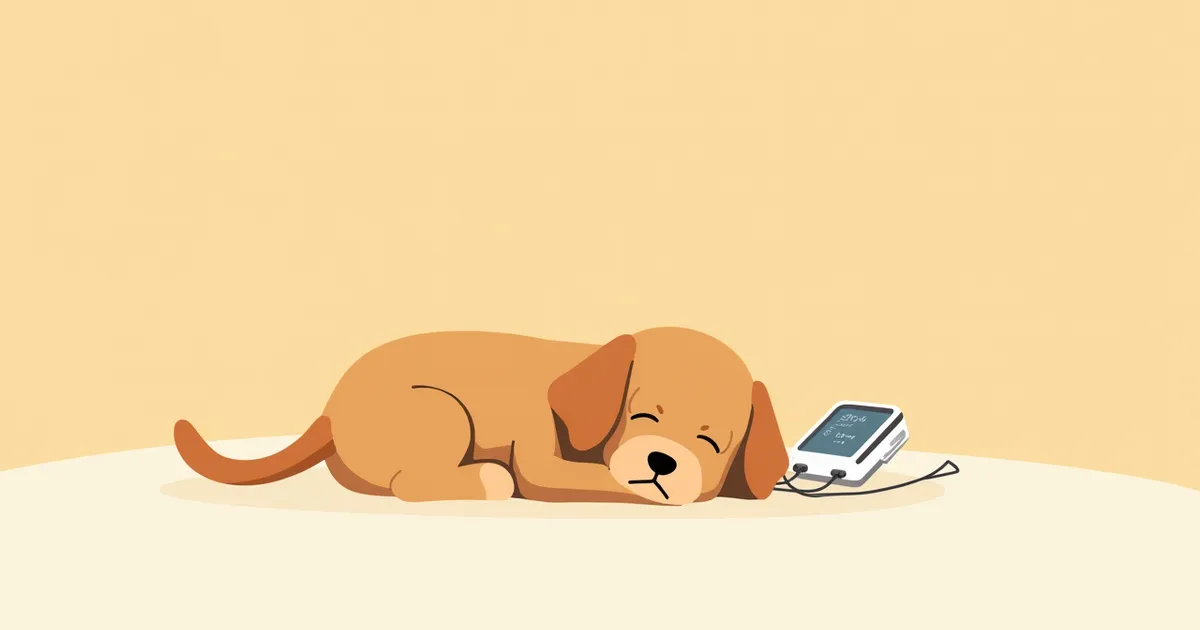
A puppy suffering from aspirated airway foreign body
Aspiration of foreign objects into a puppy’s airway is an emergency in which a small object enters the airway and obstructs airflow. Plant-based materials such as grass seeds, turf, and leaves are particularly common culprits. These objects can enter through the mouth or nose, and depending on the extent of aspiration, may cause symptoms such as coughing and difficulty breathing. If the foreign object completely blocks the airway, immediate veterinary intervention is required. - Airway foreign body aspiration: This condition restricts airflow, leading to difficulty breathing, and can be life-threatening in severe cases. - Emergency response: Seek immediate veterinary care if your dog exhibits persistent coughing, labored breathing, bluish discoloration of the mouth, or collapse. - Prevention tips: Keep small objects out of reach in your home and play areas, and only provide toys that are large enough to prevent accidental ingestion or aspiration.

The Main Causes of Foreign Body Aspiration are Curiosity and Environmental Factors

The primary cause of foreign body aspiration in dogs is their exploratory behavior of putting objects in their mouths, particularly plant-based materials or small items. Grass seeds, clumps of grass, leaves, bone fragments, and toy pieces can enter the trachea during inhalation. Foreign bodies typically enter during the act of breathing in, with a higher likelihood of occurrence in outdoor environments such as playgrounds or gardens. Additionally, puppies and highly curious dogs with a strong tendency to put anything in their mouths are at greater risk of aspirating or swallowing foreign objects. - Curiosity-driven behavior: Dogs often explore their surroundings by putting small objects in their mouths. - Environmental hazards: Small items left in gardens, playgrounds, or corners of the home can potentially enter the airway. - Prevention strategies: Provide only appropriately sized toys and clean up the play area afterward to minimize risks.
A scene of a puppy picking up a small foreign object from the grass.

Main Symptoms Include Sudden Coughing and Labored Breathing

The most common signs of a dog inhaling a foreign object into its airway include sudden coughing, labored breathing, and attempts to breathe while scratching at the mouth or trembling the jaw. In severe cases, the mouth may turn blue, or the dog may collapse. Because a foreign object can partially or completely obstruct the airway, leading to impaired respiratory function, it is essential to seek veterinary care promptly if symptoms persist or worsen. - Coughing reflex: Sudden, repetitive coughing may indicate that a foreign object has entered the airway. - Difficulty breathing: Rapid or panting breaths can signal inadequate oxygen supply. - Acute symptoms: If the mouth turns blue or the dog collapses, immediate veterinary attention is required. Owners should seek emergency care as soon as these signs appear.
Medical term for a dog suffering from an airway obstruction

Immediate Veterinary Visit is Necessary if Coughing Persists or Breathing Becomes Labored

If your dog experiences sudden, persistent coughing lasting more than a minute, develops blue-tinged mouth, or collapses, seek veterinary care immediately. These symptoms may indicate a severe airway obstruction or inadequate oxygen supply, making prompt diagnosis and intervention critical.

Diagnosis is Confirmed via X-ray, Endoscopy, and Airway Contrast Study

Diagnosing foreign body aspiration in dogs typically begins with a chest X-ray. Radiopaque objects like stones, toy fragments, or teeth are relatively easy to spot on an X-ray, but radiolucent plant material like grass seeds may not show up clearly because X-rays pass right through them. In such cases, a bronchoscopy is performed to directly visualize the inside of the airways for an accurate diagnosis. Bronchoscopy is the most reliable method because it allows us to see the foreign body’s location and condition with our own eyes. Based on these findings, the veterinarian will develop a treatment plan. - X-ray examination: A basic diagnostic tool used to identify radiopaque foreign bodies like stones or teeth. - Bronchoscopy: The most accurate method, as it allows direct visualization of the airway interior. - Caution with plant material: For foreign bodies like grass seeds that are difficult to see on X-rays, bronchoscopy is helpful for confirmation.
A veterinarian using an endoscope to identify a foreign object in the airway

Treatment Focuses on Foreign Object Removal and Respiratory Support

Treatment focuses first on removing the foreign object from the airway. This is typically done using a bronchoscope to directly extract the object. Plant-based foreign objects, such as grass awns, are particularly problematic because they fragment easily and have barbed structures that can embed in the airway lining, often requiring multiple attempts for complete removal. After the object is removed, antibiotics are administered to prevent infection, and oxygen therapy may be provided to stabilize breathing if respiratory distress is present. Veterinarians usually recommend hospital observation for a period of time, depending on the patient’s condition. - Foreign object removal: The standard approach is to remove the object from the airway using a bronchoscope. - Multiple attempts may be needed: Plant-based objects can break apart, making complete removal in one attempt difficult. - Infection prevention: Antibiotics are given to prevent complications such as pneumonia.
A veterinarian removing a foreign object from the airway using an endoscope.

Home Management Requires Monitoring Breathing Status and Environmental Cleanup

After treatment, closely monitor your puppy’s breathing at home for at least 24 hours. If coughing recurs or breathing becomes labored, seek veterinary care immediately. It’s also important to remove small objects from your home and play areas, and only provide large toys to prevent accidental ingestion or inhalation of foreign bodies. - Breathing Monitoring: Regularly check for coughing, panting, or bluish discoloration of the mouth. - Environmental Check: Routinely inspect your home and play areas for small objects that could pose a risk. - Preventive Care: Offer only large toys, and tidy up the surroundings after playtime.
A tidy indoor space where your puppy can play safely

Specific Breeds Have a Higher Risk of Airway Foreign Body Aspiration

Airway foreign body aspiration is influenced more by the nature of the foreign object, the route of aspiration, and the structure of the airways than by specific dog breeds. Plant-based materials, such as grass seeds, can easily lodge in the airways and may cause coughing or difficulty breathing after inhalation. It’s important for pet owners to closely monitor their dog’s exploratory behaviors and environmental factors. Regular check-ups and environmental assessments can help reduce the risk.

Reviewed by a veterinarian

Dr. Tony — Punnawat Phongkittirak

Dr. Tony — Punnawat Phongkittirak

Veterinarian

A veterinarian who majored in veterinary medicine at Khon Kaen University, Thailand, and completed the IVSA program at North Carolina State University in the United States. Drawing on clinical experience at animal hospitals, he works in the pet healthcare field and is dedicated to building a digital care environment that connects pet parents with veterinarians.

Frequently Asked Questions

If my dog is only coughing, could it be due to inhaling a foreign object into the airway?
Yes, sudden coughing can be an early sign of airway foreign body aspiration. If the coughing is persistent or recurring, it may indicate the presence of a foreign object, so it's best to have your pet examined by a veterinarian.
What emergency measures can you take at home if a foreign object has entered your pet's airway?
If your dog is struggling to breathe or its mouth turns blue, take it to the vet immediately. There are no safe emergency measures you can perform at home; professional veterinary intervention is essential.
Can aspiration of foreign objects into the airways occur again after a coughing episode?
If a foreign object remains in the airway or if there is any damage to the airway, the condition can recur. Even after treatment, it’s important to closely monitor your pet’s breathing and ensure their environment is safe.
How long does it take to recover after inhaling a foreign object into the airway?
The recovery period can vary depending on the nature and location of the foreign body, the treatment method used, and the patient's overall condition. Typically, you'll need to follow your veterinarian's instructions for a period of observation and medication. Full recovery may take anywhere from several days to several weeks.
What should I pay attention to in order to prevent it?
It’s important to remove small toys, grass seeds, clumps of grass, bone fragments, and similar items from your home and play areas, and to prevent your dog from eating too quickly. Be mindful of plant-based foreign objects, and keep an eye on your dog’s tendency to pick things up and put them in their mouth while playing.

Share

Related Guides

References

[1] Notes on Canine Internal Medicine, 4th Ed. (2023). Chapter 8: Respiratory System Disorders.

[2] Advanced Monitoring for Small Animal Emergency and Critical Care, 2nd Ed. (2020). Section on Airway Foreign Body Management.

[3] American Veterinary Medical Association (AVMA). (2022). Guidelines for Emergency Management of Airway Obstruction in Dogs.

This information is based on veterinary literature and does not replace diagnosis or treatment. Please consult a veterinarian for specific health concerns.

Metapet Co., Ltd. | CEO: Park Sung-yong | Business Reg. No. 417-88-02562 | Seoul, South Korea | Customer Center

Foreign Body Aspiration in a Dog's Airway: Emergency Guide | Meongsiljang