Like
Share
멍실장
고양이 실내 환경 벼룩 제거 증상과 원인, 진단·치료와 관리 포인트 총정리

Complete Guide to Symptoms, Causes, Diagnosis, Treatment, and Management of Flea Elimination in Indoor Cat Environments

Infection/ParasitesDiseasesMeongsiljang Veterinary Advisory Board

Eliminating fleas from an indoor cat environment hinges on disrupting their life cycle and removing larvae and pupae from the surroundings. Effective management requires more than just treating the cat; it also involves thoroughly cleaning the entire indoor space.

Managing the Flea Life Cycle is Key to Eliminating Fleas from Indoor Cat Environments
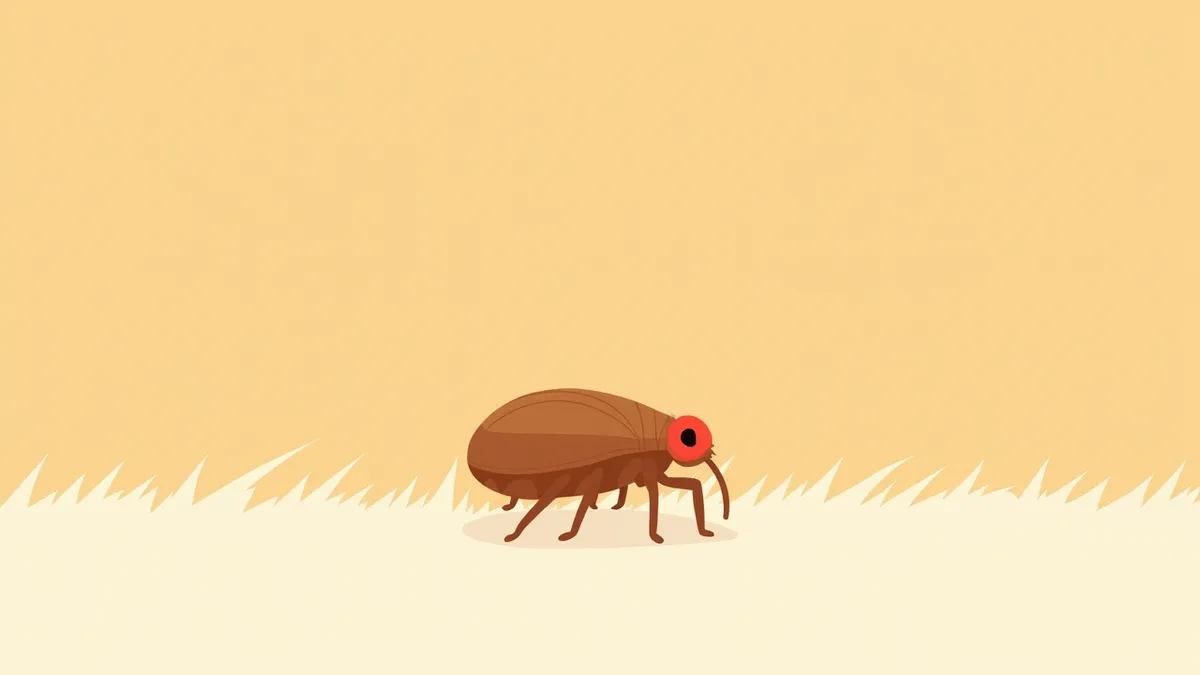
A close-up shot of a flea clinging to a cat's fur
To fully eliminate fleas from your cat’s indoor environment, you must target not only adult fleas but also the larvae and pupae present in the surroundings. - Flea Life Cycle: Adult fleas lay an average of 38.4 eggs per day. Most of these eggs fall off the host’s fur within 8 hours and begin developing in the environment. The average lifespan of fleas on the host is 7.8 days, and cats can remove up to 17.6% of the fleas on their bodies daily through grooming. - Environmental Breeding Conditions: The optimal conditions for flea development are approximately 27°C and a humidity level of 53% or higher. When indoor conditions fall within this range, flea survival and development are accelerated. - Removing Larvae and Pupae: Eliminating larvae and pupae hidden in carpets, sofa crevices, under beds, and similar areas is key to preventing reinfestation. - Comprehensive Elimination Strategy: Combining treatment for your cat with thorough indoor cleaning is essential for effective flea removal. - Ongoing Management: Short-term treatment alone is insufficient, as reinfestation occurs easily. Consistent management for at least six months is necessary.

Causes of Indoor Flea Infestations Depend on Environmental Conditions and Contact Routes
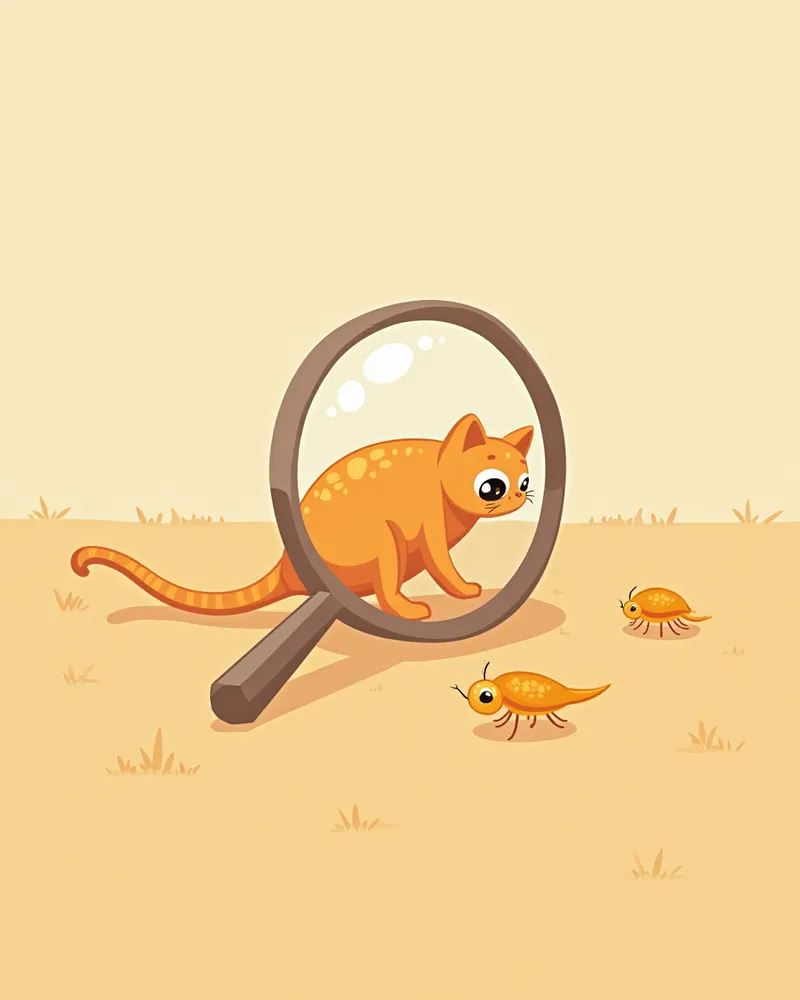
Most failures in eliminating fleas from indoor cat environments stem from inadequate environmental management. Fleas can recur through larvae and pupae hidden in indoor areas such as pet hair, carpets, sofa crevices, and under beds. In particular, flea survival and reproduction are promoted in conditions with humidity above 53% and temperatures around 27°C. Important transmission routes include cats brought in from outside, contact with other animals, or fleas carried on owners’ clothing or shoes. Because the indoor environment can become a breeding ground for fleas, treating only the cat has limited effectiveness.
Flea larvae and pupae found in carpets, viewed under a microscope

Main Symptoms of Flea Infestation in Cats Include Skin Reactions and Behavioral Changes
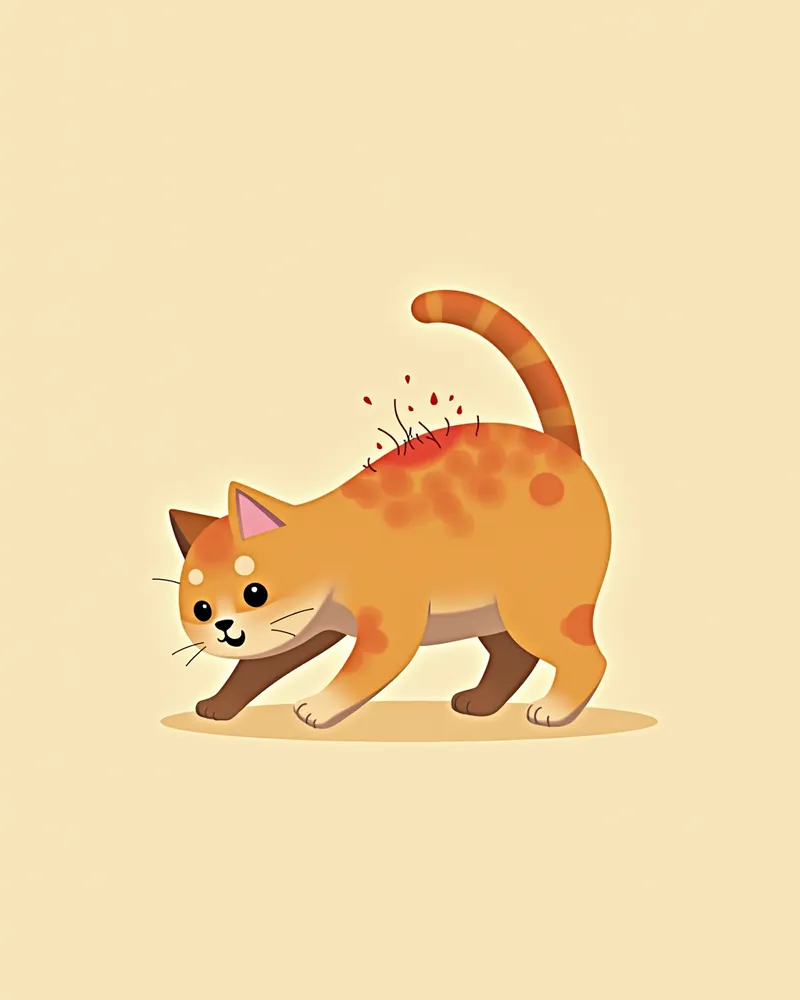
The most common signs of flea infestation in cats are itching and excessive licking or scratching. Flea bites cause skin inflammation, leading to red spots, flaking, and hair loss. Some cats develop flea allergy dermatitis, resulting in severe itching. Additionally, systemic symptoms such as restlessness, rapid movements, decreased appetite, and weight loss may occur. Because fleas feed on blood, prolonged infestation can lead to anemia, which is especially dangerous in kittens or weakened cats.
A cat vigorously scratching its hind leg

Symptoms Requiring Immediate Veterinary Visit

If your cat’s skin is peeling, bleeding, or if they’ve completely lost their appetite due to severe itching, consult a veterinarian immediately. Severe flea infestations can lead to anemia, which can be life-threatening in kittens, senior cats, or those already weakened; seek emergency care if you notice pale skin, lethargy, or difficulty breathing. Additionally, heavy flea burdens can result in secondary tapeworm infections, so a veterinary visit is essential if gastrointestinal symptoms persist.

Diagnosis is Performed Through Visual Inspection and Skin Examination
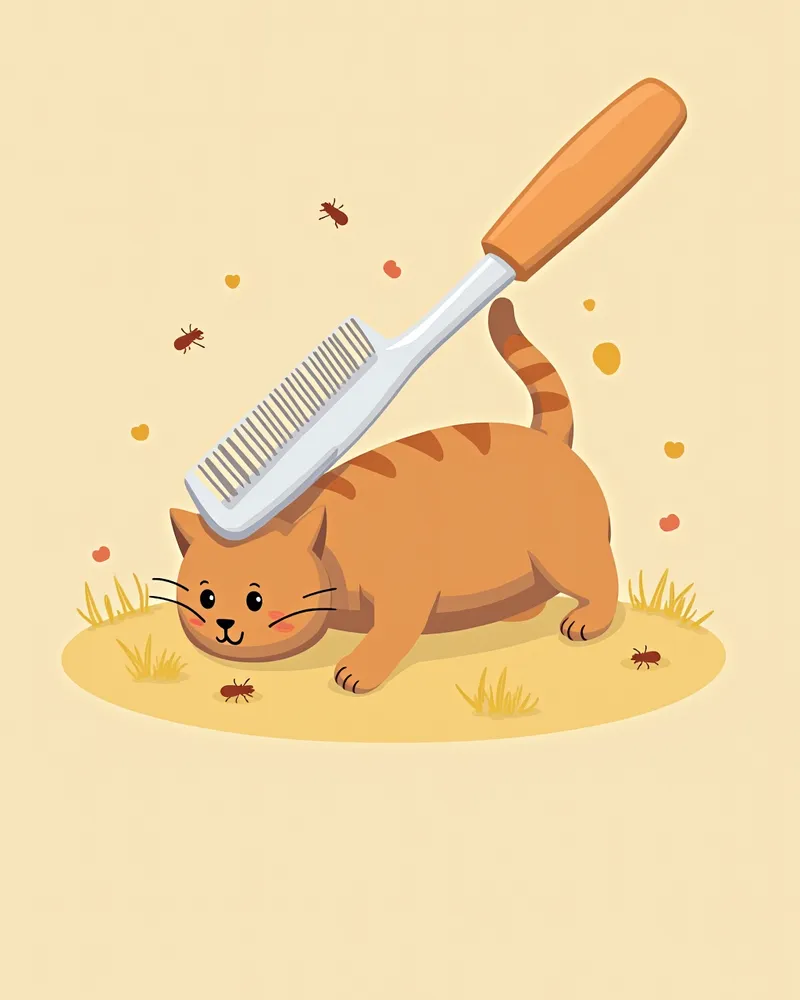
Diagnosing flea infestations in indoor cats primarily involves visual inspection and skin examination. Veterinarians part the cat’s fur to directly spot fleas or flea eggs, or use a specialized comb to collect fleas from the coat. Finding flea eggs or larvae on the skin confirms the diagnosis. In severe cases, blood tests are performed to check for anemia and assess for allergic reactions. The diagnostic process focuses not only on confirming the presence of fleas on the cat but also on evaluating the extent of the infestation and identifying any complications.
A veterinarian combing fleas out of a cat's fur

Treatment Requires a Step-by-Step Approach to Manage Both the Cat and the Environment
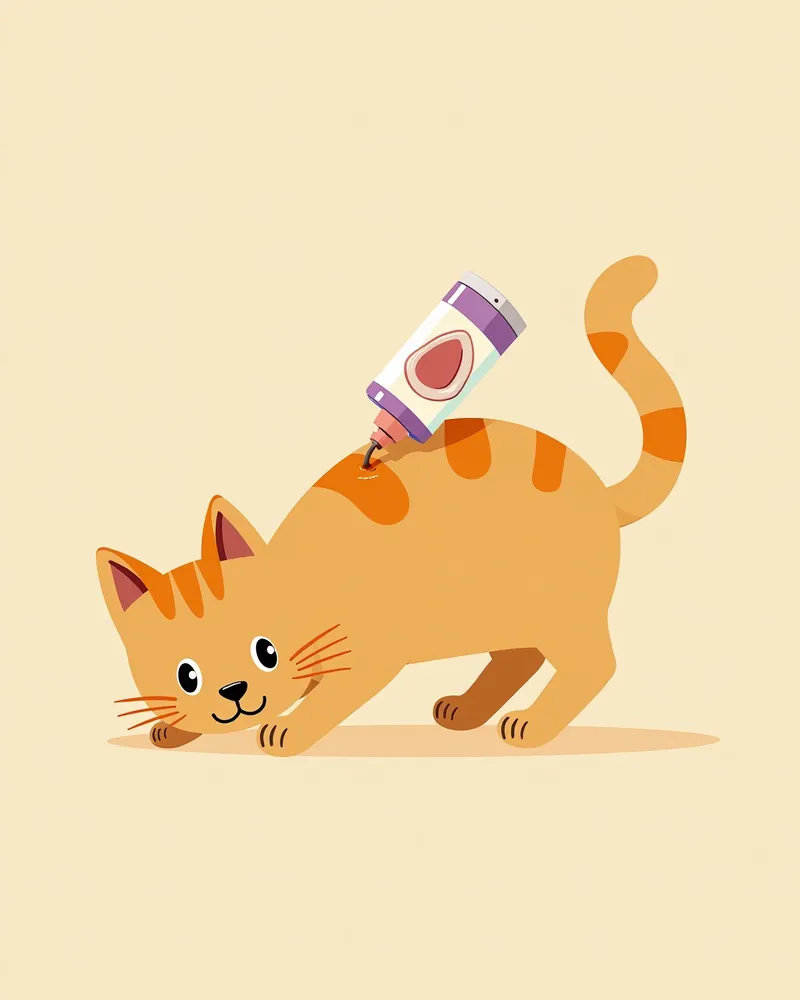
Effectively eliminating fleas from an indoor cat environment requires a step-by-step approach. The first step is applying a flea preventive to your cat, and the second is thoroughly cleaning the indoor environment. Flea preventives come in spray, collar, and gel forms, and you should use products recommended by your veterinarian. The third step involves deep vacuuming carpets, sofas, and beds, followed by wiping them down with detergent. The fourth step is applying environmental flea insecticides. This process must be repeated for at least six months to achieve complete elimination. Because adult fleas reproduce rapidly, consistent treatment is essential.
A veterinarian applying flea prevention medication to a cat's back

Home Care is Essential for Preventing Flea Recurrence

Even after eliminating fleas from your cat’s indoor environment, consistent follow-up care is essential. Brush your cat weekly to remove any fleas or eggs, and regularly apply a flea preventive product that doesn’t require frequent bathing. Vacuum your home every week, and wash carpets and sofas in water heated to at least 60°C (140°F). Wash your cat’s bedding every three days, and continue using environmental insecticides for at least six months. Additionally, minimize contact with other animals, and make it a habit to immediately wash your clothes after coming indoors from outside.
A clean indoor environment maintained with a vacuum cleaner

Breed-Specific Precautions and Tips for Preventing Recurrence

Certain breeds may be more sensitive to fleas. In particular, overweight or senior cats, as well as animals unable to groom themselves effectively, are at higher risk of infestation. Additionally, since some cats may resist regular brushing or experience allergic reactions to flea preventatives, it is essential to consult your veterinarian before use. To prevent recurrence, administer flea preventatives according to the schedule recommended by your veterinarian (such as monthly or every three months) and maintain a habit of cleaning your home environment weekly.

Reviewed by a veterinarian

Dr. Tony — Punnawat Phongkittirak

Dr. Tony — Punnawat Phongkittirak

Veterinarian

A veterinarian who majored in veterinary medicine at Khon Kaen University, Thailand, and completed the IVSA program at North Carolina State University in the United States. Drawing on clinical experience at animal hospitals, he works in the pet healthcare field and is dedicated to building a digital care environment that connects pet parents with veterinarians.

Frequently Asked Questions

What is the most effective method for removing fleas from cats?
Treating both your cat and the indoor environment simultaneously is the most effective approach. Use flea preventatives and thoroughly clean carpets, sofas, beds, and other furnishings. Consistent management for at least six months is essential.
How often should I use flea preventatives?
The recommended usage frequency varies by product. Some are intended for monthly use, while others can be used every three months. It is important to follow the schedule recommended by your veterinarian.
My cat had an allergic reaction to a flea preventative. What should I do?
Stop using the product immediately and consult your veterinarian. You may need to switch to a different product or consider alternative treatments.
Can fleas be eliminated with indoor cleaning alone?
While thorough indoor cleaning is essential, it must be combined with the use of flea preventatives on your cat to achieve complete eradication. Both environmental treatment and direct treatment of the animal are necessary.
What should I do if my cat keeps scratching even though there are no fleas?
If the itching persists, it could be due to allergies, dermatitis, stress, or other underlying causes. Please consult your veterinarian for further evaluation.

Share

Related Guides

References

[1] BSAVA Manual of Canine and Feline Dermatology, 4th Ed, 2003

[2] Thiemann T, Fielden LJ, Kelrick MI. Water uptake in the cat flea Ctenocephalides felis. Journal of Insect Physiology, 2003

[3] Shaw SE, Kenny MJ, Tasker S et al. Pathogen carriage by the cat flea Ctenocephalides felis in the United Kingdom. Veterinary Microbiology, 2004

This information is based on veterinary literature and does not replace diagnosis or treatment. Please consult a veterinarian for specific health concerns.

Metapet Co., Ltd. | CEO: Park Sung-yong | Business Reg. No. 417-88-02562 | Seoul, South Korea | Customer Center

Eliminating Fleas in Indoor Cat Environments: Guide | Meongsiljang