Like
Share
멍실장
고양이 요관 우회술(SUB) 증상과 원인, 진단·치료와 관리 포인트 총정리

Feline Ureteral Bypass Surgery (SUB): Symptoms, Causes, Diagnosis, Treatment, and Care Points Summary

UrinaryDiseasesMeongsiljang Veterinary Advisory Board

Feline ureteral bypass surgery (SUB) is a procedure that temporarily reroutes the urinary tract to protect the kidneys when the ureter is blocked. This surgery is a vital, life-saving treatment in emergency situations.

What is Feline Ureteral Bypass Surgery (SUB)?
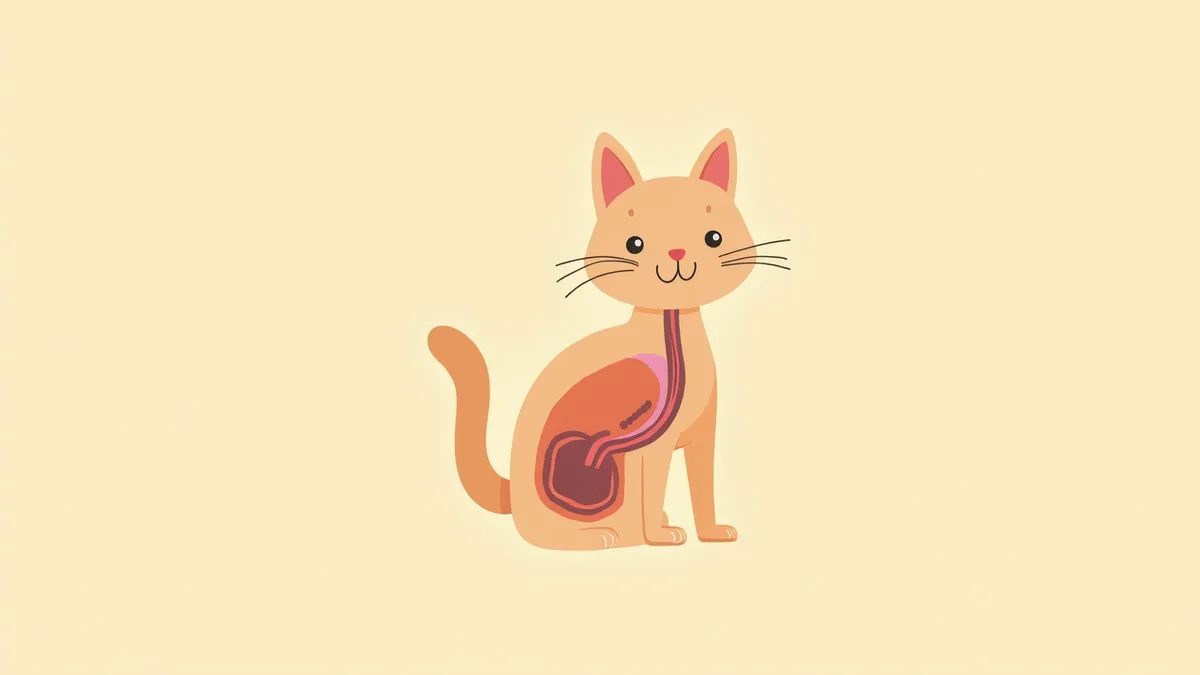
An anatomical diagram showing the feline urinary tract and the arrangement of the SUB device
Ureteral bypass surgery (SUB) is a procedure that creates an alternative route for urine to flow directly from the kidneys to the bladder, bypassing a blocked ureter to prevent kidney damage. This surgery is a crucial treatment for preventing renal injury caused by ureteral obstruction. Under general anesthesia, tubes connected to the kidneys and the bladder are linked to a port placed beneath the skin, establishing a new pathway for urine to reach the bladder without passing through the obstructed ureter. The port, located under the skin and palpable from the outside, is used to check for blockages or to flush the system. Post-surgery, the cat is monitored in the hospital for a period to protect kidney function and prevent infections and complications. The duration the device remains in place is determined by the veterinarian based on the patient’s condition and risk of recurrence, requiring regular veterinary visits and check-ups. Since urinary obstruction can be an emergency, early diagnosis and treatment are essential. Ureteral Bypass Surgery (SUB): A procedure that diverts urine from the kidneys to the bladder around a blocked ureter to prevent kidney damage.

What are the main causes of ureteral bypass surgery?
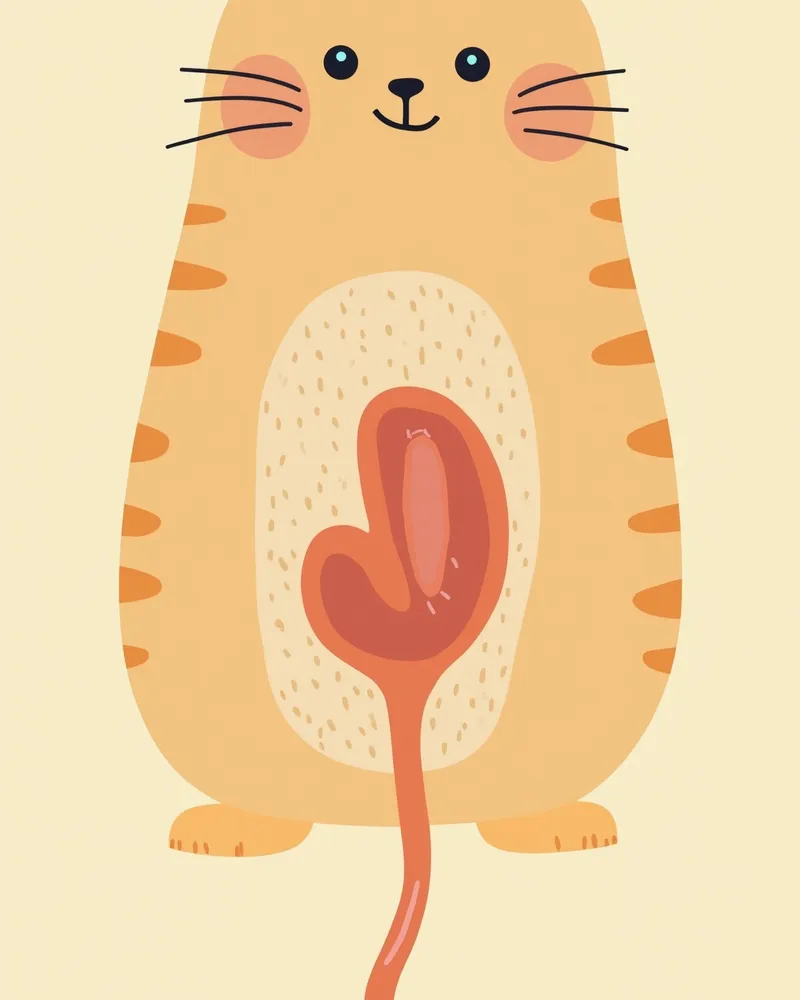
The primary reason a cat may require ureteral bypass surgery is ureteral obstruction. Common causes include ureteral stones (uroliths), blood clots, ureteral strictures (narrowing), tumors, and external compression, all of which can increase pressure on the kidneys and lead to impaired function. Because a cat’s normal, unobstructed ureter is extremely narrow—approximately 0.4 mm in diameter—ureteral obstruction occurs relatively frequently. It is also important to distinguish ureteral obstruction from urethral obstruction; the latter is more common in male cats due to their longer, narrower urethras. These conditions can cause rapid deterioration of kidney function, so immediate veterinary care is essential. Early diagnosis and treatment are critical, as this can be a life-threatening emergency. - Ureteral stones (uroliths): A common cause of ureteral blockage, with calcium oxalate stones being increasingly identified in cats. - Blood clots and strictures: Clotted blood or ureteral strictures can narrow or completely block the ureter. - Tumors and external compression: Tumors within the ureter or pressure from surrounding structures can cause obstruction.
An anatomical illustration showing a stone obstructing a cat's ureter.

What are the main symptoms of ureteral bypass surgery?

A urinary bypass surgery for cats is necessary when symptoms such as severe pain and urinary obstruction occur. The main symptoms include painful reactions during urination, frequent attempts to urinate with little or no urine output, vomiting, lethargy, and abdominal pain. Cats may frequently visit the litter box but fail to urinate, and in severe cases, they can go into shock. These symptoms require an immediate visit to the vet before kidney function deteriorates rapidly.
A cat in distress, unable to urinate in the litter box

Symptoms requiring immediate veterinary visit

If your cat is unable to urinate, straining without producing urine, or showing signs of pain during urination, seek veterinary care immediately. Urinary tract obstruction is a life-threatening emergency and the most common cause of acute kidney injury in cats. Once kidney function is compromised, recovery can be difficult, so prompt diagnosis and treatment planning by a veterinarian are essential.

How is diagnosis performed?
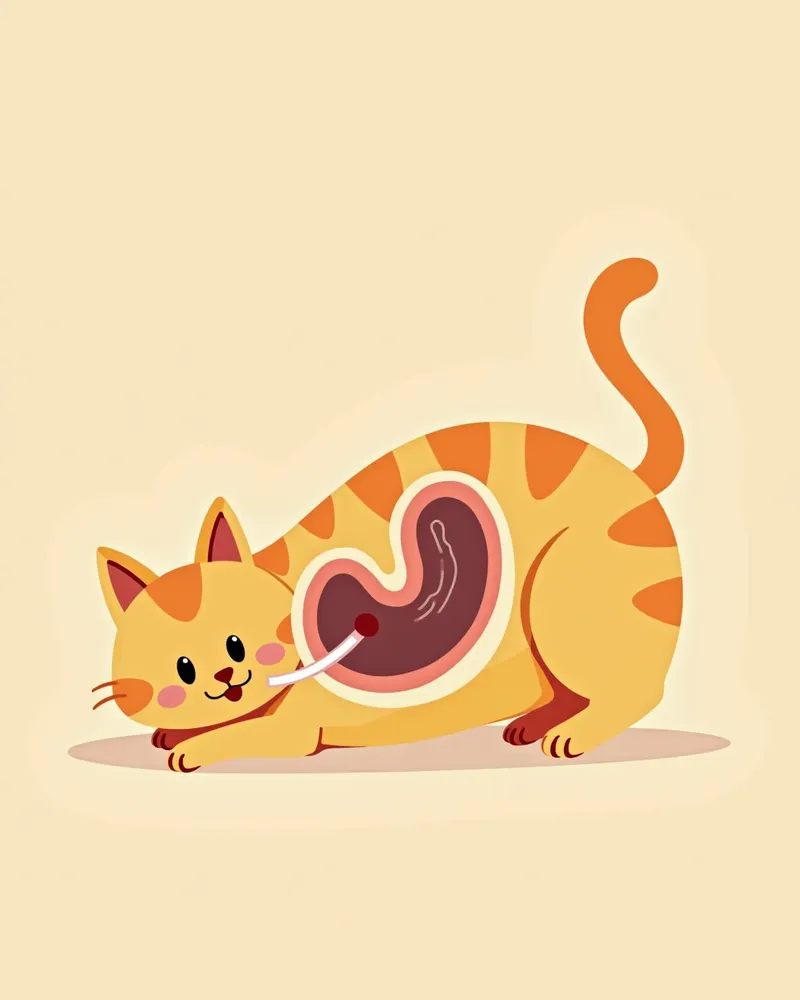
Diagnosing ureteral obstruction in cats involves a combination of tests. First, an ultrasound is used to check for dilation of the ureter and swelling or dilation of the kidneys (renal pelvis). Dilation of the renal pelvis and ureter caused by obstructive stones helps confirm ureteral blockage. However, if the cause is stricture or hardened blood clots, the underlying issue may not be clearly visible on ultrasound. Blood tests assess kidney function, while urinalysis and urine culture identify signs of infection or stones. If needed, X-rays are also performed to determine the cause and location of the blockage. These comprehensive tests allow for a thorough pre-surgical evaluation. - Ultrasound: The key diagnostic tool for detecting ureteral dilation and renal pelvic dilation or swelling. - Blood tests: Evaluate kidney function using creatinine and BUN levels. - Urinalysis and culture: Check for infection and signs of stones, and assess antibiotic sensitivity when necessary.
During an abdominal ultrasound of a cat, the condition of the kidneys and ureters is checked for signs of dilation.

Treatment methods and surgical procedure
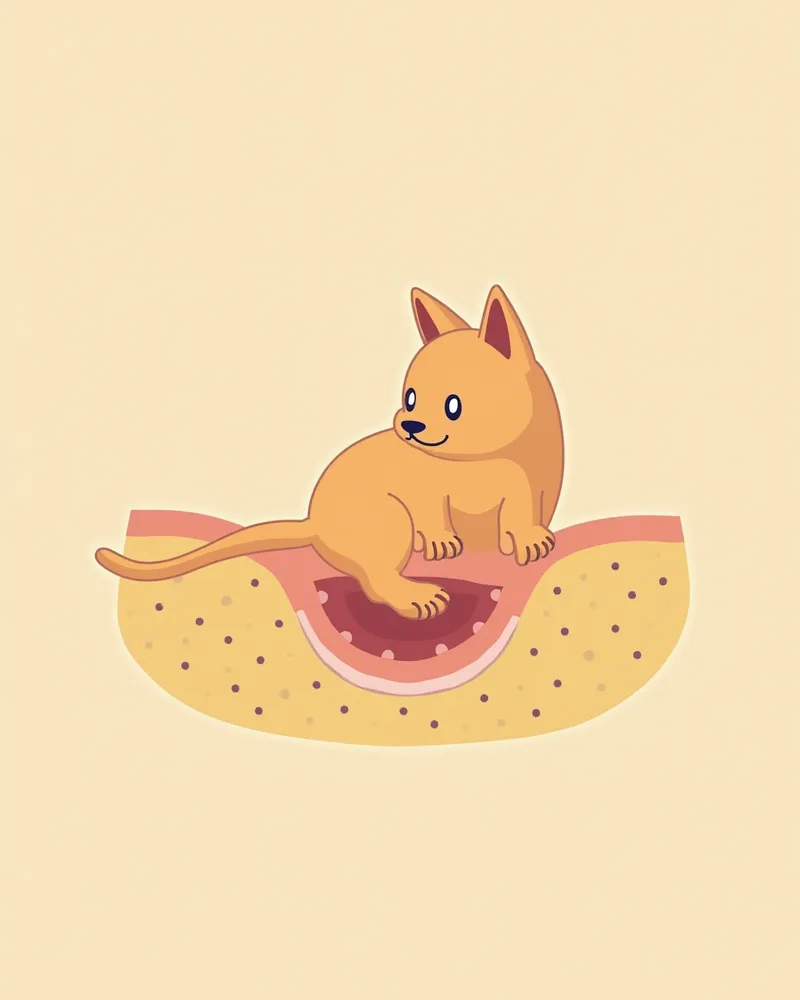
Ureteral bypass surgery is performed under general anesthesia and involves inserting a specialized device that connects a tube attached to the kidney with a tube attached to the bladder through a port placed beneath the skin. This device allows urine to flow from the kidney to the bladder, bypassing the obstructed ureter. For safety, issues such as dehydration and hyperkalemia should be corrected before anesthesia. After surgery, the cat is monitored in the hospital for a period of time to check for infection and ensure the device is functioning properly. The recovery process and the duration the device remains in place vary depending on the patient’s condition, so management is guided by the veterinarian’s assessment.
A surgical scene showing the insertion of a SUB device under a cat's skin.

Home care points

Post-operative home care plays a crucial role in the success of your cat’s surgery. Check the surgical site daily for signs of infection, such as swelling, bleeding, or discharge. Prevent your cat from licking or scratching the area by using an Elizabethan collar or a recovery cage. Administer any prescribed antibiotics or pain medications exactly as directed by your veterinarian. Encourage increased water intake to maintain urine output, and clean the litter box daily. Regular veterinary check-ups are essential until the surgical site is fully healed, and it is important to contact your vet immediately if your cat refuses to eat for more than 24 hours after surgery. - Surgical Site Care: Daily inspection and hygiene are necessary to prevent infection. - Medication Administration: Ensure all prescribed medications are given as directed. - Hydration: Encourage frequent water intake by offering jelly-like water or moisture-rich food.
A cat wearing a collar to protect its SUB device

Breed-specific precautions and prevention of recurrence

Cats have very narrow ureters, with a normal, unobstructed diameter of approximately 0.4 mm, making ureteral obstruction relatively common. Rather than assuming that certain breeds inherently have narrower ureters, it is important to remember that the primary causes of blockage include ureteral stones, organized blood clots, strictures, tumors, and external compression. Because recurrence is possible even after surgery, you should work with your veterinarian to establish a long-term management plan. Dietary management, increased water intake, and regular check-ups are essential. Consistently following preventive measures to avoid recurrence is highly recommended.

Reviewed by a veterinarian

Dr. Tony — Punnawat Phongkittirak

Dr. Tony — Punnawat Phongkittirak

Veterinarian

A veterinarian who majored in veterinary medicine at Khon Kaen University, Thailand, and completed the IVSA program at North Carolina State University in the United States. Drawing on clinical experience at animal hospitals, he works in the pet healthcare field and is dedicated to building a digital care environment that connects pet parents with veterinarians.

Frequently Asked Questions

How long does a ureteral bypass surgery last?
The duration of device maintenance varies depending on the patient's recovery status and the risk of recurrence, and the veterinarian will determine the management direction after evaluating the condition. Since there are significant individual differences, it is difficult to specify a fixed period uniformly.
What should I do if my cat is unable to urinate after surgery?
You should visit the clinic immediately. There may be an obstruction or another issue, so a veterinarian needs to check your pet right away.
What happens if an infection develops after neutering surgery?
If the affected area becomes swollen or warm to the touch, it may indicate an infection. Seek veterinary care immediately for antibiotic treatment. Left untreated, this can lead to serious complications.
My cat isn’t eating after surgery. Is that normal?
It's common for pets to have a temporary loss of appetite after surgery. However, if your pet hasn't eaten for more than 24 hours, you should contact your veterinarian, as this could lead to dehydration or low blood sugar.
Can a ureteral blockage recur while the catheter is in place?
Yes, there is a possibility of recurrence. It’s important to maintain a controlled diet and ensure adequate hydration even after surgery, as well as to have regular check-ups.

Share

Related Guides

References

[1] Berent, A.C. (2011). Ureteral obstructions in dogs and cats: a review of traditional and new interventional diagnostic and therapeutic options. J. Vet. Emerg. Crit. Care, 21(3), 245–258.

[2] Kruger, J., Osborne, C., Goyal, S. et al. (1991). Clinical evaluation of cats with lower urinary tract disease. J. Am. Vet. Med. Assoc., 199(2), 211–216.

[3] Feline Emergency and Critical Care Medicine, 2nd Ed. (2011). Chapter on ureteral obstruction and surgical management. Elsevier Health Sciences.

This information is based on veterinary literature and does not replace diagnosis or treatment. Please consult a veterinarian for specific health concerns.

Metapet Co., Ltd. | CEO: Park Sung-yong | Business Reg. No. 417-88-02562 | Seoul, South Korea | Customer Center

Feline Ureteral Bypass (SUB): Symptoms, Causes, and Treatment | Meongsiljang