

If Your Cat Ingested Tylenol — Acetaminophen Poisoning Symptoms and Emergency Treatment
Cats have very little of the enzyme needed to break down acetaminophen (the active ingredient in Tylenol), so even a tiny amount can cause fatal poisoning. We’ve outlined emergency steps for symptoms such as gum discoloration, facial swelling, and difficulty breathing, as well as the treatment process at the veterinary clinic.
What Is Tylenol Poisoning in Cats?

Why Is It Especially Dangerous for Cats?
Checklist of Major Poisoning Symptoms
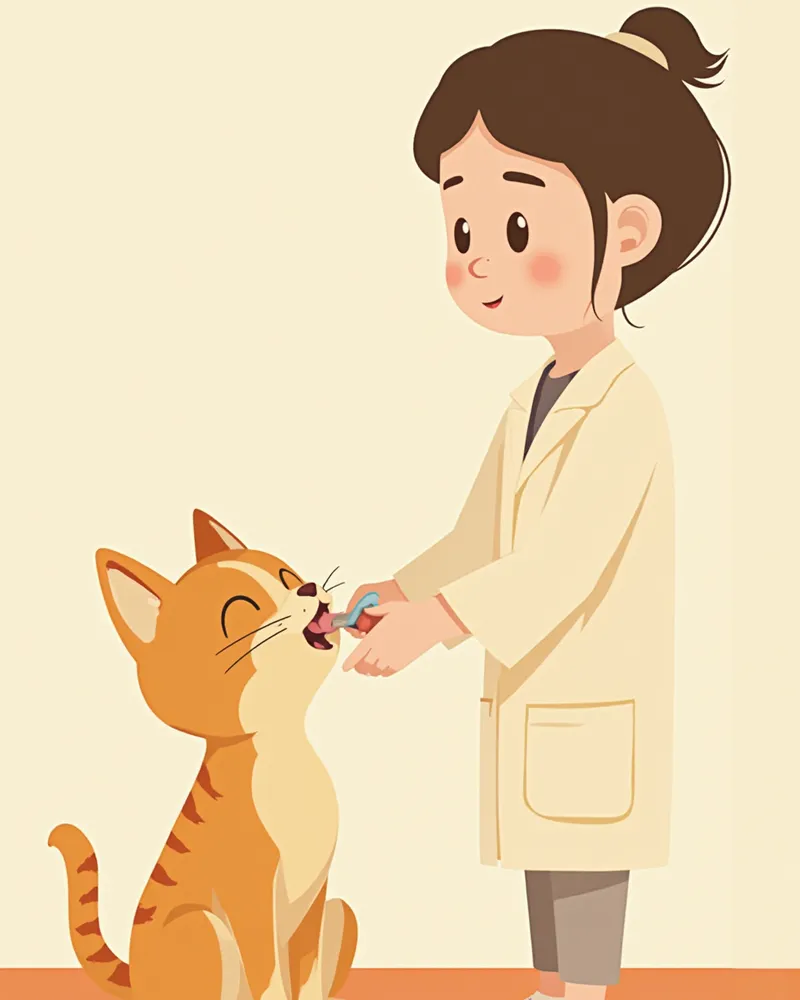
Go to the Emergency Clinic Immediately If You See These Symptoms
If you notice any of the following symptoms, take your pet to an emergency veterinary clinic immediately: - Gums have turned brown or bluish-gray - Severe swelling of the face or paws - Panting with mouth open and labored breathing - Lethargy, confusion, or unresponsiveness Acetaminophen (Tylenol) poisoning is a time-critical emergency. Do not force your pet to drink milk or water at home; seek immediate veterinary care.
Diagnostic Process at the Veterinary Clinic
How Is Treatment Conducted?

Prevention Is Most Important

Human Medications Dangerous Besides Tylenol
In addition to Tylenol, many over-the-counter human medications are fatal to cats. Anti-inflammatory pain relievers like ibuprofen and naproxen are extremely dangerous. Cold medicines often contain acetaminophen, making them equally hazardous. Never administer human over-the-counter drugs to your cat without a veterinarian’s guidance. The assumption that “it’s safe for humans, so it must be safe for cats” is the most dangerous mindset. Only a veterinarian can prescribe pain medication that is safe for cats.
Reviewed by a veterinarian

Dr. Tony — Punnawat Phongkittirak
VeterinarianA veterinarian who majored in veterinary medicine at Khon Kaen University, Thailand, and completed the IVSA program at North Carolina State University in the United States. Drawing on clinical experience at animal hospitals, he works in the pet healthcare field and is dedicated to building a digital care environment that connects pet parents with veterinarians.
Reviewed 2026-04-18
Frequently Asked Questions
Is it dangerous if my cat just licked Tylenol?
How long after ingestion do the symptoms of poisoning typically appear?
Is it safe to induce vomiting at home?
Can my pet make a full recovery with treatment?
Is children's Tylenol less dangerous for cats?
Share
Related Guides

Top 7 Short-Legged Dog Breeds

Primary vs. Secondary Veterinary Hospitals: A Comparison

5 Easy-to-Raise Cat Breeds for First-Time Owners — Grooming Difficulty Comparison

Chronic Recurrent Urinary Tract Infections in Dogs: Symptoms, Causes, Diagnosis, Treatment, and Management Essentials

A Complete Guide to Frequent and Urgent Urination in Dogs: Symptoms, Causes, Diagnosis, Treatment, and Management

Neurogenic Bladder in Dogs: Symptoms, Causes, Diagnosis, Treatment, and Management Essentials

Canine Hydronephrosis: Symptoms, Causes, Diagnosis, Treatment, and Management Essentials

Dog Stranguria: Symptoms, Causes, Diagnosis, Treatment, and Care Essentials

Cystine Urolithiasis in Dogs: Symptoms, Causes, Diagnosis, Treatment, and Management Essentials
Dog Bladder Ultrasound: Symptoms, Causes, Diagnosis, Treatment, and Management Essentials
References
[1] Peterson ME, Talcott PA. Blackwell's Five-Minute Veterinary Consult Clinical Companion: Small Animal Toxicology, 3rd Edition, Wiley-Blackwell
[2] Schaer M. Clinical Medicine of the Dog and Cat, 4th Edition, CRC Press
[3] Plumb DC. Plumb's Veterinary Drug Handbook, 10th Edition, Wiley-Blackwell
[4] Sumner JP, Rozanski EA. Feline Emergency and Critical Care Medicine, 2nd Edition, Wiley-Blackwell
[5] Court MH, Greenblatt DJ. Biochemical basis for deficient paracetamol glucuronidation in cats: an interspecies comparison of enzyme constraint in liver microsomes. Biochem Pharmacol. 1997;53(7):1041-1047