
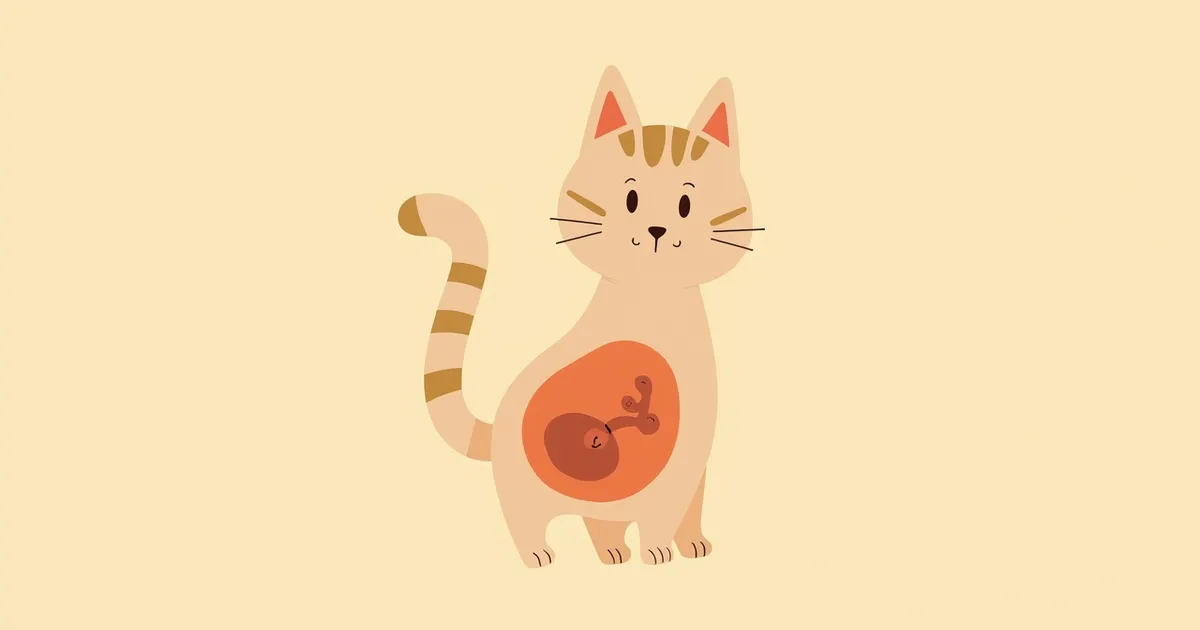
Feline Struvite Urinary Stones: Symptoms, Causes, Diagnosis, Treatment, and Management Essentials
Feline struvite stones are acidic urinary stones that can cause difficulty urinating and pain. Early diagnosis and proper management are key.
What Are Feline Struvite Urinary Stones?
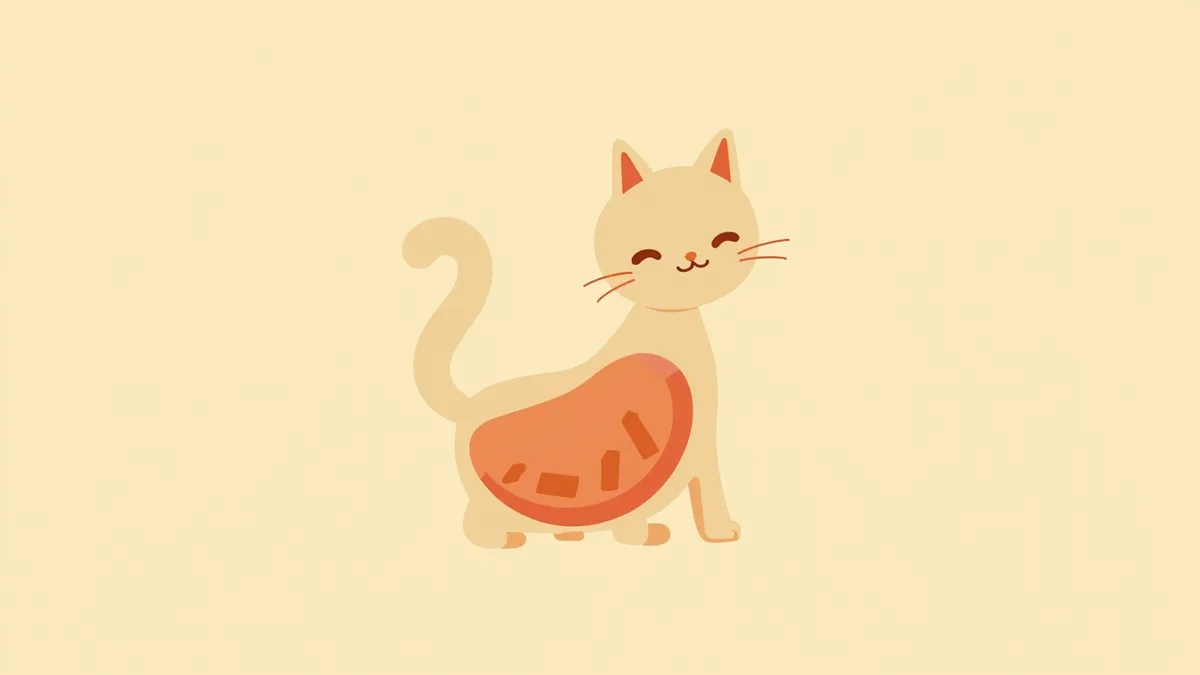
What Are the Main Causes of Struvite Urinary Stones?
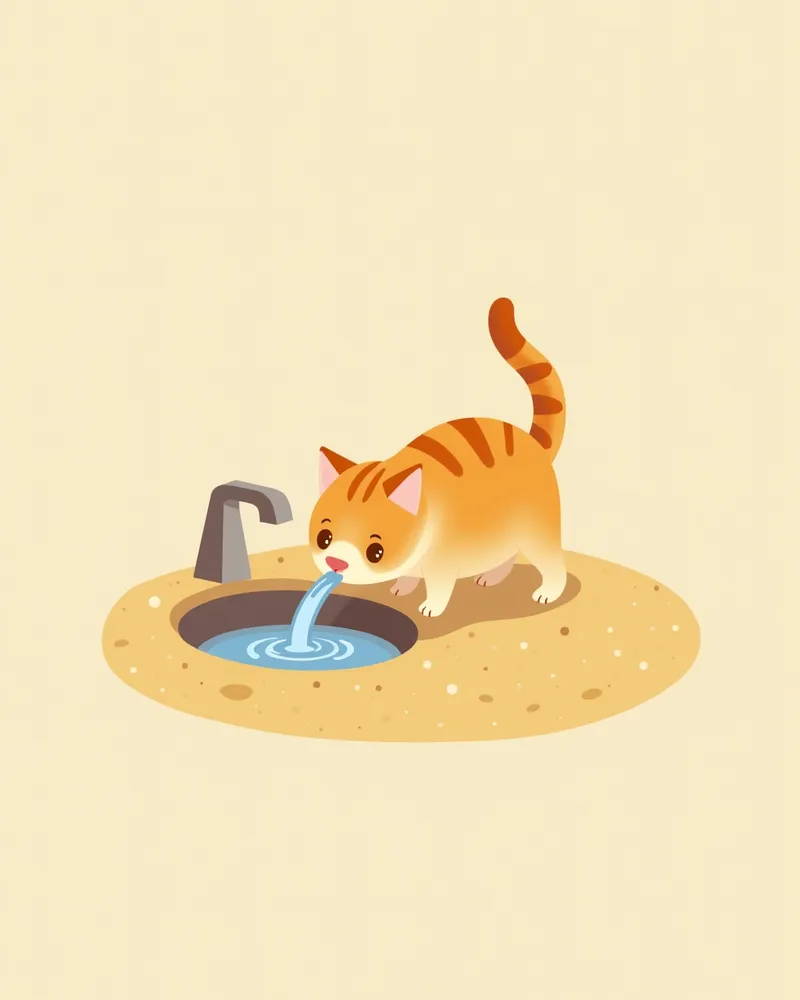
Check for Key Symptoms and Warning Signs
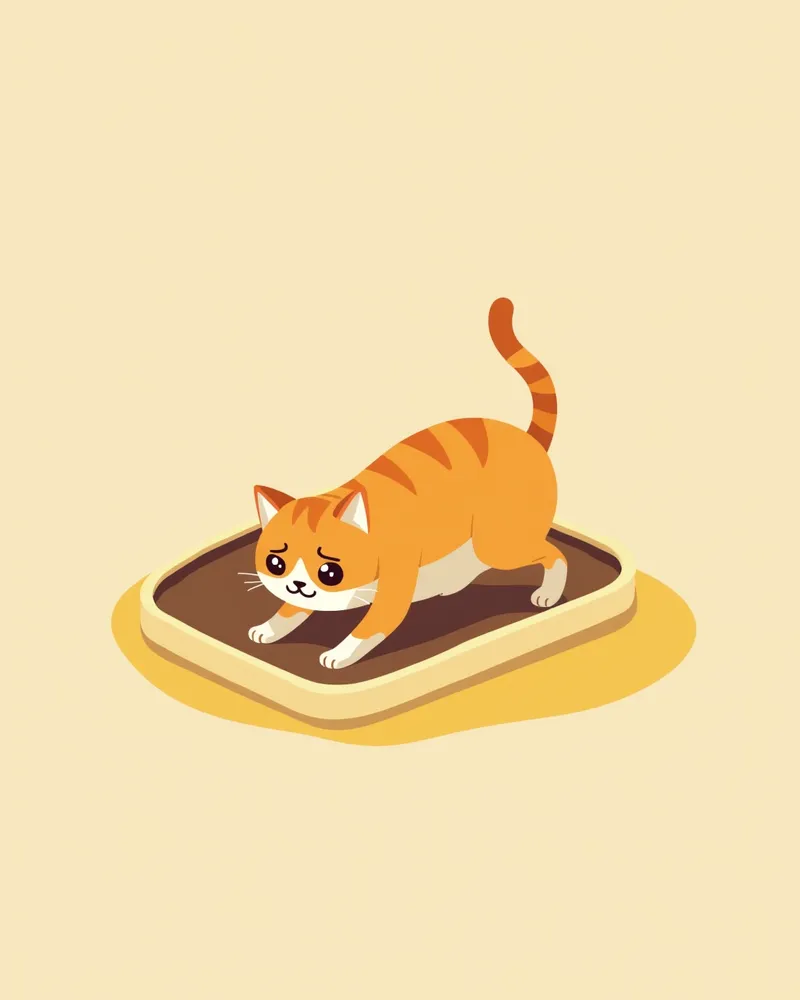
Emergency Situations Requiring Immediate Veterinary Care
If your cat is going to the litter box but unable to urinate at all, this could lead to a urinary tract obstruction. Male cats are at higher risk due to their narrower urethras, and they need to see a veterinarian within 24 hours.
Diagnostic Tests for Accurate Diagnosis
Treatment Approaches: Step-by-Step Strategy
Home Management and Care Points
Caution for Specific Breeds and Age Groups
Certain breeds, such as Himalayans, Ragdolls, Chartreux, and Oriental Shorthairs, are known to be more susceptible to struvite urinary stones. Additionally, these stones are more common in young cats under 7 years of age, with the risk tending to decrease after 6 to 8 years. Early management and prevention are essential.
Reviewed by a veterinarian

Dr. Tony — Punnawat Phongkittirak
VeterinarianA veterinarian who majored in veterinary medicine at Khon Kaen University, Thailand, and completed the IVSA program at North Carolina State University in the United States. Drawing on clinical experience at animal hospitals, he works in the pet healthcare field and is dedicated to building a digital care environment that connects pet parents with veterinarians.
Reviewed 2026-06-29
Frequently Asked Questions
Can struvite stones recur?
Can I perform a urine test at home?
Is it okay to feed only prescription diet food?
Will drinking plenty of water dissolve urinary stones?
Is there a difference in risk between male and female cats?
Share
Related Guides
Top 5 Prescription Diets for Feline FLUTD — Comparison by Struvite and Calcium Oxalate Stones
Top Recommended Diets for Preventing Canine Urinary Tract Stones and Key Selection Criteria
Top 7 Prescription Diets for Feline Bladder and Urinary Tract Health Recommended by Veterinarians — Including Selection Criteria
Growling When Toys Are Touched — Causes and Correction of Resource Guarding Behavior in Dogs
High Blood Pressure and Proteinuria in Dogs: Symptoms, Causes, Diagnosis, Treatment, and Management Essentials
Dog Calcium Oxalate Uroliths: Symptoms, Causes, Diagnosis, Treatment, and Management Essentials
Canine Amyloid Nephropathy: Symptoms, Causes, Diagnosis, Treatment, and Management Essentials
Feline Stress-Induced Cystitis: A Complete Guide to Symptoms, Causes, Diagnosis, Treatment, and Management
Feline Urethrostomy and Ureteral Transplant Surgery: Symptoms, Causes, Diagnosis, Treatment, and Key Management Points
Feline Hypertension and Proteinuria: Symptoms, Causes, Diagnosis, Treatment, and Management Essentials
References
[1] Osborne, C.A. et al. (2020) Urinalysis in the Dog and Cat. 2nd ed. Elsevier.
[2] Lulich, J.P. et al. (2019) Feline Lower Urinary Tract Disease: Pathophysiology and Management. Journal of Feline Medicine and Surgery.
[3] Plumb's Veterinary Drug Handbook (9th ed.). (2023) Wiley-Blackwell.