Like
Share
멍실장
강아지 사냥 본능 과도 발현 증상과 원인, 진단·치료와 관리 포인트 총정리

Our Dog’s Sudden Chasing and Biting Instinct — Causes, Management, and Correction Points for Hunting Instinct

Brain & CognitionDiseasesMeongsiljang Veterinary Advisory Board

We’ve compiled a comprehensive, veterinary behavior-based guide covering the symptoms, causes, diagnostic and treatment approaches, and key home-care tips for when a dog’s hunting instinct becomes uncontrollable. If you’re the guardian of a breed with a high prey drive, be sure to check this out.

What Is Excessive Expression of a Dog’s Hunting Instinct?
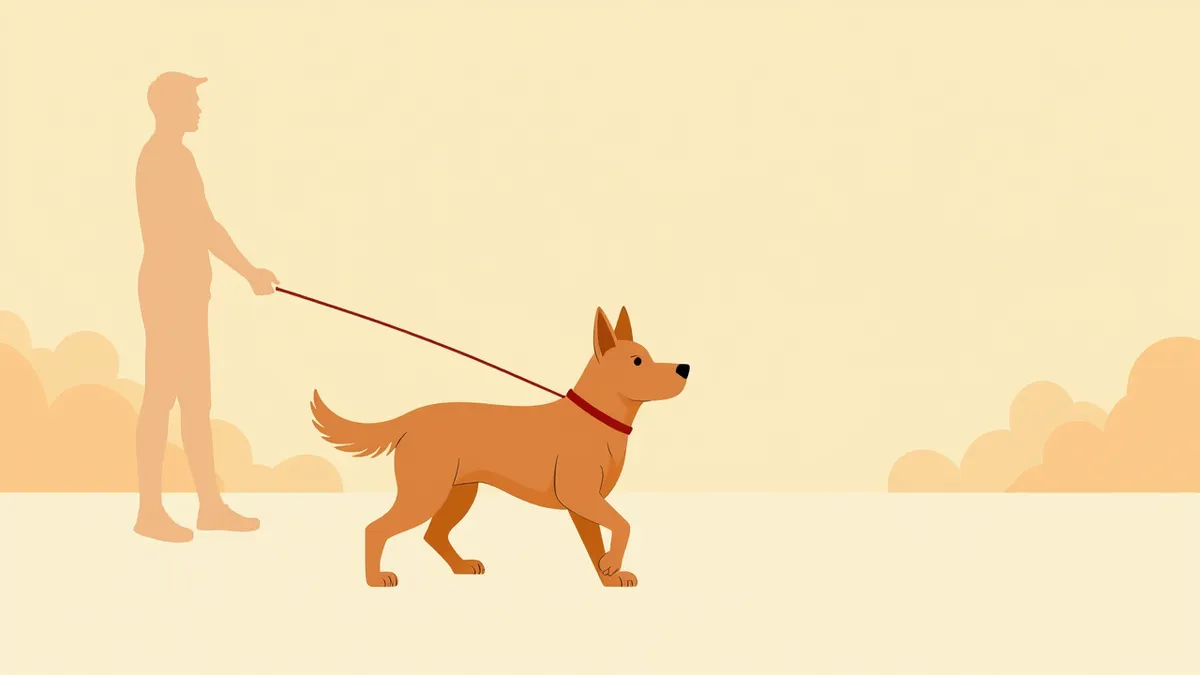
A dog gazing into the distance while pulling on its leash, accompanied by its owner.
Excessive expression of a dog’s hunting instinct refers to predatory behaviors—such as chasing and capturing prey—that manifest in daily life to a degree that is difficult to control. It is crucial to understand that this is not merely a bad habit. Predatory behavior is an innate instinct present in all dogs, but when its intensity is too high or is directed toward people, children, or small animals, it can create serious safety concerns. This behavior often emerges suddenly without warning or threat signals, and once the dog becomes excited, its heightened arousal makes it extremely difficult to redirect its attention. Because it is an instinctual drive, it cannot be completely eliminated through training alone, and treatment outcomes can be inconsistent; therefore, the primary recommendation focuses on management for safety. If you notice such abnormal behaviors, it is advisable to seek a professional evaluation promptly and begin implementing safety measures.

Why Does the Hunting Instinct Become Overexpressed?

Several factors can contribute to an overexpression of hunting instincts.
Genetics and Breed Traits: Breeds selectively developed for hunting, tracking, or herding may exhibit stronger predatory and chasing tendencies. However, having a genetic predisposition does not guarantee these behaviors will manifest; environmental influences and learning also play significant roles.
Insufficient Socialization: If a puppy is not positively exposed to various stimuli—such as small animals, children, and bicycles—during the critical socialization period, it may develop exaggerated reactions as an adult dog.
Learned Reinforcement: The act of predation is inherently highly rewarding. If owners inadvertently allow repetitive chasing games, this can progressively strengthen predatory behaviors.

Checklist of Main Symptoms

Intense staring and rigidity: When the dog spots a moving target, its entire body tenses up as it locks onto and stares intensely at the object.
Explosive chasing: The dog may lunge toward bicycles, joggers, or small animals, closing the distance with such force that it seems ready to break free from its leash.
Attempts to capture and bite: The dog may exhibit behaviors such as catching and shaking small animals.
Difficulty calming down after excitement: Once aroused, the dog’s heightened state of alertness makes it hard to disengage, even after the triggering stimulus is gone.
Ignoring calls: In an excited state, it is very difficult to redirect the dog’s attention; it will barely respond to its owner’s voice or commands.
A close-up of a puppy with a tense expression, driven by intense predatory instincts.

Situations Requiring Immediate Veterinary Evaluation

If any of the following situations have occurred even once, an immediate evaluation by a veterinary behavior specialist is necessary: chasing or biting people or children, causing serious injury to another pet, exhibiting strength so great that the owner struggles to control the dog with a leash, or persistently threatening small pets inside the home. Before visiting the clinic, take safety precautions by using a muzzle and a double leash.

Diagnostic Methods — How Is It Assessed?

Diagnosis is made through a behavioral assessment and owner interview conducted by a veterinary behavior specialist.
Behavioral History: It’s important to document in detail when the behavior started, what triggers it, and how intense the reactions are. Video recordings can be very helpful for diagnosis.
Physical and Blood Tests: Medical issues such as pain, endocrine or metabolic disorders, and neurological conditions can worsen aggressive or hyperreactive behaviors. Therefore, these medical causes should be ruled out before addressing the behavioral problem in depth.
Behavioral Pattern Classification: It’s essential to determine whether the behavior stems from pure predatory instinct or is a mix with fear-based aggression. Since these are regulated by different pathways in the brain, the treatment approach will differ accordingly.

Treatment Methods — Step-by-Step Approach
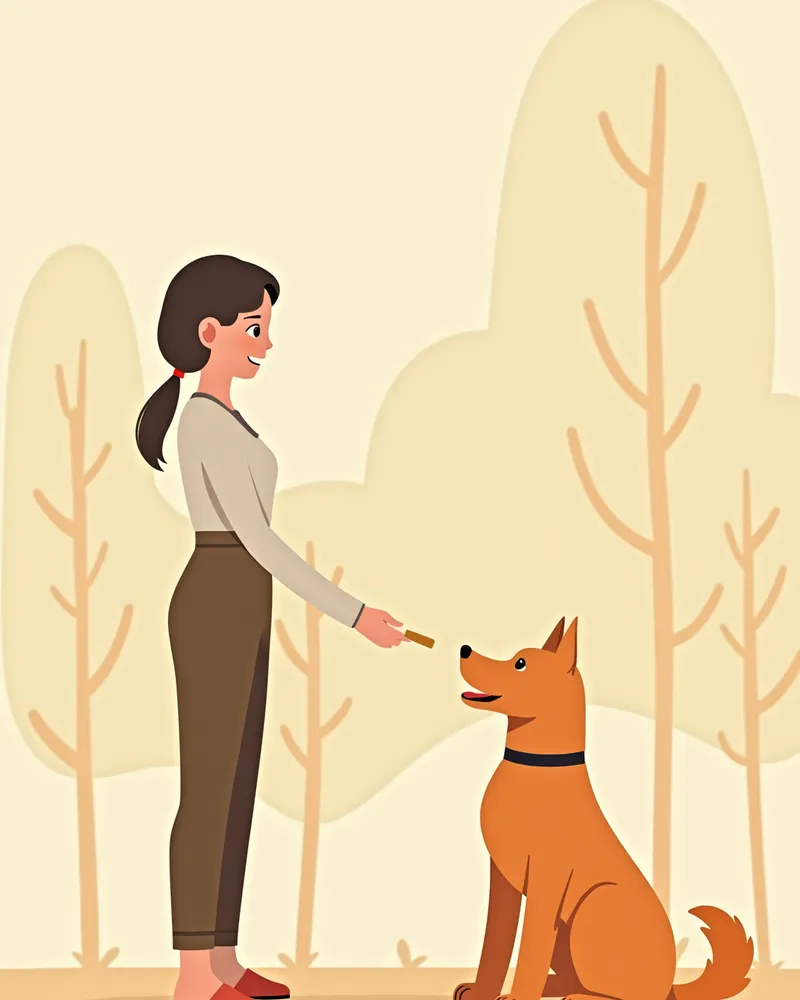
Behavior Modification Training: Using counterconditioning and systematic desensitization, we retrain your pet to focus on alternative behaviors (such as looking at you or sitting) when exposed to triggers. This should be conducted with a certified veterinary behaviorist or a qualified trainer.
Medication: If underlying issues like anxiety are present, medication may be used as an adjunct under veterinary guidance. However, medication alone does not change behavior, and its efficacy for instinctual behaviors like predation can be inconsistent; therefore, it must always be combined with training and management.
Stimulus Management: In the early stages of training, it is crucial to minimize exposure to triggering situations to prevent negative experiences and ensure safety.
A puppy undergoing positive reinforcement training with its owner.

Home Care Management Points

Double safety measure: Always use both a harness and a leash when going out, and choose secure gear designed to prevent escapes.
Adequate exercise and nose work: Burning off physical energy and satisfying your dog’s natural urge to explore in a healthy way can improve overall calmness and quality of life. However, since predatory instincts don’t disappear, this should be done alongside proper management.
Avoid stimulating environments: Stay away from parks crowded with small animals or areas near bike paths, and walk during quieter times of day.
Focus training with the owner: In a low-distraction environment, practice short, daily sessions to help your dog focus on you.

Breeds with Particularly Strong Hunting Instincts — Additional Caution Needed

Early socialization and consistent management are especially important for breeds that may exhibit strong predatory or chasing tendencies. Typical examples include sight hounds and terriers, which were selectively bred for hunting and tracking, as well as herding dogs like Border Collies and Australian Shepherds, which have a strong instinct to chase. However, even within the same breed, a genetic predisposition does not guarantee that these behaviors will necessarily manifest, as environment and learning also play significant roles. Therefore, it is safest to begin controlled socialization with small animals from puppyhood and to always keep these dogs on a leash when outdoors.

Reviewed by a veterinarian

Dr. Tony — Punnawat Phongkittirak

Dr. Tony — Punnawat Phongkittirak

Veterinarian

A veterinarian who majored in veterinary medicine at Khon Kaen University, Thailand, and completed the IVSA program at North Carolina State University in the United States. Drawing on clinical experience at animal hospitals, he works in the pet healthcare field and is dedicated to building a digital care environment that connects pet parents with veterinarians.

Frequently Asked Questions

Can an overactive hunting instinct be completely cured?
Rather than aiming for complete elimination, the realistic goal is to reduce the behavior to a safely manageable level. Since this is an instinctual behavior, it’s difficult to fully correct through training alone, and treatment outcomes can be inconsistent, making safety-focused management the key. Consistent behavior modification training can make daily life much easier, but in many cases, lifelong management is necessary.
Should I see a general trainer or a veterinary behaviorist first?
If a person or animal has sustained an injury, an evaluation by a veterinary behaviorist should be the first step. If no injury has occurred yet, it’s also reasonable to consult with an experienced trainer first and then refer to a specialist if needed.
Will keeping a muzzle on your pet at all times solve the problem?
A muzzle is a temporary tool for immediate safety. To reduce predatory instincts, behavior modification training is essential. The ultimate goal is to ensure safety even without a muzzle.
Does neutering reduce a pet's hunting instinct?
Predatory drive is an instinctual behavior, so it is more strongly influenced by learning and genetics than by hormones, making it difficult to reduce directly through neutering. Additionally, there is insufficient evidence to suggest that neutering generally helps with overall aggression, so it is not recommended as a primary treatment. It is important to first assess the exact cause of the behavior.
Can it be prevented in young puppies?
Yes, it’s possible. During the critical socialization period in puppyhood, exposing your dog to various stimuli—such as small animals, children, and bicycles—in a controlled, positive environment can significantly reduce overreactions when they become adults.

Share

Related Guides

References

[1] Bain, M.J. and Fan, C.M. (2012). Animal behavior case of the month. J. Am. Vet. Med. Assoc. 240(6):673–675.

[2] Hewson, C.J., Luescher, U.A., and Ball, R.O. (1999). The use of chance-corrected agreement to diagnose canine compulsive disorder: an approach to behavioral diagnosis in the absence of a Gold Standard. Can. J. Vet. Res. 63(3):201–206.

[3] Overall, K.L. (2013). Manual of Clinical Behavioral Medicine for Dogs and Cats. Elsevier.

[4] Shaw, J.K. and Martin, D. (eds.) (2015). Canine and Feline Behavior for Veterinary Technicians and Nurses. Wiley-Blackwell.

[5] Landsberg, G., Hunthausen, W., Ackerman, L. (2013). Behavior Problems of the Dog and Cat, 3rd ed. Saunders Elsevier.

This information is based on veterinary literature and does not replace diagnosis or treatment. Please consult a veterinarian for specific health concerns.

Metapet Co., Ltd. | CEO: Park Sung-yong | Business Reg. No. 417-88-02562 | Seoul, South Korea | Customer Center

Dog Suddenly Chasing & Biting? Managing Prey Drive | Meongsiljang