Like
Share
멍실장
강아지 포도건포도중독 증상과 응급 대처법, 위험 섭취량과 예방까지 총정리

My Dog Ate Grapes — A Complete Guide from Kidney Failure Warning Signs to Emergency Treatment

Emergency/ToxicityDiseasesMeongsiljang Veterinary Advisory Board

If your dog eats grapes or raisins, it can lead to acute kidney failure. Even if there are no symptoms, you should contact a veterinary clinic immediately.

What Is Grape and Raisin Toxicity in Dogs?

The Risk of Grape Toxicity in Dogs — A Dog Gazing at Grapes and Its Owner
Grape and raisin toxicity in dogs is a severe condition that causes acute kidney injury (AKI) after ingestion of grapes or raisins (Vitis species, including currants and sultanas). The exact toxic mechanism remains unproven, and individual susceptibility varies widely: some dogs show no effects at all, while others develop severe renal failure from the same amount. Although more than half of exposed dogs reportedly show no symptoms, even small amounts can lead to serious illness in some cases. Therefore, if your dog has eaten grapes, contact your veterinarian immediately, even if no symptoms are present. Symptoms typically begin within hours of ingestion, making prompt initial response critical.

Why Are Grapes Toxic to Dogs?

According to veterinary toxicology textbooks, the exact mechanism behind why grapes and raisins are toxic to dogs remains unproven. The leading hypothesis is that tartaric acid, a compound found in grapes and raisins, is the toxic agent. Dogs lack the OAT-4 transporter responsible for excreting organic acids through the kidneys, making them particularly sensitive to this substance, and some dogs are believed to be genetically more vulnerable. The tartaric acid content varies depending on the grape variety and ripeness, which is thought to explain why toxicity levels differ among individual dogs. All types of grapes—seeded, seedless, organic, and raisins—are dangerous. However, commercial grape juice, wine, and jam are reported to pose no risk of kidney failure because the tartaric acid has been removed through a process called detartration. Additionally, cooked raisins (such as those in raisin bread or cookies) are known to have reduced risk because the tartaric acid breaks down during heating. Nevertheless, since homemade grape juice or foods containing large amounts of raisins cannot be guaranteed safe, the rule is to never feed them to your dog.

How Many Grapes Are Dangerous? — There Is No Safe Intake Level

In veterinary toxicology, there is no established safe intake level for grapes or raisins. While some dogs have developed kidney failure after consuming very small amounts, others have ingested large quantities without any issues, indicating significant individual variation in response. Due to this unpredictability, it is absolutely crucial not to assume that "a small amount is harmless." If you confirm that your dog has eaten even one grape or two to three raisins, contact your veterinarian immediately. Raisins, in particular, require extra caution because their concentrated composition can cause harm in even smaller quantities compared to fresh grapes.

Checklist of Symptoms of Grape Toxicity

Symptoms typically begin to appear within a few hours of ingestion, and you should watch for the following signs.
Vomiting: This is the most common and usually the first sign, with spontaneous vomiting frequently observed after ingestion.
Lethargy and weakness: Your pet may suddenly become less active and lie down weakly.
Loss of appetite: Refusing even favorite treats is a warning sign.
Diarrhea and abdominal pain: Your pet may show signs of pain or curl up when their abdomen is touched, and may also experience diarrhea.
Changes in urine output: Initially, urine production may increase (polyuria), but as kidney failure progresses, it may decrease (oliguria) or stop almost entirely (anuria).
Dehydration and weakness: As kidney damage progresses, dehydration and lethargy become more pronounced, and in rare cases, unsteadiness (ataxia) may occur.
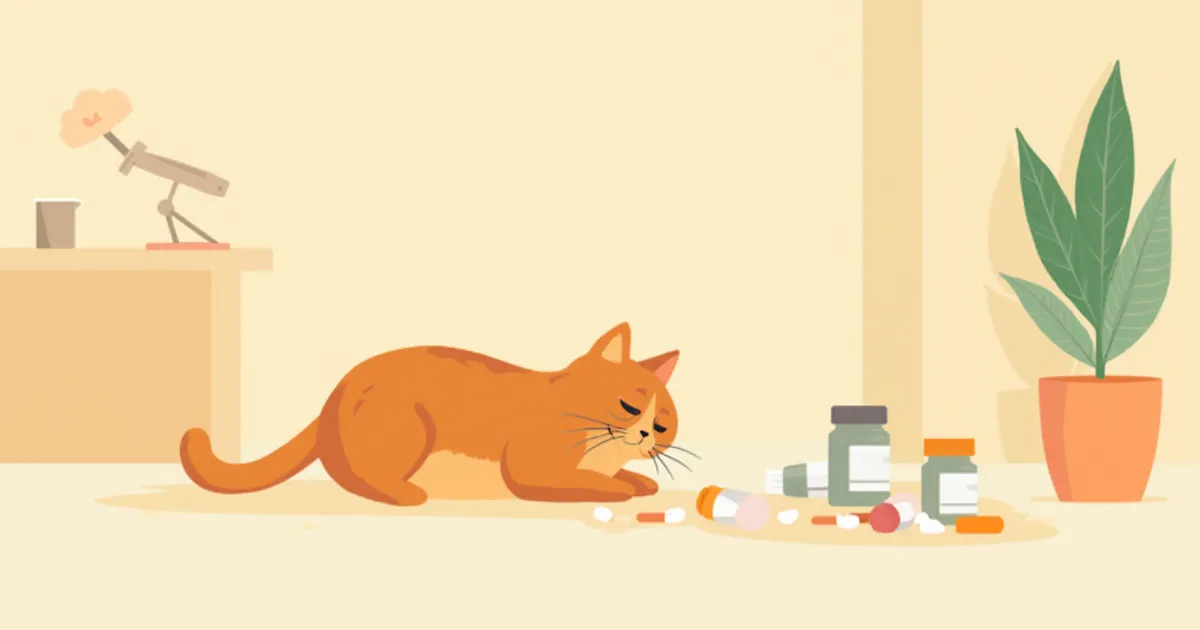
A lethargic puppy suffering from grape poisoning

Situations Requiring Immediate Veterinary Care

If you suspect your pet has ingested grapes or raisins, contact your veterinarian immediately, regardless of whether symptoms are present. Pets often appear normal right after ingestion, but the subsequent onset of vomiting, diarrhea, lethargy, loss of appetite, ataxia, dehydration, or decreased urine output may signal the beginning of acute kidney injury. The sooner treatment begins—especially before the condition progresses to oliguria or anuria—the better the prognosis, so it is crucial to get to the clinic as quickly as possible.

How Is It Diagnosed at the Veterinary Clinic?

After reviewing the ingestion history, the veterinarian will check kidney function markers (BUN and creatinine) through blood and urine tests. Even if these values appear normal immediately after ingestion, it’s not safe to relax—kidney failure can develop over several hours to days. A follow-up test is necessary 24–48 hours after the initial examination. An ultrasound may also be performed to further assess any structural changes in the kidneys. It’s very helpful for diagnosis to jot down details such as the amount ingested, time of ingestion, breed, and body weight before your visit.

Treatment at the Veterinary Clinic

According to veterinary toxicology textbooks, gastrointestinal decontamination and fluid therapy are the cornerstones of treatment.
Inducing vomiting: If the ingestion occurred within 1 to 2 hours, vomiting may be induced under veterinary supervision.
Activated charcoal administration: In cases of large ingestion, a single dose of activated charcoal is administered to adsorb toxins.
Intravenous fluid therapy: This is the most critical treatment for maintaining kidney function and facilitating toxin elimination.
Monitoring kidney values: Blood tests are repeated over 24 to 72 hours to monitor for the progression of renal failure.
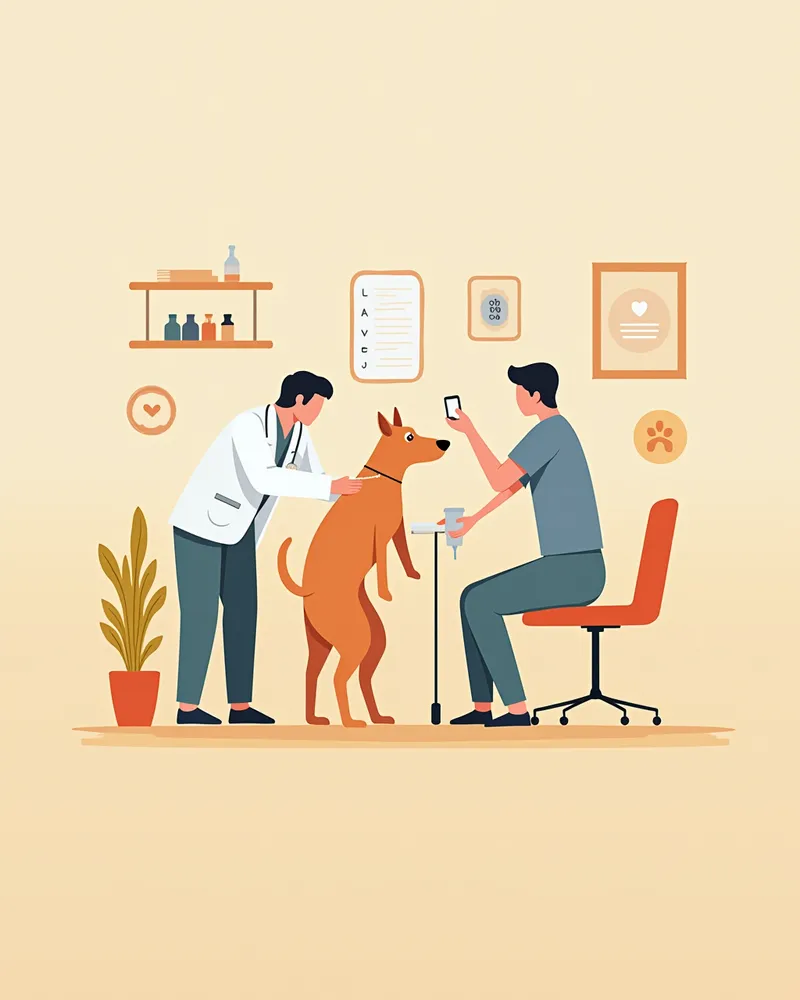
A puppy receiving intravenous fluid therapy at a veterinary clinic for grape poisoning

What to Do and What to Absolutely Avoid at Home

Even after returning home from the hospital, you should monitor your pet’s urine output and activity level for at least two to three days. If you notice a significant decrease in urination or a refusal to eat, contact the clinic immediately. Strictly avoid the following at home: Do not induce vomiting with hydrogen peroxide: This can cause damage to the esophagus and stomach. Do not force-feed milk or water: Attempting to dilute toxins by forcing fluids can worsen nausea and vomiting. Do not use unverified home remedies: Relying solely on internet advice for treatment can exacerbate the condition.
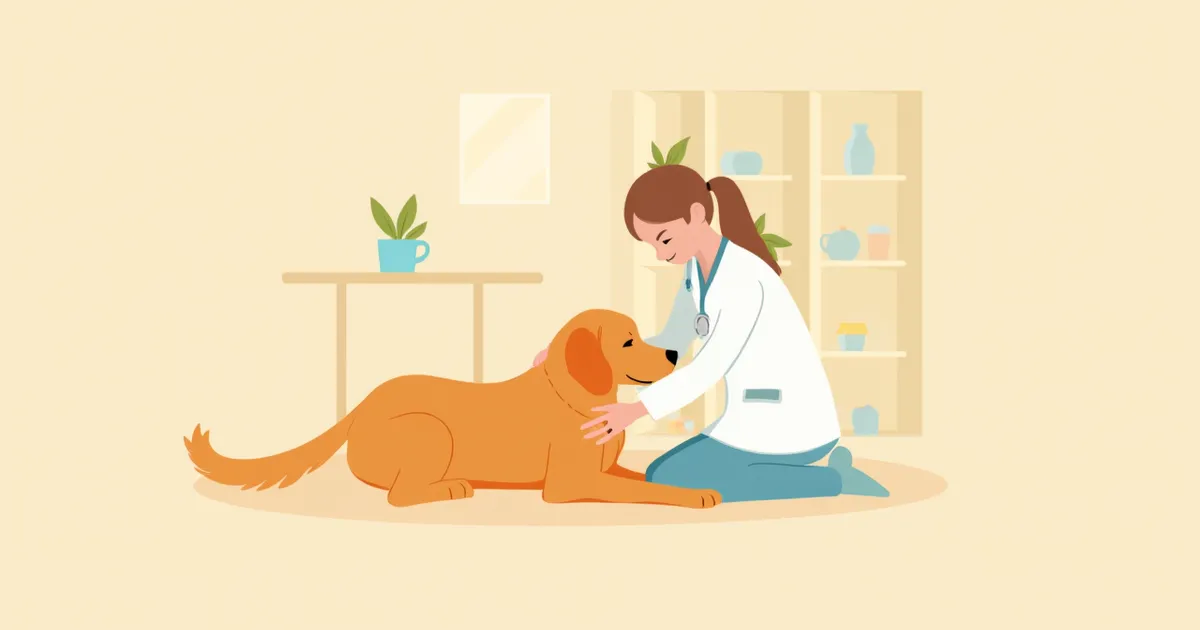
Caregivers Caring for Their Dogs at Home After Treatment for Grape Poisoning

Complete Prevention Checklist for Grape and Raisin Toxicity

Grape-containing foods are more common than you might think. Be cautious with fresh grapes, raisins, currants, sultanas, as well as raisin cookies, muffins, fruit salads, trail mixes, and children’s snacks. (While commercial grape juice and jam are reported to be safe from kidney failure risk because tartaric acid is removed, it is safest to avoid them entirely if you cannot confirm the ingredients.) Store these items in locked drawers out of your dog’s reach, and be sure to inform family members and guests that grapes and raisins should never be given to dogs.

Reviewed by a veterinarian

Dr. Tony — Punnawat Phongkittirak

Dr. Tony — Punnawat Phongkittirak

Veterinarian

A veterinarian who majored in veterinary medicine at Khon Kaen University, Thailand, and completed the IVSA program at North Carolina State University in the United States. Drawing on clinical experience at animal hospitals, he works in the pet healthcare field and is dedicated to building a digital care environment that connects pet parents with veterinarians.

Frequently Asked Questions

Are snacks containing grape juice or raisins also dangerous?
Processed foods containing raisins require caution. However, commercial grape juice, wine, and jam have undergone detartration to remove tartaric acid, and are reported to pose no risk of kidney failure. Additionally, it is known that the risk is lower with heat-treated raisins, such as those in bread and cookies. Nevertheless, since homemade grape juice or foods with high raisin content cannot be guaranteed safe, it is safest to avoid giving them altogether if you cannot verify the ingredients.
If my pet ate grapes but shows no symptoms, is it okay to just monitor them?
Absolutely not. Pets often appear completely fine immediately after ingestion, as kidney damage progresses over several hours to a day or two, with symptoms typically becoming apparent 24 to 48 hours later. Even if no symptoms are present, you should seek immediate veterinary care if ingestion is confirmed.
Should I induce vomiting at home before taking my pet to the vet?
Inducing vomiting at home can damage the esophagus and airways. It’s best to call your veterinarian first and follow their instructions. Vomiting should only be induced under veterinary supervision at a clinic.
Are seedless or organic grapes safe for my pet?
No. All grapes are dangerous for dogs, regardless of whether they have seeds or how they were grown. Veterinary textbooks clearly state that both commercial and home-grown grapes, as well as organic and conventionally grown grapes, are associated with acute kidney injury. Therefore, you should never give any type of grape to your dog.
Can my pet make a full recovery after treatment?
The sooner treatment begins, the better the prognosis. In cases where kidney failure has progressed severely, it can lead to chronic kidney disease. Regular monitoring of kidney function through blood tests is essential even after treatment.

Share

Related Guides

References

[1] Hovda LR et al. Blackwell's Five-Minute Veterinary Consult Clinical Companion: Small Animal Toxicology, 3rd Ed. Wiley-Blackwell, 2016.

[2] Plumb DC. Plumb's Veterinary Drug Handbook, 10th Ed. Wiley-Blackwell, 2023.

[3] Schaer M. Clinical Medicine of the Dog and Cat, 4th Ed. CRC Press, 2022.

This information is based on veterinary literature and does not replace diagnosis or treatment. Please consult a veterinarian for specific health concerns.

Metapet Co., Ltd. | CEO: Park Sung-yong | Business Reg. No. 417-88-02562 | Seoul, South Korea | Customer Center

My Dog Ate Grapes? Kidney Failure Signs & Emergency Care | Meongsiljang