Like
Share
멍실장
자일리톨 중독 응급 대처 (껌·치약 주의)

Xylitol Poisoning Emergency Response (Caution with Gum and Toothpaste)

ImmunityDiseasesMeongsiljang Veterinary Advisory Board

Xylitol is a sweetener found in gum, toothpaste, and other products. If ingested by pets, it can cause a rapid drop in blood sugar and liver failure. We’ve compiled the essential information pet owners need to know, including symptoms of poisoning, first aid steps, and veterinary treatment.

What is Xylitol Poisoning?

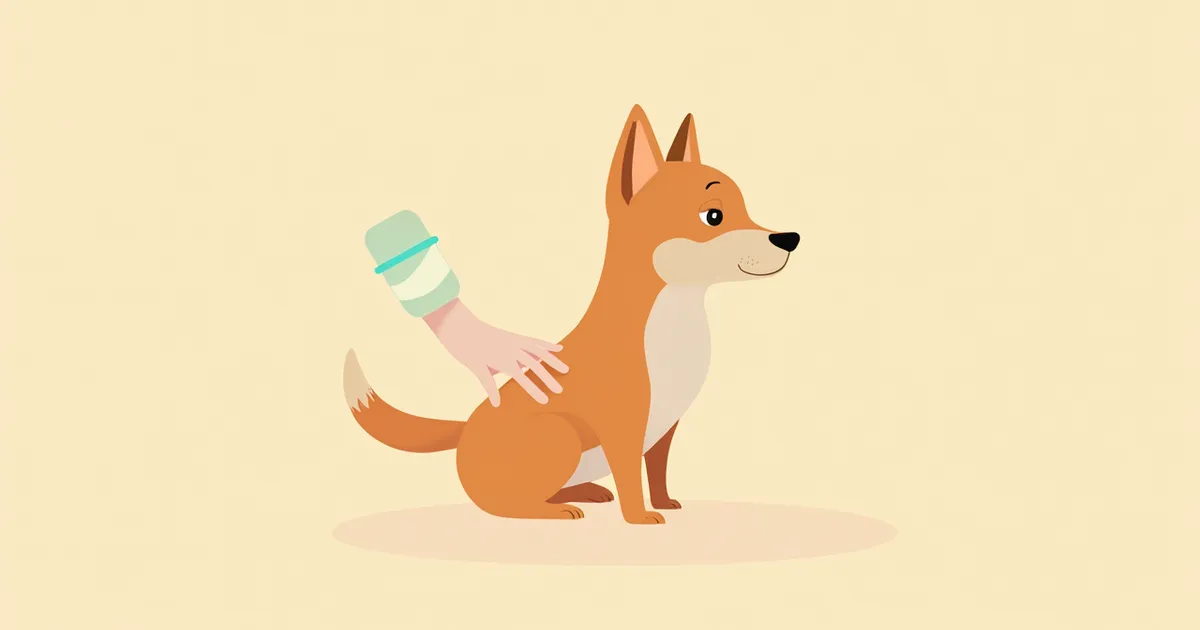
A small dog sitting next to a piece of gum that fell out of a handbag.
Xylitol poisoning is a medical emergency that occurs when pets ingest xylitol, an ingredient found in gum, toothpaste, and candies. It can cause a rapid drop in blood sugar and acute liver necrosis. Time is of the essence. Hypoglycemia symptoms can appear as soon as two hours after ingestion, while signs of liver damage may develop within 24 to 48 hours. If you suspect your pet has consumed a product containing xylitol, seek immediate veterinary care, even if no symptoms are present.

Why Xylitol is Dangerous

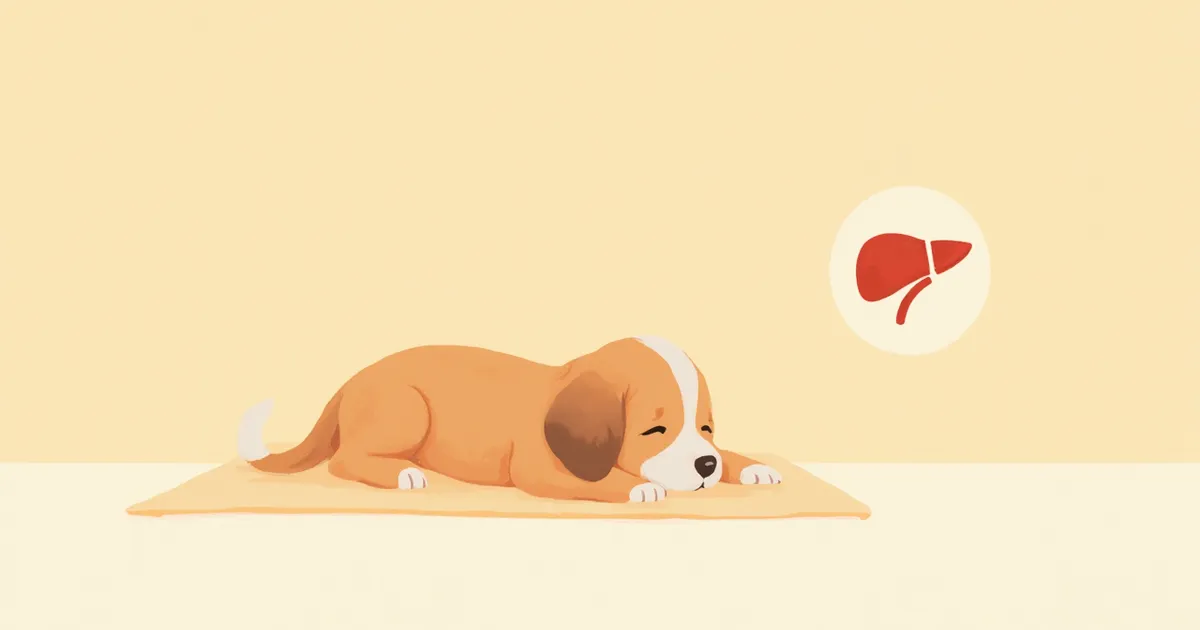
Xylitol is safe for humans, but when ingested by dogs, it triggers excessive insulin secretion from the pancreas. Even in small amounts, dogs release far more insulin than humans, causing blood sugar levels to plummet and resulting in hypoglycemia. The insulin surge can also drive potassium into cells, potentially leading to hypokalemia. More dangerously, xylitol can cause liver toxicity. During its metabolism, cellular energy (ATP) is depleted and reactive oxygen species are produced, damaging liver cells and potentially leading to acute liver failure. Clinical signs vary depending on the amount ingested and how quickly treatment is administered, so it is crucial to seek immediate veterinary care to accurately determine the xylitol content and the amount consumed. Cats are not known to be affected by xylitol toxicity.

Products Containing Xylitol

Xylitol is present in more everyday products than you might expect.
Sugar-free gum: This is the most common product with high xylitol content. The amount varies significantly by brand, and even small amounts can be dangerous for small dogs, especially if the gum is swallowed whole or if it’s a high-concentration product.
Human toothpaste and mouthwash: Xylitol is often added for its anticariogenic (cavity-preventing) effects, so always check the ingredient list.
Sugar-free candies and jellies: Xylitol is frequently used as a sugar substitute in diet foods.
Peanut butter: Some imported brands contain xylitol, so be sure to check the label.
Chewable vitamins and supplements: Xylitol may be included as a sweetener.
Various products containing xylitol - gum, toothpaste, peanut butter, candy

Poisoning Symptom Checklist

If your pet shows any of the following symptoms after ingesting xylitol, suspect xylitol poisoning:
Vomiting: This is typically the first sign to appear after ingestion.
Lethargy: Your pet may suddenly become weak, limp, and reluctant to move.
Ataxia: Low blood sugar impairs balance, causing your pet to stumble or walk unsteadily.
Tremors or Seizures: Severely low blood sugar can cause intense shaking or convulsions.
Gum Color Changes: Pale or yellowish gums signal that liver damage is progressing.
Decreased Consciousness: Unresponsiveness or loss of consciousness indicates a critical emergency.
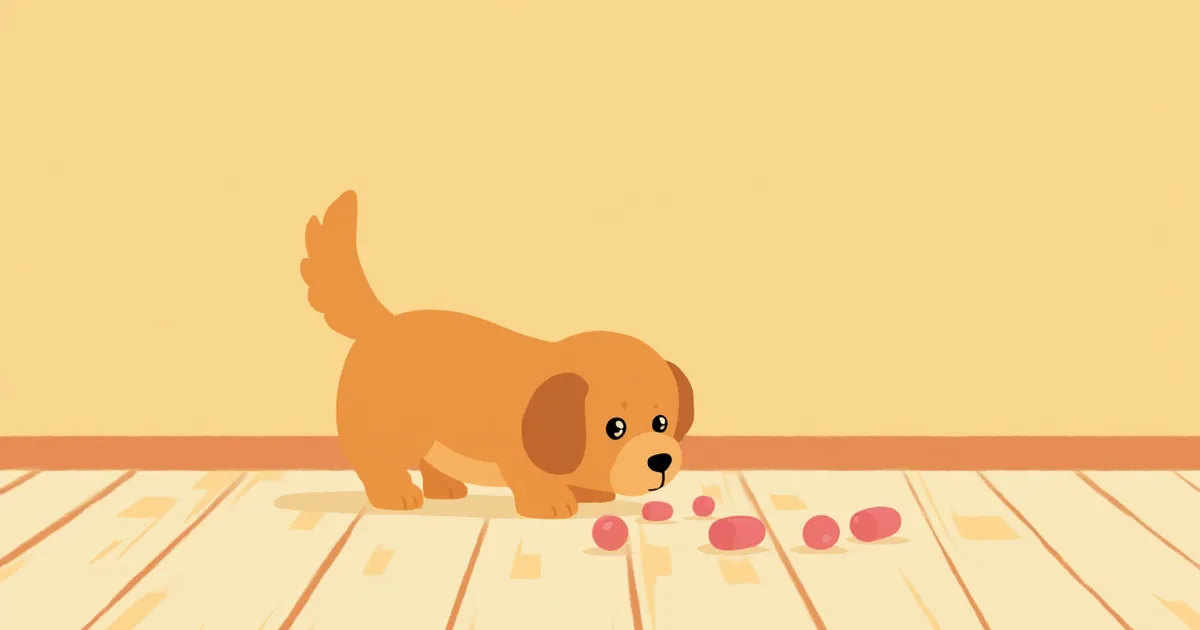
A veterinarian examining a lethargic small-breed dog at the animal hospital

When to Go to the Vet Immediately

If you confirm your pet has ingested a product containing xylitol, take them to the vet immediately, regardless of whether symptoms are present. The severity of toxicity varies greatly depending on the amount consumed and the xylitol concentration in the product. Seek emergency care without delay if your pet has swallowed an entire piece of sugar-free gum, consumed a high-concentration product, or is showing any signs such as vomiting, trembling, or staggering. Because the risk of liver damage increases with time after ingestion, never delay treatment by deciding to "wait and see."

First Aid Before Going to the Clinic

There are several steps you can take before arriving at the clinic.
Bring the product packaging: Take the packaging of the ingested product with you. This is essential for determining the xylitol content and the amount consumed.
Record the time of ingestion: Note down the exact time your pet ingested the product. This information is crucial for determining the appropriate treatment plan.
Do not induce vomiting on your own: Attempting to induce vomiting yourself can be dangerous. Vomiting should only be induced under the guidance of a veterinarian.
Do not give food or water: If your pet is lethargic or unconscious, offering food or water can cause it to enter the airway, leading to aspiration.

Treatment Process at the Veterinary Clinic
Treatment at the clinic is carried out in stages, depending on when and how much was ingested.
Inducing vomiting: If there are no symptoms immediately after ingestion, a veterinarian may decide to induce vomiting. The decision to induce vomiting and the method used are determined solely by the veterinarian, and it is not performed if symptoms have already appeared.
Glucose IV fluid administration: Glucose-containing intravenous fluids are administered while continuously monitoring blood sugar levels.
Electrolyte monitoring and correction: Since hypoglycemia can cause potassium to shift into cells, leading to hypokalemia, electrolyte levels are also closely monitored and managed.
Liver-protective treatment: If liver enzyme levels rise, hepatoprotective medications are administered, and in severe cases, hospitalization for intensive care may be necessary.
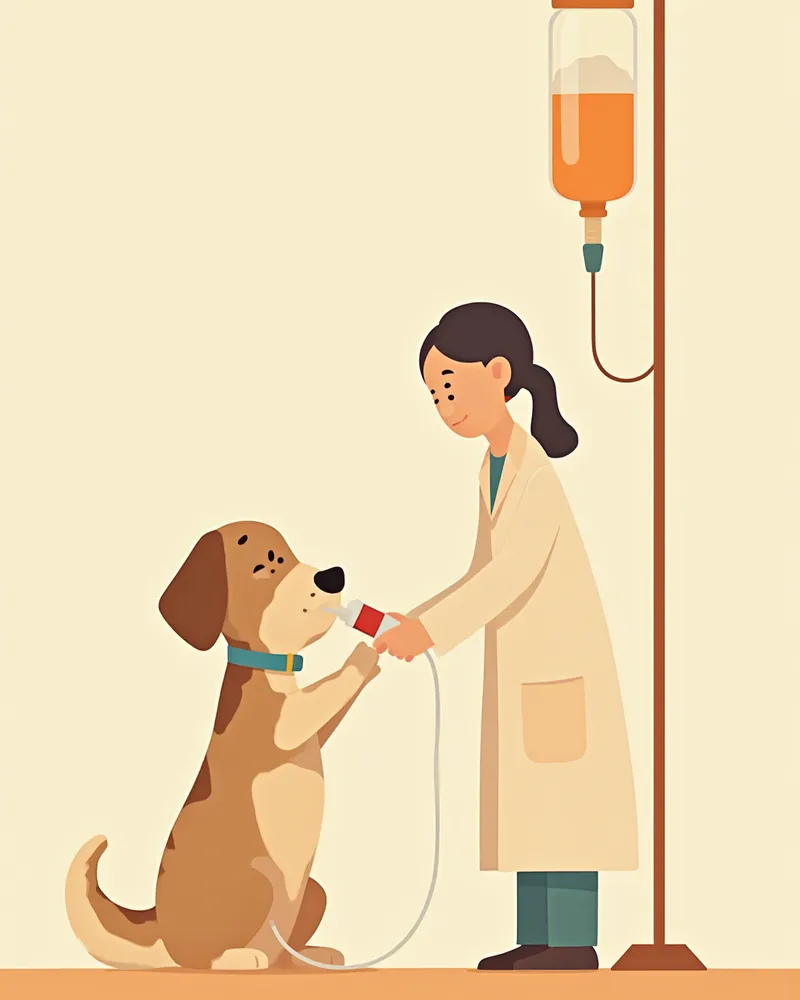
A puppy receiving intravenous fluid therapy at a veterinary clinic

Home Care After Discharge

Even after discharge, please monitor your pet closely for at least 72 hours, as liver damage can sometimes manifest over time.
Dietary Management: Feed the prescribed diet or easily digestible, soft food recommended by your veterinarian in small, frequent meals.
Activity Restriction: Avoid strenuous exercise during recovery and ensure your pet gets plenty of rest.
Follow-up Appointments: Be sure to schedule a recheck 2–3 days after discharge to monitor liver values and blood glucose levels.
Monitoring for Abnormal Signs: If vomiting, loss of appetite, or changes in gum color reappear, bring your pet to the clinic immediately.

Storage Guidelines for Xylitol Products

Keep all xylitol-containing products out of your pet’s reach. Chewing gum left in handbags or jacket pockets is a common source of accidental ingestion by dogs. When using peanut butter as a treat or on toys, always check the ingredient list for xylitol. Also, avoid leaving children’s vitamins or oral care products on the floor; instead, make it a habit to store them in locked drawers or on high shelves.

Reviewed by a veterinarian

Dr. Tony — Punnawat Phongkittirak

Dr. Tony — Punnawat Phongkittirak

Veterinarian

A veterinarian who majored in veterinary medicine at Khon Kaen University, Thailand, and completed the IVSA program at North Carolina State University in the United States. Drawing on clinical experience at animal hospitals, he works in the pet healthcare field and is dedicated to building a digital care environment that connects pet parents with veterinarians.

Frequently Asked Questions

Even if my dog ingested only a tiny amount of xylitol, should I still take him to the vet?
Yes, xylitol content varies significantly between products, so even a seemingly small ingestion can be dangerous relative to your dog’s body weight. While chewed gum may contain very little residual xylitol, swallowing it whole or consuming high-concentration products can pose a risk to small dogs even in small amounts. It is essential to have a veterinarian accurately assess the xylitol content of the ingested product and the amount consumed.
My dog ate xylitol gum but seems fine. Is it okay to just monitor him?
Even if your pet appears symptom-free, close monitoring is essential. Hypoglycemia can develop suddenly as soon as two hours after ingestion, and signs of liver damage may progress within 24 to 48 hours. In some cases, liver failure can occur without preceding hypoglycemia, meaning that by the time symptoms appear, the optimal window for treatment may have already passed.
Can cats also suffer from xylitol poisoning?
According to veterinary textbooks, cats are known to be unaffected by the toxic effects of xylitol itself. However, products containing xylitol may also include other ingredients that are harmful to cats, so if your cat has ingested a specific product, it’s best to have your veterinarian review the full ingredient list.
Is it safe to induce vomiting at home?
Inducing vomiting without veterinary guidance can lead to aspiration into the airways or cause further injury. Veterinary toxicology textbooks recommend that vomiting should only be induced under a veterinarian’s supervision. Getting to the clinic quickly is the most important step.
Can xylitol poisoning leave lasting effects?
With prompt treatment, most pets make a full recovery. However, if the condition has progressed to liver failure, permanent liver damage may occur. Therefore, visiting a veterinary clinic immediately after confirming ingestion is the most reliable way to prevent long-term complications.

Share

Related Guides

References

[1] Hovda LR, Brutlag AG, Poppenga RH, Peterson KL. Blackwell's Five-Minute Veterinary Consult Clinical Companion: Small Animal Toxicology, 3rd Edition. Wiley-Blackwell.

[2] Schaer M, Gaschen F. Clinical Medicine of the Dog and Cat, 4th Edition. CRC Press.

[3] Plumb DC. Plumb's Veterinary Drug Handbook, 10th Edition. Wiley-Blackwell.

[4] Drobatz KJ, Costello MF. Feline Emergency and Critical Care Medicine, 2nd Edition. Wiley-Blackwell.

[5] Dunayer EK. New findings on the effects of xylitol ingestion in dogs. Veterinary Medicine, 2006; 101(12):791-797.

This information is based on veterinary literature and does not replace diagnosis or treatment. Please consult a veterinarian for specific health concerns.

Metapet Co., Ltd. | CEO: Park Sung-yong | Business Reg. No. 417-88-02562 | Seoul, South Korea | Customer Center

Xylitol Poisoning in Dogs & Cats: Symptoms & First Aid | Meongsiljang