Like
Share
멍실장
고양이 종양 수술 절제연 평가 증상과 원인, 진단·치료와 관리 포인트 총정리

Cat Tumor Surgical Margin Assessment: Symptoms, Causes, Diagnosis, Treatment, and Management Points

Oncology/CancerDiseasesMeongsiljang Veterinary Advisory Board

Evaluating the surgical margins during a cat’s tumor removal is a crucial step in reducing the risk of cancer recurrence. Accurate assessment can significantly impact treatment outcomes.

Cat Tumor Surgical Margin Assessment is Key to Preventing Cancer Recurrence
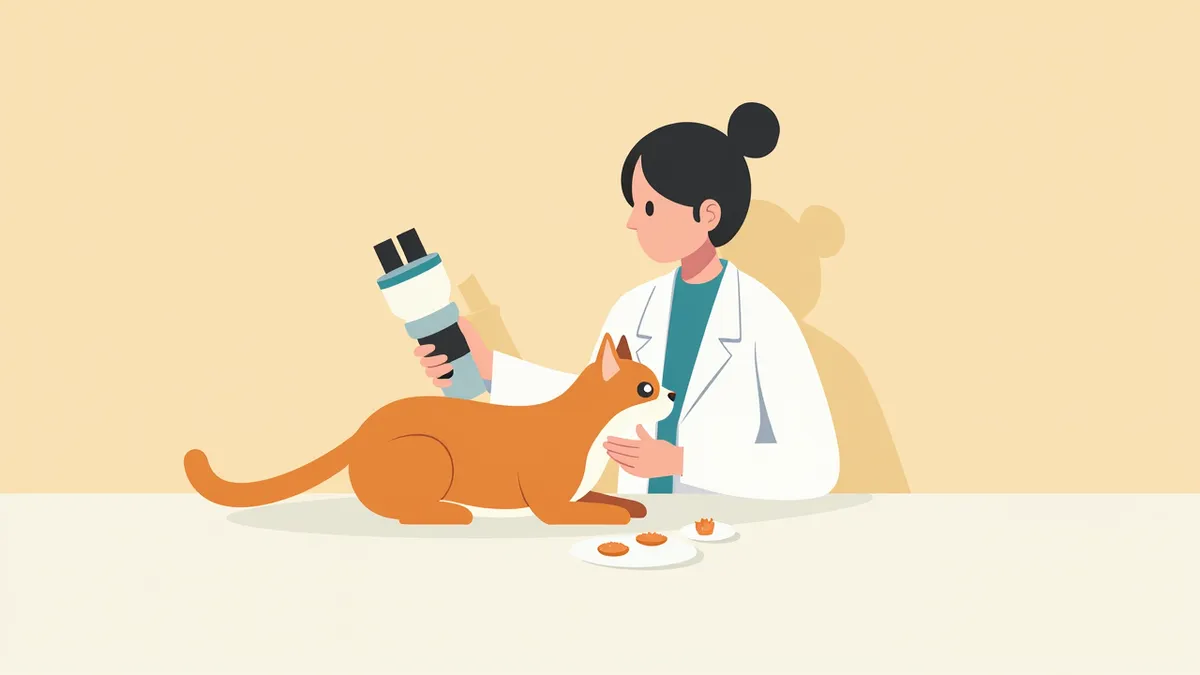
A veterinarian examining post-surgical tissue under a microscope
Evaluating the surgical margins after a cat’s tumor removal is a crucial step to confirm that all cancer cells have been completely excised. This assessment involves a pathological analysis of the removed tissue to determine whether the margins are clear. - Clear margins: If no cancer cells are found at the surgical boundaries, the risk of recurrence is low. - Unclear margins: If cancer cells remain near the edges, the likelihood of recurrence is higher. This result serves as a key factor in deciding whether additional treatment is necessary and is essential for developing a treatment plan together with your veterinarian.

The Main Reasons for Surgical Margin Assessment Are Cancer Growth Patterns and Location

The assessment of surgical margins in feline tumors varies depending on the tumor’s size, location, depth of invasion, and type. In particular, highly invasive tumors carry a high risk of recurrence even if the surgical margins appear clear. - Invasive tumors: These tumors tend to infiltrate deeply into surrounding tissues, necessitating a wider surgical margin. - Location-related factors: Tumors located near bones or nerves are difficult to completely excise. It is important to accurately determine the extent of the tumor through preoperative MRI or CT scans, as this information serves as the basis for evaluating surgical margins.
An anatomical diagram illustrating the extent of infiltration of a feline abdominal tumor and the surgical resection margins.

Key Symptoms and Signs to Watch for During Surgical Margin Assessment

After assessing the excised tissue, there are specific warning signs to watch for to determine the risk of recurrence. Recognizing these signs is the first step in post-operative care.
Signs of recurrence: Swelling or firmness around the surgical site.
Pain response: Tensing up or vocalizing when the surgical area is touched.
Skin changes: Redness, warmth, ulceration, or discharge.
Weight loss: Rapid weight loss due to decreased appetite.
Decreased activity: Reduced movement compared to normal, along with lethargy or excessive sleepiness.
A cat showing signs of pain after surgery

Immediate Veterinary Visit Is Necessary If Surgical Margins Are Inadequate

If the surgical margins are inadequate or cancer cells remain, the risk of recurrence is high. In such cases, additional treatment is absolutely necessary. If pain, swelling, or skin changes persist, consult your veterinarian immediately.

Surgical Margin Assessment Is Accurately Diagnosed Through Tissue Examination

Margin assessment involves a veterinary pathologist examining the surgically removed tissue under a microscope. This process checks the structure and arrangement of cells to determine whether the surgical margins are clear. - Pathological analysis: Precisely confirms the presence and location of cancer cells. - Assessment of margin status: Determines whether cancer cells are present near the surgical boundaries. This result plays a critical role in guiding treatment decisions. Based on these findings, a treatment plan is developed alongside regular post-operative follow-up monitoring.
A veterinary pathologist examining tissue samples.

Treatment Methods After Surgical Margin Assessment Vary Depending on Recurrence Risk

The assessment of surgical margins is a key reference in determining the treatment plan. Even if the margins are clear, local recurrence has been reported depending on the tumor type, so treatment decisions should not be based solely on margin status. When margins are clear, management focuses on regular follow-up monitoring, but because the risk of recurrence remains, vigilance must not be relaxed. Conversely, if margins are incomplete and microscopic tumor cells remain, additional treatment should be actively considered. - Radiation therapy: Helps reduce residual microscopic cancer cells after surgery to prevent local recurrence. - Chemotherapy: A systemic treatment used when there is a risk of metastasis. The treatment approach should be determined in consultation with a veterinarian, taking into account not only margin status but also tumor type, grade, and staging information such as the presence of metastasis.
A veterinarian explaining the treatment plan.

Home Management Points Vary Depending on Surgical Margin Status

After evaluating the surgical margins, daily care is crucial. The care approach depends on the condition of the incision.
Maintain cleanliness: Keep the surgical site clean at all times. Avoid contamination.
Restrict activity: Avoid excessive running or jumping, and rest in a quiet environment.
Diet management: Consistently feed a nutritionally balanced diet. Pay attention to maintaining a healthy weight.
Medication: Administer medications exactly as directed by your veterinarian. Do not discontinue them.
Regular check-ups: Schedule periodic examinations to monitor for recurrence.
A cat resting at home after surgery

Precautions for Preventing Recurrence After Cat Tumor Surgery

If the margin assessment is unfavorable, the risk of recurrence is high. In such cases, additional treatment and regular check-ups are essential. Be sure to follow your veterinarian’s instructions.

Reviewed by a veterinarian

Dr. Tony — Punnawat Phongkittirak

Dr. Tony — Punnawat Phongkittirak

Veterinarian

A veterinarian who majored in veterinary medicine at Khon Kaen University, Thailand, and completed the IVSA program at North Carolina State University in the United States. Drawing on clinical experience at animal hospitals, he works in the pet healthcare field and is dedicated to building a digital care environment that connects pet parents with veterinarians.

Frequently Asked Questions

Why is an assessment of restraint important?
Assessing the surgical margins is a crucial step to confirm whether all cancer cells have been completely removed. This result is important for determining the risk of recurrence and guiding the treatment plan.
What happens if the incision doesn’t heal properly?
If the surgical margins are inadequate, the risk of recurrence is high. In such cases, additional treatments such as radiation therapy or chemotherapy may be necessary. It is important to consult with your veterinarian to develop a treatment plan.
What should I keep in mind for post-surgery care?
It is important to keep the surgical site clean, limit excessive activity, administer medication regularly, manage your pet’s diet, and attend regular check-ups. Please be sure to follow all instructions carefully.
When will the results of the fine-needle aspiration be available?
Tissue biopsy results typically take a few days to a week, though the exact timeline can vary depending on the laboratory’s workload and the type of tumor. For the most accurate information, it’s best to check directly with the hospital where the surgery was performed.
What should I do if my cat is experiencing pain after surgery?
If the pain persists, contact your veterinarian immediately. They can prescribe pain-relieving medication. Do not stop the medication without consulting your vet.

Share

Related Guides

References

[1] Fossum TW. Preoperative and intraoperative care of the surgical patient. In: Fossum TW, Duprey LP, O’Connor D, editors. Small animal surgery. 3rd ed. Boston, MA: Elsevier; 2007.

[2] Hosgood G, Scholl DT. Evaluation of age as a risk factor for perianesthetic morbidity and mortality in the dog. J Vet Emerg Crit Care. 1998;8(3):222-36.

[3] Small Animal Anesthesia and Pain Management A Color Handbook, 3rd Edition. Elsevier; 2021.

This information is based on veterinary literature and does not replace diagnosis or treatment. Please consult a veterinarian for specific health concerns.

Metapet Co., Ltd. | CEO: Park Sung-yong | Business Reg. No. 417-88-02562 | Seoul, South Korea | Customer Center

Cat Tumor Surgical Margin Assessment: Signs & Treatment | Meongsiljang