Like
Share
멍실장
강아지 양파마늘중독 증상과 응급 대처법, 위험 섭취량과 예방까지 총정리

If Your Dog Ate Onions or Garlic — Anemia Symptoms, Emergency Care, and Dangerous Intake Levels

Emergency/ToxicityDiseasesMeongsiljang Veterinary Advisory Board

Onion and garlic poisoning in dogs is a dangerous condition that can destroy red blood cells and lead to hemolytic anemia. Based on veterinary advice, we’ve compiled information on symptoms, emergency response steps, dangerous intake levels, and prevention methods.

What Is Onion and Garlic Poisoning in Dogs?
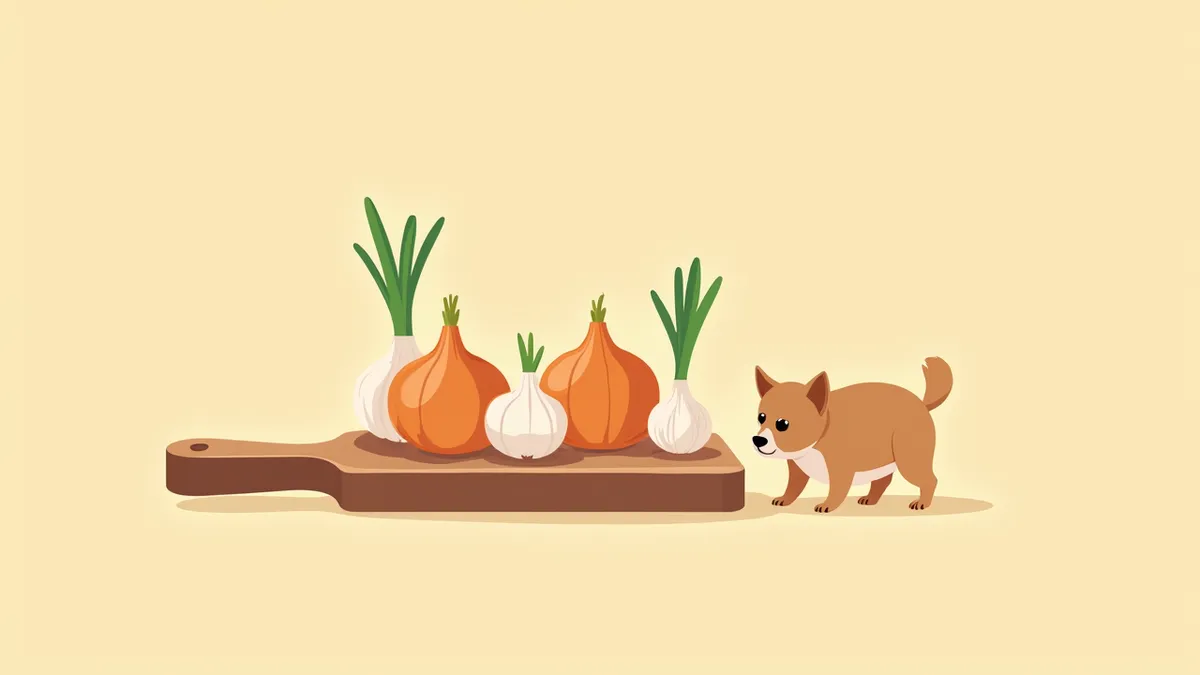
Allium Plants and Dogs — A Guide to the Risks of Onion and Garlic Toxicity
Onion and garlic poisoning in dogs is a toxic condition caused by organosulfur compounds found in Allium plants such as onions, garlic, chives, and green onions. These compounds oxidatively damage red blood cells, leading to hemolytic anemia. Cooking does not eliminate the toxins, and even small amounts can accumulate in the body with repeated ingestion. The most critical step is to contact a veterinary clinic immediately upon confirming ingestion. Even if no symptoms are visible, blood damage may have already begun.

Why Is It Dangerous? Mechanism of Toxicity

The key to the toxicity lies in the organosulfur compounds found in Allium plants. These compounds oxidize the red blood cell membranes in dogs, creating abnormal structures known as Heinz bodies. Red blood cells with Heinz bodies are rapidly destroyed in the spleen, a process that results in hemolytic anemia. The toxicity remains regardless of whether the onion is raw, cooked, or in broth. Garlic powder and dehydrated garlic are even more concentrated because the water has been removed.

Checklist of Poisoning Symptoms

Pale or yellow gums and tongue: Anemia can cause the mucous membranes to appear unusually pale or yellow.
Hematuria (reddish-brown or brown urine): This indicates that red blood cells are breaking down and leaking into the urine.
Lethargy and exercise intolerance: Your pet may tire more easily and show reduced activity levels.
Vomiting, diarrhea, and abdominal pain: These symptoms can occur within a few hours of ingestion.
Rapid breathing or panting: This happens when anemia leads to insufficient oxygen supply.
Loss of appetite: Your pet may refuse food and water.
Symptoms often become more noticeable 3 to 5 days after ingestion.
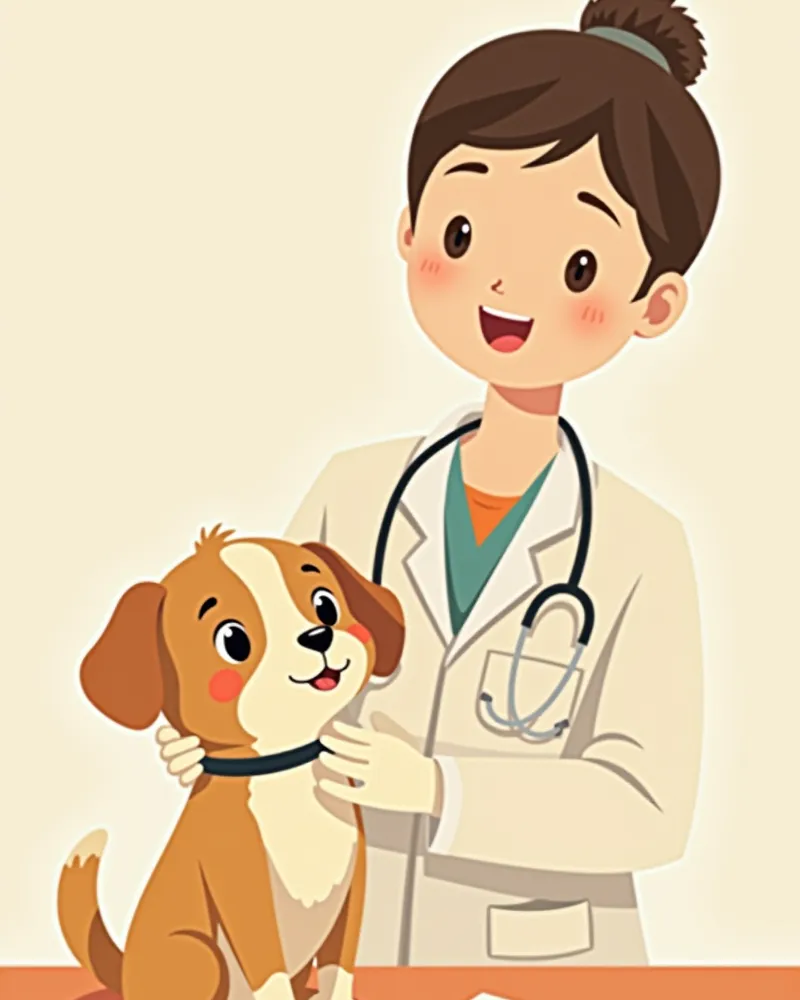
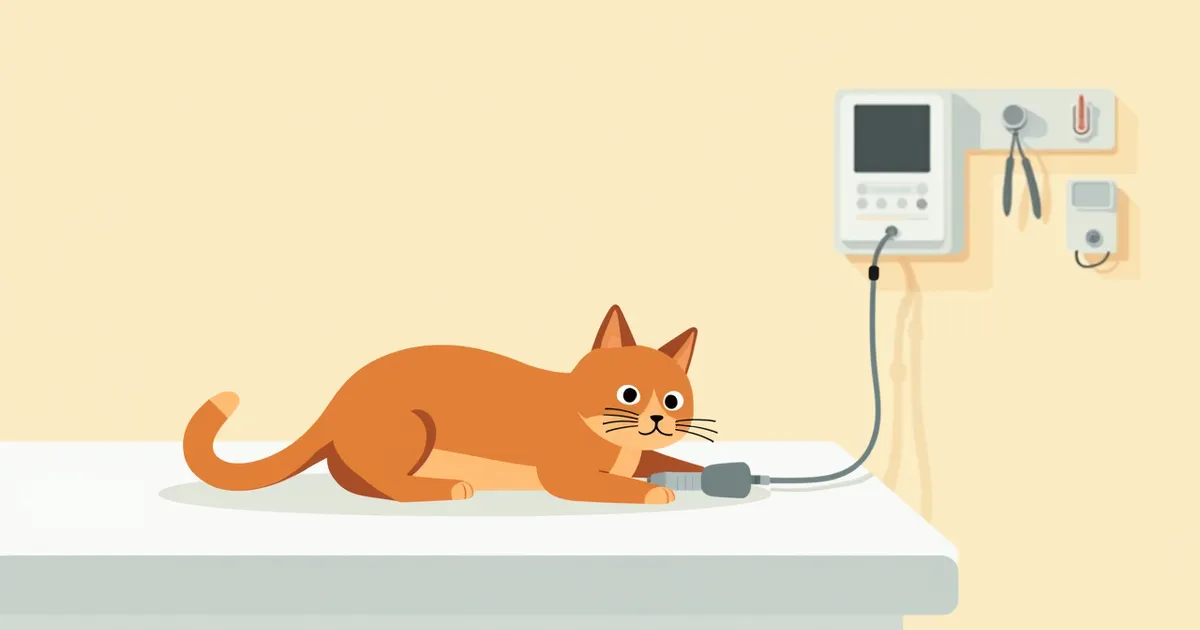
A veterinarian checking a puppy's gum color — diagnosing anemia

If You See These Symptoms, Go to the Emergency Room Immediately

Blood in the urine (reddish-brown or brown urine), pale or yellow gums, rapid or continuous panting, sudden collapse or inability to stand — if any of these symptoms are present, seek emergency veterinary care immediately at a 24-hour animal hospital. Rapidly progressing anemia is difficult to reverse without blood transfusion and can be life-threatening.

How Is It Diagnosed?

At the veterinary clinic, we check red blood cell count, hemoglobin levels, and the presence of Heinz bodies through a complete blood count (CBC) and a blood smear. Heinz bodies and eccentrocytes are characteristic findings in Allium poisoning. A urinalysis is also performed to check for hemoglobinuria (the presence of hemoglobin in the urine). Blood test results may appear normal immediately after ingestion because the nadir—the point of most severe anemia—can occur several days later. Therefore, if there is a history of ingestion, it is important to repeat tests over approximately 5 to 7 days, even if the initial results are normal, to fully monitor the progression of anemia.

How Is Treatment Conducted?

Treatment is determined by your veterinarian based on when the ingestion occurred and the severity of symptoms.
Inducing vomiting (decontamination): This may be performed at the veterinarian’s discretion if ingestion occurred within 1–2 hours and no symptoms are present. Do not attempt this at home, as it can be dangerous.
Activated charcoal administration: A single dose may be administered at the veterinarian’s discretion to adsorb toxins in the gastrointestinal tract.
Intravenous fluid therapy: This is essential to protect the kidneys and facilitate toxin elimination.
Blood transfusion: In cases of severe anemia, a transfusion of fresh whole blood or packed red blood cells is administered.
Hospitalization and monitoring: Blood tests are repeated to track the progression of anemia.
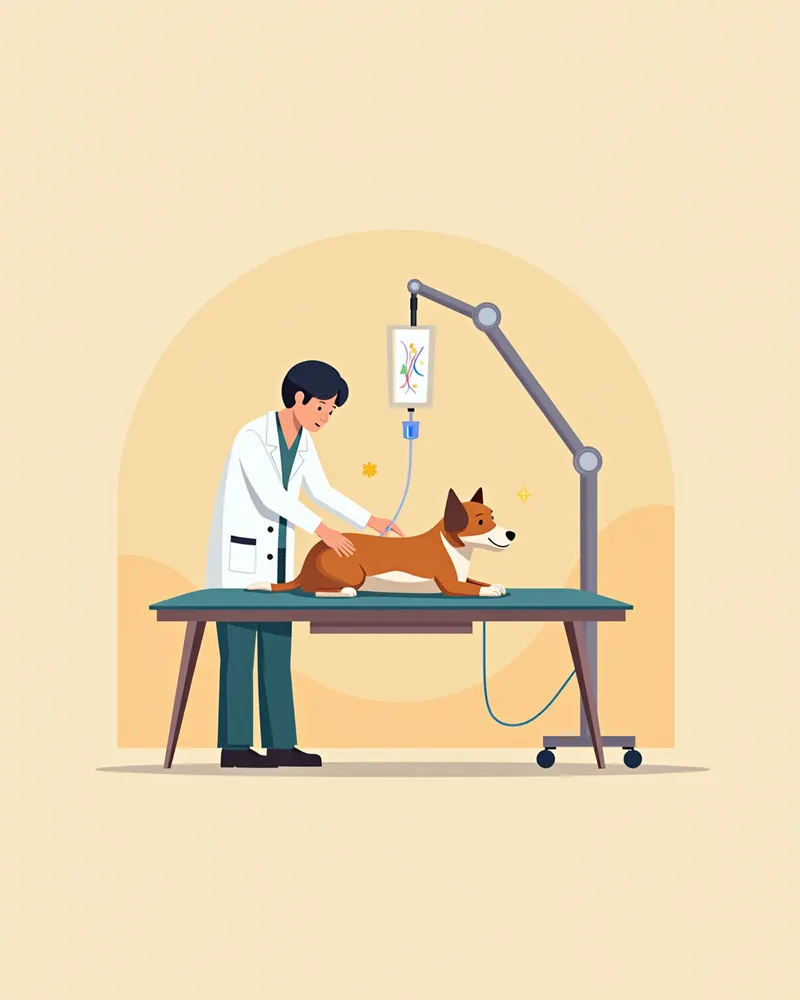
A veterinarian administering intravenous fluids to a puppy — treatment for onion and garlic poisoning

Dangerous Intake Thresholds and Home Prevention Guidelines
Knowing the dangerous ingestion amount helps you respond faster.
Onions and garlic (alliums): According to veterinary textbooks, toxicity can occur when a dog ingests about 15–30 grams per kilogram of body weight (for a 5 kg dog, this is about 75–150 grams, roughly half to one medium onion).
Cooking does not make them safe: The toxic components in alliums remain largely intact even after frying or boiling, so the risk is similar to that of raw alliums.
Powders and dried products: These are concentrated forms with the moisture removed, so they can be dangerous in much smaller amounts by weight.
Repeated small ingestions: Consistent exposure through food, treats, or broth can lead to chronic poisoning.
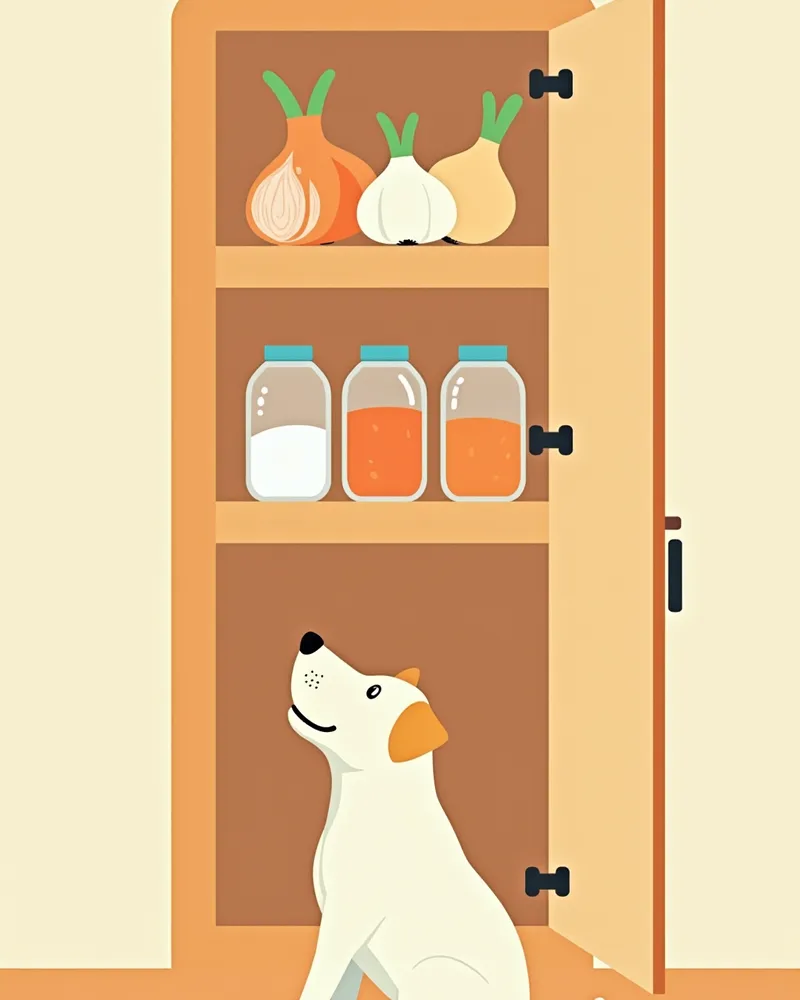
Prevention is all about blocking access. Keep your dog out of the kitchen while cooking curries, fried rice, or soups, and store leftover ingredients or powders in locked drawers or on high shelves.
Storing onions and garlic on high shelves — Tips to prevent dogs from accessing them

East Asian Breeds Such as Jindo (Jindo-gae) and Shiba Inu Are More Vulnerable

Some dogs are more sensitive to Allium toxicity. Veterinary textbooks report that certain purebreds, such as the Japanese Akita, are particularly vulnerable. For safety, extra caution is also advised for other East Asian breeds like the Shiba Inu and Jindo. Additionally, dogs with pre-existing anemia may experience more severe poisoning even when consuming the same amount, and senior dogs or those with underlying conditions may see their health deteriorate more rapidly. If your dog belongs to these breeds or has underlying health issues, it is safest to seek veterinary care immediately, even if the ingested amount is less than the general threshold.

Reviewed by a veterinarian

Dr. Tony — Punnawat Phongkittirak

Dr. Tony — Punnawat Phongkittirak

Veterinarian

A veterinarian who majored in veterinary medicine at Khon Kaen University, Thailand, and completed the IVSA program at North Carolina State University in the United States. Drawing on clinical experience at animal hospitals, he works in the pet healthcare field and is dedicated to building a digital care environment that connects pet parents with veterinarians.

Frequently Asked Questions

Should I take my pet to the vet even if it only ate a very small amount?
Even small amounts can be dangerous for small-breed dogs. If you’re unsure how much your dog ingested, call your veterinarian and provide details about your dog’s breed, weight, and what was consumed to receive guidance. When in doubt, visiting the clinic is the safest course of action.
My dog just licked some broth that contained onions. Is that okay?
Organosulfur compounds can dissolve into the broth, so small dogs or those that have licked up a large amount may be at risk. Please inform your veterinarian about the ingestion and seek professional advice.
Is it safe to induce vomiting at home using salt water?
We do not recommend inducing vomiting at home. Inducing vomiting and decontamination (such as administering activated charcoal) are procedures that require a veterinarian’s judgment based on the time of ingestion and the symptoms, and attempting them incorrectly can create even more dangerous situations. If you suspect your pet has ingested an allium plant, do not try to make them vomit yourself; instead, contact your veterinary clinic immediately and follow the veterinarian’s instructions, as this is the safest course of action.
Can symptoms appear a few days after ingestion?
Yes, anemia symptoms often become more apparent 3 to 5 days after ingestion. Even if your pet seems fine at first, blood damage may already be progressing, so it's important to visit the vet on the same day as ingestion.
Does cooking or frying remove the toxicity?
No, even when cooked, most of the organic sulfur compounds in Allium plants remain intact. Whether stir-fried, braised, or served in broth, the toxicity is nearly the same as raw Allium. Never feed cooked dishes containing Allium to your dog.

Share

Related Guides

References

[1] Blackwell's Five-Minute Veterinary Consult Clinical Companion: Small Animal Toxicology, 3rd Edition. Wiley-Blackwell.

[2] Schaer M, Gaschen FP. Clinical Medicine of the Dog and Cat, 4th Edition. CRC Press.

[3] Plumb DC. Plumb's Veterinary Drug Handbook, 10th Edition. Wiley-Blackwell.

[4] Cope RB. Allium species poisoning in dogs and cats. Veterinary Medicine. 2005;100(8):562-566.

This information is based on veterinary literature and does not replace diagnosis or treatment. Please consult a veterinarian for specific health concerns.

Metapet Co., Ltd. | CEO: Park Sung-yong | Business Reg. No. 417-88-02562 | Seoul, South Korea | Customer Center

Dog Ate Onions or Garlic? Anemia Signs & Emergency Care | Meongsiljang