Like
Share
멍실장
고양이 안압 측정(토노메트리) 증상과 원인, 진단·치료와 관리 포인트 총정리

Measuring Intraocular Pressure in Cats (Tonometry) — Timing for Glaucoma Detection and Interpreting Results

Eye HealthDiseasesMeongsiljang Veterinary Advisory Board

Measuring intraocular pressure in cats is a key test for the early detection of eye diseases. If the pressure falls outside the normal range, the risk of serious conditions such as glaucoma increases significantly.

What Is Measuring Intraocular Pressure (Tonometry) in Cats?
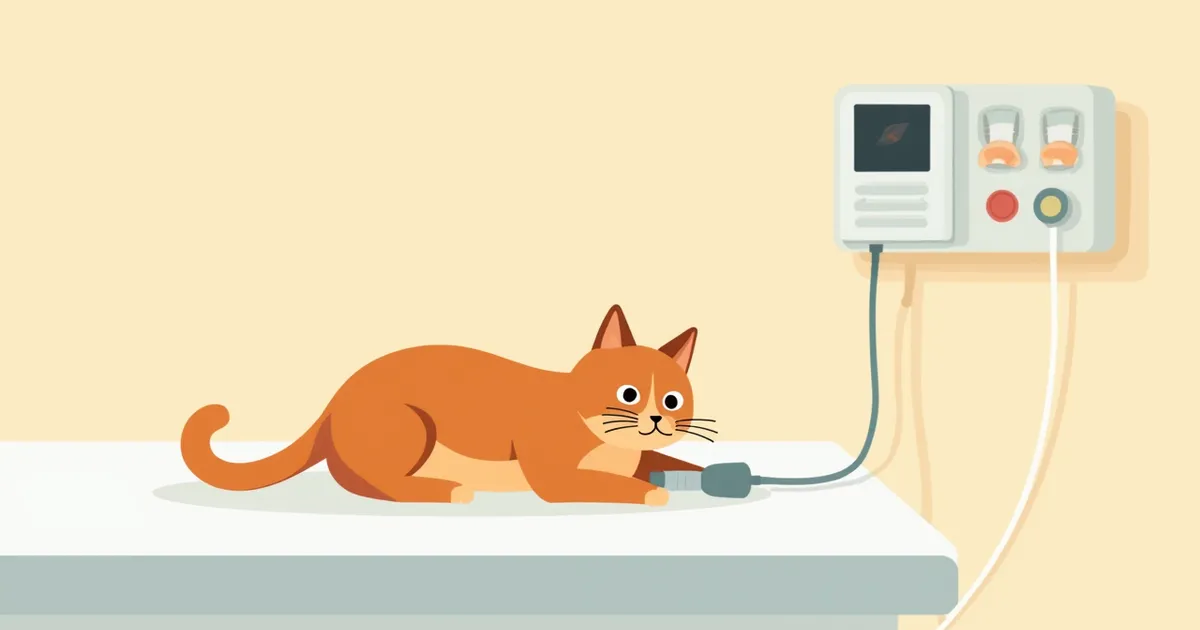
A veterinarian using tonometry equipment on a cat's eye
Measuring intraocular pressure (IOP) in cats is an essential ophthalmic exam that assesses eye pressure to help detect conditions like glaucoma, which can damage the optic nerve. Normal IOP in cats typically ranges from 15 to 25 mmHg. Persistently elevated IOP can lead to progressive glaucoma, causing optic nerve damage and vision loss. Veterinarians use tonometers such as rebound tonometers (e.g., TonoVet) or applanation tonometers (e.g., TonoPen) for measurement. Rebound tonometry is often preferred because it does not require topical anesthesia, reducing stress for the cat. However, care must be taken during the procedure, as manipulating the eyelids, applying direct pressure to the globe, or compressing the jugular vein can artificially elevate IOP readings. Additionally, adult cats tend to have higher IOP than kittens or senior cats, so regular monitoring that accounts for age and ocular health is important for preserving vision.

What Are the Main Causes of Elevated Intraocular Pressure?
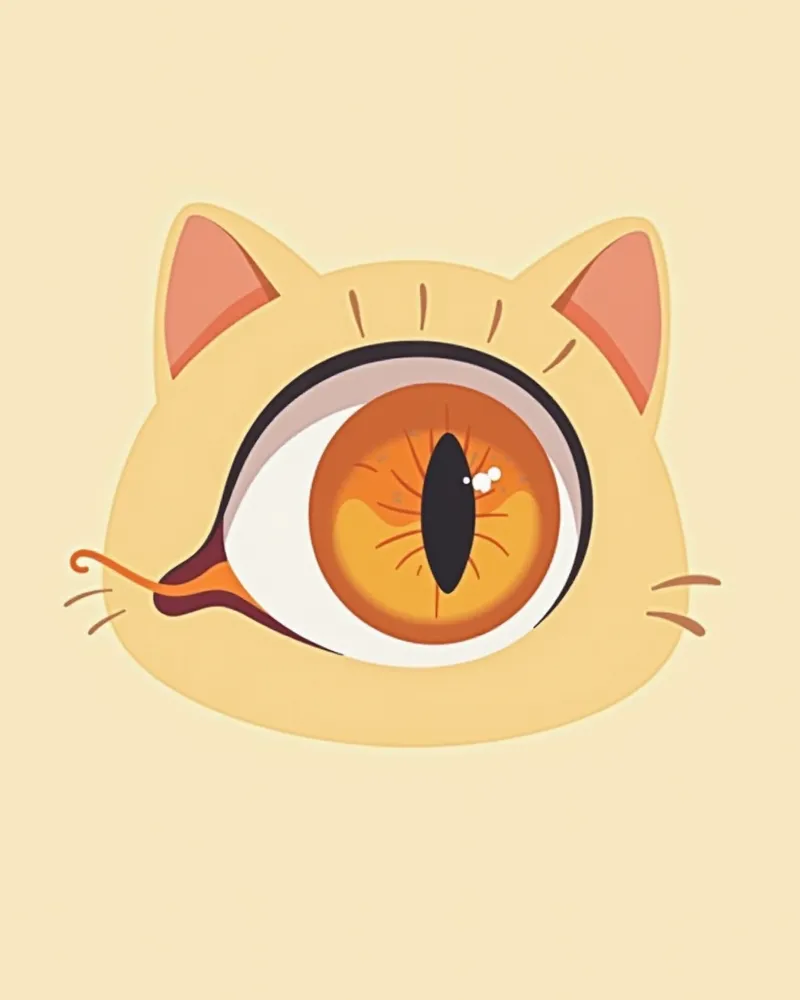
There are various causes of elevated intraocular pressure. In cats, however, most cases are secondary glaucoma that develops as a complication of other eye diseases, while primary glaucoma caused by genetic predisposition is very rare. Chronic uveitis (inflammation inside the eye), ocular trauma, or intraocular surgery can lead to secondary glaucoma. Additionally, adult cats tend to have higher intraocular pressure than kittens or senior cats, so age-related differences should also be taken into account. If intraocular pressure remains consistently elevated, it can compress and damage the optic nerve, leading to vision loss. Once this damage occurs, recovery is often difficult, making early diagnosis crucial. Therefore, rather than focusing solely on specific breeds, it is more helpful to properly manage existing eye conditions and identify risks early through regular veterinary check-ups. Early detection is key to improving treatment success rates.
Diagram of optic nerve damage in a cat’s eye caused by increased intraocular pressure

What Are the Main Symptoms When Measuring Intraocular Pressure?
Elevated intraocular pressure can cause redness, cloudiness, and light sensitivity in the eyes. Your cat may frequently rub or scratch at its eyes, and severe pain can lead to decreased appetite and reduced activity levels. The eyes may appear swollen, and vision can deteriorate rapidly. These symptoms go beyond mere discomfort and may signal a serious ophthalmic condition. Immediate veterinary attention is essential, as early diagnosis maximizes treatment efficacy. Carefully monitoring changes in your cat’s behavior is crucial.
A cat showing signs of discomfort due to increased intraocular pressure.

Signs That Require Immediate Veterinary Visit

If your pet’s eyes are swollen, they’re rubbing them due to severe pain, or their vision has suddenly declined, immediate veterinary care is essential. A rapid increase in intraocular pressure can lead to swift vision loss, and delayed treatment may make recovery difficult.

Diagnostic Methods for Measuring Intraocular Pressure
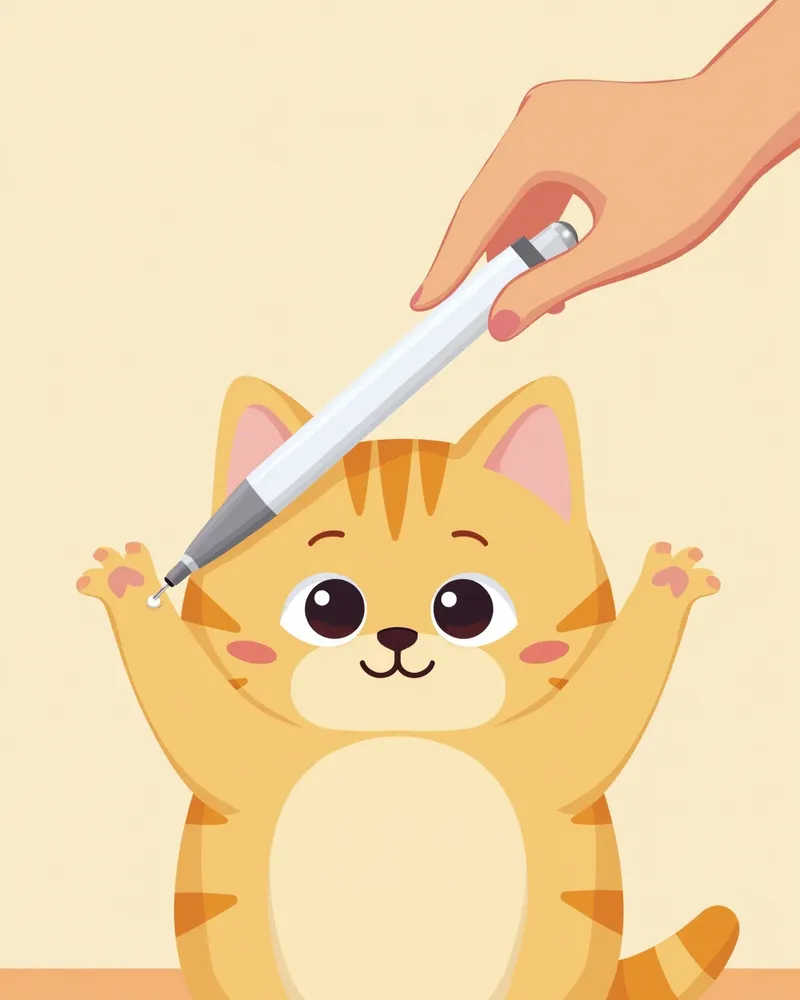
Intraocular pressure is measured using a tonometer, with the rebound-type TonoVet and the applanation-type TonoPen being the most commonly used devices. The TonoVet can be used without topical anesthetic drops, minimizing stress for cats, as its lightweight probe makes brief, instantaneous contact with the cornea. In contrast, the TonoPen (applanation method) requires the mandatory application of topical anesthetic drops to the cornea before measurement. When using the TonoVet, the animal’s head must be positioned so that the probe is aligned horizontally toward the cornea, and for both devices, it is ideal to orient the probe tip perpendicular to the curvature of the cornea. During measurement, avoid lifting the eyelids, adjusting the instrument, directly pressing on the eyeball, or compressing the jugular vein, as these actions can cause falsely elevated readings. Accurate diagnosis requires a veterinarian’s professional assessment, and regular check-ups are recommended to continuously monitor changes in intraocular pressure.
The moment the TonoVet device touches your cat’s eye

Treatment Methods and Step-by-Step Management
When intraocular pressure is elevated, veterinarians typically begin with medication. Anti-inflammatory drugs and medications that lower eye pressure are used to regulate the pressure, and surgery may be considered depending on the underlying cause. In the early stages, medication helps stabilize the pressure, but ongoing monitoring is essential. It’s crucial to follow the prescribed medication regimen exactly, as stopping treatment can lead to vision loss. Regular check-ins with your veterinarian allow for timely adjustments to the treatment plan based on any changes in your pet’s condition. Early detection and consistent care are key to successful treatment.
A veterinarian administering eye drops to a cat

Home Care and Precautions

During treatment, it is essential to administer medication exactly as prescribed. If your cat begins rubbing or scratching its eyes frequently, use an Elizabethan collar to prevent further irritation. Keep the environment quiet and stable to minimize stress. Closely monitor any changes in your cat’s daily behavior, and contact your veterinarian immediately if you notice any unusual signs. Regular veterinary visits are necessary to continuously monitor intraocular pressure. It is important that all family members understand the care routine and work together to support your cat’s recovery.
A cat receiving treatment in a stable environment

Breed-Specific Precautions and Prevention of Recurrence

Glaucoma in cats is most commonly secondary, developing as a complication of other eye conditions such as chronic uveitis, trauma, or intraocular surgery. Primary glaucoma, which is linked to genetic predisposition, is very rare. Therefore, managing existing eye diseases is more important than focusing on specific breeds. For senior cats or those with a history of eye disease, regular intraocular pressure and ophthalmic examinations are beneficial, and we recommend preventive check-ups for early detection.

Reviewed by a veterinarian

Dr. Tony — Punnawat Phongkittirak

Dr. Tony — Punnawat Phongkittirak

Veterinarian

A veterinarian who majored in veterinary medicine at Khon Kaen University, Thailand, and completed the IVSA program at North Carolina State University in the United States. Drawing on clinical experience at animal hospitals, he works in the pet healthcare field and is dedicated to building a digital care environment that connects pet parents with veterinarians.

Frequently Asked Questions

Does measuring eye pressure hurt?
TonoVet (rebound tonometry) can be used without topical anesthetic and causes only a light sensation upon contact. TonoPen (applanation tonometry) requires the application of a topical anesthetic to the cornea before measurement. Most cats become tense but experience little to no pain.
Does high intraocular pressure always require surgery?
Initially, we manage intraocular pressure with medication while treating the underlying cause. If the condition doesn't stabilize with medication or if surgery is necessary depending on the cause, surgical options may be considered. However, surgery isn't required in all cases.
What should I do if my cat dislikes eye pressure tests?
The veterinarian approaches the cat slowly, taking its temperament into account, and gently adjusts the tonometer. However, care must be taken during adjustment, as excessive pressure on the jugular vein can cause intraocular pressure to read higher than it actually is.
How often should intraocular pressure be measured?
The frequency of eye exams depends on your cat’s age and current eye health. Older cats or those with a history of eye conditions should be evaluated more often, and it’s best to consult your veterinarian to determine the most appropriate schedule for your pet.
If the intraocular pressure is normal, can I be reassured?
Even if the intraocular pressure is within the normal range, it’s a good idea to have your pet examined by a veterinary ophthalmologist if you notice redness, cloudiness, or changes in behavior. Intraocular pressure is just one indicator, so it’s important to assess the overall health of the eye as well.

Comparison of Intraocular Pressure Measurement Methods

ItemEquipmentAnesthesia requiredAccuracyWhen used
Rebound tonometryTonoVetNot requiredHighSuitable for initial screening
Applanation tonometryTonoPenRequiredVery highSuitable for precise measurement
Schirmer testTest stripNot requiredLowFor checking tear deficiency

Intraocular pressure measurement requires a veterinarian's judgment for an accurate diagnosis. The appropriate method is chosen at the clinic.

Share

Related Guides
References

[1] Rusanen E, Florin M, Hässig M, Spiess BM. Evaluation of a rebound tonometer (Tonovet) in clinically normal cat eyes. Vet Ophthalmol. 2010;13(1):31–6.

[2] The Cat, Clinical Medicine and Management, 2nd Edition. Elsevier Health Sciences, 2000.

[3] Tilley LP, Smith FWK. Blackwell’s Five-Minute Veterinary Consult: Canine and Feline. 4th ed. Wiley-Blackwell, 2007.

This information is based on veterinary literature and does not replace diagnosis or treatment. Please consult a veterinarian for specific health concerns.

Metapet Co., Ltd. | CEO: Park Sung-yong | Business Reg. No. 417-88-02562 | Seoul, South Korea | Customer Center

Cat Eye Pressure Test (Tonometry): Catching Glaucoma Early | Meongsiljang