

Cats Drinking Excessive Water — Causes of Hypercalcemia and When to Visit the Vet
Feline hypercalcemia is an endocrine disorder characterized by elevated blood calcium levels, making early detection crucial. The main causes include cancer, kidney disease, and excessive calcium supplementation.
Feline Hypercalcemia is an Endocrine Disorder Characterized by Elevated Blood Calcium Levels

Main Causes Include Cancer, Kidney Disease, and Excessive Supplement Use

Be Sure to Check for Key Symptoms and Signs

Immediate Veterinary Visit Required for Severe Symptoms or Cardiac Arrhythmia
If your cat experiences severe vomiting, marked lethargy and weakness, or an irregular heartbeat (arrhythmia), seek veterinary care immediately. Hypercalcemia can alter the excitability of nerves and muscles, leading to cardiac arrhythmias, weakness, and lethargy. Because disturbances in heart rhythm can be life-threatening, prompt evaluation and treatment are essential. Immediate veterinary attention is crucial.
Diagnosis is Confirmed via Blood Tests and Imaging

Treatment Focuses on Eliminating the Underlying Cause and Regulating Calcium
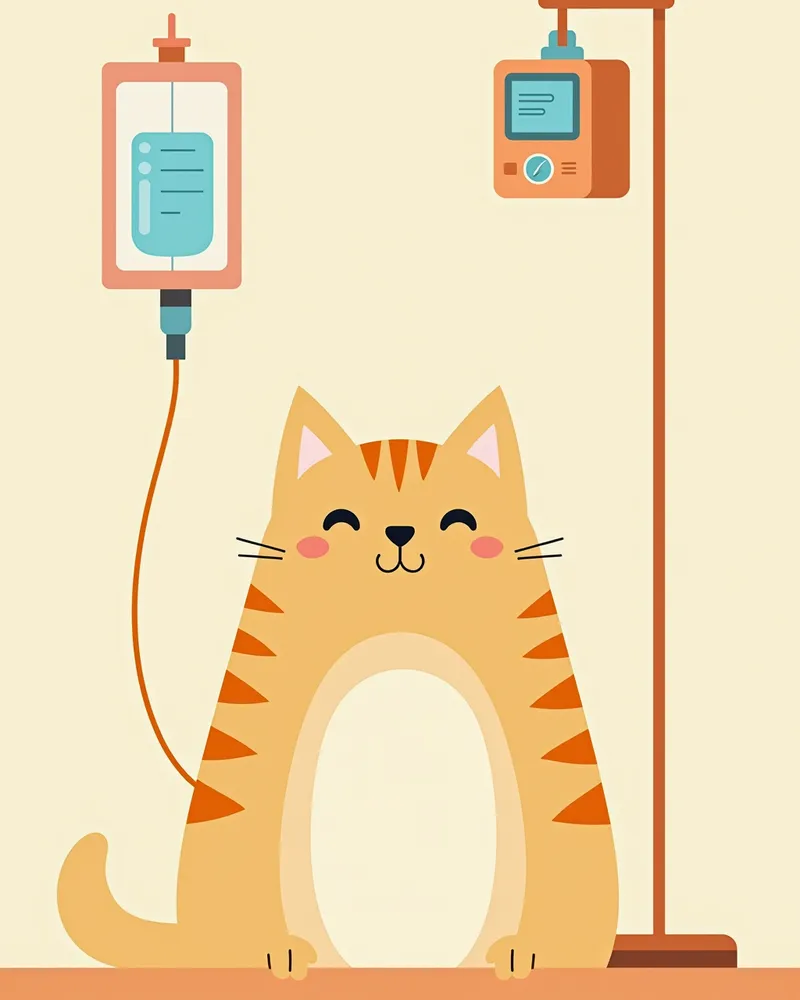
Home Care Must Be Meticulously Managed Under Veterinary Guidance

Certain Breeds May Be More Susceptible to Hypercalcemia
It’s difficult to definitively say that hypercalcemia occurs more frequently in specific breeds. However, idiopathic hypercalcemia, where the cause is unknown, is relatively common in cats, primarily affecting young to middle-aged individuals. On the other hand, causes such as tumors are more prevalent in older cats, meaning the condition can occur at any age. Since symptoms may be subtle, early detection through regular health check-ups is crucial, and it’s advisable to develop a management plan in consultation with your veterinarian.
Reviewed by a veterinarian

Dr. Tony — Punnawat Phongkittirak
VeterinarianA veterinarian who majored in veterinary medicine at Khon Kaen University, Thailand, and completed the IVSA program at North Carolina State University in the United States. Drawing on clinical experience at animal hospitals, he works in the pet healthcare field and is dedicated to building a digital care environment that connects pet parents with veterinarians.
Reviewed 2026-06-01
Frequently Asked Questions
Is hypercalcemia in cats treatable?
What foods should be avoided when hypercalcemia occurs?
Is hypercalcemia common in cats?
How do veterinarians treat hypercalcemia?
Does hypercalcemia cause pain in cats?
Comparison of Characteristics and Treatment Approaches by Cause of Hypercalcemia
| Item | Main Features | Treatment Direction | Prognosis |
|---|---|---|---|
| Cancer-Related | Sharp rise in blood calcium, bone damage | Tumor removal, chemotherapy | Moderate to Poor |
| Kidney Disease | Impaired calcium excretion, polyuria and polydipsia | Fluid therapy, kidney protection | Moderate |
| Excessive Supplements | Levels recover after discontinuing supplements | Discontinue supplements, dietary management | Good |
| Idiopathic | Unknown cause, requires monitoring of the course | Focused on symptom management | Moderate to Good |
The treatment success rate varies depending on early diagnosis and whether the cause is removed.
Share
Related Guides

Top 5 Prescription Dog Foods for Diabetes Recommended by Veterinarians — Blood Sugar-Stabilizing Food Comparison

7 Key Products for Managing Feline Hypercalcemia Recommended by Veterinarians and Selection Criteria

7 Key Points for Canine Thyroid T4 Testing by Veterinarians — From Timing to Result Interpretation
Canine Thyroid T4 Test: From Lethargy and Hair Loss Warning Signs to Diagnostic Timing – A Complete Guide

If Only Your Dog’s Flank Hair Is Falling Out — Key Points on Seasonal Alopecia Symptoms, Diagnosis, and Management

If Your Dog Keeps Trembling and Stiffening — Causes and Treatment Points for Hypocalcemia

If Your Dog Suddenly Loses Vision — Causes of Endocrine Hypertension and When to Test

If You Feel a Lump on Your Cat’s Neck — Diagnosis and Treatment Points for Thyroid Nodules and Cysts

My Cat Is Acting Strange After Giving Birth — Warning Signs and Management of Hormonal Abnormalities During Pregnancy and Lactation

Feline Diabetes: Symptoms, Causes, Diagnosis, Treatment, and Management Essentials
References
[1] Chew DJ, Leonard M, Muir W. Effect of sodium bicarbonate infusions on ionized calcium and total calcium concentrations in serum of clinically normal cats. Am J Vet Res. 1989;50(1):145–150.
[2] Taylor SS, Sparkes AH, Briscoe K, et al. ISFM consensus guidelines on the diagnosis and management of hypertension in cats. J Feline Med Surg. 2017;19(3):28.
[3] Feline Emergency and Critical Care Medicine, 2nd Ed. Elsevier, 2017. Chapter 32: Hypercalcemia in Cats.