Like
Share
멍실장
고양이 고혈당증 증상과 원인, 진단·치료와 관리 포인트 총정리

Cat Drinking Water and Urinating Frequently — Causes and Management of Hyperglycemia

EndocrineDiseasesMeongsiljang Veterinary Advisory Board

Feline hyperglycemia is an endocrine disorder in which blood sugar levels remain persistently elevated due to insulin deficiency or resistance. Early detection and systematic management are key to preventing complications.

What Is Feline Hyperglycemia?
A cat with a blood test slide placed on its paw.
Feline hyperglycemia is an endocrine disorder characterized by persistently elevated blood glucose levels due to insufficient insulin secretion or impaired insulin function. This is a hallmark of diabetes mellitus, and prolonged hyperglycemia can damage multiple organs, including the kidneys, eyes, and nerves. Early detection is crucial; initiating management at the first sign of mild symptoms helps effectively prevent complications. Because hyperglycemia directly impacts a cat’s overall health and quality of life, regular veterinary check-ups are essential. Early diagnosis and consistent management significantly improve both survival rates and quality of life.

What Are the Main Causes?

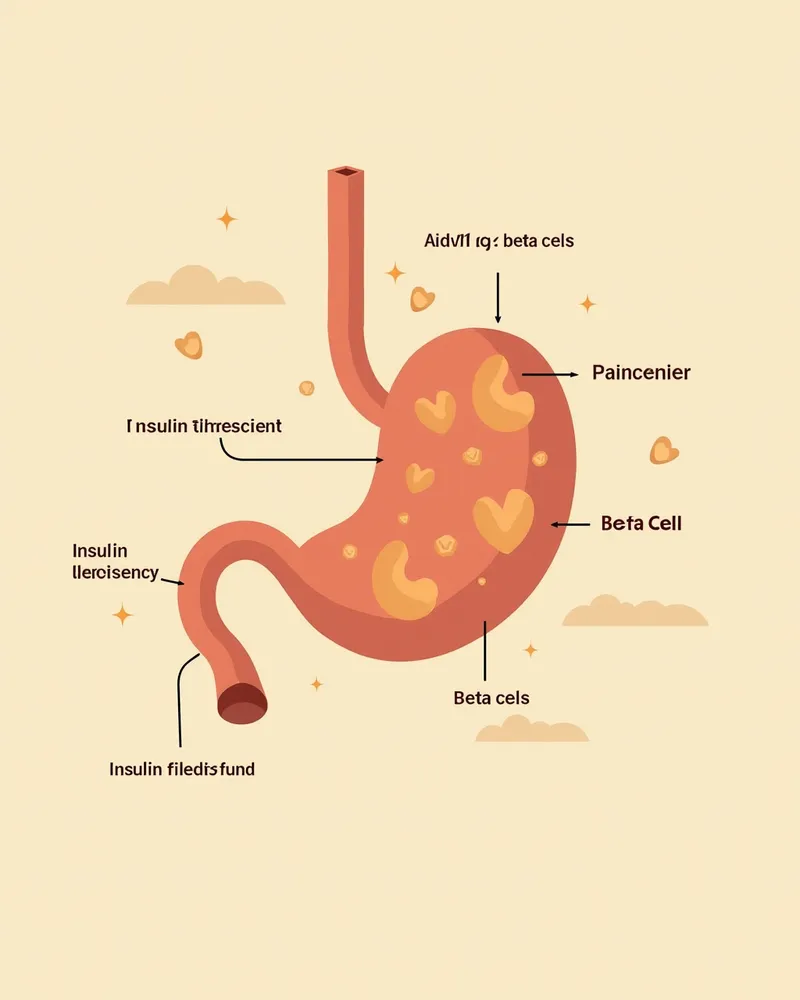
The main causes of hyperglycemia in cats are insufficient insulin production or insulin resistance. Chronically elevated blood glucose can lead to glucotoxicity, which damages pancreatic beta cells and insulin-target tissues, thereby worsening the condition. Obesity is a known risk factor that interferes with insulin action, making it important to maintain an appropriate body weight. Additionally, glucocorticoid (steroid) medications can stimulate glucagon secretion and reduce insulin effectiveness, potentially causing hyperglycemia. Cats also have a natural susceptibility to high blood sugar because they lack hepatic glucokinase. When these factors interact, the risk of disease increases significantly, so early management and lifestyle improvements are key to prevention.
A diagram explaining the causes of insulin deficiency in a cat's pancreas.

Main Symptoms and Signs

Feline hyperglycemia can manifest through various behavioral and physical changes. It’s important to stay vigilant so you don’t miss these warning signs.
Excessive thirst: Your cat may drink water frequently throughout the day.
Frequent urination: There is an increase in urine volume, leading to more frequent trips to the litter box.
Increased appetite: Despite eating more, your cat may experience weight loss.
Weight loss: You may notice muscle weakness and a reduction in body mass.
Lethargy: Your cat may remain inactive and stay in the same spot for extended periods.
Vision impairment: There may be ocular abnormalities or a risk of blindness.
A glimpse into the daily life of a cat that drinks and urinates a lot

Signs Requiring Immediate Veterinary Visit

If your cat experiences severe vomiting, decreased consciousness, or difficulty breathing, immediate veterinary care is essential. In particular, severe hyperglycemia with blood glucose levels exceeding 600 mg/dL may indicate Hyperosmolar Hyperglycemic Syndrome (HHS), which typically presents with minimal ketones, or Diabetic Ketoacidosis (DKA), which involves the presence of ketones. Both conditions represent the most serious emergency complications arising from untreated or poorly controlled diabetes.

Accurate Diagnostic Methods

Feline hyperglycemia is diagnosed using both blood and urine tests. However, because stress alone can raise a cat’s blood glucose to nearly 300 mg/dL, diabetes cannot be diagnosed based on a single reading. It is therefore essential to take multiple measurements in a low-stress environment. In particular, confirming that glucose is detected in urine collected from natural voiding at home on at least two separate occasions (more than two days after any stressful event) greatly aids diagnosis. It is also important to check for the presence of ketones. Accurate diagnosis requires a comprehensive professional assessment by a veterinarian, and regular health check-ups are crucial for early detection.
A veterinarian drawing blood from a cat's leg.

Treatment Methods and Step-by-Step Management
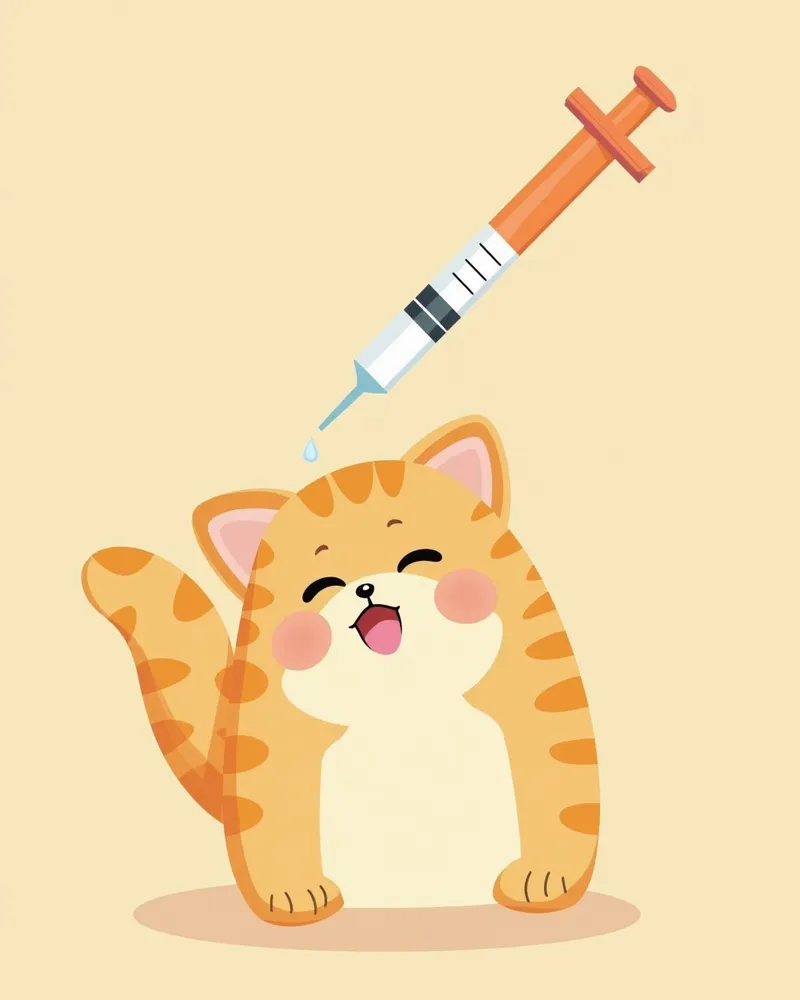
Treatment for feline hyperglycemia involves insulin injections and dietary management. Long-acting insulins such as glargine or PZI (protamine zinc insulin) are primarily used, typically administered twice daily. The starting dose is usually 0.25 to 0.5 units per kilogram of body weight, and it should be based on the cat’s ideal body weight rather than its current weight. The cornerstone of dietary management is selecting a low-carbohydrate diet. During treatment, blood glucose curves are performed every 1 to 2 weeks, either at home or at the clinic, to adjust the insulin dosage. Because blood sugar levels can fluctuate significantly in the early stages of treatment, regular consultation with your veterinarian and consistent care are essential for achieving stable blood glucose control.
A cat receiving an insulin injection

Daily Management Points at Home

Managing feline hyperglycemia requires consistent care at home. It is important to maintain regular meal times and insulin injection schedules. Record daily changes in weight, water intake, urine output, and activity levels. To reduce stress, keep your cat’s environment stable and stick to a daily routine. Arrange the litter box, feeding area, and resting spaces so your cat feels comfortable. These management practices greatly help stabilize blood sugar levels and prevent complications.
A recording carpet and laptop for managing your cat’s daily care

Breed-Specific Precautions and Recurrence Prevention

Obesity is a major risk factor that increases insulin resistance, so maintaining an appropriate weight is essential. Additionally, cats receiving steroid (glucocorticoid) medications may develop hyperglycemia, which can resolve or improve once the medication is discontinued. Consistent blood glucose monitoring and ongoing care during treatment are key to preventing relapse and maintaining stable control.

Reviewed by a veterinarian

Dr. Tony — Punnawat Phongkittirak

Dr. Tony — Punnawat Phongkittirak

Veterinarian

A veterinarian who majored in veterinary medicine at Khon Kaen University, Thailand, and completed the IVSA program at North Carolina State University in the United States. Drawing on clinical experience at animal hospitals, he works in the pet healthcare field and is dedicated to building a digital care environment that connects pet parents with veterinarians.

Frequently Asked Questions

Can feline hyperglycemia be cured?
In some cases, a complete cure is possible, but most pets require ongoing management. With insulin injections and dietary adjustments, a stable condition can be maintained.
Does an insulin injection hurt?
The injection needle is so thin that cats barely feel it. When administered by a veterinarian using proper technique, the procedure is minimally stressful for your pet.
How should I choose a diet for my pet?
It is best to choose low-carbohydrate, high-protein foods, and using a special diet recommended by your veterinarian is the safest option.
Can I measure blood sugar at home?
Yes, you can monitor your pet’s blood sugar at home using a glucose meter and test strips. Your veterinarian will teach you how to use them.
What complications can arise from hyperglycemia?
Complications such as diabetic ketoacidosis, kidney damage, vision loss, and an increased risk of infection can occur. Early management is crucial.

Comparison of Hyperglycemia Management Methods

ItemDietary therapyInjection therapyBlood glucose monitoring
Low-carbohydrate foodHelps stabilize blood glucoseLittle effectEssential
Insulin injectionMain treatmentHighly effectiveImportant
Use of a glucometerSupplementarySupplementaryRecommended daily

Each method is more effective when used in combination. Decide after consulting your veterinarian.

Share

Related Guides

References

[1] Reusch, C. et al. (2014). Hyperglycemic hyperosmolar state in cats. In: Feline Emergency and Critical Care Medicine, 2nd Ed. Elsevier Saunders.

[2] Anderson, J.D. et al. (2019). Lispro insulin and electrolyte supplementation for treatment of diabetic ketoacidosis in cats. J. Vet. Intern. Med. 33(4): 1593–1601.

[3] Brown, S.A. & Henik, R.A. (1998). Diagnosis and treatment of systemic hypertension in cats. Vet Clin North Am Small Anim Pract 28(6): 1481–1494.

This information is based on veterinary literature and does not replace diagnosis or treatment. Please consult a veterinarian for specific health concerns.

Metapet Co., Ltd. | CEO: Park Sung-yong | Business Reg. No. 417-88-02562 | Seoul, South Korea | Customer Center

Cat Drinking & Urinating a Lot? Feline Hyperglycemia Care | Meongsiljang